
Traveling with Alaska Airlines can be a streamlined experience, but understanding the intricacies of baggage fees is crucial for any discerning traveler. These fees, often overlooked in the initial ticket purchase, can significantly impact your overall travel budget. Navigating the policies regarding checked luggage requires a comprehensive understanding of standard allowances, potential surcharges, and the various strategies available to mitigate these costs. This guide aims to demystify the baggage fee structure for Alaska Airlines, ensuring you can plan your journeys with greater financial foresight and efficiency.
The Basics of Baggage Fees on Alaska Airlines
The cost of checking a bag on Alaska Airlines is primarily determined by the number of bags, your destination, and your status with the airline. For most domestic flights within the United States and to Canada, the standard fee structure applies. International flights, particularly those to Mexico or Hawaii, can sometimes have slightly different or waived fees depending on the fare class or specific route.

Standard Checked Bag Allowance and Costs
For the majority of passengers, the first checked bag on Alaska Airlines typically incurs a fee, as does the second and subsequent bags. As of current policies, the approximate costs are:
- First Checked Bag: Around $35
- Second Checked Bag: Around $45
- Third and Subsequent Checked Bags: Each bag typically costs around $150
These fees are per bag, per direction of travel. Therefore, a round trip would entail paying the fee twice for each checked item. It’s always advisable to check the most up-to-date fees directly on the Alaska Airlines website or through their mobile app, as these figures can be subject to change without extensive prior notice. The weight and size limits for standard checked bags are generally 50 pounds (23 kg) and a maximum linear dimension (length + width + height) of 62 inches (158 cm). Exceeding these limits will result in additional charges, often substantial.
Factors Influencing Bag Fees
Several elements can alter the standard baggage fee structure, potentially leading to either waivers or increased costs. Understanding these variables is key to optimizing your travel expenses:
- Fare Class: Certain premium fare classes, such as First Class or Business Class, often include one or more checked bags free of charge. This can be a significant benefit, especially for travelers with extensive luggage.
- Route and Destination: Flights to certain international destinations may have different baggage allowances or fees. For example, specific routes to Mexico might offer a complimentary first checked bag, while others adhere to standard domestic pricing. Always verify the specific rules for your itinerary.
- Date of Purchase: Booking your baggage allowance in advance online can sometimes result in a slight discount compared to paying at the airport counter, though this is not consistently offered across all routes and airlines.
- Special Circumstances: Active U.S. military personnel and their dependents often receive generous baggage allowances free of charge, a policy designed to support service members.
Understanding Weight and Size Restrictions
Adhering to Alaska Airlines’ weight and size restrictions for checked baggage is paramount to avoid unexpected and costly surcharges at the airport. These guidelines are in place for safety, operational efficiency, and equitable use of cargo space.
Overweight Baggage Penalties
Any bag exceeding the standard 50-pound (23 kg) limit but remaining within specific upper thresholds will incur an overweight baggage fee. The typical structure for overweight bags is:
- 51-70 pounds (23-32 kg): Approximately $100 per bag
- 71-100 pounds (32-45 kg): Approximately $150 per bag
Bags weighing over 100 pounds (45 kg) are generally not accepted as standard checked luggage and may require special cargo arrangements, if permitted at all. These fees are cumulative, meaning if a bag is both overweight and oversized, both penalties will apply. Prudent packing and weighing your bags before arriving at the airport can save a significant amount of money and stress. Investing in a portable luggage scale is a wise decision for frequent travelers.
Oversized Baggage Penalties
Beyond weight, the physical dimensions of your checked bags also play a critical role. A bag is considered oversized if its total linear dimensions (length + width + height) exceed 62 inches (158 cm). The fee for oversized baggage on Alaska Airlines is typically around $100 per bag. Similar to overweight fees, this surcharge is added on top of any standard checked bag fees and overweight penalties. Bags exceeding 115 linear inches (292 cm) are usually not accepted as checked baggage and must be shipped as cargo. This often applies to large sports equipment or bulky items not designed for typical travel.
Strategies to Minimize or Avoid Baggage Fees
While baggage fees are a standard part of air travel, there are several effective strategies passengers can employ to reduce or even eliminate these costs, leading to more economical journeys.
Alaska Airlines Credit Cards and Elite Status
One of the most straightforward ways to bypass baggage fees is through loyalty to Alaska Airlines and its partners. Holding an Alaska Airlines co-branded credit card often grants the primary cardholder and a specified number of companions on the same reservation a free first checked bag. This benefit alone can easily offset the annual fee of the card for even a single round trip.
Furthermore, achieving Elite Status within the Alaska Airlines Mileage Plan program provides escalating baggage benefits:
- MVP: Two free checked bags.
- MVP Gold: Two free checked bags.
- MVP Gold 75K: Three free checked bags.
- MVP Gold 100K: Three free checked bags.
These benefits extend to all passengers traveling with the elite member on the same reservation, making it a valuable perk for family or group travel.
Flying First Class or Business Class
As previously mentioned, passengers ticketed in First Class or Business Class on Alaska Airlines typically receive a complimentary checked bag allowance. This usually includes two or three bags, each up to 50 pounds, depending on the specific fare and route. While the initial ticket price for these premium cabins is higher, the included amenities, enhanced comfort, and waived baggage fees can present a compelling value proposition for travelers who prioritize space, service, and convenience.
Active Military Personnel Benefits
Alaska Airlines provides commendable support for active U.S. military personnel and their dependents. Active duty members often receive up to five checked bags free of charge, with expanded weight limits of up to 70 pounds (32 kg) per bag. This significant allowance is designed to assist service members and their families during relocation and deployment. Proper military identification must be presented at check-in to avail of this benefit.
Packing Smart and Carry-On Considerations
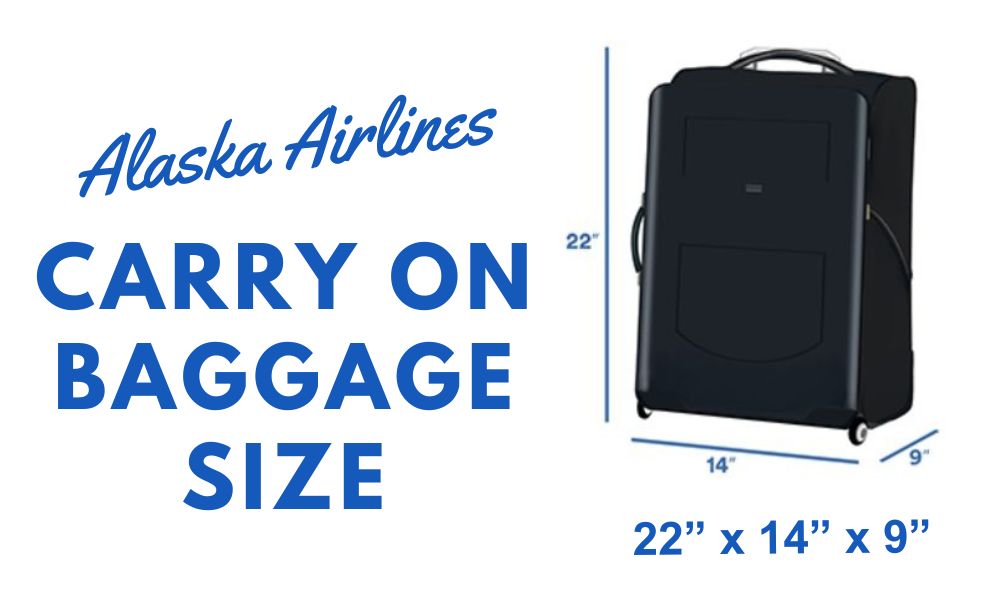
The most universal strategy to avoid checked bag fees is to pack lightly and efficiently. Alaska Airlines allows one carry-on bag and one personal item (e.g., a laptop bag, purse, or backpack) free of charge. Ensure your carry-on meets the airline’s size requirements (typically 22 x 14 x 9 inches, including wheels and handles) to avoid being forced to gate-check it and potentially incur a fee. Strategic packing, utilizing packing cubes, and wearing your bulkiest items can often enable you to travel with just a carry-on for shorter trips, completely bypassing checked bag costs.
Loyalty Programs and Partner Airlines
Alaska Airlines’ membership in the Oneworld Alliance opens up additional opportunities for baggage benefits. If you hold Elite Status with a Oneworld Alliance member airline (such as American Airlines, British Airways, Cathay Pacific, Qantas, or Japan Airlines), you may be entitled to complimentary checked baggage when flying on Alaska Airlines, provided your loyalty status is recognized within the alliance framework. Always confirm the specific benefits for your Oneworld Alliance tier, as they can vary slightly between airlines and routes.
Special Baggage Considerations
Beyond standard luggage, Alaska Airlines has specific policies for various types of special items, including sports equipment, musical instruments, and essential medical devices. Understanding these can prevent last-minute complications and additional expenses.
Sports Equipment and Musical Instruments
Many types of sports equipment, such as skis, snowboards, golf clubs, and fishing gear, are often accepted as standard checked bags, provided they meet the weight and size limits. If they exceed these limits, they will be subject to oversized or overweight baggage fees, or sometimes a specific flat rate for special items. Musical instruments, depending on their size, may be carried on board if they fit in the overhead bin or under the seat, or checked as standard baggage. Larger instruments might require the purchase of an additional seat or specific cargo arrangements. Always check Alaska Airlines’ specific policies for your particular item before travel, as rules can be quite detailed.
Pet Travel
Traveling with pets on Alaska Airlines involves separate fees and regulations. Small pets (dogs and cats) can often travel in the cabin if they fit in an approved carrier under the seat in front of you. Larger pets may be transported in the cargo hold as checked baggage, subject to specific temperature restrictions, crate requirements, and substantial fees. These fees are distinct from regular baggage charges and are generally non-refundable. Advance reservations for pet travel are almost always required due to limited space.
Essential Medical Devices
Alaska Airlines generally allows essential medical devices and mobility aids to be carried on board or checked free of charge, provided they are necessary for the passenger’s well-being. This includes items such as wheelchairs, walkers, CPAP machines, and oxygen concentrators. It is advisable to notify the airline in advance if you plan to travel with such equipment to ensure a smooth boarding and handling process.
The Impact of Baggage Fees on Your Travel Budget
Baggage fees, while seemingly minor, can accumulate quickly and significantly alter the total cost of your trip. Integrating these potential expenses into your initial travel budget planning is a hallmark of an experienced and financially savvy traveler.
Planning Ahead for Total Travel Costs
When booking your flight, consider the full picture. If you know you will need to check bags, factor in those costs upfront. Sometimes, paying a slightly higher fare for a ticket that includes checked bags (e.g., a premium economy or First Class fare) can be more cost-effective than purchasing a basic economy ticket and then paying exorbitant fees for multiple bags. For families or groups, these fees can multiply rapidly, making the free baggage allowance offered by credit cards or Elite Status even more valuable.

Maximizing Value Beyond the Ticket Price
The decision to check a bag versus relying solely on a carry-on is not just about cost; it’s also about convenience and the nature of your trip. For extended vacations or trips requiring specialized gear, checking bags is often unavoidable. In such cases, focusing on strategies to mitigate the fees—such as leveraging credit card benefits, elite status, or smart packing to avoid overweight charges—becomes paramount. Ultimately, understanding the “how much” of checking a bag on Alaska Airlines empowers you to make informed decisions that align with both your travel needs and your financial planning, leading to a more pleasant and predictable journey.
LifeOutOfTheBox is a participant in the Amazon Services LLC Associates Program, an affiliate advertising program designed to provide a means for sites to earn advertising fees by advertising and linking to Amazon.com. Amazon, the Amazon logo, AmazonSupply, and the AmazonSupply logo are trademarks of Amazon.com, Inc. or its affiliates. As an Amazon Associate we earn affiliate commissions from qualifying purchases.