
Understanding the linguistic landscape of Puerto Rico is a crucial element for any traveler preparing for a visit. While the island is a United States territory, its rich history and cultural tapestry have shaped a unique linguistic environment where Spanish holds a prominent, and for many, primary, position. However, the question of whether English is spoken is often met with a nuanced answer, one that acknowledges the practical realities for visitors and the deep-rooted cultural significance of Spanish. For the vast majority of tourists and business travelers, navigating Puerto Rico is remarkably straightforward, as English is widely understood and spoken, particularly in areas frequented by visitors.
The Dual Official Languages of Puerto Rico
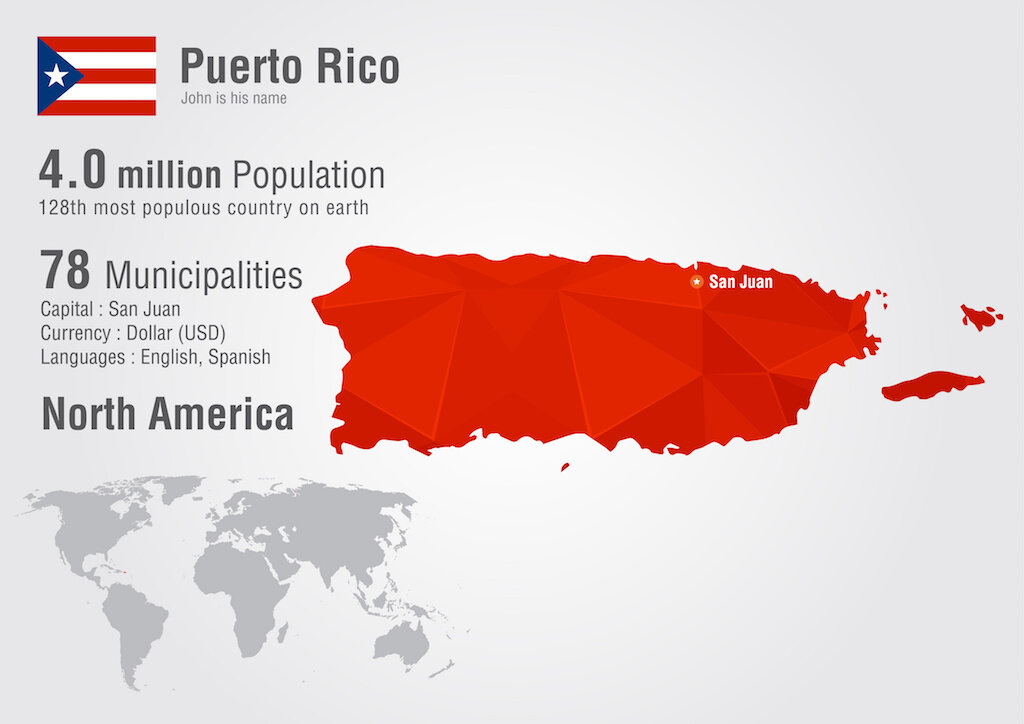
The linguistic status of Puerto Rico is officially defined by its designation of both Spanish and English as co-official languages. This dual status stems from its history as a Spanish colony for centuries, followed by its cession to the United States after the Spanish-American War in 1898. Spanish is the vernacular of the overwhelming majority of the population, with estimates suggesting that over 95% of residents speak it as their first language. This pervasive use of Spanish is evident in everyday life, from street signs and local media to informal conversations and daily commerce.
Spanish: The Heartbeat of the Island
Spanish is far more than just a language in Puerto Rico; it’s a vital component of its identity and culture. The Spanish spoken in Puerto Rico is a vibrant dialect, influenced by indigenous Taíno words, African linguistic contributions, and unique Caribbean inflections. It’s the language of the island’s literature, music, art, and its most cherished traditions. For those seeking an authentic immersion into the local way of life, engaging with the Spanish language, even at a basic level, can unlock deeper connections and richer experiences. Understanding this linguistic dominance is key to appreciating the island’s cultural heritage.
English: The Bridge for Travelers
Despite the dominance of Spanish, English plays a significant role, especially in tourism-related sectors and urban centers. The U.S. presence has ensured that English is taught in schools, and it is widely utilized in government, business, and higher education. In tourist hotspots like San Juan, especially within the historic Old San Juan district, at major resorts like the Caribe Hilton, and in popular dining establishments and shops, you will find that English is commonly spoken and understood. Hotel staff, tour guides, and many service industry professionals are proficient in English, making communication effortless for most visitors.
Navigating Puerto Rico: Language in Practice
For the average tourist, the presence of English speakers is more than sufficient to ensure a comfortable and enjoyable trip. From the moment you land at Luis Muñoz Marín International Airport to exploring attractions like El Yunque National Forest or enjoying the nightlife in Condado, you’ll find that English is a readily available communication tool.
In Tourist Hubs
Major tourist destinations are geared towards international visitors. Hotels, many restaurants, souvenir shops, and tour operators will have staff who can converse fluently in English. This is especially true in areas with a high concentration of international tourism, such as the popular beaches of Isla Verde, the vibrant streets of Old San Juan, and the resort towns along the northern coast. Expect English to be the primary language of interaction in these settings.

Beyond the Tourist Trail
As you venture away from the well-trodden tourist paths and into more local communities or smaller towns, the prevalence of English naturally decreases. While many people will still attempt to communicate using a mix of English and gestures, having a few basic Spanish phrases in your repertoire can significantly enhance your interactions and demonstrate respect for the local culture. This is not to say you will be unable to navigate; rather, it’s an opportunity to enrich your experience.
Tips for a Seamless Linguistic Experience
While English will get you far, embracing a bit of Spanish can elevate your travel experience in Puerto Rico. It shows an appreciation for the local culture and can open doors to more genuine interactions.
Essential Spanish Phrases
Learning a few key phrases can make a significant difference.
- Hola (Hello)
- Adiós (Goodbye)
- Por favor (Please)
- Gracias (Thank you)
- De nada (You’re welcome)
- ¿Habla inglés? (Do you speak English?)
- No entiendo (I don’t understand)
- ¿Cuánto cuesta? (How much does it cost?)
- La cuenta, por favor (The bill, please)
- ¡Salud! (Cheers!)
Even attempting these basic phrases will be met with appreciation and can lead to warmer exchanges.
Leveraging Technology
In today’s digital age, translation apps are invaluable tools. Apps like Google Translate or Duolingo can provide real-time translation for both spoken and written Spanish, bridging any potential communication gaps. Downloading an offline Spanish language pack before you leave can be particularly useful in areas with limited or no Wi-Fi access.
Embracing the Culture
Beyond language, understanding and respecting local customs and etiquette will contribute to a smoother journey. Politeness and patience go a long way. Many Puerto Ricans are eager to share their island’s beauty and culture and will make an effort to accommodate visitors, regardless of language proficiency.

The Unique Blend: Identity and Language
The linguistic duality of Puerto Rico is a reflection of its complex history and its resilient cultural identity. While Spanish remains the soul of the island, English serves as a functional bridge, facilitating international engagement and tourism. For travelers, this means that while English is widely spoken and will certainly enable a comfortable visit, an openness to the Spanish language and culture will undoubtedly lead to a more profound and rewarding experience. Whether you’re staying at a luxury resort in Dorado or exploring the bioluminescent bays of Vieques, you’ll find that communication is rarely a barrier, and the warmth of the Puerto Rican people transcends linguistic divides. The answer to “Do they speak English in Puerto Rico?” is a resounding yes, but to truly connect, a little Spanish goes a long way in this vibrant Caribbean paradise.
LifeOutOfTheBox is a participant in the Amazon Services LLC Associates Program, an affiliate advertising program designed to provide a means for sites to earn advertising fees by advertising and linking to Amazon.com. Amazon, the Amazon logo, AmazonSupply, and the AmazonSupply logo are trademarks of Amazon.com, Inc. or its affiliates. As an Amazon Associate we earn affiliate commissions from qualifying purchases.