
While the notion of encountering a rattlesnake within a casual dining establishment like Texas Roadhouse might conjure images of a bizarre or even humorous incident, the reality is far more grounded in the operational and safety protocols of such venues. The title itself, “What Are Rattlesnake Bites At Texas Roadhouse?”, is likely a metaphorical or allegorical question, rather than a literal one referring to venomous reptile encounters within the restaurant. In the context of culinary experiences and dining establishments, “bites” can refer to small portions of food, or more colloquially, to minor annoyances or unfortunate occurrences that might mar an otherwise pleasant experience.

Deconstructing the “Bite” in a Dining Context
When exploring the phrase “rattlesnake bites” in relation to [Texas Roadhouse], it’s crucial to understand the nuances of language and the typical discourse surrounding dining. The question prompts an examination of what constitutes a negative or startling experience at a restaurant that could be colloquially described as a “bite.” This could range from issues with food quality, service mishaps, or even unexpected charges. However, the inclusion of “rattlesnake” specifically suggests something sharp, potentially painful, and certainly startling – a surprise that leaves a sting.
Food Quality and Presentation
One of the most direct interpretations of a “bite” in a dining context relates to the food itself. While [Texas Roadhouse] is known for its hearty, American-style cuisine, primarily steak and ribs, any restaurant can face challenges in maintaining consistent quality. A “rattlesnake bite” in this sense could refer to:
- Undercooked or Overcooked Meats: A steak that is significantly undercooked when ordered medium-well, or conversely, one that is charred and dry when a medium-rare was requested, could be considered a startling and unpleasant “bite.” The anticipation of a perfectly cooked steak, a cornerstone of the [Texas Roadhouse] experience, being sharply disappointed fits the metaphor.
- Unpleasant Textures or Flavors: A dish that has an unexpectedly tough texture, a rancid note, or an overwhelming spice that wasn’t advertised could also be described metaphorically as a “rattlesnake bite.” This is especially true if the ingredient responsible for the surprise is not readily identifiable or appealing.
- Incorrect Orders: Receiving a dish that is entirely different from what was ordered, especially if it contains allergens or ingredients the diner dislikes, can be a jarring and unwelcome surprise.
Service and Ambiance
Beyond the food, the service and overall atmosphere of a restaurant contribute significantly to the dining experience. A “rattlesnake bite” could also manifest in service-related issues:
- Inattentive or Rude Staff: While generally well-regarded for friendly service, any establishment can have moments where staff are perceived as inattentive, dismissive, or outright rude. Such interactions can be startling and leave a negative impression, akin to an unexpected, sharp sting.
- Excessive Wait Times: Long waits for seating, food, or the check, particularly when the restaurant doesn’t appear overly busy, can be frustrating. This prolonged anticipation turning into disappointment can feel like a drawn-out, unpleasant encounter.
- Unsanitary Conditions: While highly unlikely and subject to strict health regulations, any perceived lapse in cleanliness within the dining area, restrooms, or at the table could be a deeply unsettling “bite” that impacts a diner’s comfort and trust in the establishment.
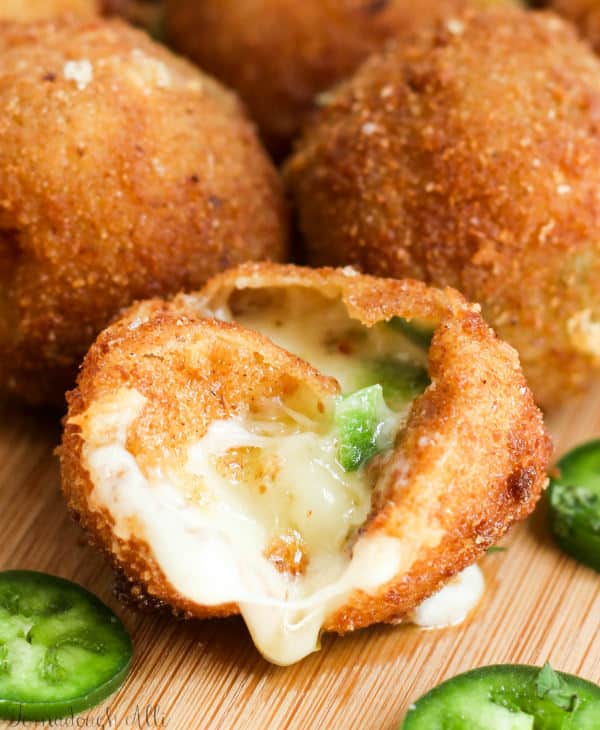
The Metaphorical Sting of Unexpected Charges
Another interpretation of a “rattlesnake bite” at [Texas Roadhouse] could relate to unexpected or unfair charges on the bill. In a restaurant known for its value-oriented pricing, encountering a surprisingly high bill can be a shock. This might stem from:
- Hidden Fees: Though rare in casual dining, any undisclosed charges for items that are typically complimentary or standard can feel like an unwelcome surprise.
- Misunderstandings about Pricing: If menu descriptions are unclear, or if specials are not adequately explained, diners might be surprised by the final cost of their meal. This can lead to a feeling of being “bitten” by a hidden cost.
- Billing Errors: Simple mistakes in tab calculation or the addition of items that were not ordered can also result in an unexpectedly high bill, leaving a diner with a negative impression.
Beyond the Literal: Examining the Brand Association
The specific mention of [Texas Roadhouse] in the title is significant. This is a chain restaurant with a distinct brand identity, known for its rustic, lively atmosphere and generous portions. The brand evokes a sense of comfort, familiarity, and good value. Therefore, any “rattlesnake bite” within this context would be particularly jarring because it deviates from the expected positive experience. It implies a moment of unexpected negativity or surprise that cuts through the otherwise pleasant and predictable dining environment. The juxtaposition of a wild, potentially dangerous element (“rattlesnake”) with a family-friendly, casual dining chain suggests a focus on the unexpected negative turns a dining experience might take, even in a place where such incidents are statistically improbable in a literal sense.
The Role of Expectations in Dining Experiences
Customer expectations play a pivotal role in how any dining experience is perceived. [Texas Roadhouse] sets certain expectations through its marketing, its atmosphere, and its menu. Diners anticipate hearty, well-prepared American classics, friendly service, and a lively, casual ambiance. When these expectations are met, the experience is positive. However, when there’s a significant deviation, especially a negative one, it can feel like a “bite.” The metaphorical “rattlesnake bite” is, therefore, a way to describe a moment where the reality falls short of the desired or expected reality, leaving a sharp, unpleasant sensation. This applies not just to [Texas Roadhouse] but to any dining establishment, but the specific branding in the title focuses the inquiry on this particular chain. The “bite” is the sting of disappointment, the sharp contrast between what was hoped for and what was received.
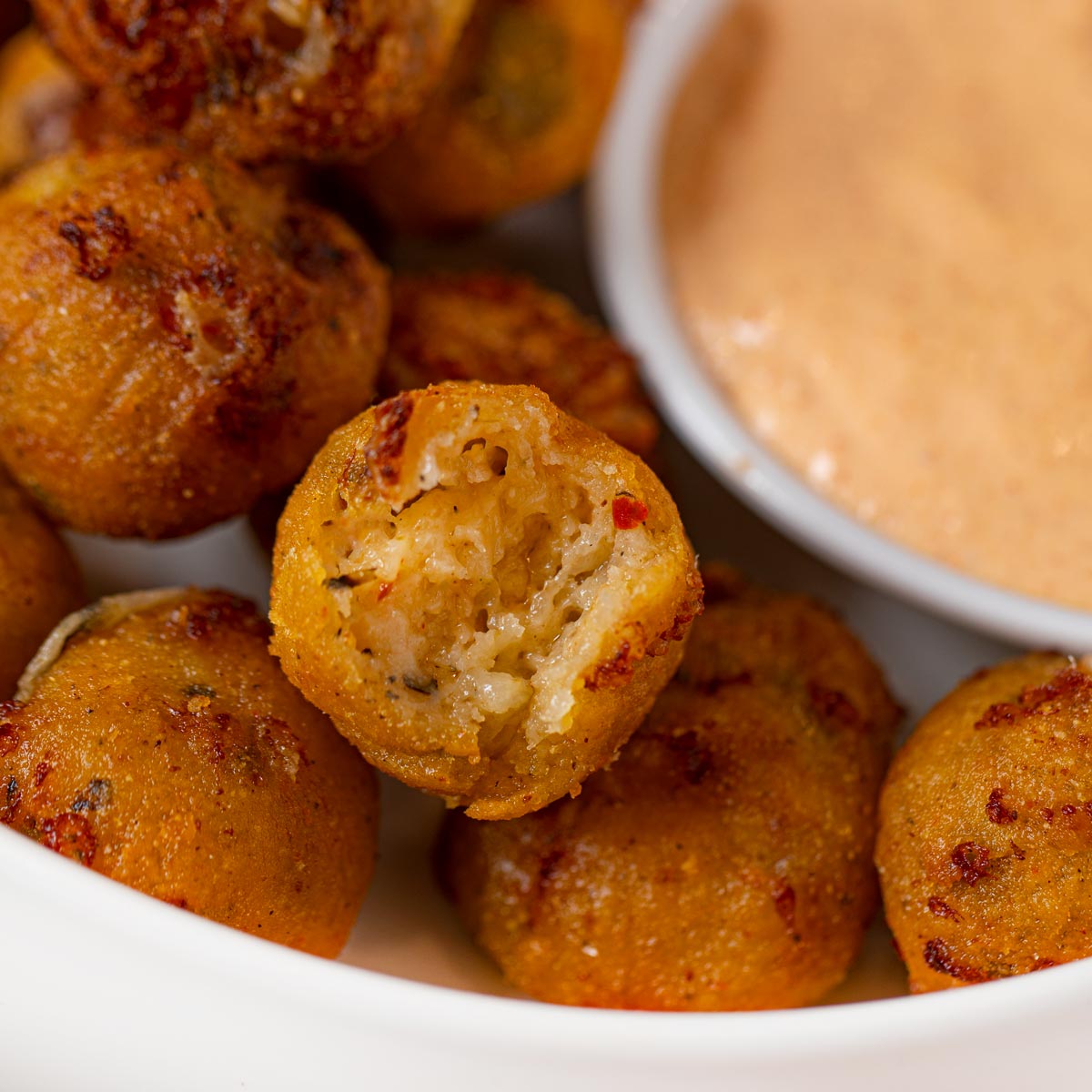
Navigating Potential “Bites” at Any Restaurant
While the title is specific to [Texas Roadhouse], the principles discussed are broadly applicable to dining out anywhere. To mitigate the likelihood of experiencing such metaphorical “bites”:
- Be an Informed Diner: Review menus online beforehand, understand typical pricing for dishes, and be aware of any specials or promotions.
- Communicate Clearly: When ordering, be specific about preparation preferences for food items. If you have dietary restrictions or allergies, inform your server clearly.
- Observe Your Surroundings: Pay attention to the general cleanliness and attentiveness of the staff. If something seems amiss, address it politely and promptly.
- Review Your Bill: Before paying, take a moment to quickly review the bill for any obvious discrepancies or unexpected charges.
- Provide Constructive Feedback: If you do experience an issue, whether it’s with the food, service, or billing, calmly and politely bring it to the attention of management. This not only gives the establishment a chance to rectify the situation but also provides valuable feedback for improvement.
In conclusion, the question “What Are Rattlesnake Bites At Texas Roadhouse?” serves as an intriguing prompt to explore the various ways a dining experience can be unexpectedly soured. It’s a metaphorical exploration of the sharp, unpleasant surprises that can occur when a meal doesn’t live up to expectations, rather than a literal account of reptile encounters. By understanding these potential pitfalls and practicing mindful dining, patrons can significantly enhance their chances of enjoying a consistently positive experience at [Texas Roadhouse] and other dining establishments.
LifeOutOfTheBox is a participant in the Amazon Services LLC Associates Program, an affiliate advertising program designed to provide a means for sites to earn advertising fees by advertising and linking to Amazon.com. Amazon, the Amazon logo, AmazonSupply, and the AmazonSupply logo are trademarks of Amazon.com, Inc. or its affiliates. As an Amazon Associate we earn affiliate commissions from qualifying purchases.