
Puerto Rico’s relationship with the United States is a complex tapestry woven with unique historical threads, political considerations, and economic realities. One of the most frequently asked questions, particularly for those planning a visit or considering investment, revolves around its tax obligations to the U.S. federal government. The answer, while seemingly straightforward, requires a nuanced understanding of the island’s status as an unincorporated territory. For travelers, understanding this distinction can offer insights into the local economy and potentially influence travel budgets.
The Unincorporated Territory Status: A Unique Framework
Understanding Puerto Rico’s tax situation begins with its classification as an unincorporated territory of the United States. This designation, established by the Supreme Court in the early 20th century, means that the U.S. Constitution does not fully apply to Puerto Rico, and Congress has the power to decide which federal laws and rights apply to the island. This is distinct from states, which are incorporated territories that become part of the U.S. with full constitutional rights.
Historical Context and Legal Foundations
The origins of this status can be traced back to the Spanish-American War, after which the United States acquired Puerto Rico, Guam, and Cuba from Spain. The Foraker Act of 1900, and later the Jones-Shafroth Act of 1917, further defined Puerto Rico’s relationship with the U.S., granting its residents statutory U.S. citizenship in 1917 but maintaining the unincorporated territory status. This legal framework has significant implications for federal taxation.
Implications for Federal Income Taxes
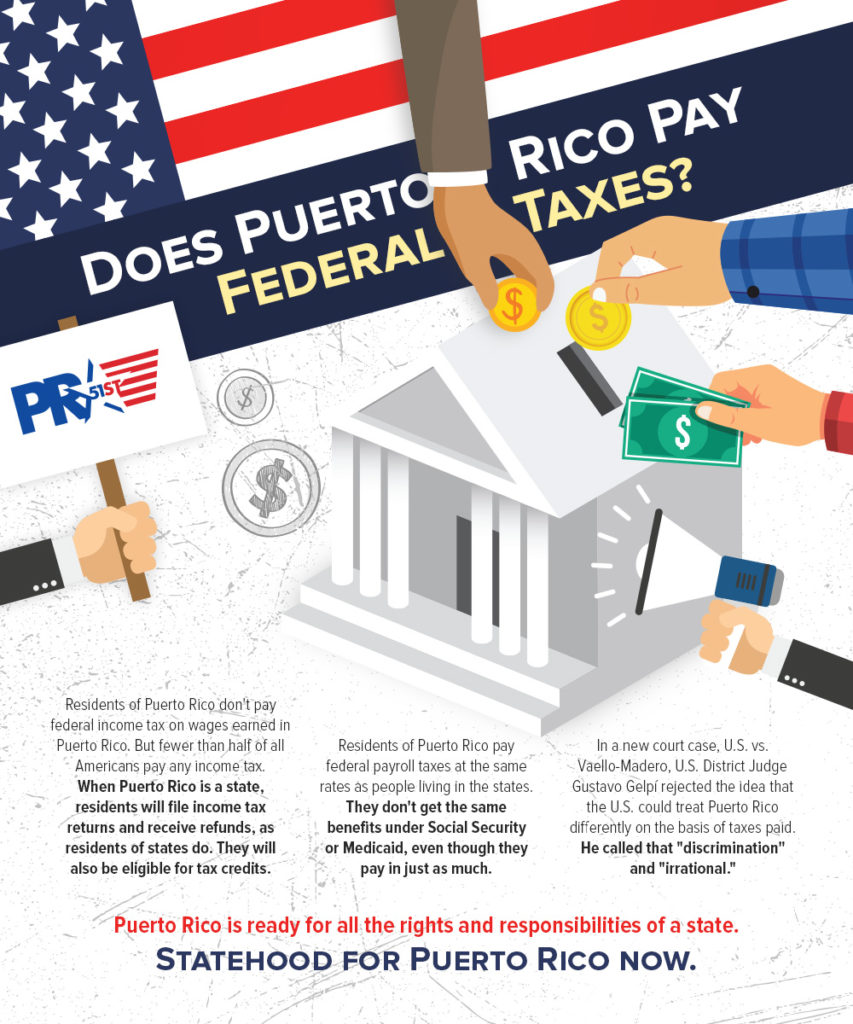
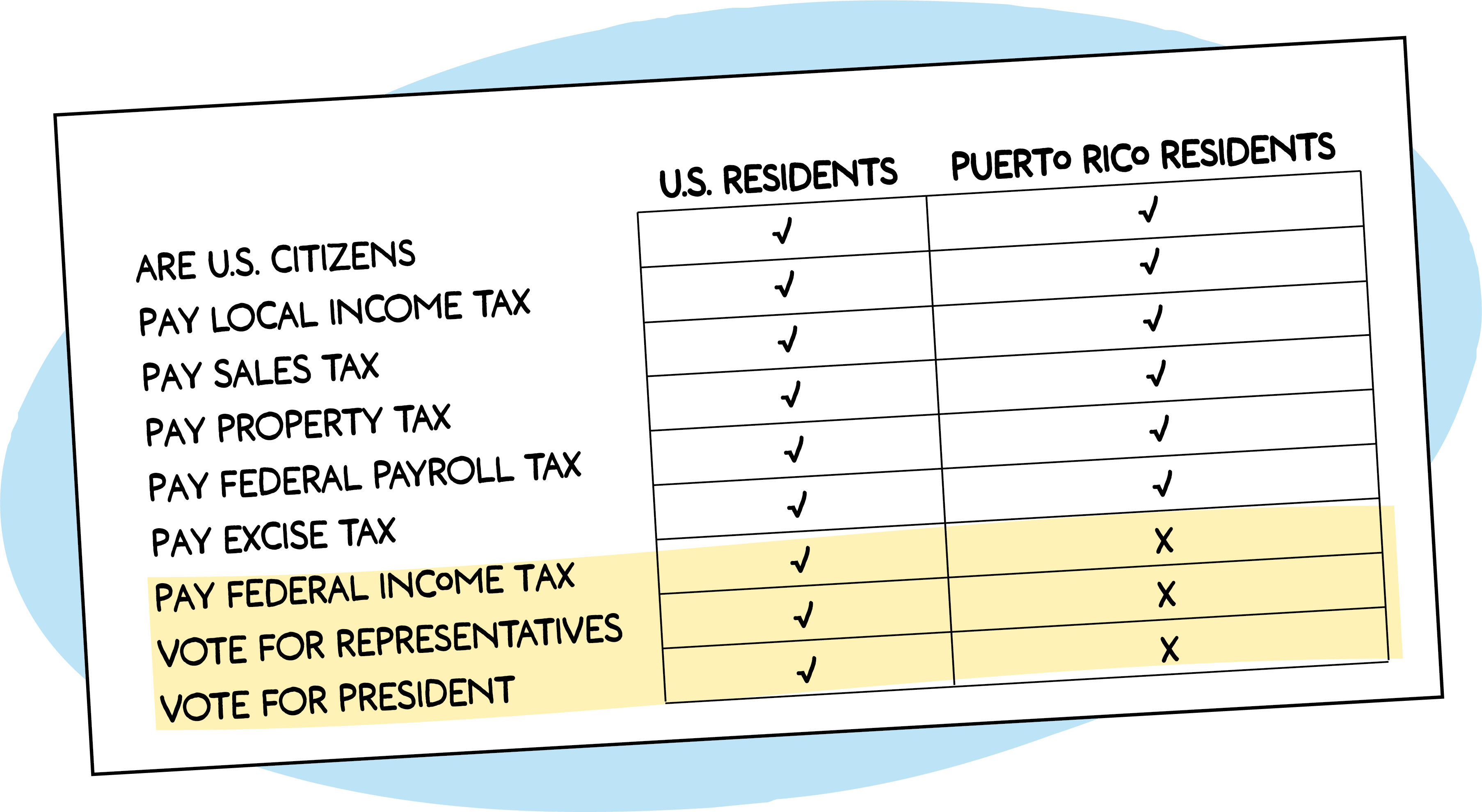
Generally, residents of Puerto Rico do not pay U.S. federal income taxes on income earned within Puerto Rico. This principle is enshrined in Section 933 of the Internal Revenue Code. This exemption is a cornerstone of Puerto Rico’s economic policy and has historically been used as an incentive for businesses to operate on the island. For visitors, this means that their personal income earned from sources outside of Puerto Rico is subject to U.S. federal income tax if they are U.S. citizens residing in the U.S. mainland, but income generated solely within Puerto Rico by a Puerto Rico resident is typically exempt.
Federal Taxes Paid in Puerto Rico: A Partial Picture
While residents generally do not pay federal income taxes on income earned locally, this does not mean Puerto Rico is entirely exempt from all federal tax contributions. Several key federal taxes are indeed collected and remitted by the U.S. government from Puerto Rico. This often leads to confusion, as the public perception can be that the island contributes nothing to the federal coffers.
Social Security and Medicare Contributions
One of the most significant areas where Puerto Rico contributes is through Social Security and Medicare taxes. Employees and employers in Puerto Rico pay into these programs just as they do in the U.S. mainland. These contributions are essential for funding retirement, disability, and healthcare benefits for U.S. citizens, including those in Puerto Rico who are eligible. While residents of Puerto Rico are U.S. citizens, their access to certain federal benefits, like Supplemental Security Income (SSI), can differ from those on the mainland, which is partly a consequence of the territory’s fiscal relationship with the U.S. government.
Other Federal Taxes
Beyond Social Security and Medicare, other federal taxes are collected in Puerto Rico. These include:
- Federal Excise Taxes: Taxes on specific goods and services, such as alcohol, tobacco, and aviation fuel, are collected.
- Customs Duties: While Puerto Rico has some autonomy in its customs regulations, certain federal customs duties apply, particularly on goods imported from foreign countries.
- Federal Payroll Taxes: Beyond Social Security and Medicare, employers and employees also contribute to federal unemployment taxes.
It is important to note that certain federal taxes, such as those related to imports from the U.S. mainland, are often not applicable or are structured differently due to Puerto Rico’s status. This can sometimes lead to price discrepancies for goods compared to those sold in the U.S. states.

Economic Implications and Tourism Considerations
The tax structure in Puerto Rico has profound implications for its economy and, by extension, for the experience of tourists visiting the island. The exemption from federal income tax for locally earned income has been a significant factor in attracting businesses, particularly in the manufacturing and pharmaceutical sectors. This has historically shaped the island’s economic landscape and employment opportunities.
Section 936 and its Legacy
For decades, Section 936 of the Internal Revenue Code provided substantial tax incentives for U.S. companies operating in Puerto Rico. This provision allowed U.S. corporations to receive significant tax credits on income generated by their Puerto Rico subsidiaries. While Section 936 was phased out by Congress at the end of 1995, its legacy continues to influence the economic structure of the island. The subsequent shift towards other incentive programs and the ongoing debate about economic development strategies highlight the evolving fiscal relationship.
Impact on Local Businesses and Pricing
The unique tax environment can influence the cost of goods and services for both residents and tourists. While some goods might be more expensive due to import duties or different tax structures, the absence of federal income tax for local businesses can potentially translate into competitive pricing for certain services. For travelers, this can mean that while some imported items might carry a higher price tag, locally sourced products and services can offer good value.
Tourism Development and Investment
Understanding the tax framework is also crucial for investors in the tourism sector, from large hotel chains to small boutique inns. The U.S. government’s policies, including tax incentives for businesses operating in Puerto Rico, can play a role in the development of new resorts, attractions, and infrastructure that ultimately enhance the tourist experience. The presence of well-established brands like the Caribe Hilton and the ongoing development of new properties are partly shaped by the economic incentives available.
Navigating Tax Rules for Visitors and Business Owners
For individuals visiting Puerto Rico, the tax implications are generally minimal. As U.S. citizens or residents visiting from the mainland, they continue to be subject to their usual U.S. federal income tax obligations on income earned outside of Puerto Rico. Spending money within Puerto Rico does not typically trigger any additional federal tax liability for the tourist.
However, for those considering establishing a business or working in Puerto Rico, a thorough understanding of the tax laws is paramount.
Personal Income for Non-Residents
If a U.S. citizen who is a resident of a U.S. state spends a significant amount of time in Puerto Rico, they may eventually establish residency there. This can lead to a change in their tax obligations, potentially exempting income earned within Puerto Rico from U.S. federal income tax. This is a complex area, and individuals should consult with tax professionals to understand the specific requirements and implications of establishing residency in Puerto Rico.
Business Operations and Incentives
Businesses looking to operate in Puerto Rico can benefit from various incentives, often spearheaded by the Puerto Rico government rather than federal tax exemptions, though federal laws play a background role. The Puerto Rico government offers attractive tax incentives for manufacturing, export services, tourism, and agriculture. These can include significantly reduced corporate income tax rates and property tax exemptions. While the federal government does not directly offer these specific territorial incentives, its broader economic policies and the unincorporated territory status create the environment in which such local incentives can be offered. For instance, the U.S. federal government has, through various legislative acts, provided frameworks that allow for certain tax benefits to be extended by the Puerto Rico government to businesses.
Conclusion: A Unique Fiscal Landscape
In summary, the answer to “Does Puerto Rico Pay Federal Taxes To The United States?” is a qualified yes. Residents of Puerto Rico do not pay U.S. federal income taxes on income earned within the island. However, they do contribute to federal programs through Social Security and Medicare taxes, as well as certain federal excise and customs duties. This distinct fiscal arrangement is a direct consequence of Puerto Rico’s status as an unincorporated territory, a status that has shaped its economy, development, and its relationship with the U.S. mainland for over a century. For travelers, this understanding adds a layer of appreciation for the island’s unique economic fabric, which influences everything from local businesses to the development of world-class resorts like the Dorado Beach, a Ritz-Carlton Reserve. The island’s tax structure, while complex, is a vital component of its identity and its ongoing pursuit of economic self-sufficiency and prosperity.
LifeOutOfTheBox is a participant in the Amazon Services LLC Associates Program, an affiliate advertising program designed to provide a means for sites to earn advertising fees by advertising and linking to Amazon.com. Amazon, the Amazon logo, AmazonSupply, and the AmazonSupply logo are trademarks of Amazon.com, Inc. or its affiliates. As an Amazon Associate we earn affiliate commissions from qualifying purchases.