
Planning Your Epic Northern California Road Trip
The allure of ancient, towering redwood trees draws travelers from across the globe to Redwood National and State Parks. For those embarking on a journey from the vibrant cityscape of San Francisco, a crucial question arises: how far is this majestic natural wonder? The answer, while seemingly simple, opens the door to a diverse range of travel experiences, from a swift drive to a more leisurely exploration of California’s stunning northern coastline. Understanding the distance is the first step in crafting an unforgettable road trip, allowing for ample time to savor the scenic vistas, charming towns, and, of course, the awe-inspiring giants of the forest.

This guide will delve into the various routes, travel times, and considerations for reaching Redwood National Park from San Francisco, equipping you with the knowledge to plan your adventure efficiently and enjoyably. Whether you’re seeking a direct path to immerse yourself in the towering canopy or envisioning a multi-day exploration of the region, we’ll provide the essential details to make your journey seamless.
The Direct Route: Driving Distances and Times
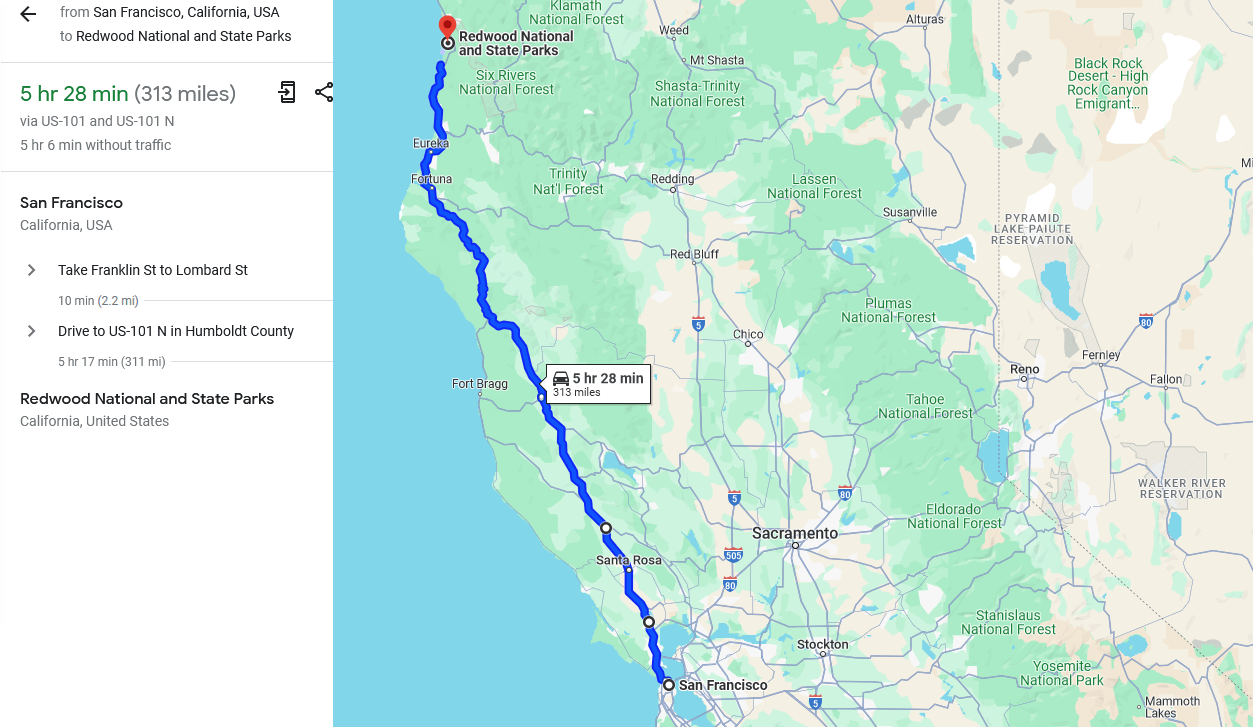
The most common and straightforward way to travel from San Francisco to Redwood National Park is by car. The primary route, largely following U.S. Highway 101 North, offers a blend of coastal beauty and inland landscapes.
Route Overview
- Distance: Approximately 280 to 320 miles, depending on your exact starting point in San Francisco and your chosen entrance into Redwood National and State Parks. The park itself is a collection of separate but interconnected areas managed jointly.
- Estimated Driving Time: Without significant stops, the drive typically takes between 4.5 to 5.5 hours. However, this is a conservative estimate that doesn’t account for traffic, especially when leaving the San Francisco Bay Area, or for the many opportunities to pull over and soak in the scenery.
Key Segments of the Drive
- San Francisco to the North Bay: Your journey begins by crossing the iconic Golden Gate Bridge, offering breathtaking views of the city and the Pacific Ocean. You’ll then proceed north on U.S. Highway 101. This initial stretch can encounter significant traffic, particularly during peak commuting hours or on weekends.
- North Bay to Eureka/Arcata: As you head further north, the landscape transitions from urban sprawl to rolling hills and eventually to more rugged coastal terrain. Towns like Santa Rosa and Ukiah offer convenient stopping points for fuel, food, or a brief respite. The drive through the Russian River Valley wine region is particularly scenic.
- Approaching Redwood Country: The true grandeur begins to unfold as you enter the southern reaches of Humboldt County. Towns like Garberville mark your entry into redwood territory. The highway becomes more winding, and the trees start to loom larger.
- Entering Redwood National and State Parks: The park boundaries are not a single, clearly defined gate but rather a collection of visitor centers and designated areas. Major gateway towns to the park system include Arcata and Crescent City. From San Francisco, you’ll likely aim for the southern entrances near Garberville or the central areas around Orick.
Enhancing Your Journey: Scenic Detours and Stops
While the direct route on Highway 101 is efficient, the true magic of traveling from San Francisco to Redwood National Park lies in embracing the journey itself. Consider incorporating some of the following iconic detours to enrich your experience.
The Avenue of the Giants
- What it is: A stunning 31-mile scenic byway that parallels U.S. Highway 101, Old U.S. 101, nestled within the heart of the southern redwood groves. It was once the main highway before the newer 101 bypass was built.
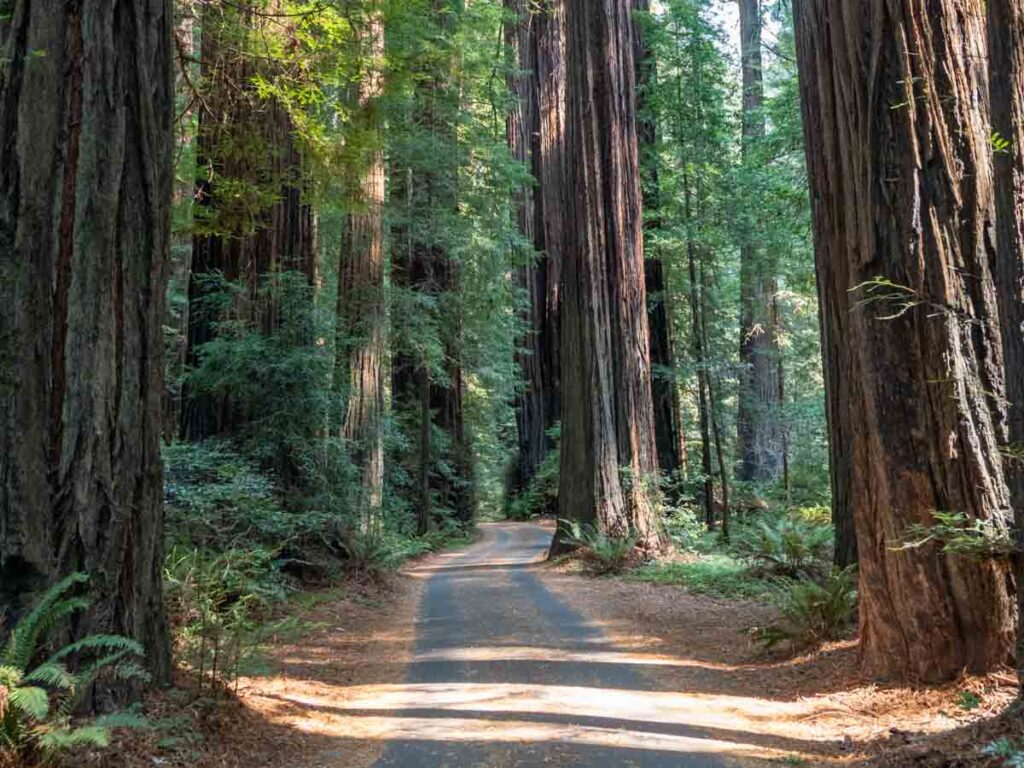
- Why visit: This route is an absolute must for any redwood enthusiast. It meanders through cathedral-like stands of old-growth redwoods, offering numerous pull-offs, short hiking trails, and opportunities to walk among giants. You’ll pass by attractions like the Chandelier Drive-Thru Tree and the “Immortal Tree.”
- Integration: You can access the Avenue of the Giants from Highway 101 near Garberville. It’s best enjoyed at a slow pace, allowing for plenty of stops. Plan for at least 2-3 hours to fully appreciate its beauty.
Coastal Drive: Highway 1
- What it is: For those with more time and a penchant for dramatic coastal scenery, a portion of the legendary California State Route 1 can be incorporated into your journey.
- Why visit: While Highway 1 doesn’t directly lead to Redwood National Park from San Francisco without significant backtracking or a very circuitous route, it offers unparalleled ocean views and access to charming coastal towns. You could potentially drive north on Highway 1 from San Francisco to a point like Bodega Bay or even Mendocino before cutting inland to connect with Highway 101.
- Considerations: This route will significantly increase your travel time. Driving Highway 1 from San Francisco to a point where you can logically rejoin Highway 101 North towards the redwoods might add a full day or more to your trip. It’s a trade-off between time and the spectacular, albeit slower, coastal experience.
Charming Towns and Agricultural Hubs
- Sonoma and Napa Valley: If you depart San Francisco early, you could take a slight detour through these world-renowned wine regions for a quick breakfast or wine tasting before heading north on Highway 101.
- Petaluma: A historic city with a well-preserved downtown, offering a glimpse into California’s agricultural past.
- Fort Bragg and Mendocino: If opting for a coastal route (Highway 1), these picturesque towns are worth exploring for their unique arts scene, dramatic cliffs, and maritime history.
Making the Most of Your Redwoods Experience
Once you’ve arrived in the vicinity of Redwood National and State Parks, the journey from San Francisco becomes a gateway to a world of natural wonder. To fully immerse yourself in this unique environment, consider the following.
Planning Your Park Itinerary
Redwood National and State Parks is not a single monolithic park but a collection of parks managed by the National Park Service and the California Department of Parks and Recreation. This includes Redwood National Park and Jedediah Smith, Del Norte Coast, and Prairie Creek Redwoods State Parks.
- Visitor Centers: Begin your exploration at one of the park’s visitor centers. The Thomas H. Kuchel Visitor Center near Orick and the Jedediah Smith Campground Visitor Center near Crescent City are excellent starting points for maps, information on ranger programs, and exhibits about the park’s natural and cultural history.
- Key Areas: Prioritize areas based on your interests.
- Prairie Creek Redwoods State Park: Famous for its scenic drive through Fern Canyon and its herds of Roosevelt elk.
- Jedediah Smith Redwoods State Park: Home to Stout Grove, often considered one of the most beautiful redwood groves.
- Del Norte Coast Redwoods State Park: Offers dramatic coastline and old-growth forests.
- Redwood National Park (National Park Service managed lands): Includes areas like the Lady Bird Johnson Grove and Tall Trees Grove (requires a permit for vehicle access).
Accommodation Options Near the Parks
While camping within the parks is an option, numerous towns surrounding Redwood National and State Parks offer a range of lodging to suit different budgets and preferences.
- Eureka and Arcata: These larger towns, located about an hour to 1.5 hours south of the main redwood groves, provide the most extensive selection of hotels, motels, vacation rentals, and dining options. They offer a good base for exploring the southern and central parts of the park system.
- Trinidad: A charming coastal village north of Arcata, offering a more intimate lodging experience with boutique hotels and charming inns.
- Crescent City: Situated at the northern end of the park system, this town provides access to Jedediah Smith Redwoods State Park and the coastal areas of Del Norte County. It has a range of motels and hotels.
- Smaller Communities: Look for smaller lodging options in communities like Orick or Klamath for a more secluded experience, though options are more limited.
Travel Considerations and Best Times to Visit
- Time of Year: Summer (June-August) offers the most reliable weather, with sunny days and minimal rain, but also brings the largest crowds. Spring (April-May) and Fall (September-October) are excellent alternatives, offering pleasant weather, fewer visitors, and beautiful foliage. Winter can be rainy and cool but offers a serene, mist-shrouded redwood experience.
- Vehicle: A standard vehicle is sufficient for most park roads. However, some unpaved or rougher roads within the parks might be better suited for higher-clearance vehicles or SUVs. Always check road conditions with park rangers.
- Reservations: For popular times, especially during summer, booking accommodation and campground sites well in advance is highly recommended.
- Cell Service: Be prepared for limited to no cell phone service in many areas of the park. Download offline maps and essential information before you leave.
In conclusion, the distance from San Francisco to Redwood National Park is more than just a number of miles; it’s an invitation to embark on a journey through some of California’s most captivating landscapes. Whether you choose a direct route or a more scenic exploration, the reward is an unforgettable encounter with the ancient giants of the forest.
LifeOutOfTheBox is a participant in the Amazon Services LLC Associates Program, an affiliate advertising program designed to provide a means for sites to earn advertising fees by advertising and linking to Amazon.com. Amazon, the Amazon logo, AmazonSupply, and the AmazonSupply logo are trademarks of Amazon.com, Inc. or its affiliates. As an Amazon Associate we earn affiliate commissions from qualifying purchases.