
Understanding Puerto Rico’s Geographic Footprint
When considering a travel destination, understanding its scale is often a helpful starting point. For those planning a visit to Puerto Rico, a common point of curiosity is its size, particularly when juxtaposed with the familiar context of a U.S. state. While Puerto Rico is a U.S. territory, its landmass presents a unique perspective when compared to the vast diversity of the 50 states. This exploration aims to provide a clear understanding of Puerto Rico‘s dimensions, offering valuable context for travelers to visualize the island’s geography and plan their adventures more effectively.
Island Dimensions: A Snapshot
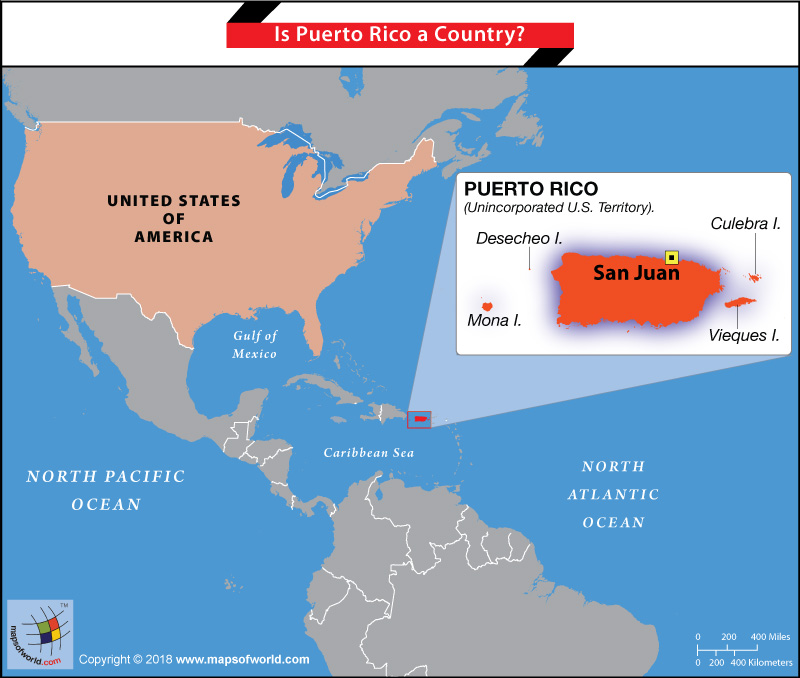
Puerto Rico, often referred to as the “Island of Enchantment,” is situated in the northeastern Caribbean Sea. Geographically, it is the smallest of the Greater Antilles, a chain of islands that includes Cuba, Hispaniola (comprising Haiti and the Dominican Republic), and Jamaica. The island’s total land area is approximately 3,515 square miles (9,094 square kilometers). This figure encompasses the main island and several smaller islands, including Vieques, Culebra, and Mona.
To put this into perspective, the island is roughly 110 miles (177 kilometers) long and 35 miles (56 kilometers) wide at its widest points. This relatively compact size contributes to the ease of exploring different regions of the island within a single trip. Traveling from the bustling capital city of San Juan on the north coast to the rugged beauty of the southern coast, for instance, is a manageable drive, allowing travelers to experience diverse landscapes without extensive travel times.
Comparing Puerto Rico to U.S. States: A Matter of Scale
The comparison of Puerto Rico‘s size to U.S. states reveals that it is considerably smaller than most. To illustrate this, let’s consider a few examples:
-
Rhode Island: The smallest U.S. state by area, Rhode Island, covers approximately 1,545 square miles (4,001 square kilometers). In this comparison, Puerto Rico is more than twice the size of Rhode Island. This means that if Puerto Rico were a state, it would be larger than the smallest state.
-
Delaware: The second smallest state, Delaware, has an area of about 1,954 square miles (5,060 square kilometers). Puerto Rico significantly surpasses Delaware in size, being roughly 1.8 times larger.
-
Connecticut: This New England state is approximately 5,543 square miles (14,357 square kilometers). Puerto Rico is smaller than Connecticut, with Connecticut being about 1.5 times the size of the island.
-
New Jersey: Known for its dense population and varied geography, New Jersey spans about 8,723 square miles (22,591 square kilometers). Puerto Rico is slightly smaller than New Jersey.
-
Massachusetts: A larger state in the Northeast, Massachusetts covers approximately 10,554 square miles (27,336 square kilometers). Puerto Rico is less than half the size of Massachusetts.
-
Hawaii: The island state of Hawaii, which is also an archipelago, has a land area of about 10,931 square miles (28,311 square kilometers). Puerto Rico is considerably smaller than the state of Hawaii.
These comparisons highlight that Puerto Rico falls within the range of the smaller to mid-sized states in the U.S. It is larger than the two smallest states, Rhode Island and Delaware, and comparable in size to some of the more compact Northeastern states.
Implications for Travel and Exploration
Understanding Puerto Rico‘s size has direct implications for how travelers can experience the island. Its dimensions make it an ideal destination for those who appreciate the ability to cover significant ground without feeling overwhelmed by vast distances.
Efficient Itinerary Planning
For a typical vacation of one to two weeks, Puerto Rico offers a remarkable diversity of experiences that can be comfortably integrated into a single itinerary. Consider these possibilities:
-
Coastal Exploration: Spend a few days in the historic allure of Old San Juan, exploring its cobblestone streets, colorful colonial architecture, and impressive fortresses like Castillo San Felipe del Morro and Castillo San Cristóbal. From there, venture to the vibrant beaches of the north coast, such as those near Luquillo, or the surfing mecca of Rincón on the west coast.
-
Southern Charm and Natural Wonders: Travel south to experience the laid-back atmosphere of towns like Ponce, often called “The Pearl of the South,” known for its distinctive architecture and rich cultural heritage. Further exploration could lead to the Guánica Dry Forest, a unique ecosystem offering hiking trails and birdwatching opportunities, or the dramatic cliffs and bioluminescent bays of the southwestern coast.
-
Mountain Retreats: Ascend into the central mountains, known as the Cordillera Central, where the air is cooler and the landscapes are lush and verdant. The town of Jayuya offers a glimpse into Taino heritage, while the peaks provide stunning vistas. The famous El Yunque National Forest, the only tropical rainforest in the U.S. National Forest System, is a must-visit for nature enthusiasts, showcasing the island’s biodiversity.
The relatively short travel times between these diverse regions allow for a dynamic travel experience. Driving from San Juan to Ponce, for example, takes approximately 1.5 to 2 hours, while reaching Rincón from the capital is about a 2-hour journey. This efficiency means that travelers can dedicate more time to experiencing attractions and less time to transit.
Accessibility and Connectivity
The compact nature of Puerto Rico also contributes to its accessibility. The primary international airport, Luis Muñoz Marín International Airport (SJU), located near San Juan, serves as the main gateway for most international visitors. Once on the island, a network of well-maintained roads connects major cities and tourist destinations. Rental cars are readily available, offering the freedom to explore at one’s own pace. Alternatively, taxis, ride-sharing services, and organized tours provide convenient options for getting around, especially within urban areas or for specific excursions.
A World Within Reach
While Puerto Rico is smaller than most U.S. states, its geographic diversity is immense. Within its approximately 3,515 square miles, travelers can find:
- Beaches: From the golden sands of the north coast to the dramatic shores of the west and the tranquil coves of the south, Puerto Rico boasts over 300 miles of coastline.
-
Mountains: The central mountain range offers cooler climates, coffee plantations, and hiking trails with breathtaking views.
-
Rainforests: The verdant expanse of El Yunque National Forest is a vital ecological treasure.
-
Historic Cities: Old San Juan, a UNESCO World Heritage site, transports visitors back in time with its Spanish colonial architecture and fortifications.
-
Bioluminescent Bays: Puerto Rico is home to some of the world’s most vibrant bioluminescent bays, including Mosquito Bay on Vieques.
The island’s manageable size, coupled with its incredible variety of landscapes and cultural experiences, makes it an exceptionally appealing destination for travelers seeking a rich and diverse vacation without the logistical challenges often associated with exploring much larger landmasses. It offers a concentrated dose of Caribbean charm, history, and natural beauty, all within a relatively compact and easily navigable territory.
Beyond Land Area: Understanding Island Geography
When discussing the size of Puerto Rico, it’s also important to consider its topographic features, which significantly influence the travel experience. The island is characterized by a central mountain range, coastal plains, and river valleys.
Topographical Diversity
The Cordillera Central runs diagonally across the island, reaching its highest point at Cerro de Punta, which stands at 4,390 feet (1,338 meters). These mountains act as a natural divider, influencing climate patterns and creating distinct microclimates. The northern slopes tend to be wetter and more tropical, supporting lush vegetation like that found in El Yunque National Forest, while the southern coast can be drier.
The coastal areas are the most populated and developed, featuring beautiful beaches, bustling cities like San Juan, and important ports. The interior, particularly the mountainous regions, offers a more rural and serene escape, dotted with small towns, coffee plantations, and agricultural lands. This dramatic variation in elevation and landscape within a small geographic area is a defining characteristic of Puerto Rico.
Impact on Activities and Accommodation
This topographical diversity directly impacts the range of activities available and the types of accommodations one might choose.
-
Adventure Seekers: For those interested in hiking, ziplining, or exploring caves, the mountainous interior and El Yunque National Forest provide ample opportunities. Eco-lodges and smaller guesthouses are often found in these more remote, natural settings.
-
Beach Enthusiasts: The extensive coastline offers everything from lively resort areas with a wide array of hotels and villas to secluded stretches of sand perfect for relaxation. Popular beach destinations include Isla Verde near San Juan, the surf breaks of Rincón, and the tranquil waters of Luquillo beach.
-
Cultural Explorers: Cities like San Juan and Ponce offer a wealth of historical sites, museums, and vibrant cultural districts. The accommodations here range from luxury hotels and boutique inns in historic buildings to modern apartment rentals.
The interrelation of geography and activities means that a traveler can experience a rainforest hike in the morning and be relaxing on a beach by the afternoon, all within a reasonable driving distance. This compactness, far from being a limitation, enhances the richness and variety of a Puerto Rico vacation.
Visualizing Size: Analogy and Perspective
To truly grasp the size of Puerto Rico in relation to a U.S. state, visualizing it superimposed on a map can be incredibly helpful. While a direct overlay is impossible due to differing shapes and geographical contexts, conceptual analogies can provide a clearer picture.
Superimposing Puerto Rico on a State
Imagine taking the island of Puerto Rico and placing it on a map of a state like Florida. Puerto Rico would fit comfortably within the state of Florida, occupying a fraction of its total area. Florida is about 65,758 square miles, making Puerto Rico less than 6% of its size.
Alternatively, if we were to place Puerto Rico on a map of a smaller state like Massachusetts (10,554 sq mi), the island would cover a significant portion, but still leave substantial areas of the state unexplored. It’s roughly one-third the size of Massachusetts.
On a map of Rhode Island (1,545 sq mi), Puerto Rico would completely dwarf the state, being more than double its size. This gives a clear sense that Puerto Rico is not a tiny island in the grand scheme of U.S. geography but rather a substantial landmass with its own unique scale.

What This Means for Travelers
This understanding of scale is crucial for setting realistic expectations and planning an enriching travel experience. Travelers can anticipate:
-
Comprehensive Exploration: A two-week trip allows for in-depth exploration of multiple regions of Puerto Rico, from the historic streets of Old San Juan to the natural wonders of the mountains and the diverse coastal areas.
-
Variety of Experiences: The island’s size is perfectly balanced with its immense natural and cultural diversity. You can easily experience a tropical rainforest, a historic city, and beautiful beaches, all within relatively short driving distances.
-
Ease of Navigation: The well-developed infrastructure makes it easy to move between different parts of the island. This is a significant advantage compared to exploring a vast state where travel days can consume a substantial portion of a vacation.
In essence, Puerto Rico offers the richness and variety of a larger destination within a more manageable and accessible framework. Its size, when compared to U.S. states, allows for a focused yet comprehensive immersion into its unique Caribbean allure, making it an ideal destination for a memorable and engaging vacation.
LifeOutOfTheBox is a participant in the Amazon Services LLC Associates Program, an affiliate advertising program designed to provide a means for sites to earn advertising fees by advertising and linking to Amazon.com. Amazon, the Amazon logo, AmazonSupply, and the AmazonSupply logo are trademarks of Amazon.com, Inc. or its affiliates. As an Amazon Associate we earn affiliate commissions from qualifying purchases.