
The allure of Los Angeles, California is undeniable, drawing millions of visitors annually to its sun-drenched shores, iconic landmarks, and vibrant cultural scene. While the city is renowned for its generally pleasant climate, understanding the nuances of its weather is crucial for any traveler planning their itinerary. From the vast expanse of the Pacific Ocean to the inland valleys, microclimates abound, influencing daily temperatures, humidity, and the presence of marine layer fog. This guide delves into the current meteorological conditions in Los Angeles and explores how these factors shape the visitor experience, ensuring you can make the most of your visit to the City of Angels.
Current Weather Conditions and Forecast
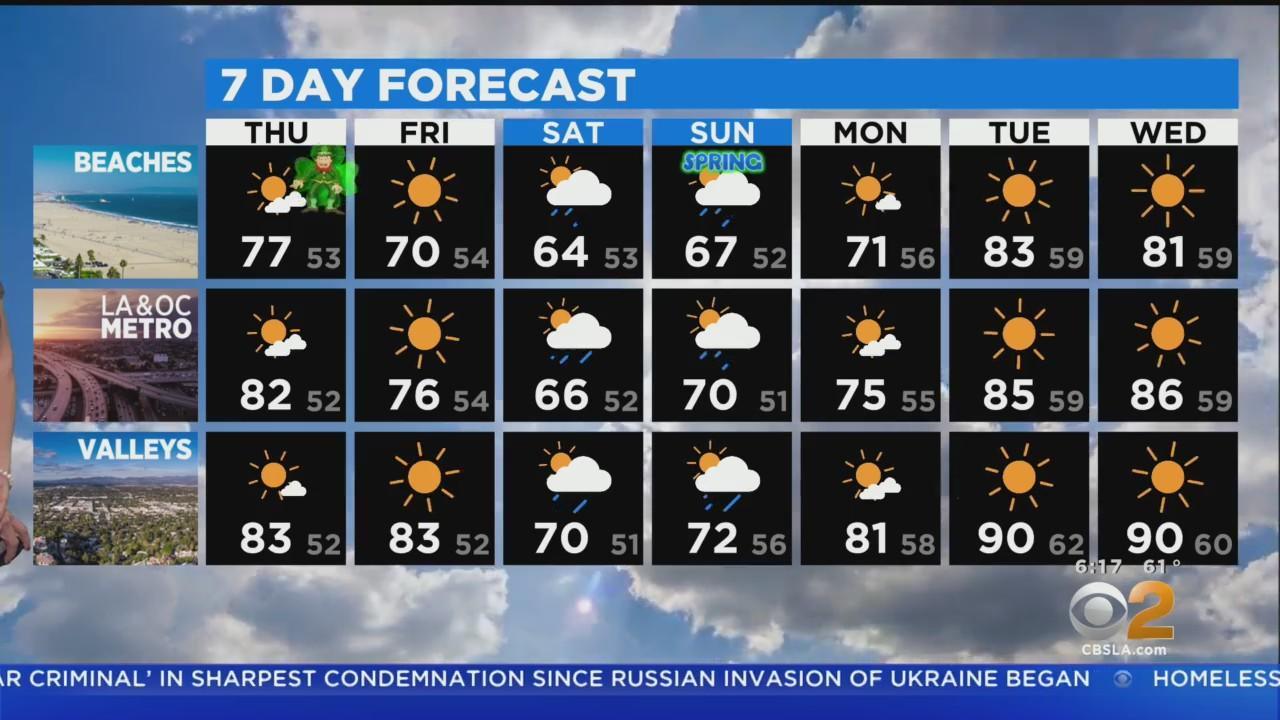
As of today, the weather in Los Angeles, California presents a characteristic Southern California picture. Expect a generally mild and sunny day across most of the metropolitan area. Temperatures are anticipated to range from the low 60s Fahrenheit in the early morning, gradually climbing into the mid-to-upper 70s Fahrenheit by the afternoon in coastal areas. Inland regions, such as the San Fernando Valley, may experience slightly warmer temperatures, potentially reaching into the low 80s Fahrenheit.
Morning Marine Layer
The morning hours in Los Angeles are often characterized by the presence of a marine layer, a blanket of low-lying clouds and fog that rolls in from the Pacific Ocean. This phenomenon is most prevalent during the warmer months of May and June, famously known as “May Gray” and “June Gloom.” While it can obscure coastal views and make for a cooler start to the day, the marine layer typically burns off by late morning or early afternoon, giving way to clear skies and sunshine. Travelers heading to beaches like Santa Monica State Beach or Venice Beach should be prepared for this morning cloud cover, which often dissipates by 10-11 AM.
Afternoon Sunshine and Breeze
Once the marine layer recedes, Los Angeles typically enjoys abundant sunshine throughout the afternoon. The skies will be clear, offering excellent conditions for exploring the city’s numerous attractions. A gentle coastal breeze is common, providing a refreshing counterpoint to the sun’s warmth, particularly in areas closer to the coast. This makes it an ideal time for outdoor activities, from visiting the Griffith Observatory for panoramic city views to strolling through the Getty Center gardens.
Evening and Nighttime Temperatures
As the sun begins to set, temperatures in Los Angeles will gradually decrease. Coastal areas will remain mild, typically settling into the low 60s Fahrenheit, while inland areas might see a more significant drop, potentially reaching the high 50s Fahrenheit. Evenings are generally pleasant and conducive to enjoying Los Angeles’ renowned dining scene or catching an outdoor performance. The humidity remains relatively low throughout the evening, contributing to comfortable nighttime conditions.
Factors Influencing Los Angeles Weather
The weather in Los Angeles, California is a complex interplay of oceanic influences, topography, and prevailing wind patterns. Understanding these factors can provide deeper insight into why the weather behaves as it does on any given day.
The Pacific Ocean’s Moderating Effect
The vast Pacific Ocean exerts a significant moderating influence on the climate of Los Angeles. The cool ocean currents help to keep temperatures from becoming excessively hot, especially in coastal communities. This oceanic effect is responsible for the cool morning marine layer and the consistent, mild temperatures that the region is famous for. Even during summer, when inland deserts can experience extreme heat, the coast remains relatively temperate, often making it the preferred spot for locals and visitors alike.
Topography and Microclimates
Los Angeles County is characterized by diverse topography, ranging from coastal plains and beaches to rolling hills and mountainous regions. This varied landscape gives rise to numerous microclimates. For instance, areas situated at higher elevations in the Santa Monica Mountains might experience cooler temperatures and more pronounced fog than those in the valley floor. Similarly, the proximity to the ocean dictates temperature variations, with areas directly on the coast being cooler than those just a few miles inland. This means that while the general forecast for Los Angeles might indicate a certain temperature, the actual conditions in specific neighborhoods, like Hollywood versus Pasadena, could differ.
Prevailing Winds and Air Quality
Prevailing winds in Los Angeles are predominantly westerly, blowing from the Pacific Ocean inland. These winds are instrumental in bringing the cooling marine layer and can also influence air quality by dispersing pollutants. However, during certain times of the year, particularly in the fall, Santa Ana winds can blow from the northeast, bringing hot, dry air from the desert and increasing the risk of wildfires. While not typically a factor in daily weather forecasts, understanding these wind patterns can help explain occasional shifts in temperature and air quality.
Planning Your Day Based on the Weather
The predictable yet varied climate of Los Angeles, California offers ample opportunities for outdoor exploration, but a bit of weather awareness can significantly enhance your experience.
Morning Activities: Embracing the Cool
If you are an early riser and find yourself in a coastal area, the morning might present a cooler, foggier scene. This is an excellent time for a leisurely stroll along the beach before the crowds arrive, perhaps enjoying a coffee at a seaside cafe in Manhattan Beach. For those interested in a more active start, a hike in the lower elevations of the Santa Monica Mountains can be refreshing, with the cooler air and dappled sunlight creating a pleasant atmosphere. Visiting world-renowned museums like the LACMA or the Petersen Automotive Museum is also ideal during the morning, as you can explore their indoor exhibits before the peak afternoon sun.
Afternoon Adventures: Maximizing the Sunshine
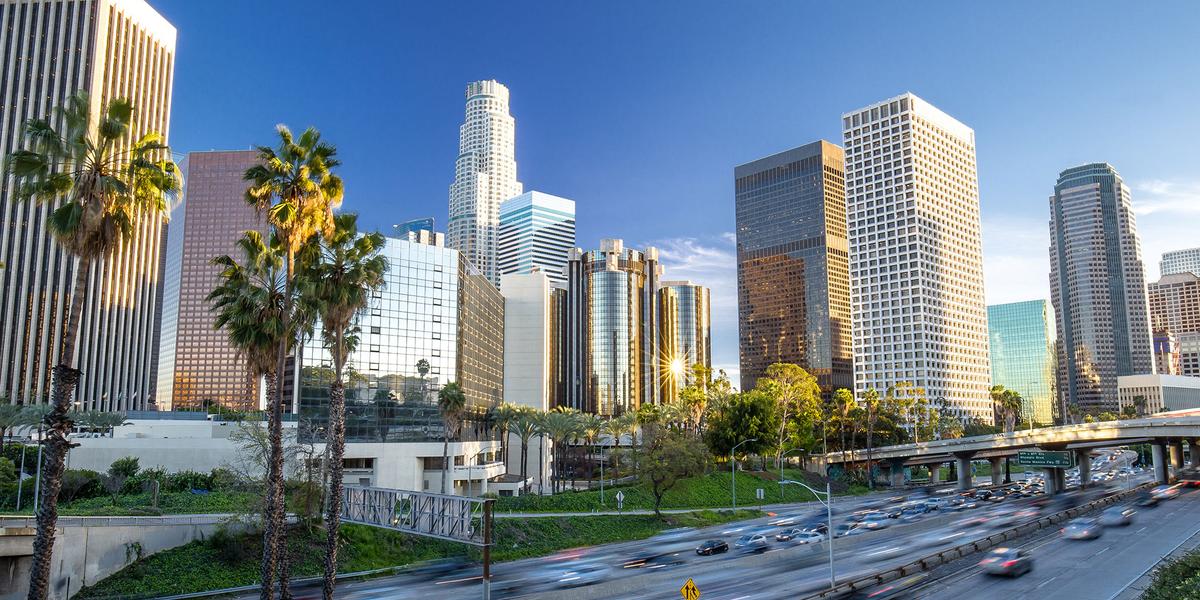
As the marine layer lifts and the sun takes center stage, the afternoon is prime time for iconic Los Angeles experiences. This is the perfect window for exploring the Hollywood Walk of Fame, visiting the Universal Studios Hollywood theme park, or taking a drive along the scenic Mulholland Drive for breathtaking city vistas. Outdoor markets, such as the Original Farmers Market at The Grove, are bustling and vibrant during the afternoon, offering a taste of local life and delicious food options. If your plans include a visit to a theme park or an outdoor performance at the Hollywood Bowl, the afternoon sunshine will certainly enhance the experience.
Evening Elegance: Enjoying the Sunset and Beyond
The evenings in Los Angeles are a magical time. As the sun dips below the horizon, the city lights begin to twinkle, creating a spectacular panorama. Coastal areas offer stunning sunset views, whether from a rooftop bar in Downtown Los Angeles or from a pier like the one at Santa Monica State Beach. The milder evening temperatures are perfect for outdoor dining, from casual taco stands to fine dining restaurants in neighborhoods like Beverly Hills. For those seeking entertainment, catching a concert or a play under the stars is a quintessential Los Angeles experience.
Packing Essentials for Los Angeles Weather
Packing for Los Angeles, California requires a flexible approach, as the weather can vary slightly depending on the season and specific location within the sprawling metropolis. However, a few key items will ensure you are comfortable and prepared for whatever the day brings.
Layers Are Key
The most important advice for packing for Los Angeles is to embrace the concept of layering. Even on a warm day, the mornings and evenings can be cooler, especially near the coast. Pack lightweight, breathable tops that can be easily layered with a cardigan, light jacket, or a stylish denim jacket. This allows you to adjust your clothing throughout the day as temperatures fluctuate.
Sun Protection
Los Angeles is known for its sunshine, so sun protection is paramount. Include a wide-brimmed hat, sunglasses, and high-SPF sunscreen in your travel bag. This is essential for protecting your skin during extended periods spent outdoors, whether you are exploring theme parks, lounging on the beach, or sightseeing.
Comfortable Footwear
You’ll likely be doing a significant amount of walking, whether it’s exploring the Hollywood Walk of Fame, navigating the expansive grounds of an amusement park like Disneyland (located in nearby Anaheim, but a popular day trip), or strolling through the shops and galleries of Melrose Avenue. Comfortable walking shoes, such as stylish sneakers or supportive sandals, are a must. If you plan on hiking in the Santa Monica Mountains, consider bringing appropriate hiking boots.
Beachwear and Evening Attire
Depending on your planned activities, consider packing swimwear for a dip in the Pacific Ocean or a hotel pool. While Los Angeles is generally casual, many restaurants and nightlife venues appreciate a slightly more elevated dress code. A smart casual outfit or two can be useful for dining out or experiencing the city’s vibrant evening entertainment scene.
Seasonal Weather Considerations
While the weather in Los Angeles, California is generally mild year-round, there are subtle seasonal shifts that can impact your travel plans.
Spring (March – May)
Spring brings a refreshing change as the winter rains subside. Temperatures begin to warm, and the city blooms with vibrant wildflowers, especially in the hills. The marine layer is still present, particularly in May, but generally less persistent than in early summer. This is an excellent time to visit for pleasant weather and fewer crowds.
Summer (June – August)
Summers in Los Angeles are warm and sunny. While the coast remains tempered by the ocean breeze, inland areas can experience heatwaves. “June Gloom” can extend into July and August, but typically dissipates by midday. This is peak tourist season, so expect larger crowds and higher prices.
Autumn (September – November)
Autumn is often considered one of the best times to visit Los Angeles. The weather remains warm and sunny, with the humidity typically decreasing. The ocean is at its warmest, making it ideal for swimming. However, this is also the season when Santa Ana winds can occur, bringing hot, dry conditions.

Winter (December – February)
Winter in Los Angeles is mild and characterized by cooler temperatures and occasional rainfall. Snow is rare in the city itself but can be found in the nearby mountains, offering opportunities for skiing. The days are shorter, but there are still plenty of sunny periods. This is generally the least crowded and most affordable time to visit.
LifeOutOfTheBox is a participant in the Amazon Services LLC Associates Program, an affiliate advertising program designed to provide a means for sites to earn advertising fees by advertising and linking to Amazon.com. Amazon, the Amazon logo, AmazonSupply, and the AmazonSupply logo are trademarks of Amazon.com, Inc. or its affiliates. As an Amazon Associate we earn affiliate commissions from qualifying purchases.