
The vast and diverse landscape of Texas is often associated with sprawling ranches, arid deserts, and a dramatic coastline. However, when the topic of natural bodies of water arises, particularly lakes, a common misconception emerges: that the Lone Star State is predominantly home to artificial reservoirs. While Texas does boast an impressive network of man-made lakes, a closer examination reveals a fascinating geological history and a surprising number of genuine, naturally formed lakes scattered across its diverse terrain. Understanding the distinction between natural and artificial lakes is key to appreciating the full aquatic tapestry of Texas.
The Geological Genesis of Texas Lakes
The formation of natural lakes is a geological process that can take millennia, shaped by forces like glacial activity, tectonic shifts, and the erosive power of water. In Texas, the geological history is less influenced by widespread glaciation, which is responsible for many of the large natural lakes found in northern regions of North America. Instead, the natural lakes of Texas are often a result of other significant geological events and processes.
Karst Topography and Sinkholes
One of the most significant contributors to natural lake formation in Texas is the prevalence of karst topography, particularly in the central and southern parts of the state. Karst landscapes are characterized by soluble bedrock, most commonly limestone, which is dissolved by slightly acidic rainwater over extended periods. This dissolution process creates underground cavities, sinkholes, and a complex network of caves. When the roofs of these underground caverns collapse, they can form depressions that fill with surface water, creating natural lakes. The Edwards Aquifer region, for instance, is a prime example of an area where karst features have led to the formation of numerous smaller, natural lake basins.
Oxbow Lakes and River Systems
Along the major river systems of Texas, such as the Trinity River and the Brazos River, another type of natural lake can be found: oxbow lakes. These are crescent-shaped lakes that form when a meander (a loop in a river) becomes cut off from the main river channel. Over time, the river erodes its banks, and sediment deposition can further isolate a section of the meander, transforming it into a distinct lake. While many of these may be relatively small and ephemeral, they are true natural formations, sculpted by the dynamic flow of ancient rivers.
Volcanic Activity and Crater Lakes
While not as common as karst-related lakes, evidence of past volcanic activity in certain regions of Texas has also contributed to the formation of natural lakes. The most striking example is near the Davis Mountains, where ancient volcanic calderas, essentially collapsed volcanic craters, have filled with water to form lakes. These formations are rare but represent a dramatic geological origin for these aquatic environments.
Identifying True Natural Lakes in Texas
Distinguishing between natural and artificial lakes in Texas requires understanding their origins and characteristics. Artificial lakes, or reservoirs, are created by building dams across rivers or streams to impound water. These lakes are often characterized by their elongated shapes, dam structures, and varying water levels depending on management. Natural lakes, on the other hand, are formed by inherent geological processes, and their shapes and sizes are dictated by the natural contours of the land.
Criteria for Natural Lakes
- Geological Origin: The primary criterion is that the lake basin was formed by natural geological processes (karst dissolution, river meandering, volcanic collapse) rather than human-made structures like dams.
- Absence of Dams: Natural lakes do not have dams as their primary means of formation or water containment, although some natural lakes may have natural sills or outlets.
- Natural Shorelines and Features: The surrounding landscape often exhibits features indicative of natural processes, such as sinkholes, karstic formations, or ancient riverbeds.
Notable Natural Lakes and Aquatic Wonders
While the list of truly pristine, large natural lakes is not as extensive as one might find in more glacially influenced regions, Texas is home to several significant natural aquatic features that deserve recognition.

The Enchanted Rock State Natural Area
While not a lake in the traditional sense, the prominent granite dome of Enchanted Rock State Natural Area harbors several small, ephemeral pools on its summit that are formed by rainwater accumulating in depressions on the rock surface. These “plunge pools” or “vernal pools” are fascinating examples of micro-habitats formed by natural processes on an ancient geological formation. These temporary bodies of water are crucial for specialized flora and fauna.
Lake Madeline
Located in the Trans-Pecos region, Lake Madeline is a fascinating example of a playa lake, a type of shallow, ephemeral lake found in arid and semi-arid regions. Playa lakes form in shallow depressions in the landscape and are filled by rainfall and runoff. Their water levels can fluctuate dramatically, and they often become saline due to evaporation. While they may disappear for extended periods, their formation is entirely natural.
Devil’s Sinkhole State Natural Area
This area is a spectacular example of karst topography in action. While Devil’s Sinkhole State Natural Area is primarily known for its massive underground cavern, the surface depression leading to it can hold water, creating a temporary natural lake or pond. The formation of the sinkhole itself is a direct result of limestone dissolution, making any water it holds a product of natural processes.
Caddo Lake
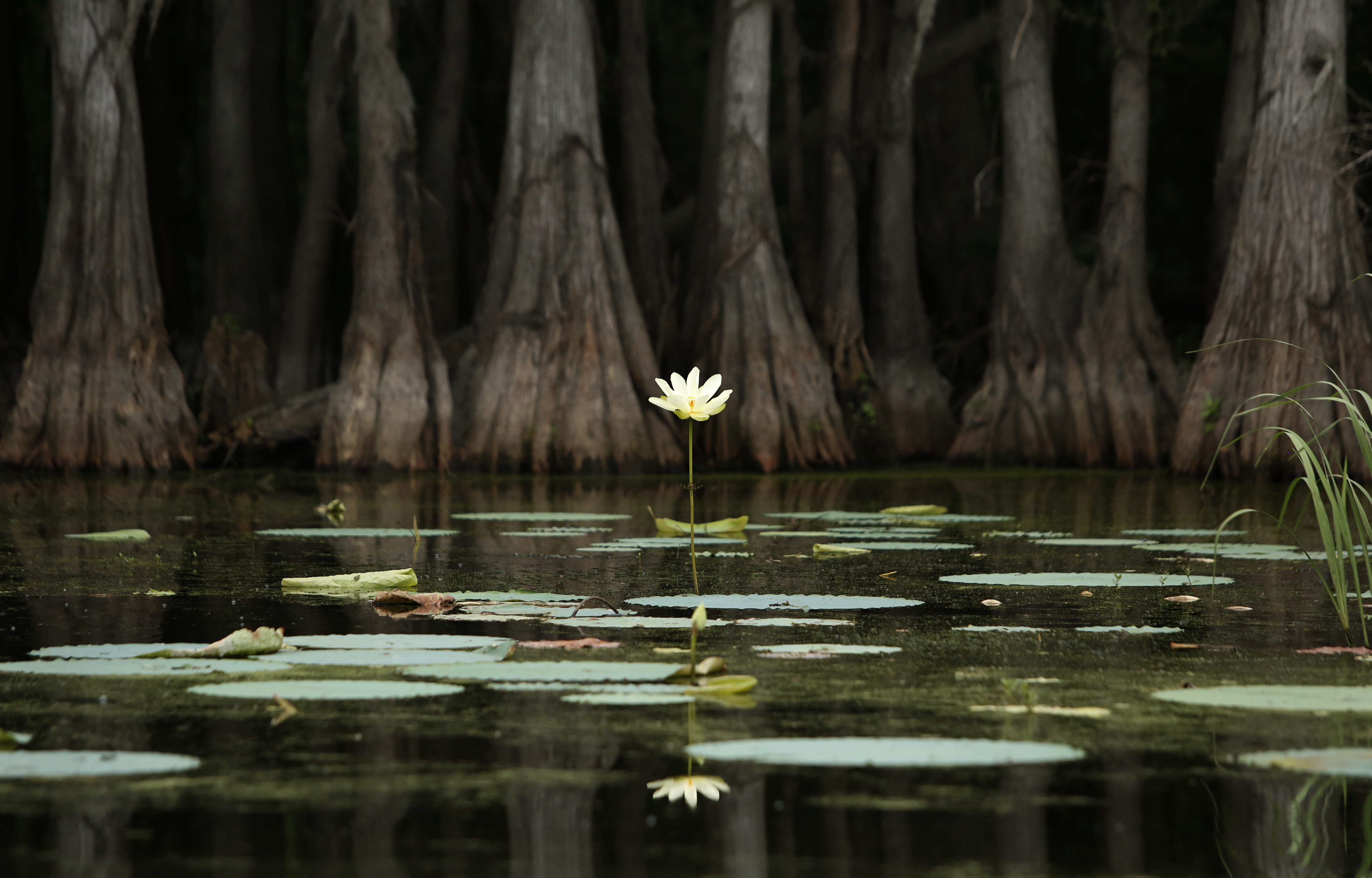
Often cited as the only natural lake in Texas, Caddo Lake is a sprawling, complex wetland system located on the border with Louisiana. Its origins are a subject of some debate among geologists. The prevailing theory suggests that a massive earthquake in 1811-1812 caused a natural dam of fallen trees and debris to form across the Red River, backing up the water and creating the lake. While the initial damming event involved natural debris, the resulting vast, interconnected network of bayous, sloughs, and open water is undeniably a natural aquatic ecosystem, renowned for its moss-draped cypress trees and rich biodiversity. It is the closest Texas has to a large, natural lake in the conventional sense.
Small Playa Lakes and Vernal Pools Across the State
Beyond these prominent examples, numerous smaller natural lakes, often playa lakes and vernal pools, exist across Texas, particularly in the Panhandle and West Texas. These ephemeral water bodies, while not always permanent or large, are vital ecological niches supporting unique plant and animal life adapted to fluctuating water conditions. Their presence underscores the subtle, yet persistent, influence of natural geological processes on the state’s landscape.
The Importance of Natural Lakes
Natural lakes, regardless of their size or permanence, play a crucial role in the ecological health of Texas. They provide essential habitats for a wide array of wildlife, including migratory birds, amphibians, fish, and invertebrates. They also contribute to groundwater recharge, act as natural filters, and help regulate local microclimates. For nature enthusiasts and explorers, these natural water bodies offer unique opportunities for wildlife viewing, birdwatching, and experiencing the untouched beauty of the Texan landscape.
Conservation Efforts
Recognizing their ecological significance, conservation efforts are underway to protect these natural aquatic treasures. This includes preserving surrounding habitats, managing water quality, and educating the public about the importance of these often-overlooked natural features. While artificial reservoirs serve critical human needs for water supply and recreation, the preservation of Texas’s few natural lakes is essential for maintaining biodiversity and appreciating the state’s geological heritage.
Conclusion: A Landscape of Water, Both Ancient and Modern
The question of whether Texas has natural lakes is answered with a resounding, albeit nuanced, yes. While the state is more famous for its man-made reservoirs, the geological history of Texas has sculpted a landscape that includes genuine natural lakes and aquatic systems, from the unique wetland of Caddo Lake to the ephemeral playa lakes of West Texas. These natural wonders, born from the slow, powerful forces of nature, offer a different kind of beauty and ecological value, reminding us that the Lone Star State’s aquatic story is as complex and varied as its vast geography. Exploring these natural water bodies provides a unique connection to the land and its ancient past.
LifeOutOfTheBox is a participant in the Amazon Services LLC Associates Program, an affiliate advertising program designed to provide a means for sites to earn advertising fees by advertising and linking to Amazon.com. Amazon, the Amazon logo, AmazonSupply, and the AmazonSupply logo are trademarks of Amazon.com, Inc. or its affiliates. As an Amazon Associate we earn affiliate commissions from qualifying purchases.