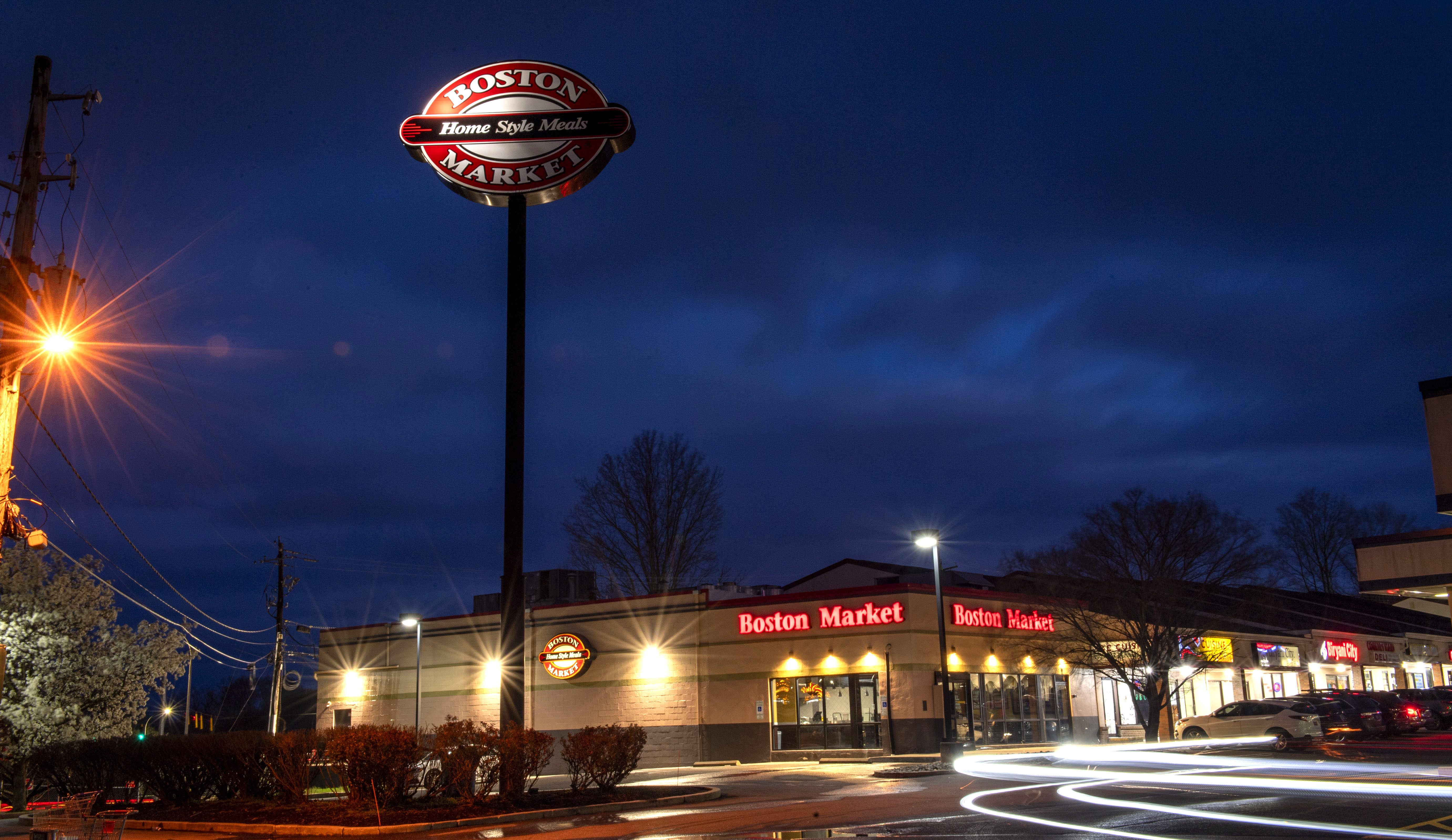
For decades, Boston Market stood as a familiar name in the American casual dining landscape, synonymous with comforting rotisserie chicken, mashed potatoes, and cornbread. It carved out a niche as a healthier, home-style alternative to traditional fast food, offering a taste of Sunday dinner on any given weekday. However, in recent years, whispers have turned into widespread concern, and the question “Did Boston Market go out of business?” has become increasingly common among consumers, travelers, and industry observers alike. The journey of this once-ubiquitous chain reflects broader shifts in the restaurant industry, impacting everything from local economies to how travelers plan their dining experiences.
The answer to whether Boston Market has completely ceased operations is not a simple yes or no. While the company has indeed faced severe financial distress, widespread store closures, and significant legal battles, a handful of locations may still be clinging on, preventing a definitive declaration of total demise for the entire brand. This complex situation provides a fascinating lens through which to examine the intersection of corporate survival, consumer habits, and the ever-evolving world of travel and tourism.
The Shifting Landscape of a Beloved Brand
The story of Boston Market is a quintessential American business narrative: rapid growth, periods of prosperity, and ultimately, a struggle for survival in an unforgiving market. Understanding its trajectory helps contextualize the current uncertainty surrounding its operations.
A Legacy Under Scrutiny: From Rotisserie Chicken to Widespread Closures
Founded in 1985 as Boston Chicken, the chain quickly gained popularity for its focus on wholesome, home-style meals, positioning itself as a healthier option compared to traditional fried chicken establishments. Its rotisserie chicken, along with a range of comforting side dishes, resonated deeply with a public increasingly seeking convenience without sacrificing taste. The company expanded rapidly across the United States, becoming a familiar sight in suburban shopping centers and urban areas alike. Its success led to a name change to Boston Market in the mid-1990s, signaling an expansion beyond just chicken to include turkey, meatloaf, and other American comfort foods.
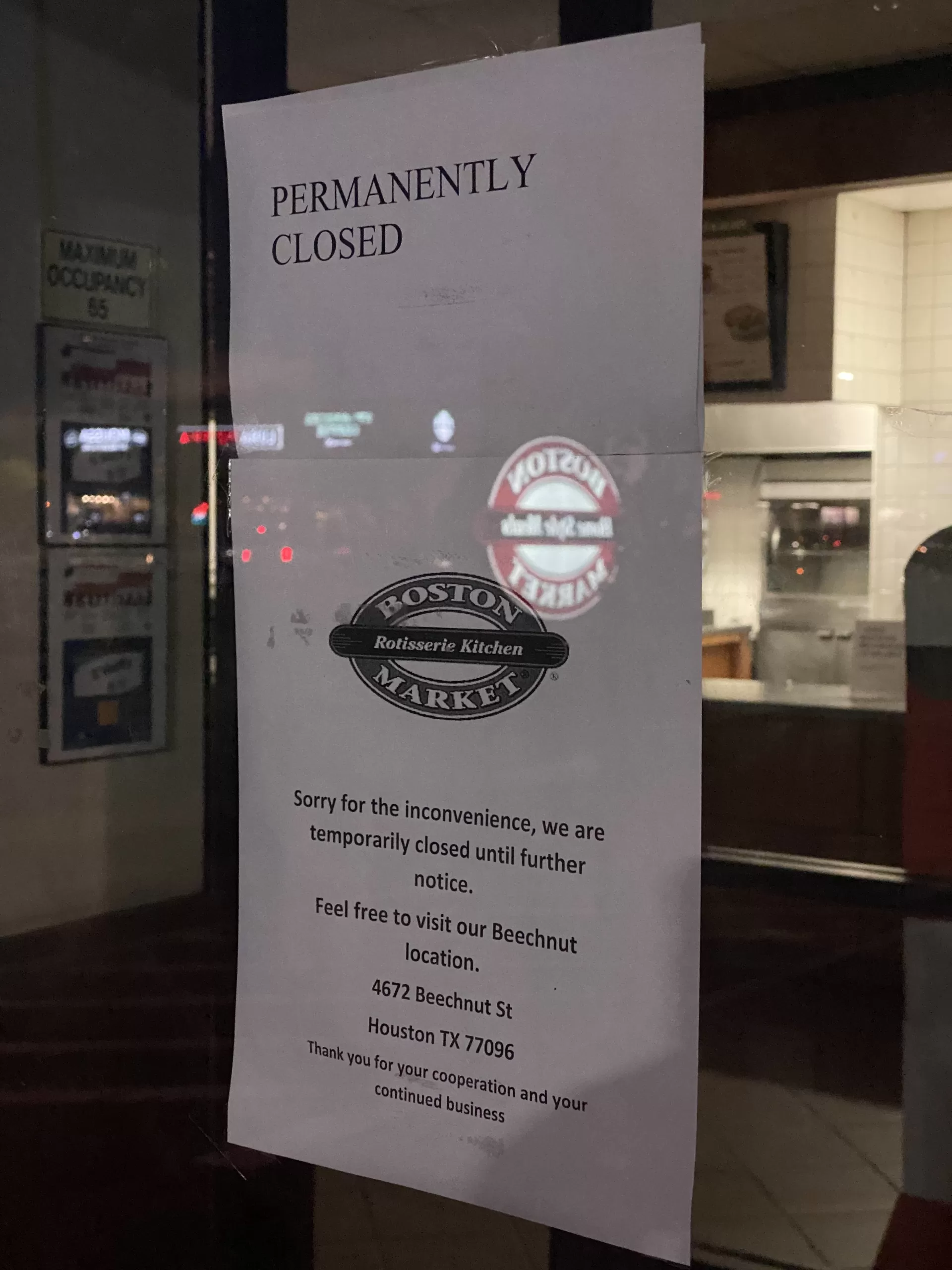
However, rapid expansion came with its own set of challenges, including intense competition from other fast-casual chains that began to emerge and evolve. Over the past few years, these challenges have escalated dramatically. News reports have detailed a cascade of financial difficulties for Boston Market, including allegations of unpaid wages, mounting debts to suppliers, and numerous eviction notices from landlords. States like New Jersey and California, once home to dozens of locations, have seen nearly all their Boston Market restaurants shut their doors permanently. This wave of closures has been so extensive that it has fueled widespread speculation that the entire enterprise has effectively gone out of business.
The brand has changed hands multiple times, a common indicator of a company in flux. Currently, Boston Market is owned by Engage Brands, LLC, a subsidiary of Rohan Group. Despite efforts by new ownership to revitalize the brand, including attempts at menu innovation and operational streamlining, the company has struggled to regain its footing. The legal and financial pressures continue, making the path to a widespread comeback exceptionally challenging. While a few isolated locations might still be operating, particularly those under independent franchise agreements or in specific regions, the overwhelming trend points to a significant contraction of the brand’s footprint, leading many to assume its virtual disappearance from the national dining scene.
The Traveler’s Perspective: Dining, Destinations, and Disappointment
The decline of a national restaurant chain like Boston Market extends beyond corporate boardrooms and impacts the daily lives of consumers, especially those on the move. For a traveler, dining choices are an integral part of the overall journey, influencing everything from budgeting to the cultural experiences sought.
Culinary Experiences and Local Tourism
For many travelers, particularly families or those adhering to a budget travel plan, familiar chains offer a sense of predictability and comfort. Knowing what to expect from a meal, coupled with convenient locations near popular attractions or along major travel routes, can simplify the dining aspect of a trip. The absence of a once-reliable option like Boston Market means these travelers must now seek alternatives, which can sometimes lead to unexpected discoveries but also potential inconveniences.
This shift, however, also presents an exciting opportunity for exploring local culinary scenes, a cornerstone of modern tourism. Instead of defaulting to a chain, travelers are encouraged to delve into the unique food offerings of their chosen destinations. This might mean trying a regional specialty, visiting a local diner, or exploring independent eateries that highlight the distinct local culture. Travel guides and online reviews are increasingly emphasizing these authentic culinary experiences, moving away from generic chain recommendations. The evolving dining landscape thus contributes to a richer, more diverse travel experience, pushing visitors to engage more deeply with the places they explore.
Accommodation Choices and Dining Convenience
The availability of dining options significantly influences accommodation decisions for many travelers. When booking hotels, suites, apartments, or villas, guests often consider the proximity of restaurants, grocery stores, and other conveniences. For guests on a long-term stay or those traveling with children on family trips, having accessible and varied meal choices nearby is paramount.
Hotels and resorts often highlight their in-house dining amenities or provide lists of nearby restaurants to assist their guests. The disappearance of a well-known establishment like Boston Market in an area can alter these recommendations and potentially impact guest satisfaction if alternatives are scarce. Consequently, some travelers might now prioritize accommodation in areas with a greater density of diverse dining options, or choose hotels that offer more comprehensive meal plans or cooking facilities within their suites or apartments. The dynamic nature of the food service industry means that businesses in the accommodation sector must constantly update their local area guides and recommendations to reflect current realities.
Lifestyle Shifts: Budget, Business, and Beyond
Dining choices are deeply intertwined with a traveler’s lifestyle and the purpose of their trip. For those engaged in business stays, efficiency and convenience are key; a quick, reliable meal from a known chain often fits this need perfectly. Similarly, budget travel relies on finding affordable and satisfying meal options. The reduced presence of Boston Market means these segments of travelers must adjust their strategies, perhaps leading to more reliance on fast-casual chains that have successfully adapted, or a greater exploration of local, cost-effective eateries.
Beyond the purely practical, changing consumer preferences have played a significant role in the challenges faced by older chains like Boston Market. Modern consumers, including travelers, often prioritize fresh ingredients, unique flavors, and transparency in sourcing. There’s also a growing inclination to support local businesses and artisanal producers over large corporations. This broader shift in lifestyle has created an environment where brands unable to innovate and adapt quickly struggle to maintain relevance. Whether one is pursuing luxury travel or exploring on a shoestring, the demand for quality, experience-driven food is increasingly universal, pushing even the most established brands to rethink their offerings.
The Future of Casual Dining and the Quest for Relevance
The story of Boston Market’s decline is a cautionary tale, but also a testament to the relentless evolution of the hospitality industry. Its struggles highlight the critical need for businesses to adapt to changing consumer demands and market dynamics.
Adapting to Modern Travel and Culinary Trends
The casual dining sector is in a constant state of flux, driven by technological advancements, shifting demographics, and evolving palates. Successful brands today are those that embrace digital transformation, offering seamless online booking and delivery options, catering to diverse dietary needs, and creating memorable dining experiences. For the modern traveler, dining is no longer just about sustenance; it’s an integral part of the overall journey and an opportunity for cultural immersion.
This means that whether a restaurant is a national chain or a local independent, it must offer more than just basic food. It needs to tell a story, provide a unique ambiance, or deliver exceptional service that makes it stand out. Much like how specific landmarks draw visitors due to their unique architecture or history, dining establishments must cultivate a distinct identity that resonates with contemporary values and tastes. The brands that thrive in this environment are those that prioritize authenticity, innovation, and a genuine connection with their customers.
Beyond Familiarity: Exploring Local Flavors and Experiences
While the challenges faced by Boston Market are significant, the vacuum it leaves also creates opportunities. Local businesses, eager to showcase their unique offerings, can step in to fill the void, enriching the local economy and diversifying dining choices for residents and visitors alike. This aligns perfectly with the growing trend in tourism towards seeking out authentic, regional experiences rather than generic ones.
From farmers’ markets brimming with fresh produce to quaint cafes serving regional specialties, and innovative restaurants pushing culinary boundaries, these local ventures contribute significantly to the appeal of destinations. Travelers are increasingly keen to try unique local food and engage in hands-on activities that reveal the heart of a place. This shift not only supports small businesses but also provides a more profound and memorable travel experience.
In conclusion, while Boston Market’s national presence has drastically diminished and its future remains highly uncertain, a definitive “out of business” declaration for the entire brand might be premature given a scattered few remaining locations. Its struggle, however, serves as a powerful symbol of the dynamic and competitive nature of the hospitality industry. For travelers, this means an evolving landscape of dining options, encouraging a greater exploration of local culture, unique food, and diverse experiences that transcend the familiar. As the world of travel continues to evolve, so too must the culinary adventures that define our journeys.