
Understanding the demographic landscape of Puerto Rico is crucial for anyone planning a visit, engaging in cultural immersion, or simply appreciating the island’s vibrant identity. While the island is a beacon for tourism, its resident population is a dynamic entity, shaped by economic factors, social trends, and historical connections. The question of “how many Puerto Ricans live in Puerto Rico?” is not merely a statistical query; it delves into the heart of the island’s present and future.
Demographic Snapshot: Population Figures and Trends
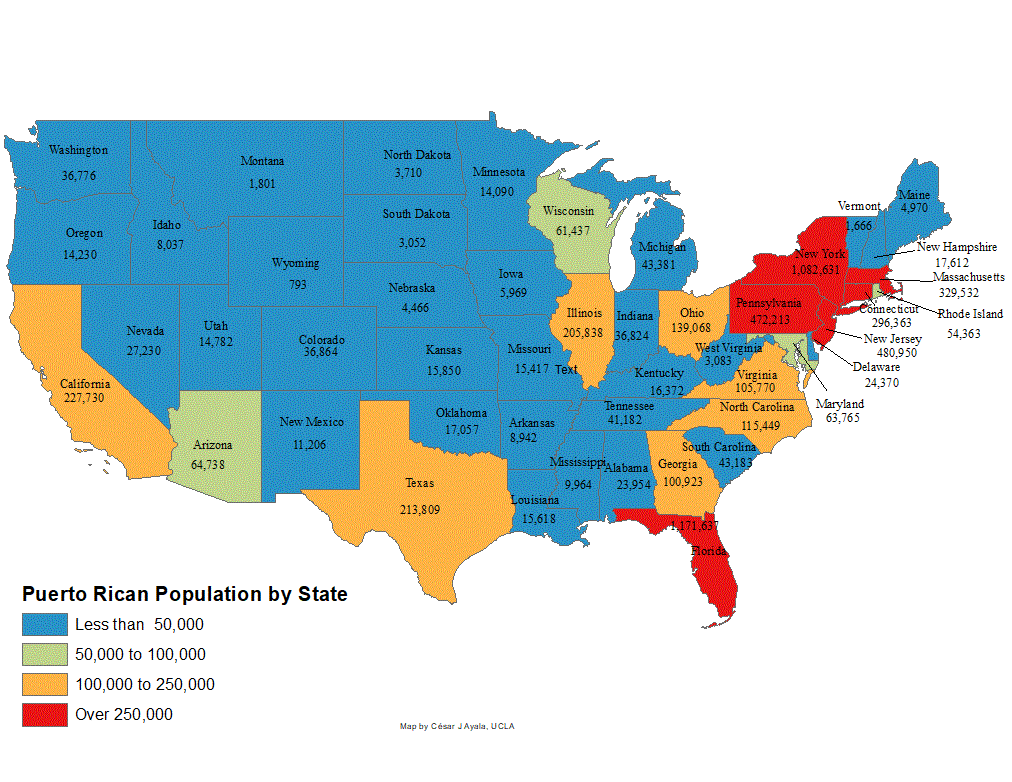
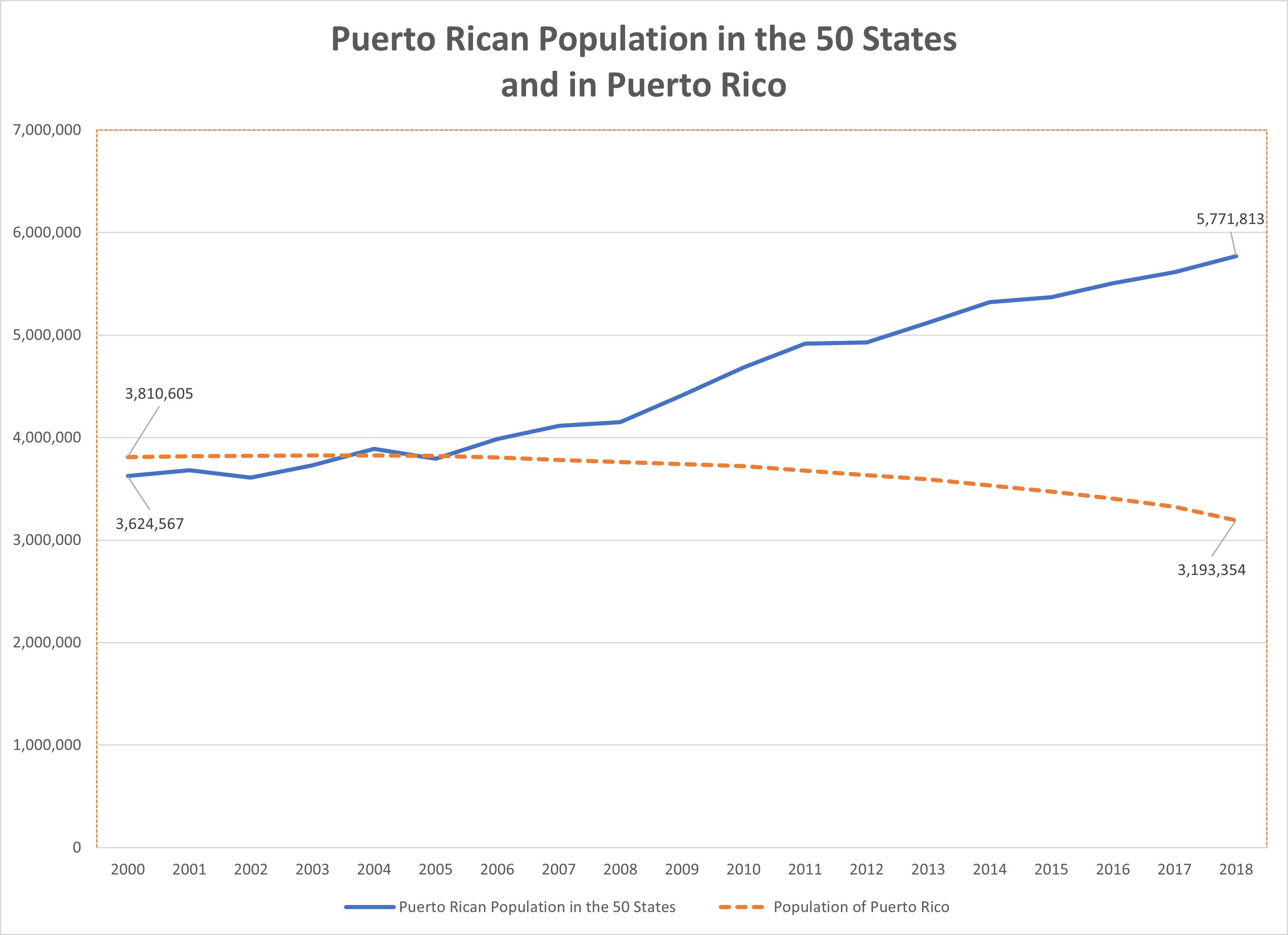
The most recent official census data provides a foundational understanding of Puerto Rico’s population. According to the United States Census Bureau, the estimated population of Puerto Rico as of July 1, 2023, was approximately 3.2 million people. This figure represents a significant, though not unprecedented, decline from previous decades.
Historical Population Fluctuations
To grasp the current numbers, it’s essential to look at historical population trends. In 2010, the census recorded a population of roughly 3.7 million. The subsequent decade saw a noticeable decrease, a phenomenon influenced by several interconnected factors. The economic recession that began in the late 2000s, coupled with the devastating impact of Hurricane Maria in 2017, led to increased emigration. Many Puerto Ricans, seeking greater economic opportunities and stability, relocated to the mainland United States. This outflow of residents is a critical element in understanding the current population count.
Age Distribution and Dependency Ratios
The age structure of Puerto Rico’s population is also an important demographic characteristic. Like many developed and developing nations, the island faces an aging population. This means that the proportion of individuals over the age of 65 is growing, while the working-age population and the birth rate are subjects of ongoing observation. This demographic shift has implications for healthcare, social security, and the overall labor force. The dependency ratio, which compares the number of dependents (typically those under 15 and over 64) to the working-age population, is a key indicator of these trends.
Urban vs. Rural Distribution
The population of Puerto Rico is not uniformly distributed. A significant portion of residents live in urban and suburban areas, particularly around the capital city of San Juan and its surrounding municipalities. These areas offer more job opportunities, access to services, and a higher concentration of amenities. However, there are also vibrant communities in more rural regions, contributing to the island’s diverse cultural fabric and agricultural output. Understanding this distribution is key for planners and those interested in experiencing the full spectrum of island life.
Factors Influencing Population Dynamics
The number of people residing in Puerto Rico is not static; it is a fluid figure influenced by a confluence of powerful forces. These factors range from the island’s economic vitality and political status to natural disasters and global migration patterns.
Economic Opportunities and Emigration
The economic health of Puerto Rico has historically been a primary driver of population movement. Periods of economic stagnation or decline have often coincided with increased emigration, as individuals seek better employment prospects and higher wages on the mainland United States. This is particularly true for younger generations entering the workforce. Conversely, periods of economic growth and investment can help retain population and even attract individuals back to the island. The availability of jobs in sectors like tourism, technology, and manufacturing plays a significant role in this dynamic.
Natural Disasters and Resilience
Puerto Rico is situated in a region prone to seismic activity and tropical storms. Events like Hurricane Maria had a profound impact, causing widespread destruction and displacement. In the aftermath, a significant number of residents temporarily or permanently relocated to the mainland due to the lengthy recovery process and the disruption of essential services. While the island has demonstrated remarkable resilience in rebuilding and adapting, the memory and potential future impact of such events continue to influence population decisions.
Political Status and Governance
The political relationship between Puerto Rico and the United States is a complex and ongoing discussion that also touches upon demographic trends. Debates surrounding statehood, independence, and the current territorial status can influence investment, economic policy, and the perceived future stability of the island, which in turn can affect migration decisions. Policies enacted by both the local and federal governments can have direct or indirect impacts on the population.

Birth Rates and Natural Increase
While emigration is a significant factor, the birth rate also plays a crucial role in population dynamics. In recent years, Puerto Rico has experienced declining birth rates, a trend observed in many developed countries. This, combined with a growing elderly population, contributes to a lower rate of natural population increase. Factors such as increased access to education and family planning, as well as economic pressures, are often cited as contributing to lower fertility rates.
Implications for Tourism and Local Experience
The population of Puerto Rico directly impacts the visitor experience in numerous ways. Understanding who lives there, where they live, and the demographic trends can enrich a traveler’s appreciation of the island’s culture and its contemporary challenges and triumphs.
Cultural Richness and Community Dynamics
The residents of Puerto Rico are the custodians of its rich and diverse culture. From the vibrant sounds of salsa music echoing through the streets of Old San Juan to the culinary artistry found in local lechoneras and roadside stands, the population is the living embodiment of the island’s heritage. A smaller, yet determined, population means that each individual often plays a more prominent role in preserving traditions and community life. Travelers who engage respectfully with local communities will find a welcoming spirit and a deep pride in their island.
Economic Impact and Local Businesses
The resident population forms the backbone of Puerto Rico’s economy, supporting local businesses, artisans, and service providers. When planning a trip, supporting these local enterprises is a fantastic way to contribute to the island’s economic well-being. This includes dining at family-owned restaurants, shopping at artisan markets, and choosing locally guided tours. Understanding the demographic context can foster a more conscious and impactful approach to tourism, benefiting both visitors and residents.
Planning Your Visit: Understanding Local Life
For travelers, knowing that the population is around 3.2 million can help frame expectations. It means that while popular tourist destinations like El Yunque National Forest or the beaches of Vieques can be busy, there are also countless opportunities to explore less-crowded areas and experience authentic local life. Engaging with the resident population, perhaps by attending a local festival or striking up conversations at a panadería, can offer unparalleled insights into the spirit of Puerto Rico. This understanding moves beyond superficial sightseeing to a deeper connection with the island’s soul.
The Future of Puerto Rico’s Population
The trajectory of Puerto Rico’s population is a subject of ongoing analysis and projection. While current trends indicate a smaller population than in past decades, there are also efforts and aspirations aimed at fostering growth and stability.
Initiatives for Economic Revitalization
Various initiatives are underway to bolster the economy and create more opportunities within Puerto Rico. These range from attracting new businesses and investing in infrastructure to supporting local entrepreneurship and developing the tourism sector further. Success in these areas could stem the tide of emigration and potentially encourage a return of some expatriates. The focus on sustainable development and innovation is key to creating a more robust and self-sufficient economy.
The Role of the Diaspora
The large Puerto Rican diaspora living in the United States and elsewhere remains a significant connection to the island. Remittances from family members abroad provide crucial financial support, and many in the diaspora maintain strong cultural ties and a desire to invest in or return to Puerto Rico at some point in their lives. This influential group plays a vital role in the island’s cultural identity and economic landscape.
Long-Term Demographic Projections
Demographic projections for Puerto Rico often paint a complex picture. While the population is unlikely to return to its peak figures in the immediate future, the rate of decline may stabilize or even reverse if economic conditions improve significantly and the island continues to rebuild and adapt. The interplay of birth rates, mortality, and migration will continue to shape the demographic composition for years to come. For visitors, this evolving landscape offers a unique opportunity to witness a society actively shaping its future.
In conclusion, while the precise number of Puerto Ricans residing on the island fluctuates, the current estimate of around 3.2 million provides a vital baseline. This figure is the result of complex historical, economic, and social forces. For travelers, understanding this demographic context enriches the experience of Puerto Rico, fostering a deeper appreciation for its resilient people, vibrant culture, and ongoing journey.
LifeOutOfTheBox is a participant in the Amazon Services LLC Associates Program, an affiliate advertising program designed to provide a means for sites to earn advertising fees by advertising and linking to Amazon.com. Amazon, the Amazon logo, AmazonSupply, and the AmazonSupply logo are trademarks of Amazon.com, Inc. or its affiliates. As an Amazon Associate we earn affiliate commissions from qualifying purchases.