
The Golden State, a global leader in environmental initiatives and a pioneer in sustainable living, has long been at the forefront of adopting cleaner transportation technologies. With ambitious goals to reduce greenhouse gas emissions and combat climate change, California has aggressively promoted electric vehicles (EVs) and phased out the sale of new gasoline-powered cars. Yet, a closer examination of recent policies and market dynamics reveals a more nuanced picture, one where the state, in certain contexts, still implicitly or explicitly relies on, and even encourages, the continued use of gasoline-powered vehicles. This apparent paradox stems from a complex interplay of economic realities, infrastructure limitations, consumer choice, and the sheer scale of the state’s transportation needs.

The Electric Vehicle Imperative: A Policy Landscape
California‘s commitment to electrifying its transportation sector is undeniable. The California Air Resources Board (CARB) has set a mandate that by 2035, 100% of all new passenger car and truck sales must be zero-emission vehicles (ZEVs), including battery-electric vehicles (BEVs) and plug-in hybrid electric vehicles (PHEVs). This ambitious target, aimed at drastically reducing tailpipe emissions, has been bolstered by a suite of incentives and regulations.
Incentives and Subsidies
To encourage consumers to make the switch to EVs, California has implemented numerous financial incentives. These include rebates, tax credits, and preferential financing options that significantly lower the upfront cost of purchasing an electric vehicle. Programs like the Clean Vehicle Rebate Project (CVRP) have historically been instrumental in driving EV adoption. Furthermore, utilities in California often offer special electricity rates for EV charging, making the cost of “fueling” an electric car more affordable than gasoline.
Regulatory Drivers
Beyond incentives, regulatory measures play a crucial role. The state’s Advanced Clean Cars II regulation, aligning with federal standards and often exceeding them, mandates increasing percentages of ZEV sales for automakers. This puts pressure on manufacturers to produce and sell more electric vehicles in California, thereby influencing the national market. The state’s strict emissions standards for gasoline vehicles have also made it less attractive for manufacturers to sell their less advanced, higher-polluting models in California, further pushing the market towards electrification.
Charging Infrastructure Development
Recognizing that range anxiety and charging availability are significant barriers to EV adoption, California has invested heavily in building out a robust charging infrastructure. State and federal funding, alongside private sector investment, has led to the proliferation of public charging stations across the state, from urban centers like Los Angeles and San Francisco to more remote tourist destinations. Efforts are underway to expand charging access in multi-unit dwellings and at workplaces, addressing a key challenge for many residents.
The Unseen Reliance on Gasoline: Practical Realities
Despite the strong push towards electrification, California‘s transportation system and economy remain deeply intertwined with gasoline-powered vehicles. The transition, while progressing, is not without its hurdles, and in many practical scenarios, the state still relies on the existing fleet of internal combustion engine (ICE) vehicles.
The Existing Fleet Dominance
As of recent data, the vast majority of vehicles on California‘s roads are still powered by gasoline. The mandated transition applies to new car sales starting in 2035. This means that for at least the next decade and a half, and likely much longer, gasoline cars will continue to be a dominant mode of transportation for millions of Californians. Policies must therefore accommodate and manage the environmental impact of this large existing fleet. This includes maintaining emission control technologies and potentially exploring strategies for managing emissions from older vehicles.
Affordability and Accessibility
Electric vehicles, despite increasing affordability, still often carry a higher upfront purchase price than comparable gasoline-powered vehicles. While incentives help, they don’t always bridge the entire gap for all consumers. This is particularly true for lower-income households who may rely on older, more affordable used gasoline cars. California‘s commitment to equitable access to transportation means that policies cannot solely focus on the new EV market without considering the needs and realities of those who cannot afford a new electric vehicle. This necessitates continued attention to the emissions of the existing fleet and potentially programs that facilitate the transition for a wider demographic.
Infrastructure Gaps and Rural Challenges
While California has made strides in charging infrastructure, significant gaps remain, especially in rural areas and for certain types of travel. Long-distance road trips, a popular form of travel within and through California, can still be challenging for EV owners if charging stations are sparse along certain routes. The time required to charge an EV, even with fast chargers, is also longer than refueling a gasoline car, a practical consideration for those on tight schedules or covering vast distances. For commercial transportation, such as long-haul trucking, the infrastructure and technology for electric or hydrogen alternatives are still in nascent stages, meaning diesel and gasoline trucks will remain essential for the foreseeable future.

The Tourism and Recreation Sector
California is a major tourist destination, attracting millions of visitors annually. Many of these visitors arrive in their own gasoline-powered vehicles, especially those undertaking road trips to national parks like Yosemite or the Pacific Coast Highway. While the state encourages EV use, it also needs to cater to a diverse range of travelers. The availability of gasoline stations and the ease of refueling are critical to ensuring a positive visitor experience. Furthermore, certain recreational activities, such as off-roading or exploring remote areas, may still be more practically served by gasoline-powered SUVs and trucks. The state’s tourism industry, a vital economic driver, therefore benefits from the continued availability of gasoline vehicles and the infrastructure that supports them.
The Role of “Gas Cars” in a Transitioning Economy
The notion that California wants people to drive gas cars might seem counterintuitive, but it’s more about managing a complex transition and acknowledging present realities than actively promoting fossil fuel use. The state’s policies are designed to accelerate the shift away from gasoline, but this shift is a marathon, not a sprint.
Economic Considerations
The automotive industry, including dealerships, mechanics, and fuel providers, is a significant employer in California. A rapid and complete abandonment of gasoline cars would have substantial economic repercussions for these sectors. While the state is fostering growth in the EV ecosystem, it also needs to manage the decline of the traditional gasoline-based automotive economy in a way that minimizes job losses and economic disruption. This might involve programs for retraining workers or supporting businesses in transitioning to new models.
Energy Grid Capacity
A widespread shift to EVs will dramatically increase demand on California‘s electrical grid. While renewable energy sources are growing, ensuring the grid can reliably handle the charging needs of millions of EVs, especially during peak demand hours, is a monumental challenge. For the time being, gasoline cars provide a distributed energy solution that does not place immediate or uniform strain on the grid in the same way. This transitional period allows California time to upgrade its grid infrastructure, integrate more renewable energy, and develop smart charging solutions.
Hybrid Technology as a Bridge
While the ultimate goal is ZEVs, hybrid and plug-in hybrid vehicles (PHEVs) are often seen as crucial stepping stones. These vehicles still utilize gasoline engines but offer significantly improved fuel efficiency and reduced emissions compared to traditional gasoline cars. California‘s policies often include PHEVs within the broader ZEV mandate, acknowledging their role in reducing immediate emissions and easing the transition for consumers not yet ready for a full battery-electric vehicle. The continued production and sale of these vehicles, which still rely on gasoline, serve as an interim solution.
Navigating the Dual Landscape: Policy and Practice
Ultimately, California‘s approach to gasoline cars is a pragmatic one, balancing ambitious environmental goals with the immediate needs of its residents and economy. The state isn’t wanting people to drive gas cars in the long term, but it recognizes that for the foreseeable future, they remain an integral part of the transportation landscape.
The Long Game: Phasing Out, Not Abolishing Overnight
The state’s policies are fundamentally about phasing out, not abolishing, gasoline cars. The 2035 mandate is a target for new sales, allowing for a natural turnover of the existing fleet. This gradual approach is essential for managing the societal and economic impacts of such a profound shift.
Supporting the Transition, Not Just Mandating
Effective policy in California involves not just mandates but also comprehensive support for the transition. This includes continued investment in charging infrastructure, incentives for EV purchases, and educational programs for consumers. It also means addressing the needs of those who may be left behind by a rapid shift, ensuring that transportation remains accessible and affordable for all.
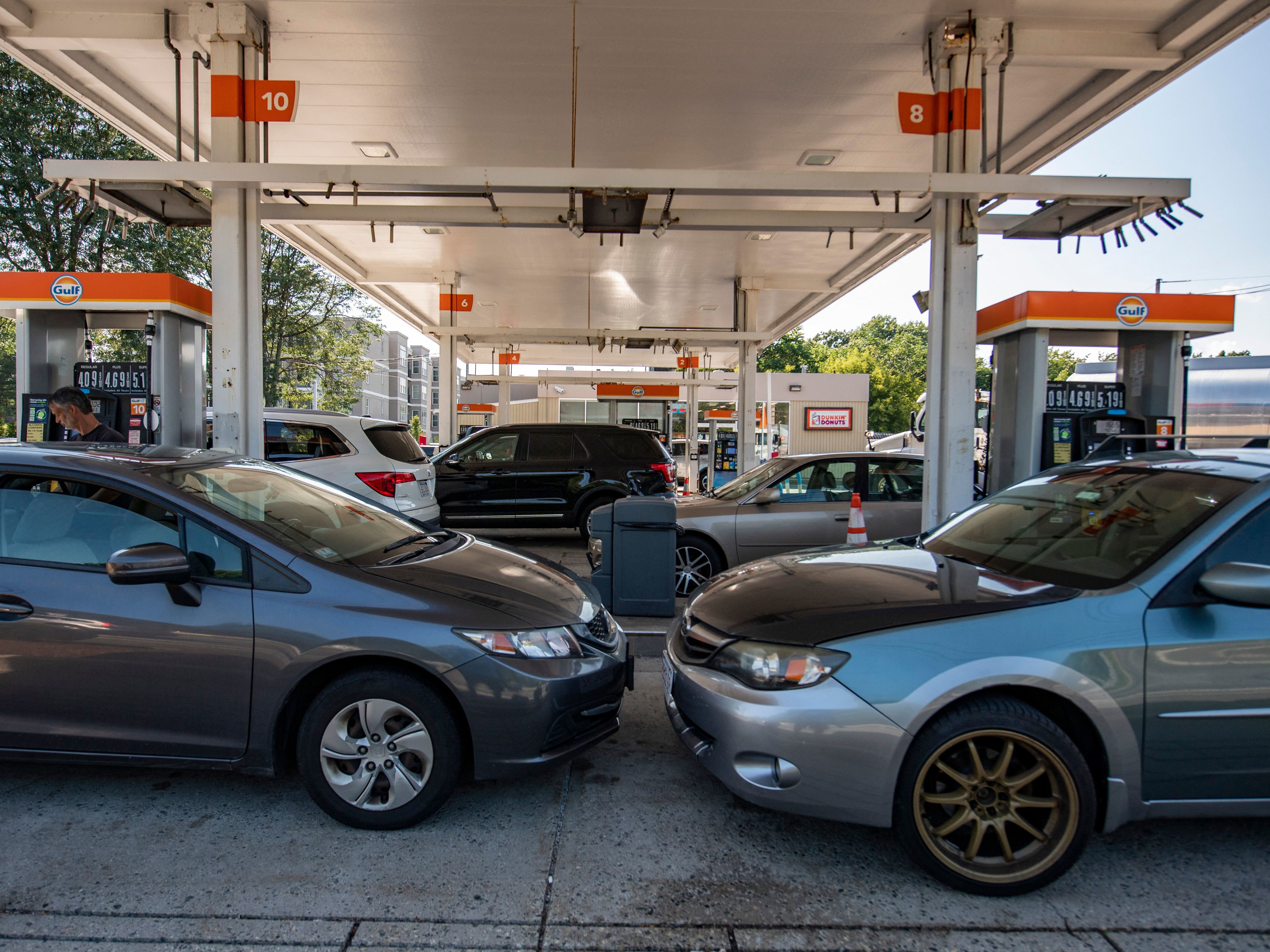
The Evolving Definition of “Gas Car”
The term “gas car” itself is evolving. With the rise of hybrids and PHEVs, the lines are blurring. California‘s policies reflect this evolution, often encompassing these transitional technologies as part of its broader clean transportation strategy. This pragmatic approach allows the state to make progress on emissions reductions while acknowledging the diverse realities of consumer choice and technological development. The future of transportation in California is a mosaic, with electric vehicles at the leading edge, but gasoline-powered cars, in various forms and for a significant duration, remain a vital piece of the picture.
LifeOutOfTheBox is a participant in the Amazon Services LLC Associates Program, an affiliate advertising program designed to provide a means for sites to earn advertising fees by advertising and linking to Amazon.com. Amazon, the Amazon logo, AmazonSupply, and the AmazonSupply logo are trademarks of Amazon.com, Inc. or its affiliates. As an Amazon Associate we earn affiliate commissions from qualifying purchases.