
The Geographic Truth of the Caribbean Jewel
The question, “Is Puerto Rico an island?” might seem straightforward, a simple geographical query met with an immediate “yes.” However, to truly understand Puerto Rico is to delve beyond a mere definition and explore its unique identity as a vital landmass within the Caribbean Sea. Its island status is not just a fact of geography; it shapes its history, culture, environment, and the very essence of what makes it a compelling destination for travelers, explorers, and those seeking an authentic experience of island life. This exploration will uncover the multifaceted nature of Puerto Rico’s island character, examining its physical attributes, its historical context as an archipelago, and the implications of its insular nature for its identity and its people.
Physical Geography: An Island Archipelago
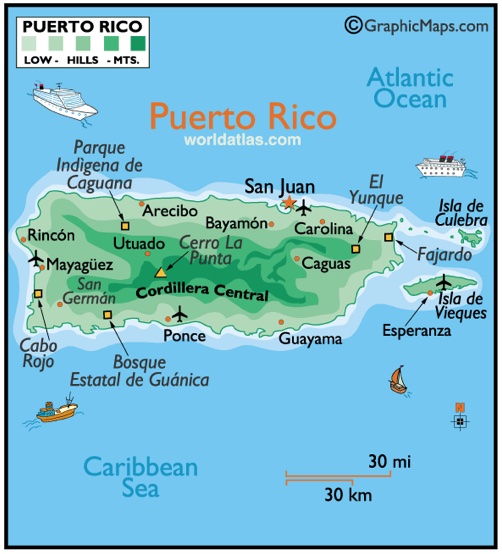
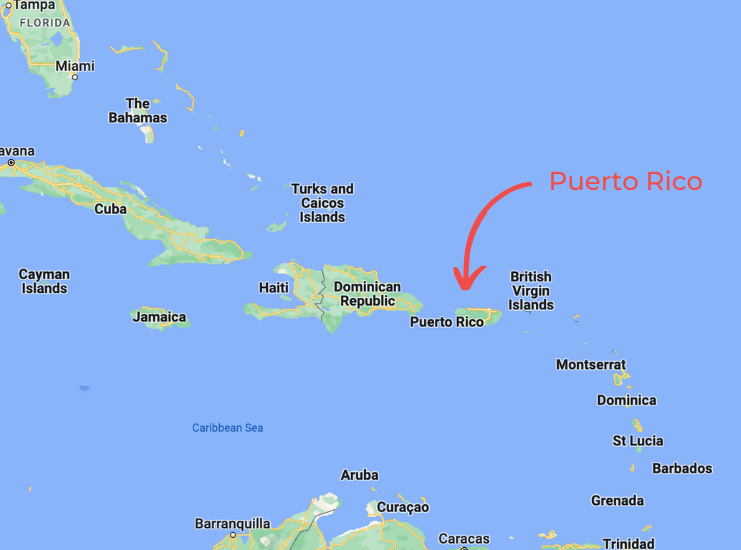
At its core, Puerto Rico is indeed an island. It is the main and largest island of the archipelago that bears its name. This archipelago, part of the Greater Antilles, is situated southeast of Florida and east of the Dominican Republic. The island itself boasts a diverse topography, ranging from the lush, mountainous interior of the Cordillera Central to the sandy coastal plains and dramatic cliffs that line its shores.
The Main Island: A Land of Contrasts
The primary landmass of Puerto Rico stretches approximately 110 miles long and 35 miles wide, a compact yet remarkably varied landscape. Its capital, San Juan, lies on the northeastern coast, a vibrant hub of history and modernity. The island is surrounded by the Atlantic Ocean to the north and the Caribbean Sea to the south, a constant reminder of its aquatic embrace. The island’s climate is tropical maritime, characterized by warm temperatures year-round and distinct wet and dry seasons, heavily influenced by its oceanic environment. Rainfall is abundant, especially in the central mountain regions, feeding lush rainforests like the famous El Yunque National Forest, a testament to the island’s rich biodiversity nurtured by its insular ecosystem.
The Surrounding Islands: Expanding the Island Narrative
However, the geographical reality of Puerto Rico extends beyond its main island. The archipelago includes several smaller, inhabited islands, each contributing to the broader definition of Puerto Rico as an island territory.
Vieques: A Unique Island Retreat
To the east of the main island lies Vieques, a larger island known for its pristine beaches, protected wildlife refuges, and the mesmerizing bioluminescent bays, such as Mosquito Bay. Vieques was once a U.S. Navy training ground, and its history has shaped its development, leading to a more remote and tranquil atmosphere compared to the mainland. Its relatively undeveloped state preserves a unique natural beauty, offering a contrasting island experience characterized by a slower pace of life and an abundance of marine and terrestrial wildlife.
Culebra: A Diver’s Paradise
Further east, and north of Vieques, is the smaller island of Culebra. Famous for its spectacular underwater scenery and world-renowned beaches like Flamenco Beach, Culebra is a haven for snorkelers and divers. Its waters teem with vibrant coral reefs and diverse marine life, making it an essential component of the Puerto Rican archipelago’s appeal as an island destination. The waters surrounding these smaller islands are vital for the ecological balance of the entire region, supporting a rich marine ecosystem that is a significant draw for eco-tourists and nature enthusiasts.
These surrounding islands, though smaller, are integral to the identity of Puerto Rico as an island entity. They contribute to its unique character and offer distinct experiences within the broader framework of its island geography.
Historical and Political Context: An Island’s Journey
The island status of Puerto Rico has profoundly influenced its historical trajectory and its current political standing. As an island territory of the United States, its relationship with the mainland is shaped by its geographical separation and its unique historical development.
Indigenous Roots and Colonial Eras
Before European arrival, the island was inhabited by the indigenous Taíno people, who established a sophisticated society deeply connected to the land and sea. The arrival of Christopher Columbus in 1493 marked the beginning of Spanish colonization, which lasted for over 400 years. During this period, the island’s isolated location facilitated distinct cultural development, influenced by indigenous traditions, Spanish language and religion, and the transatlantic slave trade. The Spanish colonial administration, though distant, imposed its governance and cultural norms, shaping the island’s infrastructure, economy, and social fabric.
A Shift in Sovereignty
In 1898, as a result of the Spanish-American War, Puerto Rico was ceded to the United States. This marked a significant turning point, transitioning the island from Spanish to American influence. Its status as an unincorporated territory means it is a possession of the U.S. but not an integral part of it, leading to ongoing debates about its political future. This unique relationship has fostered a distinct cultural identity, one that blends influences from both its colonial past and its current political affiliation, all while maintaining the inherent characteristics of island life. The constant interaction with the sea, the reliance on maritime trade, and the challenges and opportunities presented by its isolation have all contributed to the resilience and adaptability of the Puerto Rican people.
The island’s journey through different colonial powers and its current territorial status underscore how its geographical isolation has both protected and complicated its development, creating a complex narrative that is inseparable from its island nature.
The Essence of Island Life in Puerto Rico
Being an island is not merely a geographical descriptor for Puerto Rico; it is the very essence of its being, influencing its culture, its people, and the experiences it offers to visitors. Island life here is characterized by a deep connection to the natural environment, a vibrant cultural tapestry, and a resilience born from the rhythms of the sea.
A Culture Shaped by Isolation and Connection
The island’s isolation has fostered a unique cultural identity, a fusion of indigenous Taíno heritage, Spanish colonial traditions, and African influences. This blend is evident in its music, dance, cuisine, and religious practices. The rhythm of salsa and bomba y plena echoes the island’s vibrant spirit, while the flavors of mofongo and lechón represent its rich culinary heritage. The proximity to the Caribbean Sea and the Atlantic Ocean has always been central to the island’s way of life, from sustenance and trade to recreation and spiritual beliefs. This deep connection to the water shapes the daily lives of Puerto Ricans, influencing their livelihoods and their leisure activities.

Tourism and the Island Experience
For travelers, Puerto Rico offers an unparalleled island experience. The allure lies not just in its stunning natural beauty – from the El Yunque rainforest to the pristine beaches of Flamenco Beach and the vibrant reefs surrounding Culebra – but also in the warmth and hospitality of its people. Visitors can explore historic forts like El Morro and Castillo de San Cristóbal in Old San Juan, hike through tropical landscapes, bask on sun-drenched shores, or venture into the enchanting bioluminescent bays. Each activity reinforces the understanding of Puerto Rico as a cohesive island destination, where the environment and culture are inextricably linked. The island’s infrastructure, from the resorts and hotels in San Juan to the charming guesthouses on Vieques, is designed to showcase this unique island charm, offering a gateway to its diverse attractions. The very act of arriving on the island, by plane or by ferry to its smaller islands, emphasizes its distinct geographical boundary and the sense of arrival at a unique, self-contained world.
The ongoing dialogue about Puerto Rico’s political status, coupled with its undeniable island identity, creates a dynamic and compelling narrative for this vibrant Caribbean gem. Its island nature is not a limitation, but rather a defining characteristic that shapes its rich history, its unique culture, and its enduring appeal as a destination. It is, without question, an island – a magnificent one, brimming with life and stories waiting to be discovered.
LifeOutOfTheBox is a participant in the Amazon Services LLC Associates Program, an affiliate advertising program designed to provide a means for sites to earn advertising fees by advertising and linking to Amazon.com. Amazon, the Amazon logo, AmazonSupply, and the AmazonSupply logo are trademarks of Amazon.com, Inc. or its affiliates. As an Amazon Associate we earn affiliate commissions from qualifying purchases.