
As the Atlantic hurricane season intensifies, residents and visitors in Florida find themselves anxiously watching weather forecasts, particularly concerning the timing and impact of potential hurricane landfalls. This critical information is paramount for travel planning, ensuring the safety of individuals and the protection of property. Understanding the nuances of hurricane tracking, forecasting models, and official advisories is key to navigating these unpredictable events.
Understanding Hurricane Forecasting
Hurricane forecasting is a complex science that has seen significant advancements over the decades. While pinpointing the exact time and location of a hurricane’s landfall remains a challenge, modern meteorology provides increasingly accurate predictions.
The Role of the National Hurricane Center
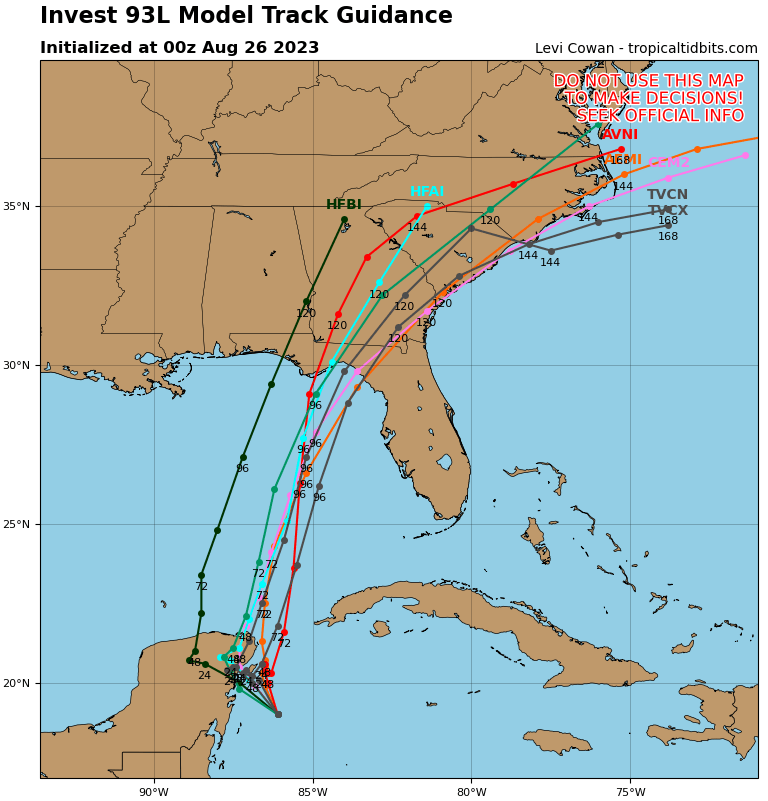
The National Hurricane Center (NHC) in Miami, Florida, is the primary source for official hurricane information in the Atlantic basin. The NHC issues regular advisories that include track forecasts, intensity predictions, and projected impacts. These advisories are updated every few hours during a storm’s development and movement.
Track Forecasts and Cone of Uncertainty
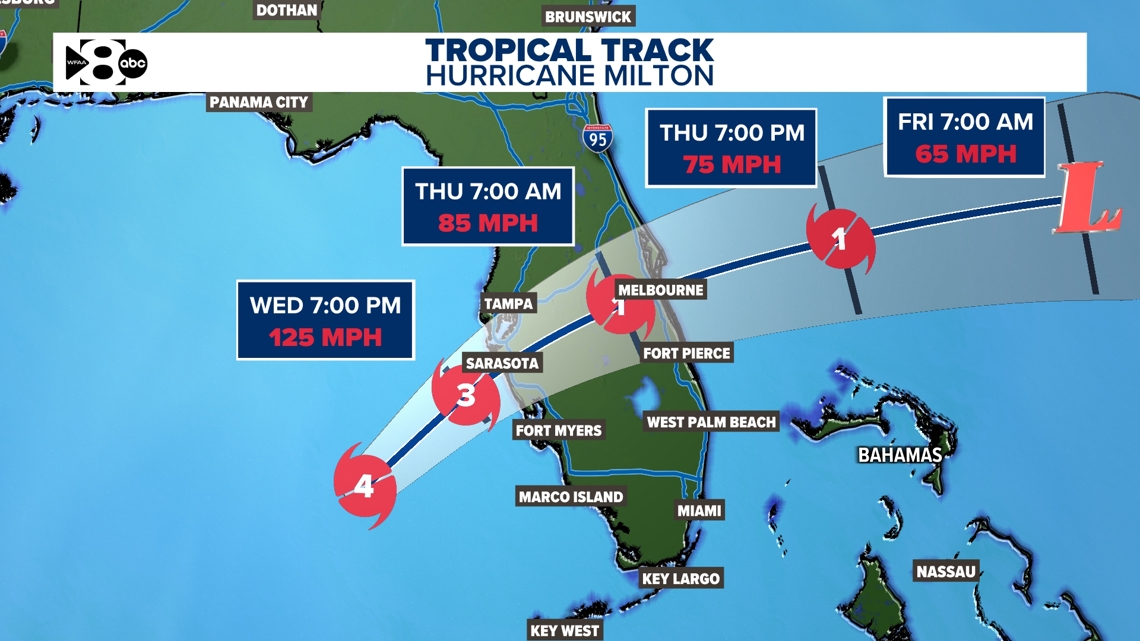
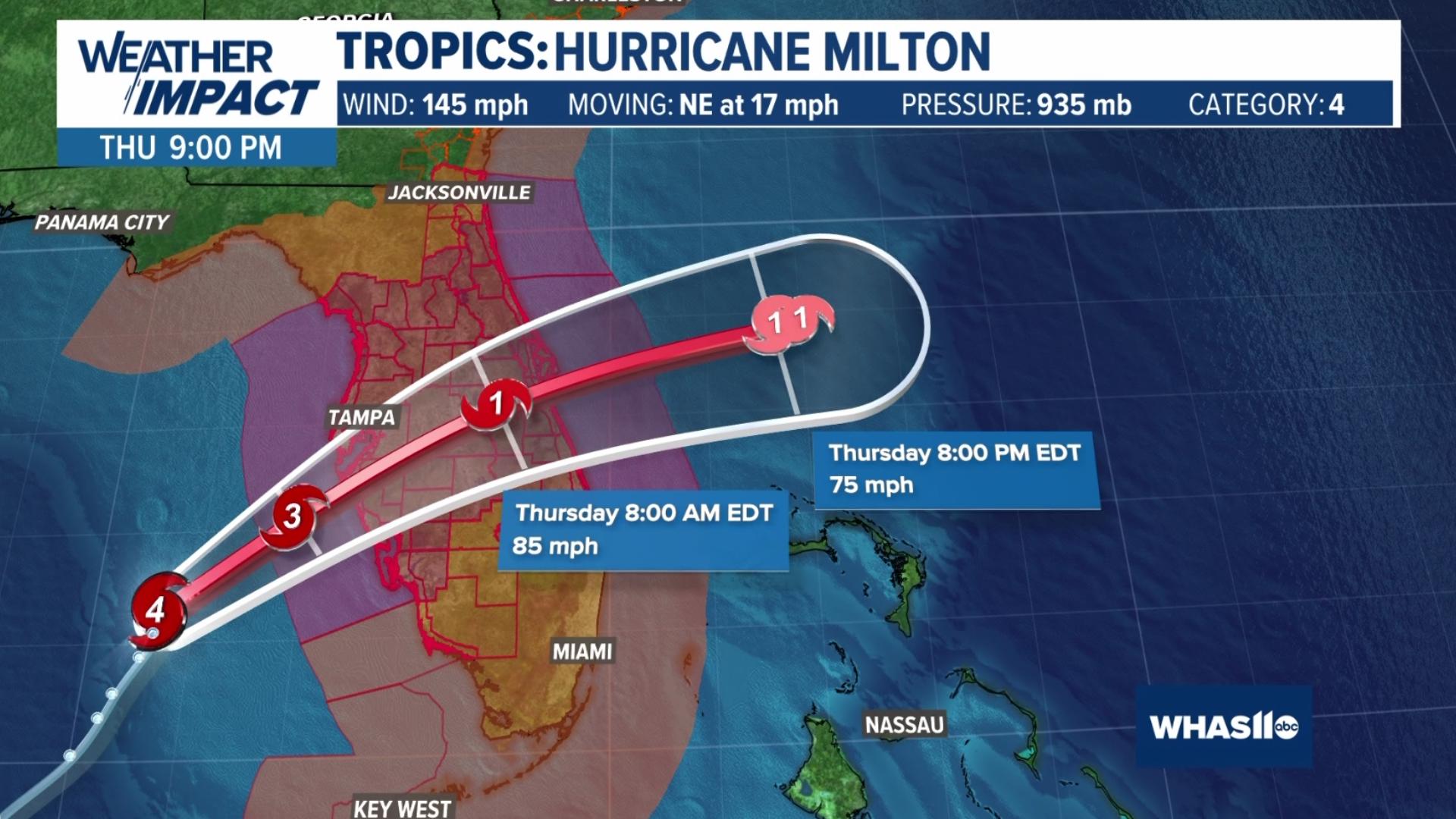
The most crucial piece of information for those concerned about a hurricane’s arrival is the track forecast. This is represented by a line showing the most likely path of the storm’s center. However, it is essential to understand the “cone of uncertainty.” This shaded area on the forecast map depicts the average potential deviation of the storm’s center from the predicted track. The further out in time the forecast, the wider the cone becomes, reflecting the increasing uncertainty. Therefore, even if a specific location is not within the cone, it can still experience dangerous impacts from wind, rain, and storm surge.
Intensity Predictions
Beyond the track, forecasters also predict the storm’s intensity, measured by its wind speed and pressure. Hurricanes can rapidly intensify or weaken, adding another layer of complexity to preparedness. Advisories will categorize the storm using the Saffir-Simpson Hurricane Wind Scale, which ranges from Category 1 (74-95 mph winds) to Category 5 (157 mph or higher winds).
Influencing Factors on Hurricane Paths
Several atmospheric and oceanic factors influence a hurricane’s track and intensity, making precise predictions challenging.
Steering Currents
Large-scale atmospheric patterns, known as steering currents, play a dominant role in guiding hurricanes across the ocean. These currents are influenced by high and low-pressure systems. For storms heading towards Florida, the Bermuda-Azores High pressure system often dictates their westward or northwestward trajectory. Changes in these steering patterns, often days in advance, can cause significant shifts in a storm’s projected path.
Ocean Heat Content
The temperature of the ocean’s surface waters is a primary fuel source for hurricanes. Warmer waters provide more energy, potentially leading to intensification. Conversely, cooler waters can cause a storm to weaken. Factors like ocean currents and wind patterns can also influence how much heat is available to the storm.
Land Interaction
When a hurricane approaches land, its interaction with the coastline and landmass can significantly alter its structure and intensity. Friction with land can weaken the storm, while bays and inlets can sometimes influence its landfall location or speed.
Preparing for Hurricane Landfall in Florida
Knowing when a hurricane is projected to hit Florida is only one part of the preparedness equation. Understanding the potential impacts and having a comprehensive plan are vital.
Evacuation Zones and Orders
Local governments in Florida establish designated evacuation zones based on the risk of storm surge. When a hurricane threatens, these authorities will issue evacuation orders for specific zones. It is crucial for residents and visitors to know if they are within an evacuation zone and to heed these orders promptly. Ignoring evacuation orders can put lives at severe risk, especially in low-lying coastal areas susceptible to inundation.
Understanding Storm Surge
Storm surge is often the deadliest aspect of a hurricane. It is a rise in sea level caused by the storm’s winds pushing water ashore. The NHC provides storm surge inundation maps that illustrate the potential height of the surge in various coastal areas. Even a Category 1 hurricane can produce life-threatening storm surge.
Shelter Options and Safety Measures
If an evacuation order is not issued or if you are not in an evacuation zone, it is still essential to have a safe place to shelter.
Secure Your Home
For those staying in their homes, securing windows and doors with shutters or plywood is a critical step. Bringing in outdoor furniture and any loose objects that could become projectiles in high winds is also necessary. Securing your resort or rental property, if applicable, should be a priority.
Emergency Supplies
An emergency kit should include essentials like water, non-perishable food, a first-aid kit, flashlights, batteries, a battery-powered radio, medications, and important documents. Having a plan for communication with family members is also vital.
Travel Implications and Adjustments
For travelers in or planning to visit Florida during hurricane season, understanding hurricane forecasts is directly linked to travel safety and logistics.
Monitoring Travel Advisories
Airlines, cruise lines, and other travel providers closely monitor hurricane forecasts. They often issue travel advisories and allow for flight or cruise changes without penalty when a storm is projected to impact a destination. Staying informed through official airline or cruise line websites, as well as travel aggregators, is paramount.
Rebooking and Cancellations
If a hurricane is forecast to impact your travel plans, be prepared for potential flight cancellations, delays, or rerouting. Similarly, cruise itineraries may be altered. Understanding the cancellation and rebooking policies of your chosen travel provider is essential. It is often wise to consider travel insurance that covers hurricane-related disruptions.
Visiting Attractions and Parks
Many of Florida’s renowned attractions, such as Walt Disney World in Orlando or the beaches of Clearwater, may close temporarily in anticipation of or during a hurricane. Checking the operational status of attractions and theme parks directly through their official websites is advisable. Similarly, national parks and state parks may close their entrances for safety.
Post-Hurricane Considerations for Travelers
Even after a hurricane has passed, its impacts can linger, affecting travel and tourism for days or weeks.
Infrastructure and Accessibility
Damaged infrastructure, including roads, airports, and power grids, can significantly disrupt travel. Power outages can affect hotels and businesses, impacting services. It may take time for Florida’s transportation networks to recover and for attractions to reopen.
Community Impact and Responsible Tourism
It is important for travelers to be mindful of the local communities affected by a hurricane. While Florida relies heavily on tourism, understanding the recovery efforts and being a responsible visitor are crucial. Supporting local businesses that have reopened and being patient with any ongoing recovery work demonstrates respect for the community’s resilience. Many hotels, such as the Ritz-Carlton or the Fontainebleau Miami Beach, may have their own preparedness and recovery protocols in place.
By staying informed about hurricane forecasts, understanding the potential impacts, and having a well-thought-out plan, individuals can better navigate the challenges posed by these powerful storms, ensuring safety and minimizing disruption to their travel experiences.
LifeOutOfTheBox is a participant in the Amazon Services LLC Associates Program, an affiliate advertising program designed to provide a means for sites to earn advertising fees by advertising and linking to Amazon.com. Amazon, the Amazon logo, AmazonSupply, and the AmazonSupply logo are trademarks of Amazon.com, Inc. or its affiliates. As an Amazon Associate we earn affiliate commissions from qualifying purchases.