
The question of whether Puerto Rico is part of Latin America is a complex one, touching upon linguistic, cultural, historical, and political dimensions. While often grouped within this broad cultural and geographical sphere due to its Spanish colonial past and predominantly Spanish-speaking population, its unique political status as an unincorporated U.S. territory adds layers of nuance to the discussion. To truly understand this classification, one must delve into the defining characteristics of Latin America and examine how Puerto Rico aligns with, or diverges from, these criteria.
Defining Latin America: A Multifaceted Concept
The term “Latin America” emerged in the 19th century, primarily to distinguish the colonized regions of the Americas from those colonized by Anglo-Saxon powers. At its core, the concept is rooted in shared historical experiences, linguistic heritage, and cultural influences stemming from Iberian colonization.

Linguistic Heritage
The most commonly cited criterion for inclusion in Latin America is the prevalence of Romance languages, primarily Spanish and Portuguese, derived from Latin. These languages serve as a significant unifying factor, shaping literature, communication, and cultural expression across the region. French, spoken in countries like Haiti and some Caribbean islands, also falls under this umbrella, though Spanish and Portuguese dominate the continental landscape.
Colonial History and Cultural Roots
The colonial legacy of Spain and Portugal is a defining characteristic. Centuries of Spanish and Portuguese rule imprinted deep cultural, religious (predominantly Catholicism), and societal structures onto the land and its people. This shared history has fostered common traditions, artistic expressions, and a collective consciousness that distinguishes the region from its North American neighbors.
Geographical Scope
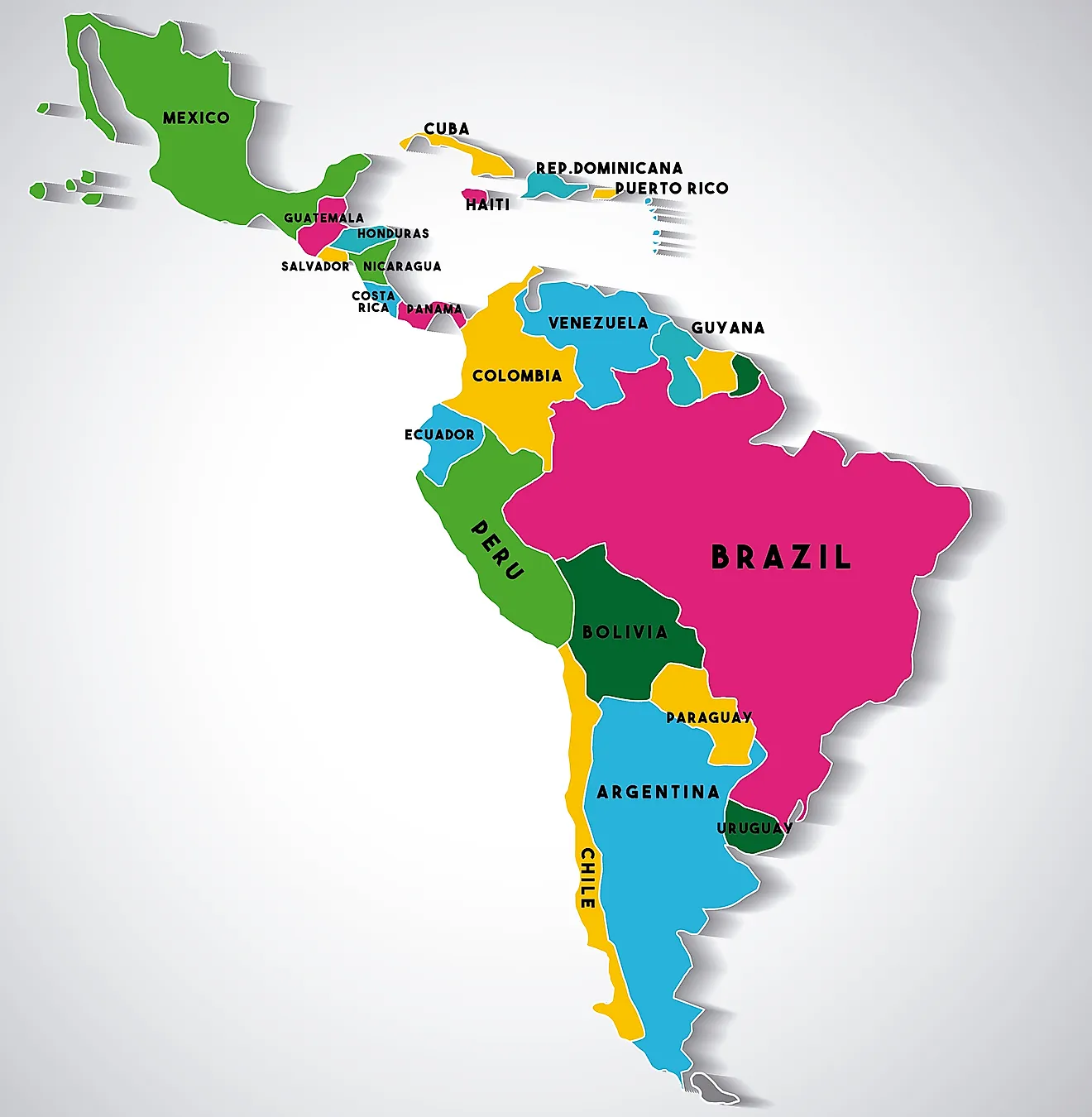
Geographically, Latin America traditionally encompasses countries in the Americas where Romance languages are spoken. This includes Mexico, Central America, South America, and parts of the Caribbean. The exact boundaries can be debated, particularly concerning islands with mixed linguistic and colonial histories, but the general consensus points to a contiguous landmass and associated islands sharing these Iberian-rooted characteristics.
Socio-Political Dynamics
While diverse, many Latin American nations share common socio-political trajectories, including struggles for independence, periods of political instability, and ongoing efforts to address economic disparities and social inequalities. These shared challenges and aspirations often contribute to a sense of regional solidarity and identity.
Puerto Rico’s Position: A Case of Intersectionality
Puerto Rico presents a compelling case study when examining its place within Latin America. Its strong cultural and linguistic ties undeniably link it to the broader region, yet its unique political relationship with the United States complicates a straightforward classification.
Linguistic and Cultural Affiliation
The primary language spoken in Puerto Rico is Spanish, a direct inheritance from its colonial past under Spain. This linguistic commonality immediately places it in proximity to other Spanish-speaking nations. Culturally, Puerto Rico shares many traditions, culinary practices, musical genres (like salsa and bomba y plena), and religious customs with its Caribbean and continental Latin American neighbors. The vibrant arts scene in San Juan, for instance, often reflects themes and aesthetics found throughout Latin America.
Historical Trajectory
Puerto Rico was a Spanish colony for over 400 years, a period that indelibly shaped its identity, architecture (visible in Old San Juan), and societal fabric. This prolonged historical connection to Spain is a fundamental element shared with most of Latin America. The transition to U.S. sovereignty in 1898, following the Spanish-American War, marked a significant turning point, but the deep-seated Spanish heritage persisted.
The Political Dimension: An Unincorporated Territory
The crucial factor that often leads to debates about Puerto Rico’s inclusion is its status as an unincorporated U.S. territory. Unlike states within the United States, Puerto Rico is not a sovereign nation. Its citizens are U.S. citizens, yet they do not have full voting representation in the U.S. Congress, nor do they vote in presidential elections. This unique political arrangement creates a duality: while culturally and linguistically aligned with Latin America, its political and legal framework is inextricably linked to the United States.
Implications of U.S. Citizenship
The U.S. citizenship of Puerto Ricans means they are subject to U.S. federal laws, can freely travel between the island and the mainland, and their economy is deeply intertwined with that of the United States. This relationship can sometimes lead to a perception of separation from the political and economic realities faced by fully independent Latin American nations.
The Independence Movement and Identity
Within Puerto Rico itself, there are diverse political perspectives. While some advocate for statehood within the United States, and others for maintaining the current territorial status, a significant portion of the population identifies with Latin American culture and seeks to preserve its distinct identity. The independence movement, though not always dominant, underscores a desire to assert a more distinct Latin American or Caribbean identity, free from external political control.
Navigating the Nuances: Cultural vs. Political Identity
Ultimately, the answer to whether Puerto Rico is part of Latin America hinges on how one prioritizes the defining criteria.
A Cultural and Linguistic Embrace
If one defines Latin America primarily by its shared linguistic heritage (Spanish), colonial history, and cultural expressions, then Puerto Rico undoubtedly belongs. Its Spanish language, rich cultural traditions, and historical ties to Spain firmly anchor it within this broader cultural sphere. Tourists visiting Old San Juan or experiencing a local festival will find themselves immersed in an atmosphere recognizably Latin American.
