
El Morro, officially known as Castillo San Felipe del Morro, stands as a monumental testament to centuries of history, military strategy, and architectural prowess on the island of Puerto Rico. Perched majestically at the northwestern tip of the islet of Old San Juan, this formidable fortress is more than just a historical site; it is a profound symbol of the island’s rich and complex past, offering visitors an unparalleled journey through time. Its strategic location, overlooking the entrance to the San Juan Bay, made it a critical defensive stronghold for the Spanish Empire for over 400 years, playing a pivotal role in shaping the course of Caribbean history.
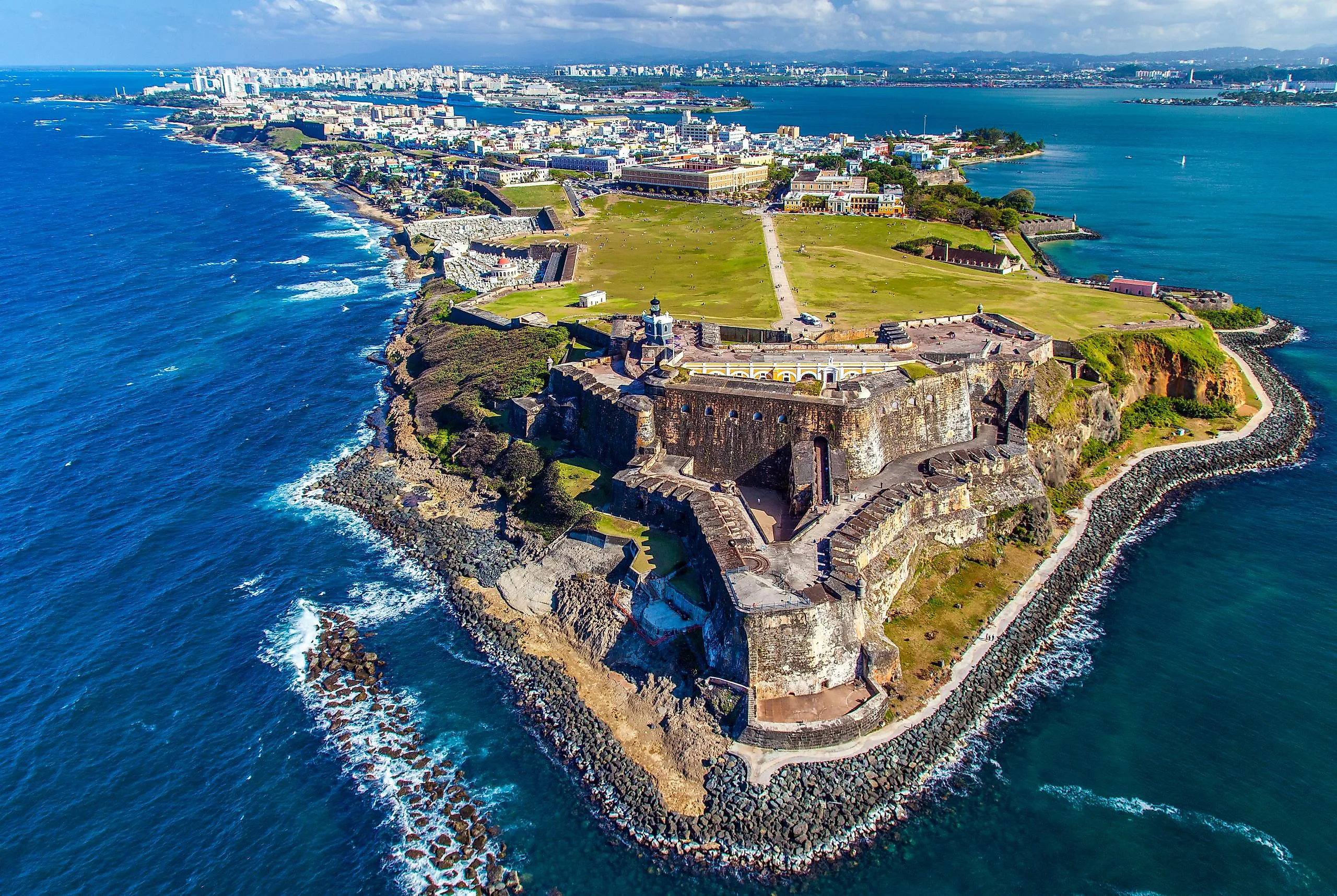
The very name “El Morro” translates from Spanish to “The Cape,” a fitting description for its prominent and commanding position. Its construction began in 1539 under the orders of King Charles V of Spain, with the primary objective of protecting the bustling port of San Juan from rival European powers, particularly the English and the Dutch, who frequently sought to gain control of the lucrative trade routes and strategic access to the Americas. Over the subsequent centuries, the fortress underwent numerous expansions and modifications, evolving into the sprawling and intricate complex that visitors can explore today. Each addition, from the early bastions to the later gun emplacements, reflects advancements in military engineering and the ever-present threat of naval warfare.
A Fortress Built for Defense
The architecture of El Morro is a captivating blend of Spanish military design and the practicalities of its tropical environment. Constructed primarily from stone, its massive walls, some reaching over 18 feet thick, were designed to withstand cannon fire and the relentless assault of the sea. The fortress is characterized by its six distinct levels, each offering a unique perspective on its defensive capabilities and the lives of the soldiers who garrisoned it.
Layers of Defense
The uppermost level features a vast parade ground, once used for drills and as an open space for observation. Below this, a series of gun decks, known as baterías, housed an array of cannons, strategically positioned to command the bay and the surrounding waters. These baterías were designed to create a crossfire, making any naval approach a perilous endeavor. The sheer scale of the artillery once stationed here is staggering, a stark reminder of the fortress’s vital role in protecting Spanish interests.
Further down, the complex includes barracks, officers’ quarters, chapels, and storage areas, all carved into the rock or built within the fortress’s imposing walls. The intricate network of tunnels, ramps, and staircases that connect these different levels creates a labyrinthine experience, hinting at the strategic ingenuity employed in its design. Many of these passages were designed to allow for rapid troop movement and to provide protected routes for defenders.
Strategic Design and Engineering
The engineers who designed El Morro were masters of their craft, incorporating elements that maximized its defensive potential. The sheer drops to the sea on three sides provided a natural moat, rendering direct assaults from the water incredibly difficult. The angled walls, a common feature of Renaissance fortifications, were designed to deflect cannonballs rather than absorb their full impact. Furthermore, the lighthouse, added in 1908, still stands as a beacon of guidance for ships navigating the waters, a modern addition to an ancient sentinel.
The construction itself was a monumental undertaking, relying heavily on enslaved labor and the resilience of the island’s natural resources. The stone quarried for its construction, along with materials imported from Spain, formed the very bones of this enduring structure.
Historical Significance and Notable Sieges
El Morro has witnessed and repelled numerous attacks throughout its long history, solidifying its reputation as an almost impenetrable fortress. Its strategic importance meant it was a constant target for those seeking to control the Caribbean.

The Sir Francis Drake Siege
One of the earliest and most famous assaults occurred in 1595, when English privateer Sir Francis Drake, along with Sir John Hawkins, attempted to capture the lucrative port of San Juan. Their fleet, comprising over 20 ships, launched a fierce bombardment against El Morro. However, the fortress’s strong defenses and the determined resistance of the Spanish garrison proved too formidable. The English were ultimately repelled, suffering heavy losses, including the death of Sir John Hawkins. This victory was a significant morale boost for the Spanish and a testament to El Morro’s formidable design.
The Earl of Cumberland’s Assault
A decade later, in 1598, George Clifford, the Earl of Cumberland, led another English expedition. This time, the English managed to land troops and bypass some of the sea defenses, eventually breaching the fortress from the landward side. However, their occupation was short-lived. Disease, particularly dysentery, ravaged the English ranks, forcing them to abandon the island and retreat. El Morro, though briefly occupied, remained a symbol of Spanish control.
Dutch Incursions and Continued Spanish Vigilance
The Dutch, a powerful maritime nation in the 17th century, also posed a significant threat. In 1625, a Dutch fleet under the command of Boudewijn Hendricksz successfully captured San Juan. While they managed to sack the city, El Morro itself held out. The Dutch eventually withdrew, leaving the fortress largely intact, though they did set fire to the city. Throughout the centuries that followed, El Morro continued to be a key point of defense against various incursions and was modernized to adapt to evolving military technologies, including the advent of rifled artillery.
El Morro Today: A National Historic Site and UNESCO World Heritage Site
Today, Castillo San Felipe del Morro is no longer an active military installation. Instead, it stands as a protected national historic site and a vital component of the San Juan National Historic Site. In 1983, El Morro, along with the city walls of Old San Juan, was designated a UNESCO World Heritage Site, recognizing its outstanding universal value and its exceptional preservation.
Experiencing the Fortress
Visiting El Morro is an immersive historical experience. Visitors can wander through its vast plazas, explore the darkened casemates, and ascend to the ramparts for breathtaking panoramic views of the Atlantic Ocean and the coastline of San Juan. Informative exhibits and park ranger talks provide deeper insights into the fortress’s history, its military significance, and the daily lives of the soldiers who once served there. The iconic structure, with its distinctive garitas (sentry boxes) perched precariously on the cliff edges, is a photographer’s dream and a historian’s delight.
The site often hosts cultural events and reenactments, bringing history to life for visitors. The presence of Puerto Rican flag flown proudly atop the citadel serves as a powerful symbol of the island’s enduring spirit and its rich cultural heritage. The expansive grounds surrounding the fortress, particularly the wide green lawn leading to its entrance, are a popular spot for locals and tourists alike to fly kites, offering a picturesque juxtaposition of leisure against the backdrop of this historic military structure.

Preservation and Accessibility
Efforts are continuously made to preserve El Morro for future generations. The National Park Service meticulously maintains the structure, ensuring its stability and protecting it from the elements. Accessibility has been improved over the years, though due to its historic nature and the uneven terrain, some areas may present challenges for those with mobility issues. Nevertheless, the main levels and many key areas are accessible, allowing a broad audience to appreciate its grandeur.
El Morro is more than just a collection of old stones; it is a tangible link to the past, a monument to human ingenuity, and a powerful reminder of the strategic importance of Puerto Rico throughout history. It stands as a vital landmark, inviting reflection on the forces that have shaped this vibrant Caribbean island and its place in the wider world. Its imposing presence continues to command awe and respect, a timeless sentinel guarding the entrance to the bay and the heart of Old San Juan.
LifeOutOfTheBox is a participant in the Amazon Services LLC Associates Program, an affiliate advertising program designed to provide a means for sites to earn advertising fees by advertising and linking to Amazon.com. Amazon, the Amazon logo, AmazonSupply, and the AmazonSupply logo are trademarks of Amazon.com, Inc. or its affiliates. As an Amazon Associate we earn affiliate commissions from qualifying purchases.