
Navigating the complexities of vehicle ownership in Texas can sometimes feel like traversing a labyrinth. Among the various designations a vehicle can carry on its title, the “branded title” is one that often sparks confusion and concern for both buyers and sellers. Understanding what a branded title signifies, particularly within the Lone Star State, is crucial for making informed decisions and avoiding potential pitfalls in the automotive marketplace. This guide aims to demystify the concept of a branded title in Texas, shedding light on its implications for vehicle history, value, and legal status.

Understanding the Concept of a Branded Title
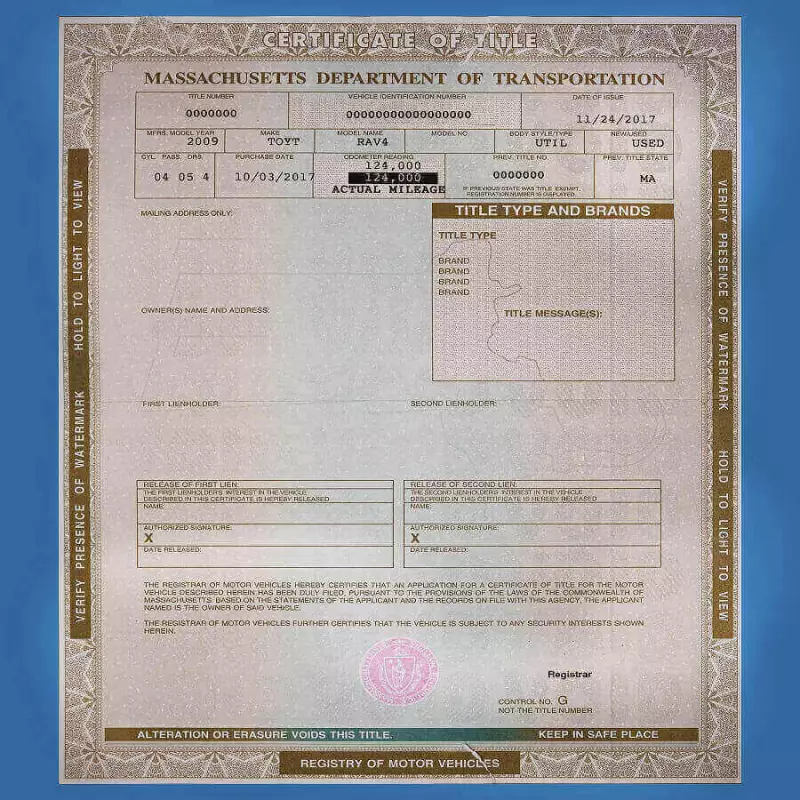
At its core, a branded title is an indicator that a vehicle has a significant history that affects its condition or value. Unlike a clean title, which signifies a vehicle has not been subjected to certain damaging events, a branded title alerts potential owners to a past issue. This branding is a legal notation added to the vehicle’s title certificate by the Texas Department of Motor Vehicles (TxDMV) to disclose critical information about the vehicle’s past. The primary purpose is to protect consumers by providing transparency regarding a vehicle’s condition and to prevent the resale of significantly damaged or unsafe vehicles without full disclosure.
The types of events that typically lead to a branded title are severe and often compromise the structural integrity, safety, or overall functionality of the vehicle. These events are meticulously recorded and flagged to ensure that subsequent owners are fully aware of any history that might impact their decision to purchase or the long-term ownership experience. The presence of a brand on a title is not necessarily a death knell for a vehicle, but it undeniably alters its market perception and value.
Types of Branded Titles in Texas
The TxDMV recognizes several types of brands that can be affixed to a vehicle’s title. Each brand signifies a specific type of damage or issue that the vehicle has experienced. The most common and significant brands include:
- Salvage: This is arguably the most recognized and concerning brand. A salvage title is issued when a vehicle has been declared a total loss by an insurance company. This typically occurs when the cost of repairs to restore the vehicle to its pre-damage condition exceeds a certain percentage of its market value. This percentage varies by state, but in Texas, it’s generally considered when repair costs exceed 70% of the vehicle’s pre-damage retail value. Insurers will then pay out the market value to the owner and take possession of the vehicle, which is then often sold at auction for parts or salvage.
- Flood: A flood brand indicates that the vehicle has sustained damage from being submerged in water. Floodwaters can cause extensive and often hidden damage to a vehicle’s electrical systems, engine, transmission, and interior components. Even if a vehicle appears to be functioning correctly after a flood, long-term issues such as corrosion, mold, and electrical failures can arise.
- Hail: While hail damage can range from cosmetic to severe, a hail brand is typically applied when the damage is significant enough to warrant a substantial insurance claim. This often means extensive dings and dents across the body panels, and potentially damage to the windshield and other glass components. While hail damage is often superficial, it can significantly detract from a vehicle’s aesthetic appeal and, in some cases, compromise paint integrity.
- Fire: A fire brand signifies that the vehicle has been damaged by fire. The extent of the damage can vary widely, from minor interior scorching to complete structural compromise of the vehicle’s frame and components. Fire damage can also lead to the release of toxic substances.
- Lemon: This brand is applied to vehicles that have repeatedly failed to meet standards of quality and performance, and have undergone numerous repairs for the same defect without resolution. These are typically vehicles that are covered under a state’s “lemon law,” which provides recourse for consumers who purchase significantly defective new vehicles.
Other less common, but still important, brands can include “rebuilt,” “reconstructed,” “junk,” or “irreplaceable.” Each of these designations carries specific implications for the vehicle’s history and its legal status for resale.
The Process of Branding a Title in Texas
The process of branding a title in Texas is initiated when a vehicle is involved in an incident that triggers the branding criteria. For vehicles declared a total loss by an insurance company due to damage (salvage, flood, fire, hail), the insurance company is responsible for reporting this to the TxDMV. They will then typically issue a salvage title.
If a vehicle with a salvage title is repaired and deemed safe to be back on the road, it can undergo a rigorous inspection process. This involves a thorough examination by a qualified inspector to ensure that all safety and structural repairs have been completed correctly and to the manufacturer’s specifications. Once it passes this inspection, the vehicle can be issued a “rebuilt” or “reconstructed” title. This signifies that the vehicle has been salvaged and repaired, but it is now roadworthy. However, a “rebuilt” title is still a form of branding and will be permanently marked on the vehicle’s history.
For other brands, such as flood or fire, the initial assessment of damage by authorities or insurance adjusters can lead to the direct issuance of a branded title, even if the vehicle is not declared a total loss by an insurance company. The key is that the damage is deemed significant enough to warrant the official designation for consumer protection.
Implications of a Branded Title for Vehicle Owners and Buyers
The presence of a branded title has significant implications for both the current owner and any prospective buyer. These implications span financial, legal, and practical aspects of vehicle ownership.
Impact on Vehicle Value
One of the most immediate and substantial impacts of a branded title is its effect on a vehicle’s market value. Vehicles with branded titles are almost always worth significantly less than comparable vehicles with clean titles. This depreciation is a reflection of the perceived risk associated with owning a vehicle that has undergone severe damage.
- Salvage/Rebuilt: A vehicle with a salvage title is worth considerably less than a comparable vehicle with a clean title. Once repaired and given a rebuilt title, its value increases, but it will still be significantly lower than a comparable vehicle that never had a salvage brand. Buyers are wary of potential hidden issues and the fact that the vehicle’s structural integrity may have been compromised.
- Flood/Fire: Vehicles with flood or fire brands often suffer the most severe depreciation. The potential for long-term, hard-to-detect problems with electrical systems, corrosion, and mechanical components makes these vehicles highly undesirable to many buyers. The risk of future breakdowns and costly repairs often outweighs any potential savings.
- Hail: While hail damage primarily affects the aesthetics, severe hail can still lead to a notable decrease in value, especially if the dents are widespread and deep.
Insurance and Financing Challenges
Obtaining insurance and financing for a vehicle with a branded title can be more challenging and expensive.
- Insurance: Many insurance companies are hesitant to offer full coverage (comprehensive and collision) for vehicles with branded titles, particularly those with salvage, flood, or fire brands. They may offer liability-only coverage or decline to insure the vehicle altogether due to the higher risk of claims. If insurance is available, premiums are often higher.
- Financing: Lenders are also more cautious when it comes to financing branded title vehicles. The reduced market value means that the vehicle’s collateral worth is lower. This can lead to higher down payment requirements, higher interest rates, or outright denial of a loan, especially for vehicles with severe brands like salvage or flood.
Resale Difficulties
Selling a vehicle with a branded title can be a challenging endeavor. Disclosure is legally mandated, and most buyers will be actively seeking vehicles with clean titles. If a branded title vehicle is sold, it is often to wholesalers, auto recyclers, or individuals who are knowledgeable about the specific type of damage and are willing to accept the associated risks, often at a significantly reduced price.
Legal Requirements and Disclosure
In Texas, as in most states, it is illegal to sell a vehicle with a branded title without fully disclosing its branded status to the buyer. This disclosure must be made in writing. Failure to disclose can lead to severe legal penalties, including fines, lawsuits, and even criminal charges. Sellers are obligated to provide the buyer with the most current title, which will clearly display any brands.
Tips for Buyers and Sellers Dealing with Branded Titles
Navigating the market for vehicles with branded titles requires diligence and awareness for both parties involved.
For Potential Buyers
- Thorough Inspection: Always have a vehicle with a branded title inspected by a trusted, independent mechanic before purchasing. They can identify potential issues that may not be immediately apparent.
- Vehicle History Report: Obtain a comprehensive vehicle history report (e.g., from CarFax or AutoCheck). While these reports may not catch every issue, they can provide valuable insights into a vehicle’s past.
- Understand the Brand: Research the specific brand on the title. Understand what it signifies, the potential risks, and the history of similar incidents.
- Negotiate Price: Be prepared to negotiate the price significantly, reflecting the reduced value and inherent risks associated with a branded title.
- Check for Rebuilt Status: If the title is branded “salvage,” verify if it has been rebuilt and inspected. Even then, proceed with caution.
For Sellers
- Honesty is Key: Always be upfront and honest about any branding on the vehicle’s title. Failure to disclose can have serious legal and financial consequences.
- Provide Documentation: Have all relevant documentation ready, including the title, maintenance records, and any reports from previous inspections or repairs.
- Price Realistically: Understand that a branded title will significantly impact the resale value. Price the vehicle accordingly to attract serious buyers.
- Consider the Buyer: Be prepared to sell to buyers who are informed about branded titles and understand the associated risks, such as mechanics or enthusiasts who may be looking for a project vehicle or a good deal on a vehicle they can repair themselves.

The Role of the Texas Department of Motor Vehicles
The Texas Department of Motor Vehicles plays a pivotal role in the regulation and management of vehicle titles, including the branding process. The TxDMV is responsible for:
- Title Issuance: Ensuring that titles are issued correctly and reflect the accurate history of the vehicle.
- Brand Application: Applying specific brands to titles based on reports from insurance companies, law enforcement, and other authorized entities.
- Salvage Inspections: Overseeing the inspection process for vehicles that have been branded as salvage and are seeking a rebuilt title.
- Consumer Protection: Providing a system that aims to protect consumers from purchasing vehicles with undisclosed significant damage or safety concerns.
The TxDMV’s commitment to transparency through the branding system is a critical safeguard for individuals navigating the Texas used car market. It empowers buyers with knowledge and holds sellers accountable for disclosing essential information about a vehicle’s past. Understanding the nuances of branded titles is not just about the paperwork; it’s about making a safe and sound investment in your transportation.
LifeOutOfTheBox is a participant in the Amazon Services LLC Associates Program, an affiliate advertising program designed to provide a means for sites to earn advertising fees by advertising and linking to Amazon.com. Amazon, the Amazon logo, AmazonSupply, and the AmazonSupply logo are trademarks of Amazon.com, Inc. or its affiliates. As an Amazon Associate we earn affiliate commissions from qualifying purchases.