
Understanding the economic landscape of a destination is a crucial component of responsible and informed travel, particularly when engaging with local businesses and communities. For travelers to Puerto Rico, knowing the minimum wage offers insight into the cost of labor, potential pricing structures of services and goods, and the general economic well-being of the island’s residents. This knowledge can inform decisions about where to spend money, encouraging support for businesses that offer fair compensation to their employees, and fostering a more sustainable and equitable tourism experience.
While the United States federal minimum wage applies to many territories, Puerto Rico has its own distinct minimum wage laws that have evolved over time. This distinction is vital for anyone planning to visit or invest in the island, from individual tourists to businesses considering operations there. Understanding these wage regulations is not just a matter of curiosity; it’s a pathway to deeper engagement with the local economy and a more conscious approach to experiencing the island’s rich culture and vibrant offerings. This article delves into the current minimum wage in Puerto Rico, its historical context, and the implications for visitors and the local community alike.
The Current Minimum Wage Landscape in Puerto Rico
As of the latest legislative updates, Puerto Rico has established its own minimum wage rate, which differs from the current federal minimum wage in the United States. For many years, the island operated under a tiered system, with a gradual increase towards parity with the federal rate. However, significant legislative changes have altered this trajectory, creating a distinct minimum wage for the island.
Key Wage Rates and Effective Dates
The primary legislation governing minimum wage in Puerto Rico is Law No. 47-2021, also known as the “Puerto Rico Minimum Wage Law of 2021.” This law has been instrumental in setting new wage floors and establishing a path for future adjustments.
-
Effective July 1, 2023: The minimum wage in Puerto Rico was set at $9.50 per hour. This represented a significant increase from previous rates and aimed to provide a more livable wage for many workers across various sectors.
-
Future Adjustments: Law No. 47-2021 also mandates further increases. As of July 1, 2024, the minimum wage is scheduled to rise to $10.50 per hour. Subsequent increases are planned, with the intention of reaching $12.00 per hour by July 1, 2025, and then tying future adjustments to the Consumer Price Index (CPI) to maintain purchasing power. This forward-looking approach acknowledges the need for continuous evaluation of wage levels in response to economic conditions.
It is important to note that specific industries or employee categories might have different minimum wage requirements or exemptions under certain conditions. For instance, some agricultural workers or tipped employees may have different wage structures. However, the $9.50 and $10.50 rates serve as the general minimums applicable to the vast majority of the workforce.
Distinguishing from the Federal Minimum Wage
For context, the current federal minimum wage in the United States stands at $7.25 per hour. While this federal rate technically applies to Puerto Rico unless a higher local minimum wage is established, Law No. 47-2021 superseded this for most employees on the island. The establishment of a higher local minimum wage in Puerto Rico reflects a local effort to address the specific economic realities and cost of living on the island. This distinction is crucial for businesses operating on the island and for travelers seeking to understand the economic benchmarks in place.
Historical Context and Legislative Evolution
The minimum wage in Puerto Rico has been a subject of ongoing debate and legislative action for decades. The island’s economic status as a U.S. territory has historically placed it in a complex position regarding labor laws, often seeing a gradual convergence with federal standards. However, the unique economic challenges and opportunities present on the island have frequently necessitated localized policy-making.
The Road to Law No. 47-2021
Prior to the enactment of Law No. 47-2021, Puerto Rico had been phasing in increases to its minimum wage, often influenced by federal mandates and local advocacy. For a considerable period, the minimum wage for many employees was lower than the federal rate, and there were discussions and attempts to equalize it. However, concerns about the potential impact of rapid increases on employment levels and business competitiveness led to a more nuanced approach.
A significant milestone before the 2021 law was Law No. 93-2019, which mandated a phased increase of the minimum wage from $7.25 to $9.50 per hour by January 1, 2023. This legislation laid the groundwork for the more ambitious reforms introduced by Law No. 47-2021.
The Impact of Law No. 47-2021
The passage of Law No. 47-2021 marked a pivotal moment in Puerto Rico’s labor history. It not only accelerated the increase in the minimum wage but also established a clear roadmap for future adjustments, aiming to ensure that the minimum wage kept pace with inflation and the rising cost of living. The law was a response to advocacy groups, labor unions, and residents who argued that the previous minimum wage was insufficient to meet basic needs in Puerto Rico.
The inclusion of a mechanism for future adjustments based on the CPI demonstrates a commitment to maintaining the real value of the minimum wage over time. This proactive approach is designed to prevent the wage from becoming stagnant and to ensure that workers can maintain their standard of living as economic conditions change.
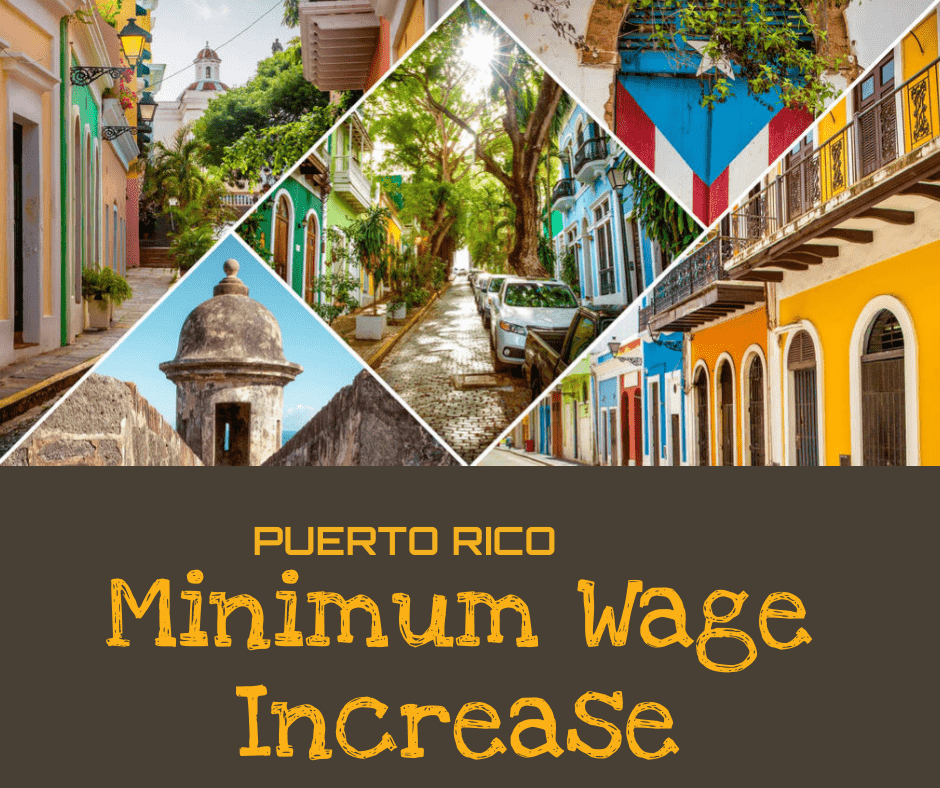
Implications for Travelers and the Local Economy
Understanding the minimum wage in Puerto Rico has several practical implications for visitors, influencing their perceptions of value, their spending habits, and their overall travel experience. It also has profound effects on the local economy, impacting businesses, employees, and the cost of goods and services.
Understanding Value and Pricing
For travelers, knowing that the minimum wage has increased can provide context for the prices they encounter in restaurants, shops, and for various services. While Puerto Rico is known for its vibrant culture and attractions, including places like Old San Juan and the bioluminescent bays, the cost of goods and services is influenced by labor costs. A higher minimum wage can translate to slightly higher prices for some goods and services, but it also signifies a commitment to improving the livelihoods of local workers.
Travelers who are conscious of economic fairness may choose to patronize businesses that they believe treat their employees well, and understanding wage structures can inform these choices. It can also lead to a greater appreciation for the work of individuals providing services, from hotel staff at places like the Dorado Beach, a Ritz-Carlton Reserve to guides offering excursions in places like El Yunque National Forest.
Impact on Local Businesses and Employment
The increase in the minimum wage presents both opportunities and challenges for businesses in Puerto Rico. On the one hand, a higher minimum wage can lead to increased consumer spending power among lower-wage workers, potentially boosting demand for goods and services. It can also contribute to higher employee morale, reduced turnover, and improved productivity, which are all beneficial for businesses.
On the other hand, businesses, particularly small and medium-sized enterprises, may face increased labor costs. This could lead to adjustments in pricing, a focus on efficiency, or a need to re-evaluate staffing levels. The phased approach to wage increases allows businesses time to adapt to these changes. The long-term goal is to foster a more robust and equitable economy where both businesses and workers can thrive.
Fostering Sustainable Tourism
By understanding and respecting the economic policies of a destination, travelers can contribute to more sustainable and ethical tourism practices. Supporting businesses that pay fair wages is a way to ensure that the benefits of tourism are shared more broadly within the local community. This approach aligns with a growing trend in travel towards conscious consumption and a desire to make a positive impact on the places visited.
When visiting attractions like the Castillo San Felipe del Morro or enjoying the local cuisine in areas like Condado, travelers can be assured that their spending is contributing to an economy that is striving to provide a better standard of living for its residents. This awareness enhances the overall travel experience, adding a layer of meaningful engagement with the island of Puerto Rico.
Navigating Other Wage Considerations
Beyond the general minimum wage, several other factors and specific regulations are relevant to understanding the labor market in Puerto Rico. These nuances can affect specific types of employment and may be of particular interest to those considering longer stays, business ventures, or specific types of work on the island.
Tipped Employees and Service Charges
Similar to the United States, Puerto Rico has specific rules regarding tipped employees. Employers can pay a lower direct wage to employees who customarily and regularly receive more than a certain amount in tips. However, the combination of the direct wage and tips must still meet the established minimum wage. Law No. 47-2021 did introduce changes to these provisions, aiming to increase the base wage for tipped employees. It’s crucial for employers and employees alike to be aware of the current regulations to ensure compliance. Travelers who frequently dine out may notice service charges added to bills, which often contribute to the overall compensation of service staff.
Minimum Wage Exemptions and Special Cases
While Law No. 47-2021 covers the majority of workers, there can be specific exemptions or special provisions for certain categories of employees. These might include individuals with disabilities, certain agricultural workers, or employees in very specific industries that might have unique economic considerations. These exceptions are typically detailed within the labor laws and regulations administered by the Puerto Rico Department of Labor and Human Resources. For a comprehensive understanding, consulting the official government resources or seeking legal advice is recommended.

The Role of the Minimum Wage in Cost of Living
It’s important to consider the minimum wage in conjunction with the cost of living in Puerto Rico. While the wage has increased, the cost of housing, utilities, food, and transportation are also significant factors in determining the adequacy of income. Puerto Rico has a unique economic environment influenced by its island status, import costs, and global economic trends. Therefore, the minimum wage is one piece of a larger puzzle when assessing economic well-being. For travelers, this context can enhance their understanding of the daily lives of residents and the economic challenges and triumphs of the island.
In conclusion, the minimum wage in Puerto Rico is a dynamic and important aspect of its economy. The recent legislative updates reflect a commitment to improving living standards for workers and fostering a more equitable society. For travelers, staying informed about these economic indicators enriches the travel experience, promoting a more conscious and appreciative engagement with this beautiful Caribbean destination.
LifeOutOfTheBox is a participant in the Amazon Services LLC Associates Program, an affiliate advertising program designed to provide a means for sites to earn advertising fees by advertising and linking to Amazon.com. Amazon, the Amazon logo, AmazonSupply, and the AmazonSupply logo are trademarks of Amazon.com, Inc. or its affiliates. As an Amazon Associate we earn affiliate commissions from qualifying purchases.