
Understanding the Current Landscape for Arizona Tourism
The question of whether COVID-19 cases are rising in Arizona is a critical consideration for anyone planning to visit the Grand Canyon State. For the robust tourism sector, understanding the prevailing public health situation is paramount, influencing everything from traveler confidence to operational adjustments for local businesses. Arizona’s appeal, from its stunning desert landscapes to vibrant urban centers, remains undiminished, yet the ebb and flow of health trends necessitate an informed approach to travel. Tourists often seek assurances regarding safety protocols, local health infrastructure, and the general atmosphere of their chosen destination.
Data and Trends: What the Numbers Say
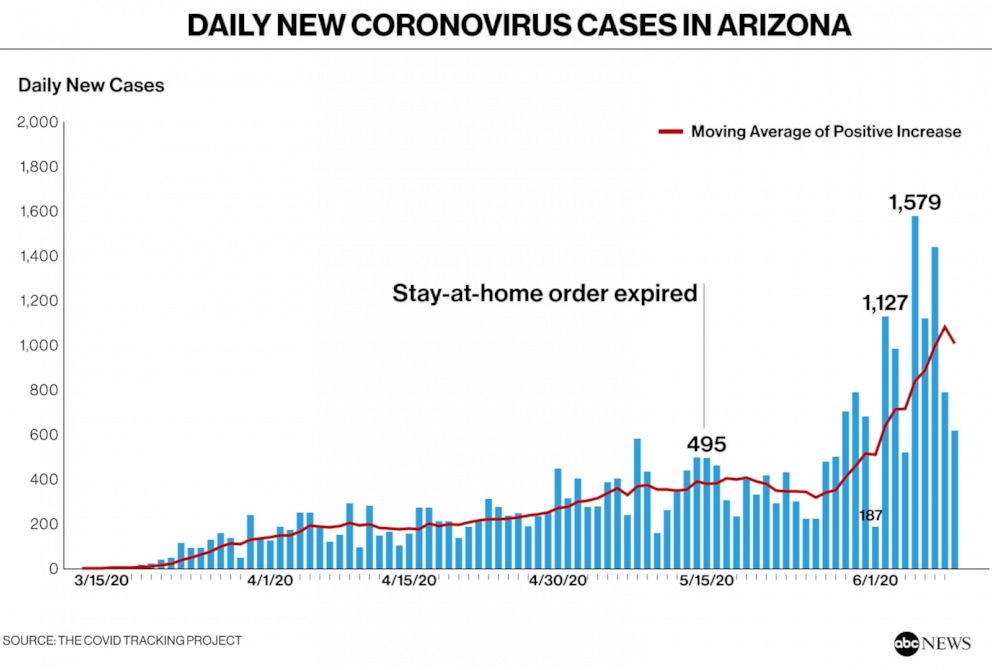
Monitoring the public health situation in Arizona involves a dynamic assessment of various metrics, including case counts, hospitalization rates, and community transmission levels. Official sources, such as the Arizona Department of Health Services (ADHS) and local county health departments, provide regular updates that help paint a picture of the current state. While specific numbers fluctuate, the overarching trend often dictates the advisories and operational guidelines for tourism-related businesses. Periods of increased viral activity, for example, might lead to renewed emphasis on masking in indoor public spaces or adjustments to event capacities, particularly in densely populated areas like Phoenix or Tucson. Conversely, periods of low transmission foster a more relaxed environment, encouraging greater participation in group activities and indoor attractions. Prospective visitors are encouraged to consult these official sources shortly before and during their trip to stay abreast of the most current localized information. This proactive approach ensures that travelers can make informed decisions, adapting their plans as necessary to align with prevailing health recommendations.
Public Health Measures and Visitor Safety
In response to fluctuating health trends, Arizona’s tourism industry has largely adopted a proactive stance on visitor safety. Many hotels, resorts, attractions, and tour operators have integrated enhanced cleaning protocols, improved ventilation systems, and implemented staff training on best hygiene practices. While statewide mandates for measures like masking or vaccination checks have largely been rescinded, individual businesses or specific events may still have their own policies in place. For instance, some smaller, more intimate venues or guided tours might request or recommend masks, especially during peak periods or in enclosed spaces.
The emphasis has shifted towards personal responsibility and informed choices. Tourists are generally expected to monitor their own health, practice good hand hygiene, and respect any specific guidelines put forth by individual establishments. This collaborative approach between visitors and the tourism sector aims to maintain a safe and enjoyable environment for everyone, ensuring that the unique experiences Arizona offers can be enjoyed with peace of mind.
Impact on Popular Tourist Activities and Attractions
The current health landscape invariably influences how tourists engage with Arizona’s diverse offerings. From the vast expanses of its national parks to the bustling streets of its cities, adaptation has become a hallmark of the tourism experience. The way local culture is explored, food is savored, and activities are undertaken has evolved to prioritize safety while preserving the authentic essence of the Grand Canyon State.
Outdoor Adventures: Grand Canyon, Sedona, and Desert Trails
Arizona’s unparalleled natural beauty, particularly its abundance of outdoor spaces, has proven to be a resilient draw even amidst health concerns. Destinations like the Grand Canyon National Park, the red rock country of Sedona, and the myriad desert trails surrounding Phoenix and Tucson continue to offer safe and invigorating experiences. The inherent nature of these activities – open air, natural social distancing, and opportunities for solitude – makes them particularly appealing.
National and state parks have largely resumed normal operations, though visitors are still encouraged to check park websites for any specific advisories or temporary closures related to staffing or localized conditions. Guided hiking tours, rafting trips on the Colorado River, and jeep tours in Sedona often operate with enhanced sanitization protocols for equipment and vehicles. While the vastness of these natural wonders often negates the need for strict density controls, popular viewpoints or visitor centers might occasionally manage crowd flow during peak hours to ensure comfort and safety. Tourists flocking to destinations like Flagstaff for mountain escapes or Lake Havasu City for water sports will find that the open environment generally allows for a sense of freedom and safety.
Urban Exploration: Phoenix, Tucson, and Cultural Hubs
Urban centers like Phoenix, Tucson, and Scottsdale offer a different set of considerations for tourists. Museums, galleries, shopping districts, and entertainment venues have adapted by often implementing strategies such as timed entry, cashless transactions, and increased cleaning. While mandatory mask policies are uncommon, many establishments maintain readily available hand sanitizing stations and clear signage encouraging respectful distancing.
The vibrant arts scenes in these cities, including theaters and music venues, have largely returned to pre-pandemic capacities, though individual events might occasionally require specific health checks or mask usage depending on the artist or organizer’s policies. Exploring historic districts, like those in downtown Tucson or Old Town Scottsdale, remains a popular activity, with outdoor walking tours providing an excellent way to absorb local culture responsibly. The energy of these urban environments continues to thrive, with a renewed emphasis on creating welcoming yet safe spaces for both locals and visitors.
Arts, Culture, and Dining Scene Considerations
Arizona’s rich tapestry of Native American culture, Western heritage, and modern artistic expression is a significant draw. Cultural centers, tribal parks like Monument Valley, and historical sites have largely reopened, often with interpretive staff trained in current health guidelines. Visitors are encouraged to check specific attraction websites for any tribal land-specific requirements, which may differ from state guidelines.
The culinary scene, from farm-to-table restaurants in Phoenix to authentic Sonoran hot dog stands in Tucson, has also adapted. Many establishments continue to offer outdoor dining options, a perennial favorite in Arizona’s mild climate, and maintain robust cleaning schedules. Food festivals and farmers’ markets generally operate with increased space between vendors and attendees, allowing for a safer exploration of local flavors. Tourists can still fully immerse themselves in Arizona’s cultural and gastronomic delights, albeit with a heightened awareness of personal and public health.
Navigating Your Arizona Trip: Tips for Responsible Tourism
For those considering a trip to Arizona, thoughtful planning and a commitment to responsible tourism are key, particularly in light of fluctuating health trends. Being prepared allows visitors to fully enjoy the unique experiences Arizona offers while contributing positively to local communities and public health efforts.
Pre-Trip Planning and Research
The most crucial step for any prospective Arizona tourist is thorough pre-trip research. Before booking flights or accommodations, consult official sources such as the Arizona Department of Health Services (ADHS) and the Centers for Disease Control and Prevention (CDC) for the latest health advisories and recommendations. Check the websites of specific attractions, hotels, and restaurants you plan to visit for their current operational status and any specific health guidelines they might have in place. This includes understanding their cancellation policies, which can be invaluable if unforeseen health-related issues arise. Consider travel insurance that covers health-related disruptions. Packing essentials like hand sanitizer, personal protective equipment (PPE) such as masks (for situations where they might be recommended or required), and any personal medications is also a wise move.
On-the-Ground Best Practices
Once in Arizona, practicing responsible tourism extends to your daily activities. While exploring cities like Phoenix or hiking trails in Sedona, maintain good personal hygiene, including frequent hand washing or sanitizing. Be mindful of personal space, especially in crowded areas or during popular events. Respect any requests from local businesses or venues regarding masks or capacity limits, as these are typically implemented for the safety of both patrons and staff. If you feel unwell at any point during your trip, it’s advisable to limit your interactions, seek medical advice, and consider postponing activities until you recover. Many tourism businesses in Arizona appreciate visitors who demonstrate a commitment to collective well-being.
Flexibility and Adaptability
The dynamic nature of public health trends means that plans can sometimes change unexpectedly. A flexible mindset is a significant asset for any traveler. Be prepared to adapt your itinerary if an attraction has temporary closures, if a specific event is canceled, or if new local health guidelines are introduced. Having alternative activities in mind, especially outdoor options that are abundant throughout Arizona, can help ensure your trip remains enjoyable regardless of minor adjustments. Embracing the unexpected with a positive attitude allows for a more relaxed and resilient travel experience, ensuring that even if initial plans shift, the spirit of adventure and discovery remains intact. This adaptability is crucial for navigating any contemporary travel experience.
The Future of Tourism in the Grand Canyon State Amidst Health Concerns
The ongoing evolution of global health concerns has undeniably reshaped the tourism landscape worldwide, and Arizona is no exception. However, the state’s tourism sector has demonstrated remarkable resilience and an enduring commitment to providing exceptional experiences safely. The future of tourism here is characterized by a blend of innovation, sustained vigilance, and a deep understanding of evolving traveler needs.
Resilience and Innovation in the Tourism Sector
Arizona’s tourism industry has consistently adapted to challenges, proving its ability to innovate. From enhanced digital booking systems that allow for contactless check-ins to virtual tours that provide a preview of destinations like Saguaro National Park or the Desert Botanical Garden before arrival, businesses have found creative ways to maintain engagement and ensure safety. Resorts and hotels have redesigned spaces to offer more private experiences, while restaurants have expanded outdoor dining options, which incidentally enhance the unique appeal of Arizona’s climate. The emphasis on individual well-being and responsible travel has also fostered a greater appreciation for sustainable tourism practices, encouraging visitors to connect with the environment and local communities in more meaningful ways. This ongoing spirit of adaptation ensures that Arizona remains a premier destination capable of meeting the demands of the modern traveler.

Sustaining Visitor Confidence
Ultimately, the long-term success of Arizona’s tourism depends on sustaining visitor confidence. This is achieved through transparent communication about local health conditions, consistent application of safety protocols where necessary, and a continued commitment to providing high-quality experiences. Local tourism boards and individual businesses work collaboratively to convey accurate information and reassure potential visitors that their health and safety are paramount. By fostering an environment of trust and preparedness, Arizona aims to ensure that its iconic landscapes, vibrant cities, and rich cultural heritage remain accessible and inviting for all who seek to explore them. The enduring allure of the Grand Canyon, the spiritual tranquility of Sedona, and the urban energy of Phoenix will continue to draw visitors, confident in the knowledge that their well-being is a top priority.
LifeOutOfTheBox is a participant in the Amazon Services LLC Associates Program, an affiliate advertising program designed to provide a means for sites to earn advertising fees by advertising and linking to Amazon.com. Amazon, the Amazon logo, AmazonSupply, and the AmazonSupply logo are trademarks of Amazon.com, Inc. or its affiliates. As an Amazon Associate we earn affiliate commissions from qualifying purchases.