
Puerto Rico, a vibrant island nestled in the northeastern Caribbean, stands as a unique entity within the global political landscape. For many travelers drawn to its sun-drenched beaches, lush rainforests, and rich cultural tapestry, understanding its status as an unincorporated U.S. territory is key to appreciating the nuances of their visit. This designation, while seemingly a bureaucratic detail, profoundly shapes the island’s history, economy, governance, and ultimately, the experience for those who explore its captivating shores. From the historical context of its acquisition to the ongoing debates about its future, Puerto Rico’s territorial status is a complex narrative woven into the fabric of its identity.

Historical Roots: From Spanish Colony to American Possession
The story of Puerto Rico’s territorial status is intrinsically linked to the ebb and flow of global power and colonial ambitions. For over four centuries, the island was a Spanish colony, a strategic outpost in the Caribbean. Its name, “Rich Port,” reflected its importance in the Spanish Empire’s trade routes and defenses. This long period of Spanish rule left an indelible mark on Puerto Rico’s culture, language, and architecture, evident in the charming cobblestone streets of Old San Juan and the enduring Spanish dialect spoken by its people.
The Spanish-American War and Its Aftermath
The pivotal shift occurred in 1898 with the conclusion of the Spanish-American War. As a consequence of Spain’s defeat, Puerto Rico, along with Cuba and Guam, was ceded to the United States under the Treaty of Paris. This marked the end of Spanish sovereignty and the beginning of American administration. The initial years under U.S. control were characterized by military governance, followed by the establishment of civilian rule.
The Foraker Act and The Insular Cases
In 1900, the U.S. Congress passed the Foraker Act, also known as the Organic Act of 1900. This legislation formally established a civilian government in Puerto Rico and defined its relationship with the United States, classifying it as an “unincorporated territory.” This meant that the U.S. Constitution was not fully extended to the island, and its inhabitants were not automatically granted U.S. citizenship.
Further defining this relationship were the Insular Cases, a series of Supreme Court decisions in the early 20th century. These rulings established the doctrine that unincorporated territories, unlike incorporated ones, are considered “possessions” rather than “parts” of the United States. This legal framework has had far-reaching implications, affecting issues of taxation, trade, and the rights of Puerto Rican residents. The residents of Puerto Rico eventually became U.S. citizens in 1917, with the passage of the Jones-Shafroth Act. However, this citizenship did not alter the island’s unincorporated territorial status.
Governance and Political Structure
Understanding Puerto Rico’s governance is crucial to grasping its territorial status. While residents are U.S. citizens, they do not have voting representation in the U.S. Congress, nor do they vote in U.S. presidential elections. The island has a locally elected governor and a bicameral legislature, but ultimate authority rests with the U.S. Congress, which can enact laws applicable to Puerto Rico.
The Role of the U.S. Congress and the Governor
The U.S. Congress holds significant power over Puerto Rico. It can pass legislation that affects the island, and Puerto Rico must comply with federal laws. While the island has a Resident Commissioner who can vote in House committees, they cannot vote on the House floor. This lack of full political representation is a central point of contention in the ongoing discussions about Puerto Rico’s future. The governor, elected by the Puerto Rican people, leads the executive branch, but their authority is ultimately subordinate to federal law and U.S. presidential directives.
The Office of the Governor and Local Administration
The local administration in Puerto Rico functions much like that of a U.S. state in many respects. The governor oversees various government departments, and a locally elected legislature handles domestic policy. However, the ultimate power to create or abolish laws affecting Puerto Rico remains with the U.S. Congress. This dual system of governance, where local autonomy exists within a federal framework, is a defining characteristic of Puerto Rico’s territorial status.
Economic Implications and Social Dynamics
Puerto Rico’s status as a U.S. territory has significant economic and social ramifications, influencing everything from trade policies to federal aid. The island’s economy has historically been shaped by its relationship with the mainland United States, leading to both opportunities and challenges.
Trade, Taxation, and Federal Programs
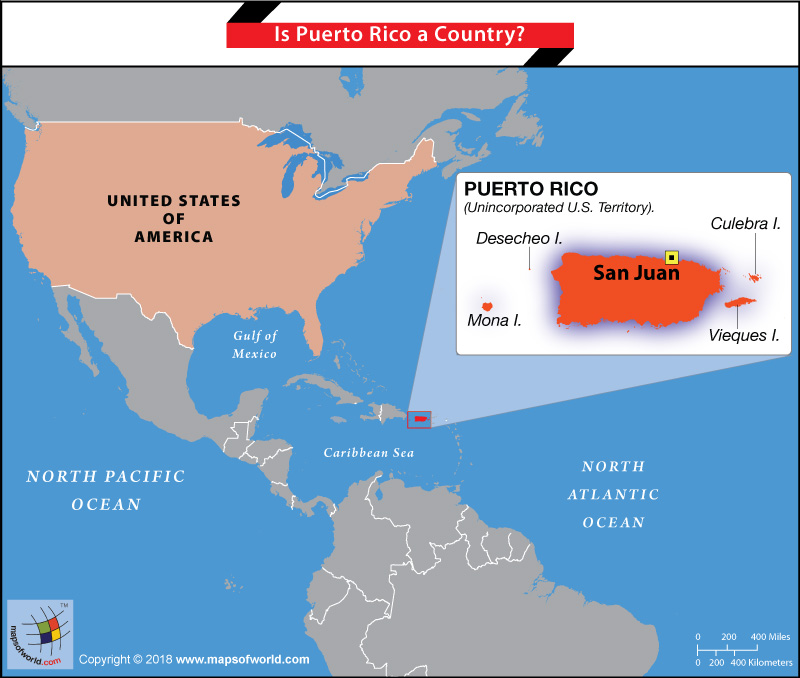
As a U.S. territory, Puerto Rico enjoys free trade with the mainland, a significant advantage for businesses operating on the island. However, it is also subject to certain U.S. federal laws and regulations, such as maritime laws (Jones Act), which can increase shipping costs. Federal taxation is another complex area. While residents of Puerto Rico are U.S. citizens, they generally do not pay federal income tax on income earned on the island. However, they do pay federal payroll taxes (Social Security and Medicare) and certain excise taxes. The island also receives federal funding for programs like Medicare and Medicaid, though often at lower rates than U.S. states.
The Jones Act and its Impact
The Jones Act (Merchant Marine Act of 1920) mandates that goods shipped between U.S. ports must be transported on U.S.-built, owned, and crewed vessels. For Puerto Rico, this has often meant higher shipping costs compared to importing goods from foreign countries, impacting the price of consumer goods and the cost of doing business. This has been a consistent point of debate and a significant concern for businesses and residents alike.
Economic Challenges and Opportunities
Puerto Rico has faced significant economic challenges in recent decades, including a deep recession, high unemployment, and a substantial public debt. Its territorial status has been cited as both a contributing factor to these difficulties and a potential obstacle to recovery. The island’s unique fiscal relationship with the U.S. has led to complex debt restructuring processes, including the creation of an oversight board. Despite these challenges, Puerto Rico offers opportunities for tourism, manufacturing, and investment, particularly with its U.S. currency and access to the U.S. market.
The Debate Over Statehood, Independence, and Continued Territory Status
The question of Puerto Rico’s political future has been a persistent and often divisive issue. Residents have had the opportunity to vote on their status in referendums, with outcomes that have not definitively resolved the debate. The primary options consistently discussed are statehood, independence, and remaining an unincorporated territory.
Statehood: A Path to Full Representation
Proponents of statehood envision Puerto Rico becoming the 51st U.S. state. This would grant the island full representation in Congress, voting rights in presidential elections, and equal access to federal programs and funding. Supporters argue that statehood would solidify the island’s relationship with the U.S. and provide greater economic stability and political equality.
Arguments For and Against Statehood
Arguments for statehood often center on the principles of democracy and equality, emphasizing that U.S. citizens residing in Puerto Rico should have the same rights and representation as those living in the mainland states. Opponents, however, raise concerns about the economic impact, potential changes to cultural identity, and the financial implications for the U.S. government.
Independence: Self-Determination and Sovereignty
The movement for independence advocates for Puerto Rico to become a sovereign nation, free from U.S. control. Supporters believe that independence would allow the island to forge its own path, control its own resources, and foster a distinct national identity. They argue that self-determination is the ultimate expression of freedom.
Challenges of Independence
The path to independence, however, presents significant challenges. These include establishing a new economy, managing international relations, and determining citizenship for residents. The potential economic disruption and the uncertainty of international recognition are major concerns for many.
Maintaining the Status Quo: The Unincorporated Territory
A segment of the population prefers to maintain Puerto Rico’s current status as an unincorporated U.S. territory. This option offers a degree of autonomy while maintaining the benefits of U.S. citizenship, access to the U.S. market, and federal programs. However, it also perpetuates the issues of unequal representation and the ongoing debate about the island’s ultimate destiny.
Ultimately, the question of why Puerto Rico is a U.S. territory is a complex historical and political one. It stems from a period of imperial expansion and has evolved through legal decisions and political choices. For travelers, understanding this status provides a deeper appreciation for the island’s unique identity, its resilience, and the ongoing conversations that shape its future, all of which contribute to the rich and multifaceted experience of visiting this captivating Caribbean gem.
LifeOutOfTheBox is a participant in the Amazon Services LLC Associates Program, an affiliate advertising program designed to provide a means for sites to earn advertising fees by advertising and linking to Amazon.com. Amazon, the Amazon logo, AmazonSupply, and the AmazonSupply logo are trademarks of Amazon.com, Inc. or its affiliates. As an Amazon Associate we earn affiliate commissions from qualifying purchases.