
Navigating the financial landscape of any travel destination is crucial for a seamless and enjoyable experience. For those planning a trip to the Empire State, understanding its tax structure, particularly state income tax, is an essential component of budgeting and financial planning. The question, “Does New York Have State Tax?” is a fundamental one for both leisure travelers and business visitors alike, as it directly impacts the overall cost of their stay.
Understanding New York State Income Tax for Visitors
For the vast majority of short-term visitors to New York, the answer to “Does New York Have State Tax?” is a straightforward no, in the sense that you will not typically owe New York State income tax simply for visiting as a tourist. New York State, like most states in the United States, imposes an income tax on individuals who are considered residents or who earn income within the state. As a tourist, you are neither a resident nor earning income in the traditional sense, thus generally exempt from this specific tax obligation.
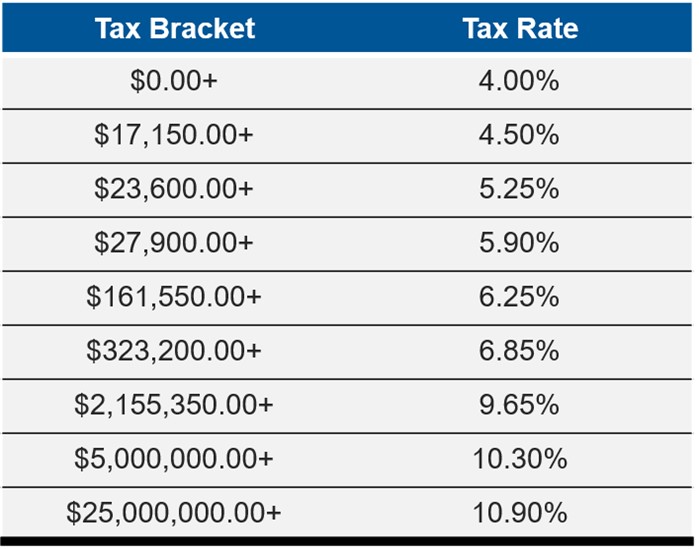
However, it’s important to delineate between different types of “taxes” and “income.” When people ask about state tax in the context of travel, they often conflate income tax with sales tax or other fees associated with their visit. Let’s clarify these distinctions.
Income Tax vs. Other Taxes for Travelers
-
Income Tax: This is a tax levied on an individual’s earnings. For a typical tourist spending a week or two in New York, exploring New York City, visiting the Niagara Falls, or enjoying the scenic beauty of the Adirondacks, there is no requirement to file a New York State income tax return or pay income tax. Your personal income earned in your home state or country generally remains subject to those respective tax laws.
-
Sales Tax: This is the tax you will encounter as a traveler. New York State has a statewide sales tax, and many local governments (including counties and cities) impose their own additional sales taxes. This tax is applied to the purchase of tangible goods and certain services. When you dine at a restaurant in Manhattan, buy souvenirs near Times Square, or purchase clothing in Buffalo, you will see sales tax added to your bill. The combined state and local sales tax rate can vary significantly across New York, with the highest rates often found in New York City.
-
Hotel Occupancy Tax (Lodging Tax): This is a specific tax applied to the cost of staying in hotels, motels, and other short-term lodging accommodations. Similar to sales tax, it’s a combination of state and local taxes. If you book a room at a hotel like the Plaza Hotel or a resort in the Catskills, this tax will be an additional charge on your bill. The rates for occupancy taxes also vary by location.
-
Other Fees: Beyond direct taxes, travelers might encounter other fees, such as toll charges on bridges and highways, parking fees, and admissions to certain attractions or state parks. While not technically state income tax, these are financial considerations that contribute to the overall cost of visiting New York.
When Tourists Might Encounter State Income Tax Obligations
The general rule of thumb is that if you are visiting New York for tourism purposes, you will not owe state income tax. However, there are rare circumstances where a tourist’s activities might blur the lines and potentially create tax obligations. These are uncommon for typical vacationers but are worth noting for completeness:
-
Engaging in Business Activities: If a visitor, even under the guise of a short trip, actively engages in business activities that generate income within New York, they might be subject to income tax. This could include, for example, providing consulting services while in the state, selling goods directly to New York residents or businesses, or performing services that are part of a larger commercial transaction. Simply attending a conference as an attendee or making business contacts for future ventures is usually not enough to trigger an income tax liability.
-
Becoming a Resident: If a visitor spends an extended period in New York and establishes domicile or spends a significant amount of time in the state, they could be classified as a New York resident for tax purposes. The rules for determining residency can be complex, but generally involve factors like the number of days spent in the state, the location of your primary home, and your intent. For instance, someone spending over 183 days in New York in a calendar year might be considered a resident. This is highly unlikely for a typical tourist.
-
Receiving Income from New York Sources While Not a Resident: If an individual who is not a New York resident receives income from sources within New York, they may be required to file a non-resident tax return and pay tax on that income. Examples might include rental income from a property owned in New York, or income from a business conducted entirely within the state even if the owner is not a resident. Again, this is generally not applicable to a tourist.
Sales Tax in New York: What Travelers Need to Know
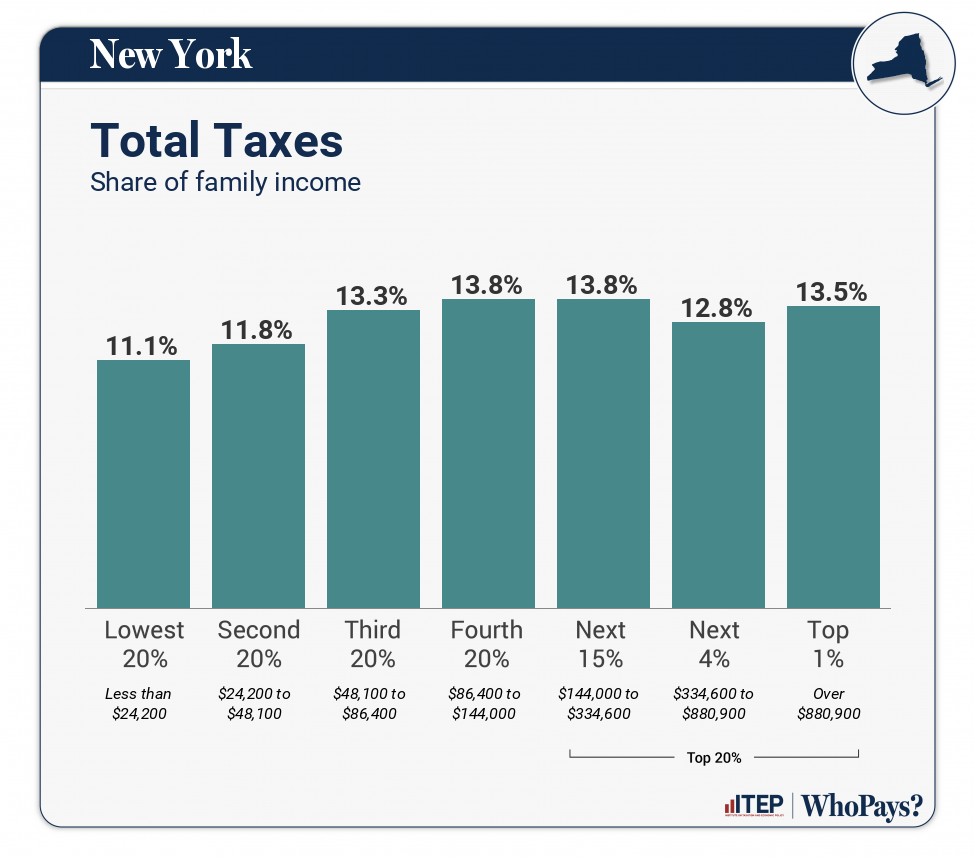
As previously mentioned, sales tax is a tangible cost for visitors to New York. Understanding these rates and how they are applied is key to budgeting.
State and Local Sales Tax Rates
- State Sales Tax: The current statewide sales tax rate in New York is 4%.
- Local Sales Taxes: In addition to the state tax, most counties and cities levy their own sales taxes. The combined rate can range significantly. For example, in most of New York City, the combined sales tax rate is 8.875% (4% state + 4.5% city + 0.375% Metropolitan Commuter Transportation District). In other parts of the state, rates might be lower, for instance, around 7% to 8%.
- Exemptions: Certain items are exempt from sales tax. These often include most food products (groceries), prescription medications, and clothing or footwear under a certain price threshold (currently $110 per item in New York). However, prepared foods sold for immediate consumption (like restaurant meals) and clothing above the threshold are taxable.
Where You’ll Pay Sales Tax
Sales tax will be applied to a wide range of purchases made during your visit:
- Retail Goods: Clothing, electronics, souvenirs, books, and most other tangible items purchased from stores.
- Restaurant Meals and Prepared Foods: Dining out or purchasing food from delis and take-out establishments.
- Services: Certain services are also subject to sales tax, such as hotel accommodations (as discussed below), repair services, and admission charges to places of amusement.
Hotel Occupancy Tax in New York
When booking accommodations, the hotel occupancy tax is an additional expense that travelers must factor into their budget. This tax is levied on the rental of hotel rooms, motel rooms, and similar lodging.
Understanding the Components of Hotel Tax
Like sales tax, hotel occupancy tax in New York is a combination of state and local levies.
- State Hotel Occupancy Tax: New York State imposes a 5% hotel occupancy tax.
- Local Hotel Occupancy Taxes: Many cities and counties add their own occupancy taxes. In New York City, for example, the combined hotel occupancy tax can be substantial, often reaching over 10%, in addition to the state’s 5%. This means a significant portion of your hotel bill can be attributed to taxes.
- Metropolitan Commuter Transportation District (MCTD) Surcharge: For lodging within the 12-county MCTD, there is an additional surcharge.
Budgeting for Hotel Stays
When researching hotels in New York, whether it’s a boutique hotel in Greenwich Village or a large convention hotel near the Jacob K. Javits Convention Center, always look for the final price inclusive of all taxes and fees. The advertised room rate is rarely the final amount you will pay. It’s advisable to ask the hotel directly about the total occupancy tax rate for their specific location to avoid any surprises.

Conclusion: Financial Preparedness for Your New York Adventure
In conclusion, the direct answer to “Does New York Have State Tax?” for a typical visitor is no, not income tax. Your earnings from your home state or country generally remain unaffected by a short trip to New York. However, as a traveler, you will undoubtedly encounter and be responsible for sales tax on goods and services and hotel occupancy tax on your lodging.
Being aware of these taxes is essential for responsible travel planning. By understanding the various tax rates and how they apply, you can accurately budget for your trip, whether you’re planning a weekend getaway to Saratoga Springs or an extended stay exploring the cultural riches of New York City. This financial foresight allows you to fully immerse yourself in the experiences New York has to offer, from its world-class museums and theaters to its stunning natural landscapes, without the added stress of unexpected expenses. Enjoy your journey through the Empire State!
LifeOutOfTheBox is a participant in the Amazon Services LLC Associates Program, an affiliate advertising program designed to provide a means for sites to earn advertising fees by advertising and linking to Amazon.com. Amazon, the Amazon logo, AmazonSupply, and the AmazonSupply logo are trademarks of Amazon.com, Inc. or its affiliates. As an Amazon Associate we earn affiliate commissions from qualifying purchases.