
As the digital age continues to transform nearly every aspect of our lives, from booking our next grand adventure to ordering dinner, it’s natural to wonder if something as fundamental as casting a vote has also made the leap online. For residents and frequent visitors to the Golden State, the question, “Can I vote online in California?”, is a pertinent one, especially for those who lead dynamic lifestyles, perhaps as digital nomads, avid travelers, or those on extended business stays. The straightforward answer, for now, is no. California does not currently offer full online voting for its general elections. However, the path to civic engagement in the state is remarkably accessible and diverse, designed to accommodate a wide range of circumstances, including those that take you away from your permanent residence.
While the dream of casting a ballot from the comfort of a hotel suite in San Francisco or a villa overlooking the Pacific might still be a vision for the future, understanding the existing framework is crucial. This article delves into the current voting methods available in California, explores the reasons behind the absence of online voting, and provides practical insights for travelers, temporary residents, and anyone looking to ensure their voice is heard, no matter their location within this vibrant state or beyond.
The Current Landscape of Voting in California
California is renowned for its progressive policies and innovative spirit, yet when it comes to the mechanics of voting, it largely adheres to established, secure methods. The state has embraced convenience in other forms, making it one of the easiest places in the United States to participate in elections, primarily through its expansive mail-in ballot system.
No Online Voting… Yet
The concept of online voting, while technologically appealing, presents significant challenges, particularly concerning security and integrity. The integrity of an election is paramount, and any system must be impervious to hacking, manipulation, and coercion. These concerns have largely kept California, along with most other states in the United States, from implementing a comprehensive online voting system. There are currently no provisions for voters to cast their ballots entirely over the internet for general elections in California.
While some states have explored limited forms of online ballot delivery for overseas military personnel or citizens with disabilities, these are typically restricted to receiving ballots electronically, which are then printed and returned via mail. A few, like West Virginia, have experimented with blockchain-based mobile voting for military and overseas voters, but these pilots are limited and often subject to intense scrutiny and debate regarding their security and scalability. For California to adopt widespread online voting, it would require overcoming substantial technological hurdles and addressing deep-seated concerns about cybersecurity, voter authentication, and the potential for foreign interference – issues that resonate particularly strongly in an era of heightened digital threats. The consensus remains that, for now, the risks outweigh the benefits for universal online voting.
Understanding California’s Mail-In Ballot System
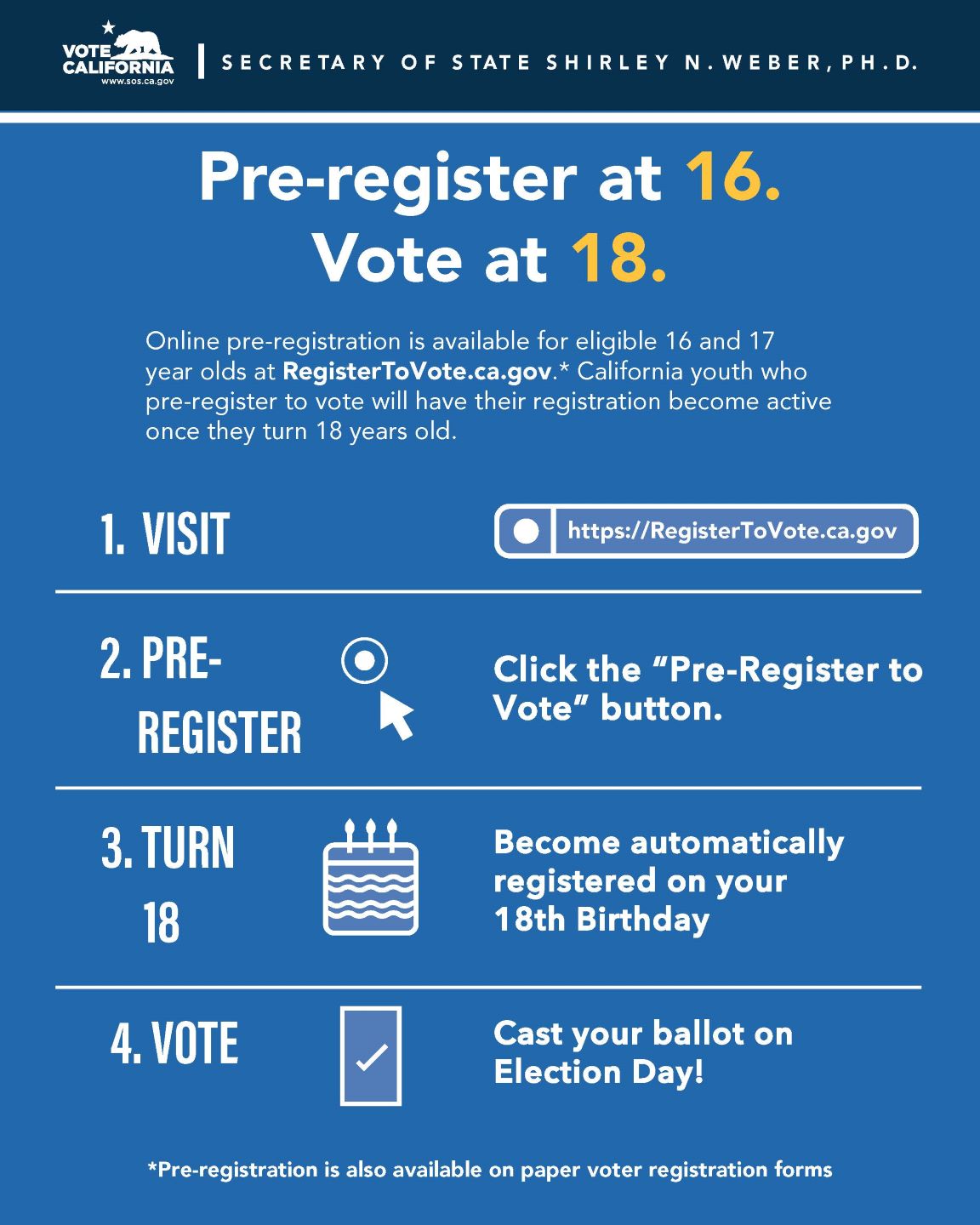
One of the most defining features of California’s electoral process is its universal mail-in ballot system. Since 2020, every registered voter in California automatically receives a vote-by-mail ballot for every election. This system has revolutionized voter access and convenience, aligning perfectly with the modern desire for flexibility.
This means that whether you’re at home, embarking on an extended travel experience, or settled into a temporary accommodation for a few months, your ballot will be sent directly to your registered address. Voters have the option to:
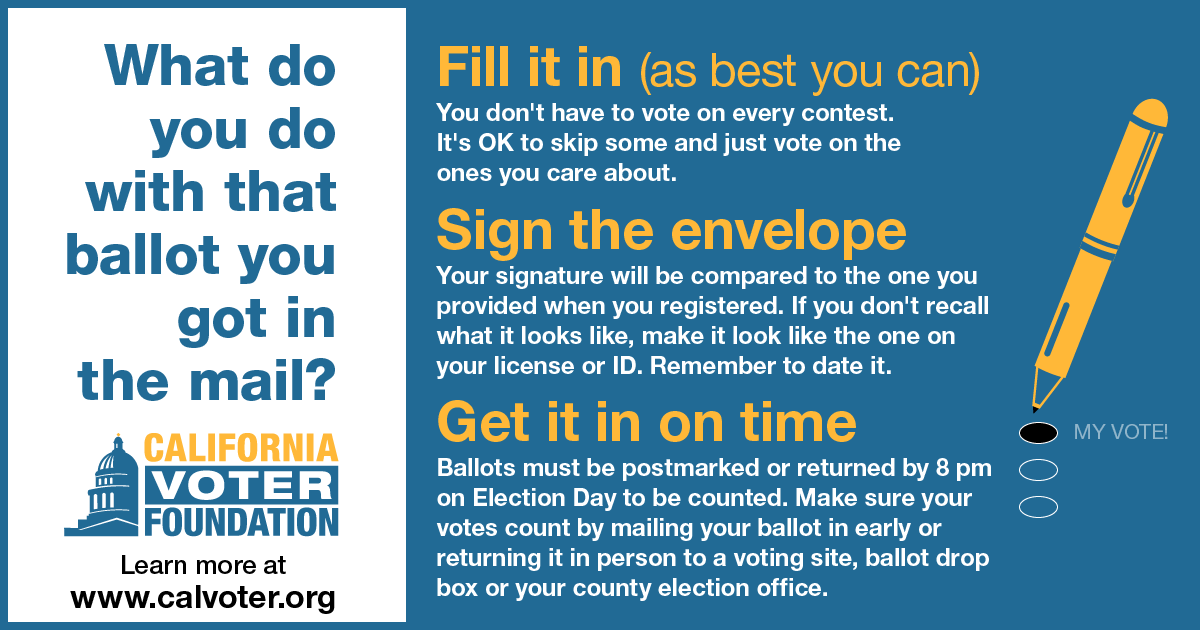
- Mail it back: Using the provided pre-paid envelope. Ballots must be postmarked by Election Day and received within 17 days of Election Day.
- Drop it off: At official ballot drop boxes located throughout each county, often accessible 24/7. These secure boxes are typically found at libraries, city halls, and other public buildings.
- Return it in person: At any polling place or vote center on Election Day.
This system is incredibly beneficial for those whose lifestyles involve frequent movement. A business traveler staying at a series of hotels or a family enjoying a long-term stay in a vacation rental can easily manage their civic duty by ensuring their registration address is up-to-date or by requesting an absentee ballot to be sent to a temporary address. The convenience of this system has significantly boosted voter participation and is a cornerstone of California’s approach to democratic engagement.
In-Person Voting Options
While mail-in ballots are the primary method, California still provides robust in-person voting options for those who prefer them or require assistance. These options ensure that no one is left behind due to technological barriers or personal preference.
- Vote Centers: Many California counties have transitioned from traditional polling places to vote centers. These centers typically open several days or even weeks before Election Day, offering an extended window for voters to cast their ballots. Vote centers provide full-service assistance, including voter registration, conditional voter registration (allowing same-day registration and voting), replacement ballots, and language assistance. They are staffed by trained election workers who can help with any questions or issues.
- Traditional Polling Places: Some counties still utilize traditional polling places, which are open only on Election Day. These are typically local schools, community centers, or religious institutions.
- Accessible Voting Equipment: Both vote centers and polling places are equipped with accessible voting machines for voters with disabilities, ensuring that everyone can cast their ballot privately and independently.
For a traveler exploring California’s numerous landmarks or indulging in luxury travel experiences, finding a vote center or polling place is usually straightforward. The California Secretary of State website offers a comprehensive portal for voters to locate their nearest voting location and check their registration status. This flexibility ensures that even if you’re on a family trip to Disneyland or enjoying the serene beauty of Yosemite National Park, you can plan a brief stop to exercise your right to vote.
Navigating Elections as a Traveler or Temporary Resident
The intersection of civic duty and wanderlust can sometimes present logistical challenges. However, California’s voting system is surprisingly accommodating for those whose lives involve frequent movement. Whether you’re a long-term tourist, a seasonal worker, or a remote professional, participating in elections is entirely feasible with a little planning.
Voting While on a Californian Adventure
Imagine you’ve planned an epic road trip along the Pacific Coast Highway, timed perfectly to coincide with an election. Or perhaps you’re enjoying an extended stay at a resort in Palm Springs. How do you ensure your vote counts?
The key is ensuring your voter registration information is current, especially your mailing address.
- Update Your Registration: If you know you’ll be at a different address (e.g., a friend’s house, a long-term rental, or even a specific hotel) for an extended period covering the election, you can update your voter registration to reflect that temporary mailing address. Be sure to do this well in advance of the registration deadline (typically 15 days before Election Day).
- Track Your Ballot: Once registered, you can track the status of your mail-in ballot online through the California Secretary of State’s “Where’s My Ballot?” tool. This allows you to confirm when your ballot was mailed and when it was received, providing peace of mind even when you’re on the go.
- Drop-Off Convenience: If you receive your ballot before you start your travels but won’t be back home to mail it, remember that you can drop off your completed ballot at any official drop box or vote center in any county within California. This flexibility is a boon for travelers, meaning you don’t have to return to your home county to cast your vote.
For those planning their dream California travel experience, incorporating election dates into your itinerary is a small but meaningful act of civic engagement. Many tourist attractions and destinations are near public facilities that serve as drop boxes or vote centers, making it relatively easy to integrate voting into your exploration.
The Digital Nomad and Absentee Voting
The rise of digital nomads and remote workers has created a new class of global citizens, often without a fixed long-term address. For those who consider California their home state but spend significant time exploring Europe, Asia, or other parts of the United States, the challenge of voting becomes more pronounced.
While California automatically sends mail-in ballots to all registered voters, if you are living outside the country or in another state and cannot receive mail at your registered California address, you need to take additional steps.
- Federal Post Card Application (FPCA): This is the standard form for United States citizens living abroad, including military personnel, to register to vote and request absentee ballots. You can specify a temporary mailing address (e.g., your current overseas apartment or a friend’s address) where you can receive your ballot.
- Electronic Ballot Delivery (Limited): For military and overseas voters, California offers the option to receive their ballot electronically (via email or fax). While you still must print it, sign it, and return it via mail (or fax/email if legally allowed for your specific situation, though physical mail is generally preferred for security), it significantly speeds up delivery.
- Early Planning: The key for digital nomads is to plan well in advance. Understand registration deadlines and ballot return deadlines, factoring in international mailing times if you’re sending a physical ballot back. The Federal Voting Assistance Program (FVAP) website is an excellent resource for overseas voters.

Whether you’re enjoying a budget travel adventure or a sprawling luxury travel experience, your right to vote remains, and California’s system, while not fully online, offers avenues to ensure your participation.
Planning Your Trip Around Election Dates
For dedicated voters who also love to travel, being mindful of election dates can influence trip planning. While the mail-in ballot system largely negates the need to be physically present on Election Day, some prefer the experience of in-person voting or wish to participate in the local atmosphere around an election.
- Key Election Dates: Keep an eye on the primary and general election dates in California. The California Secretary of State website publishes these dates well in advance.
- Voter Registration Deadlines: Ensure you are registered or your registration is updated by the deadline.
- Early Voting Periods: Take advantage of the extended early voting periods at vote centers if you plan to be in California but perhaps departing before Election Day.
- Consider the Impact on Local Tourism: Major election events, while not typically causing widespread disruption, can sometimes affect local services or create a unique atmosphere. For those interested in local culture and experiences, observing an election in action can be a fascinating part of their tourism journey.
By integrating civic responsibility into travel planning, travelers can ensure they don’t miss out on either the beauty of California or the opportunity to shape its future.
The Promise and Perils of Online Voting
The allure of online voting is undeniable, particularly for a state like California that prides itself on technological leadership. The potential for increased participation, convenience, and efficiency seems to align perfectly with a modern, connected lifestyle. However, the path to fully digital democracy is fraught with complex challenges.
Security Concerns and Technological Hurdles
The primary deterrent to widespread online voting is cybersecurity. Election systems are critical infrastructure, and any vulnerability could have catastrophic consequences for democratic legitimacy.
- Hacking and Manipulation: Online systems are inherently targets for malicious actors, including nation-states. Ensuring that votes cannot be altered, deleted, or fabricated without detection is a monumental task. The scale of a statewide or national election makes this exponentially harder.
- Voter Authentication: Verifying a voter’s identity online presents challenges. How can the system guarantee that the person casting the ballot is indeed the registered voter, and not someone coercing them or impersonating them?
- Lack of Paper Trail: A critical aspect of election security is the ability to audit results through a paper trail. Fully online systems often lack this tangible record, making recounts and audits difficult or impossible, undermining trust.
- Digital Divide: While many are digitally connected, not everyone has reliable internet access or the technological literacy to navigate an online voting platform securely. This could disenfranchise segments of the population.
These concerns are not unique to California; they are debated globally. Even technologically advanced countries like Estonia, often cited for its successful online voting system, operate within a unique national context and still face ongoing scrutiny regarding their methods. The National Conference of State Legislatures consistently highlights these significant hurdles.
Accessibility vs. Integrity
The discussion around online voting often pits two crucial democratic values against each other: accessibility and integrity.
- Accessibility Argument: Proponents argue that online voting would make it significantly easier for many people to vote, including those with disabilities, military personnel serving abroad, and busy professionals. It could boost turnout, especially among younger, tech-savvy demographics. For someone staying at a temporary apartment or exploring the vast California landscape, the convenience would be unparalleled.
- Integrity Argument: Opponents emphasize that without absolute assurance of security and accuracy, the entire democratic process is jeopardized. Even a perception of vulnerability can erode public trust in election outcomes, which is arguably more damaging than lower turnout.
Striking the right balance is incredibly difficult. California has prioritized integrity and broad, verifiable access through its mail-in and in-person systems, even if it means foregoing the ultimate digital convenience.
What the Future Might Hold for Digital Democracy
Despite the current challenges, the discussion around online voting is far from over. Technological advancements, such as more robust encryption, blockchain technology, and advanced biometric authentication, continue to evolve.
- Incremental Changes: It’s more likely that any movement towards online voting will be incremental, perhaps starting with highly secure, limited applications for specific populations (e.g., military, overseas voters, or specific types of local elections) where the benefits of accessibility are most critical and the voter pool is smaller and more easily manageable. The U.S. Department of Defense has been a significant proponent of exploring digital solutions for military personnel.
- Continued Research and Pilot Programs: California and other states will likely continue to monitor and potentially participate in pilot programs for secure electronic ballot delivery and return, continuously evaluating new technologies.
- Hybrid Systems: The future might involve hybrid systems, where aspects of the voting process are digitized (e.g., secure online voter registration, personalized digital voter guides, or ballot tracking) while the act of casting the ballot itself remains tied to physically verifiable methods.
For those who embrace a modern lifestyle and expect digital solutions for most transactions, the eventual integration of technology into voting remains a compelling vision. However, the path there requires careful consideration, extensive testing, and a collective commitment to democratic security above all else.
Beyond the Ballot Box: Engaging with Californian Culture and Civics
While the primary focus of “Can I vote online in California?” revolves around the mechanics of elections, a deeper dive reveals how civic engagement can be intrinsically linked to experiencing the state’s rich local culture and vibrant lifestyle. For travelers, new residents, or those simply interested in understanding the fabric of California, engaging with its democratic processes can be as enriching as visiting its famous landmarks.
Experiencing Local Governance and Community Life
Participation in elections is just one facet of civic life. For those on long-term stays or immersive tourism experiences, understanding local governance can provide unique insights into the communities they visit.
- Community Meetings: Attending a city council meeting in Los Angeles, a school board discussion in Sacramento, or a planning commission hearing in a charming coastal town can offer a raw, unfiltered look at local issues, priorities, and the democratic process in action. These gatherings are often open to the public and provide context to the policies that shape daily life.
- Volunteering: Many organizations throughout California rely on volunteers for everything from environmental cleanups to supporting local festivals. Participating can be a rewarding way to connect with the community and understand local needs, offering a different kind of “cultural immersion” that goes beyond typical attractions.
- Civic Education: For those interested in deeper learning, many universities and community colleges offer courses or public lectures on California politics and history. Even visiting a state capitol building, like the one in Sacramento, can offer a tangible connection to the state’s governance.
These experiences reveal that civic engagement isn’t just about Election Day; it’s an ongoing dialogue that shapes communities and reflects the values of its residents.
A Deeper Dive into California’s Diverse Regions
California is not a monolith; its various regions boast distinct identities, economies, and political leanings. Understanding how these differences play out in civic life can enhance any travel itinerary.
- Urban vs. Rural Dynamics: The political concerns of a San Francisco resident differ significantly from those in the agricultural Central Valley or the desert communities near Joshua Tree National Park. Exploring these diverse areas offers insight into the varying needs and perspectives within the state.
- Historical Context: Many California landmarks and historical sites offer a window into the state’s past struggles and triumphs, many of which had significant political and social underpinnings. From missions to Gold Rush towns, the history of democratic evolution is ever-present.
- Policy Spotlights: California is often a testing ground for progressive policies, from environmental protection to social welfare. Understanding these policies, how they are debated, and their impact on communities can provide a richer understanding of California’s lifestyle and future direction.
In conclusion, while you cannot vote online in California in the way you might book an apartment or plan a trip, the state offers robust and flexible options for civic participation. Whether you’re a long-time resident, a digital nomad, or a visitor captivated by the state’s allure, the mail-in ballot system and accessible in-person voting ensure that your voice can be heard. Moreover, delving into the civic life of California offers a unique and enriching dimension to any travel or tourism experience, connecting you more deeply to the Golden State’s vibrant culture and enduring democratic spirit.
LifeOutOfTheBox is a participant in the Amazon Services LLC Associates Program, an affiliate advertising program designed to provide a means for sites to earn advertising fees by advertising and linking to Amazon.com. Amazon, the Amazon logo, AmazonSupply, and the AmazonSupply logo are trademarks of Amazon.com, Inc. or its affiliates. As an Amazon Associate we earn affiliate commissions from qualifying purchases.