
The allure of Maine is undeniable, drawing visitors from across the globe with its rugged coastline, picturesque lighthouses, delectable lobster, and charming towns. From the bustling streets of Portland to the serene beauty of Acadia National Park, the Pine Tree State offers a diverse tapestry of experiences. For both travelers planning their next getaway and those who call this beautiful state home, understanding the economic landscape is key to appreciating the full picture of life and tourism in Maine. A significant piece of this economic puzzle is the minimum wage, a figure that not only shapes the livelihoods of countless residents but also subtly influences the cost and quality of the very experiences visitors come to enjoy.
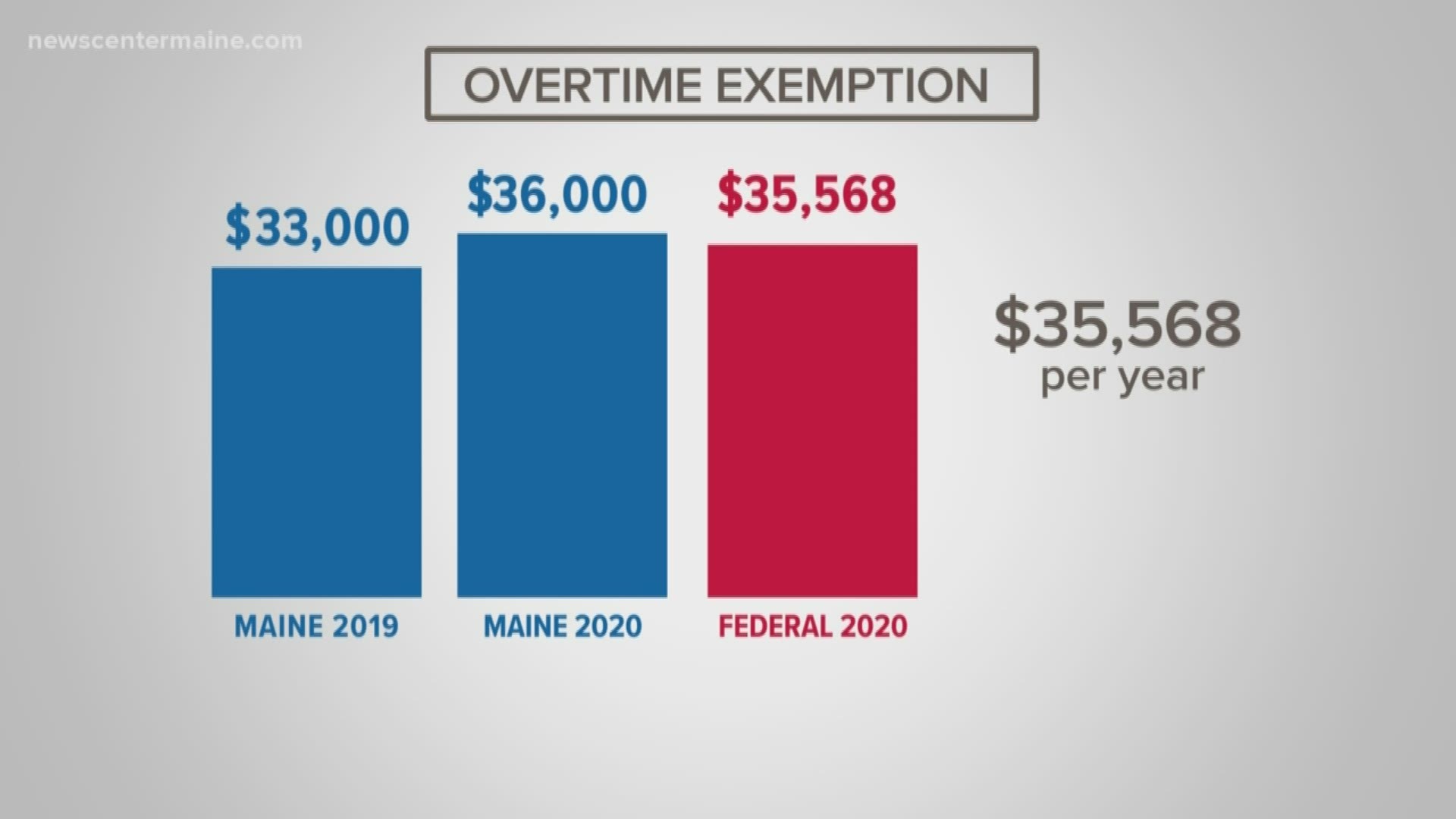
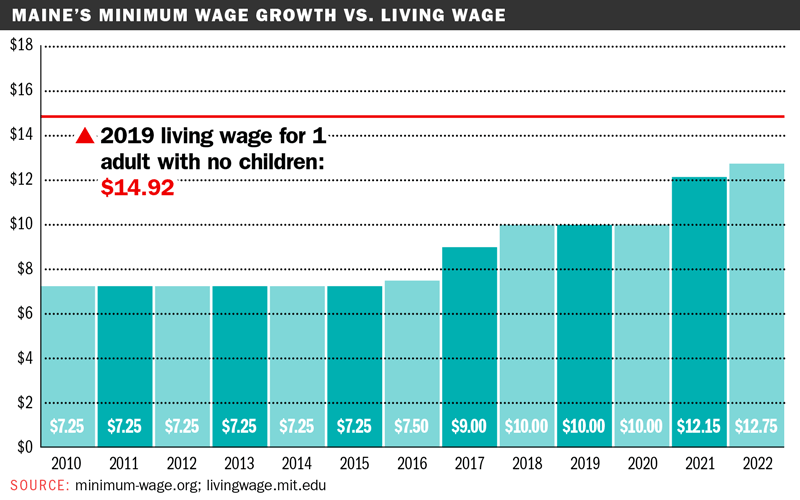
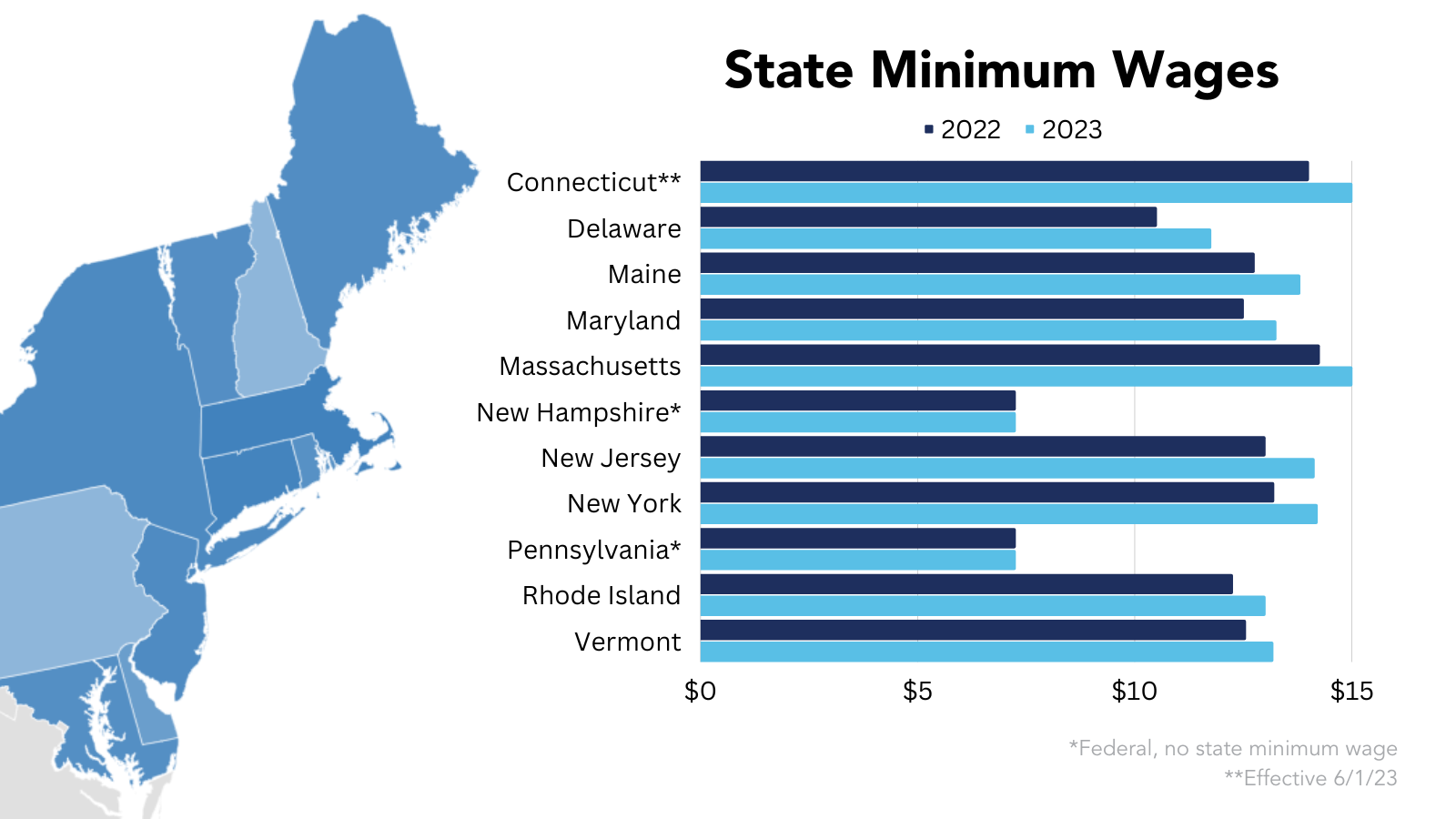
As of 2024, the minimum wage in Maine stands at $14.15 per hour. This rate reflects the state’s proactive approach to ensuring a fair living wage for its workforce, a policy that has evolved significantly over the past decade. Maine has consistently raised its minimum wage beyond the federal standard, a move driven by a desire to improve economic stability for its residents. This commitment to a higher minimum wage directly impacts a vast array of sectors, most notably the tourism and hospitality industries, which are the lifeblood of many Maine communities. From the dedicated staff who clean the luxurious suites at the Cliff House Maine to the friendly faces serving up fresh seafood in Bar Harbor, their wages are a foundational element of the state’s service economy. This economic decision, while primarily aimed at worker well-being, cascades through the entire system, touching everything from hotel prices and restaurant menus to the overall cost of a dream vacation in Maine.
The Economic Pulse: Minimum Wage and Maine’s Tourism Industry
Maine’s economy is intrinsically linked to its thriving tourism sector. Millions visit annually, seeking everything from adventurous hiking trails to relaxing spa retreats. This influx of visitors supports a vast network of businesses, from quaint bed and breakfasts to expansive resorts, and from family-run lobster shacks to upscale dining establishments. The minimum wage plays a pivotal role in the operational dynamics of these enterprises, shaping their staffing decisions, pricing strategies, and ultimately, the quality of the visitor experience.
Impact on Businesses: Hotels, Restaurants, and Attractions
For businesses in Maine’s hospitality industry, the minimum wage represents a significant operational cost. Hotels, for instance, rely heavily on staff for everything from front desk operations and concierge services to housekeeping and maintenance. A hotel like The Press Hotel in Portland, known for its upscale accommodations and prime location, must factor these labor costs into its room rates. Similarly, the myriad restaurants dotting the Maine coastline, from casual diners to fine dining establishments, calculate their menu prices with employee wages in mind. The cost of preparing a classic Maine lobster bake, serving a gourmet meal, or providing exceptional service extends beyond the raw ingredients; it includes the labor involved in every step.
Attractions also feel this impact. Tour operators showcasing the natural beauty of Acadia National Park, guides leading kayak excursions along the coast, or staff managing admissions at museums and historic landmarks all contribute to the visitor experience. Their wages are part of the overhead that determines the price of tickets or tour packages. For many small, independent businesses—the very heart of Maine’s charm—managing these rising labor costs can be a delicate balancing act. They strive to provide competitive wages to attract and retain quality staff, all while keeping their prices attractive enough to draw tourists in a competitive market. Larger resorts and hotel chains, with potentially greater economies of scale, might navigate these costs differently, but the underlying principle remains: labor is a substantial investment in delivering a memorable stay. Balancing fair wages with competitive pricing is crucial for the long-term sustainability of Maine’s tourism ecosystem, ensuring that visitors receive excellent service while supporting a healthy local economy.
Lifestyle and Livelihoods: Workers in the Hospitality Sector
Beyond the balance sheets of businesses, the minimum wage profoundly impacts the lives of the thousands of individuals who form the backbone of Maine’s tourism industry. These are the front desk agents who welcome guests to their accommodation, the chefs and servers who prepare and deliver delicious meals, the housekeepers who ensure a comfortable stay, and the tour guides who share Maine’s stories and secrets. For many, especially in popular tourist destinations like Kennebunkport or Bar Harbor, the cost of living, particularly housing, can be exceptionally high. A higher minimum wage directly enhances their ability to afford a decent quality of life in the communities they serve.
Many hospitality jobs in Maine are seasonal, especially in coastal towns that thrive during the warmer months. The minimum wage provides a crucial base income during these peak periods, allowing workers to save for the quieter off-season. While tips often supplement the income of service staff, a robust minimum wage provides a safety net and a more predictable income stream. This stability can reduce staff turnover, fostering a more experienced and dedicated workforce, which in turn leads to better service quality for visitors. When workers feel valued and adequately compensated, they are more likely to be engaged, enthusiastic, and provide the authentic, warm Maine hospitality that visitors cherish. The ability for these workers to live comfortably, afford local amenities, and even enjoy their own travel within or outside of Maine when not working, creates a healthier, more vibrant community for everyone.
Navigating Maine: Minimum Wage’s Influence on Traveler Experience and Budgeting
For those planning a trip to Maine, understanding the economic factors at play can help in budgeting and appreciating the value of their experience. The minimum wage, while not directly listed on a hotel bill or restaurant menu, indirectly influences the prices travelers encounter for accommodation, dining, and activities. This insight allows for a more informed and potentially more ethical approach to travel.
Budgeting for Your Maine Getaway
Travelers considering a visit to Maine will undoubtedly encounter prices that reflect the state’s cost of living and doing business, including its higher minimum wage. Accommodation options, from cozy bed and breakfasts to luxurious resorts, will incorporate labor costs into their pricing. Dining experiences, whether a casual lobster roll by the sea or an exquisite meal in Portland’s renowned food scene, also factor in the wages of the skilled individuals preparing and serving the food. Similarly, the cost of guided tours, historical site admissions, or recreational activities will cover the wages of the professionals facilitating these experiences.
For budget-conscious travelers, this means being strategic. Exploring free attractions, such as walking through Portland‘s historic Old Port, hiking trails in state parks, or simply enjoying Maine’s scenic beauty, can significantly reduce costs. Opting for self-catering in an apartment rental, staying in more budget-friendly motels during the off-peak season, or taking advantage of package deals can also help manage expenses. For luxury travelers, the impact of the minimum wage might be less noticeable, as premium experiences inherently command higher prices. However, understanding that a portion of that higher price goes towards fair compensation for staff can add another layer of appreciation for the quality of service received at a high-end resort or a Michelin-starred restaurant. Ultimately, a well-planned budget allows travelers to enjoy Maine’s unique offerings without compromising on the value they receive.
Supporting Local: The Ethical Traveler
In an age where responsible tourism is gaining prominence, understanding the local economic context, including wage policies, empowers travelers to make more ethical choices. When visitors spend their money at businesses in Maine that pay a fair minimum wage, they are directly contributing to the economic well-being of the local community. This goes beyond simply putting money into the local economy; it supports a system that strives to provide a decent standard of living for the people who make the tourism experience possible. Choosing a restaurant where staff appear well-compensated and treated, staying at an accommodation known for its employee satisfaction, or purchasing goods from local artisans who thrive on fair practices can enhance the travel experience with a sense of positive impact.
The “ethical traveler” recognizes that the warmth and authenticity of local culture, food, and activities are often delivered by individuals whose livelihoods depend on tourism. By appreciating the value of quality service provided by well-compensated staff, visitors help sustain a virtuous cycle. A thriving local workforce, supported by fair wages, contributes to vibrant communities that are proud of their heritage and eager to share it with visitors. This fosters a more sustainable tourism model where the benefits are shared more broadly, ensuring that Maine remains a welcoming and prosperous destination for generations to come, for both its residents and its myriad guests.
Looking Ahead: The Future of Work and Tourism in Maine
The ongoing discussion around minimum wage in Maine reflects a broader national dialogue about economic growth, social equity, and the sustainability of industries like tourism. As Maine continues to attract visitors and residents alike, its commitment to a progressive minimum wage will undoubtedly shape its future. This includes potential trends such as increased automation in certain sectors to offset labor costs, a greater emphasis on specialized skills within the hospitality industry, and the evolution of niche tourism markets that cater to specific traveler demands.
[Maine](https://lifeoutofthebox.com/maine]’s unique charm—its rugged beauty, rich history, and welcoming communities—is its greatest asset. The challenge and opportunity lie in maintaining this authenticity and appeal while adapting to evolving economic realities. Striking a balance between fostering a competitive business environment and ensuring a livable wage for its workforce is paramount. This balanced approach will ensure that [Maine](https://lifeoutofthebox.com/maine] remains not only a premier travel destination but also a place where residents can thrive, contributing to the genuine hospitality that makes every visit so special. The minimum wage in Maine is more than just a number; it’s a reflection of the state’s values and a key ingredient in the vibrant tapestry of its tourism, lifestyle, and community well-being. LifeOutOfTheBox is a participant in the Amazon Services LLC Associates Program, an affiliate advertising program designed to provide a means for sites to earn advertising fees by advertising and linking to Amazon.com. Amazon, the Amazon logo, AmazonSupply, and the AmazonSupply logo are trademarks of Amazon.com, Inc. or its affiliates. As an Amazon Associate we earn affiliate commissions from qualifying purchases.