
The allure of Lake Tahoe beckons to many seeking an escape from the urban bustle, and for those residing in or visiting San Francisco, its majestic beauty is often within reach. Understanding the distance and travel time to this iconic alpine lake is the first step in planning an unforgettable journey. Whether you envision a spontaneous weekend getaway or a meticulously planned adventure, knowing the practicalities of reaching Lake Tahoe from the vibrant city by the bay will streamline your preparations and enhance your anticipation. This guide explores the various routes, considerations, and approximate travel times, ensuring your trip from San Francisco to Lake Tahoe is as smooth as the pristine waters you’re heading towards.

Understanding the Distance and Travel Time
The distance between San Francisco and Lake Tahoe is not a single, fixed number, as Lake Tahoe is a large basin encompassing numerous towns, attractions, and access points. The most common destination within the Lake Tahoe region for visitors traveling from San Francisco is often South Lake Tahoe, known for its vibrant atmosphere, casinos, and proximity to ski resorts like Heavenly Mountain Resort.
Driving Distances and Times
The primary driving routes from San Francisco to Lake Tahoe involve crossing the Sierra Nevada mountains. The most popular route is via Interstate 80 (I-80) towards Sacramento, then transitioning to U.S. Route 50 (US-50) towards South Lake Tahoe.
-
To South Lake Tahoe via I-80 and US-50:
- Distance: Approximately 190-200 miles (305-322 kilometers).
- Estimated Driving Time: Under normal conditions, the drive typically takes between 3.5 to 4.5 hours. However, this is highly variable. Factors such as traffic congestion, particularly when leaving the Bay Area on weekends or holidays, road conditions, and weather can significantly extend this time. During peak ski season or summer weekends, it’s not uncommon for the journey to take 5 hours or more.
-
To North Lake Tahoe (e.g., Tahoe City, Truckee):
- Distance: Approximately 200-210 miles (322-338 kilometers).
- Estimated Driving Time: Similar to South Lake Tahoe, expect around 3.5 to 4.5 hours without significant delays. The route via I-80 is the most direct to this side of the lake.
Key Factors Influencing Travel Time
Several variables can dramatically alter your expected travel time from San Francisco to Lake Tahoe:
- Time of Day and Day of Week: Leaving San Francisco during rush hour on a weekday or on a Friday afternoon heading into a weekend will undoubtedly add considerable time due to traffic in the Bay Area and on the approaches to the mountains. Early morning departures or mid-week travel are often more efficient.
- Season and Weather: Lake Tahoe experiences distinct seasons, each impacting travel.
- Winter (December – March): Snow and ice are common, especially at higher elevations. Chain controls for vehicles are frequently implemented on mountain passes, requiring drivers to fit chains to their tires or drive a 4WD/AWD vehicle with appropriate tires. This can slow traffic considerably and may even lead to road closures. Checking Caltrans (California Department of Transportation) for current road conditions is essential.
- Summer (June – August): This is a peak travel season for Lake Tahoe, with warm weather attracting hikers, swimmers, and outdoor enthusiasts. Increased traffic can be expected on weekends and holidays.
- Spring and Fall: These shoulder seasons can offer pleasant driving conditions, but unpredictable weather, especially in early spring and late fall, can still bring snow to the passes.
- Construction and Roadwork: Seasonal maintenance and construction projects on major highways like I-80 and US-50 can cause delays.
- Stops: The estimated driving times do not include stops for gas, food, or sightseeing. Factor in additional time if you plan to break up the drive.
Planning Your Journey: Routes and Considerations
When planning your trip from San Francisco to Lake Tahoe, choosing the right route and being prepared for potential challenges are crucial. The two primary driving routes offer slightly different experiences and access points to the lake.
Route Options
- The I-80 Corridor (Primarily for North Lake Tahoe): This is generally the fastest route to the northern parts of Lake Tahoe, including towns like Truckee and Tahoe City. You’ll head east from San Francisco on I-80, bypassing Sacramento and ascending into the Sierra Nevada. This route is typically well-maintained but can be subject to severe winter weather.
- The US-50 Corridor (Primarily for South Lake Tahoe): For those heading to South Lake Tahoe and its popular attractions like Stateline casinos and Heavenly Mountain Resort, this route is more direct. After driving east from San Francisco, you’ll typically take I-580 E to I-5 S to US-50 E. This route also involves significant mountain driving and can be affected by winter conditions.
Transportation Alternatives

While driving is the most common method, other transportation options exist, each with its own set of advantages and limitations:
- Bus Services: Several bus companies offer routes from the Bay Area to Lake Tahoe. These can be a cost-effective and stress-free alternative, allowing you to relax and enjoy the scenery without the burden of driving. Companies like FlixBus and Greyhound may offer services, often with connections in Sacramento. Travel times can be longer than driving, typically ranging from 5 to 7 hours depending on the route and stops.
- Shuttle Services: Private shuttle companies and some resort-specific services operate between the Bay Area and Lake Tahoe, particularly during ski season. These often offer more direct routes and may have flexible pickup points. Booking in advance is highly recommended.
- Rental Cars: If you’re flying into San Francisco International Airport (SFO) or Oakland International Airport (OAK), renting a car upon arrival provides the most flexibility for exploring Lake Tahoe at your own pace. Ensure the rental agreement permits travel to Lake Tahoe and consider the need for snow tires or chains if traveling in winter.
- Private Drivers/Tours: For a luxurious and convenient experience, private car services or organized tours are available. These can be costly but eliminate all planning and driving stress, allowing you to fully immerse yourself in the journey.
Essential Preparations for Your Trip
Regardless of your chosen mode of transport, proper preparation is key to a successful trip to Lake Tahoe from San Francisco.
- Check Road Conditions: Before you depart, especially during the colder months, always check Caltrans for real-time road conditions, chain requirements, and any potential closures. Websites and mobile apps provide up-to-the-minute information.
- Vehicle Preparedness: If driving, ensure your vehicle is in good working order. Check tire pressure, fluid levels, and brakes. If traveling in winter, ensure you have a full tank of gas, blankets, water, and non-perishable snacks in case of delays. Snow tires or chains are often mandatory for mountain passes during winter.
- Navigation: While GPS is readily available, cell service can be spotty in the mountains. Downloading offline maps for the Lake Tahoe area is a prudent measure.
- Book Accommodations: Lake Tahoe is a popular destination year-round. Booking your lodging in advance, especially for weekends and holidays, is highly advisable to secure your preferred accommodations and potentially better rates. Options range from luxury resorts like The Ritz-Carlton, Lake Tahoe to cozy cabins and hotels in towns like South Lake Tahoe and Incline Village.
- Pack Appropriately: Lake Tahoe’s weather can change rapidly. Pack layers of clothing, including warm outerwear, waterproof gear, and comfortable shoes for walking and exploring. Sunscreen and sunglasses are essential year-round due to the high altitude and sun reflection off the snow and water.
Experiencing Lake Tahoe: Beyond the Distance
Once you’ve navigated the distance from San Francisco to Lake Tahoe, a world of natural beauty and recreational activities awaits. The journey is merely the prelude to the experiences that make Lake Tahoe a premier travel destination.
Summer Adventures
During the warmer months, Lake Tahoe transforms into a playground for water sports and outdoor exploration.
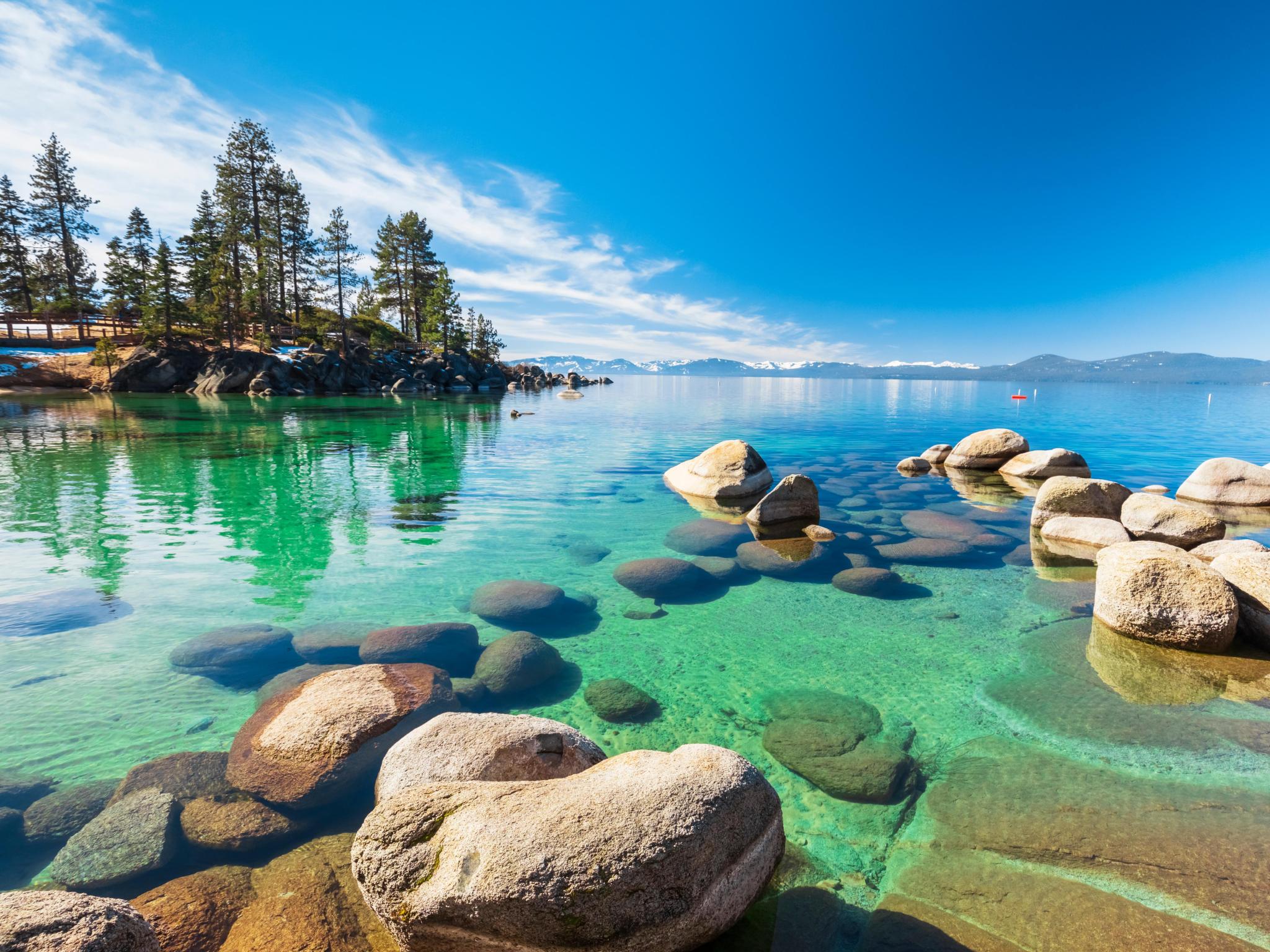
- Water Activities: The crystal-clear, sapphire-blue waters of Lake Tahoe are perfect for swimming, boating, kayaking, paddleboarding, and jet skiing. Numerous beaches and marinas dot the shoreline, offering rentals and access points. Popular spots include Sand Harbor State Park on the Nevada side and Pope Beach near South Lake Tahoe.
- Hiking and Biking: The Lake Tahoe Basin boasts an extensive network of trails catering to all fitness levels. The famous Rubicon Trail offers stunning lake views, while trails around Emerald Bay State Park provide breathtaking vistas. Mountain biking trails also abound, from scenic pathways to challenging downhill routes.
- Scenic Drives: Driving around the lake offers unparalleled views. The full circumference is approximately 72 miles, and while it can be driven in a day, taking your time to stop at viewpoints is highly recommended.
Winter Wonders
Lake Tahoe is world-renowned for its exceptional skiing and snowboarding.
- Ski Resorts: The basin is home to numerous world-class ski resorts, including Palisades Tahoe (formerly Squaw Valley and Alpine Meadows), Heavenly Mountain Resort, Northstar California, and Kirkwood Mountain Resort. These resorts offer diverse terrain for all skill levels, from beginner slopes to challenging expert runs, complemented by excellent après-ski entertainment.
- Snowshoeing and Cross-Country Skiing: For a more serene winter experience, numerous trails are groomed for snowshoeing and cross-country skiing, offering a chance to explore the snow-covered forests and meadows.
- Other Winter Activities: Sleigh rides, ice skating, and snowmobiling tours add to the winter allure.
Year-Round Attractions and Culture
Beyond outdoor adventures, Lake Tahoe offers a rich tapestry of dining, entertainment, and cultural experiences.
- Casinos and Entertainment: The towns of Stateline and South Lake Tahoe on the Nevada side are famous for their vibrant casino scene, offering gaming, live music, and dining.
- Dining: From casual lakeside cafes to fine dining restaurants, Lake Tahoe provides a diverse culinary landscape. Enjoy fresh seafood, hearty mountain cuisine, and local craft beers.
- Arts and Culture: Explore local art galleries, attend seasonal festivals, and learn about the history of the Washoe Tribe and the development of this stunning region.
The journey from San Francisco to Lake Tahoe is more than just a measure of miles; it’s a transition from urban sophistication to natural grandeur. By understanding the distances, planning your route wisely, and preparing for the unique conditions of the Sierra Nevada, you can ensure your travel is seamless, allowing you to fully embrace the magic that awaits at Lake Tahoe.
LifeOutOfTheBox is a participant in the Amazon Services LLC Associates Program, an affiliate advertising program designed to provide a means for sites to earn advertising fees by advertising and linking to Amazon.com. Amazon, the Amazon logo, AmazonSupply, and the AmazonSupply logo are trademarks of Amazon.com, Inc. or its affiliates. As an Amazon Associate we earn affiliate commissions from qualifying purchases.