
Navigating the parking landscape of a major metropolis like Chicago can feel like deciphering an ancient code. For visitors and even some long-time residents, understanding the nuances of parking regulations, particularly on weekends, is crucial for a smooth and enjoyable experience. One frequently asked question revolves around the cost of street parking on Sundays. This guide aims to demystify Chicago’s Sunday parking policies, offering clarity and practical advice for those exploring the city’s vibrant neighborhoods, world-class attractions, and culinary delights.
Understanding Chicago’s Parking Zones and Regulations
Chicago employs a complex system of parking regulations designed to manage traffic flow, ensure accessibility, and generate revenue. These rules vary significantly depending on the location, time of day, and day of the week. Understanding these fundamental principles is the first step in answering whether street parking is free on Sundays.

Metered Parking Zones
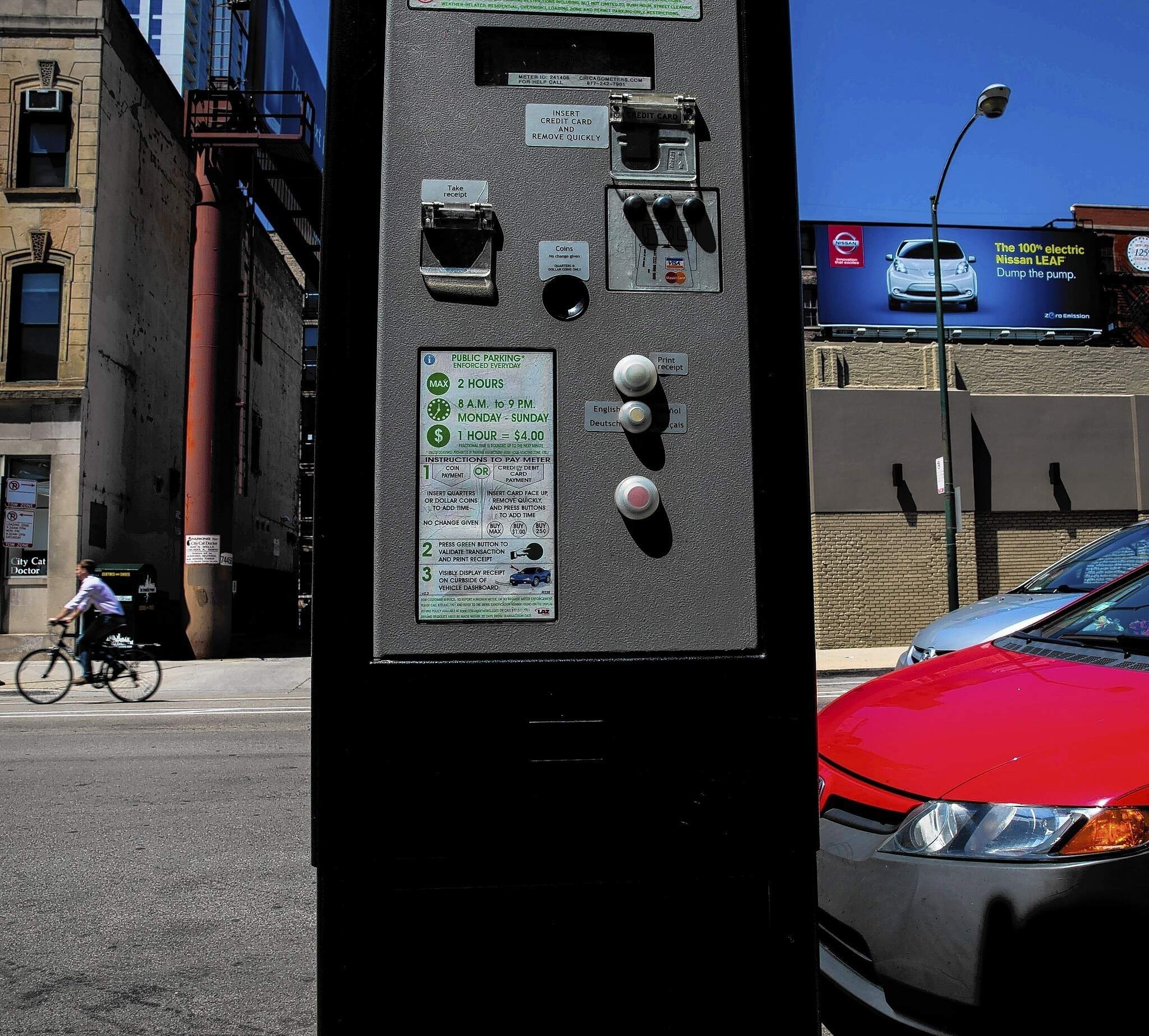
A significant portion of Chicago’s on-street parking is subject to metering. These meters are typically active during specific hours, and their operation is clearly indicated by signage. The primary purpose of metered parking is to encourage turnover and make parking available in high-demand areas.
Residential Permit Parking (RPP)
Certain neighborhoods in Chicago have implemented Residential Permit Parking (RPP) zones. These areas are designed to give priority to residents who have purchased permits. While RPP zones often have restrictions on non-permit holders, especially during certain hours, their applicability to Sundays and the general availability of non-metered parking can vary. Signs clearly delineate these zones and their operating hours.
Special Event Parking
In areas surrounding major Chicago attractions and venues, parking regulations can change dramatically on event days. This includes increased meter rates, temporary restrictions, or the implementation of special event parking plans. It is always advisable to check local signage when parking near stadiums, concert halls, or popular tourist spots.
The Role of Signage
The most authoritative source of parking information is always the official signage posted on the street. These signs provide critical details regarding hours of operation, meter rates, time limits, permit requirements, and street cleaning schedules. It is imperative to read these signs carefully before leaving your vehicle to avoid citations.
Sunday Street Parking: The General Rule
In Chicago, the general rule for unmetered street parking is that it is typically free on Sundays. This applies to many residential streets and some commercial areas outside of highly trafficked zones where metered parking is in effect seven days a week. This policy is a welcome reprieve for locals and visitors alike, making it easier to explore various neighborhoods without the immediate concern of feeding a meter.
However, this “free” parking is not universal and comes with important caveats. The absence of active meters does not negate other parking regulations.
Areas with Persistent Metering
Certain areas in Chicago, particularly in the downtown core and around major attractions like the Navy Pier or the Magnificent Mile, may have metered parking that operates seven days a week, including Sundays. These meters often have extended hours, sometimes running late into the evening. The intent here is to manage the continuous flow of visitors and shoppers. Always look for the meter itself or accompanying signage that specifies operating hours. If a meter is present and its posted hours include Sunday, you should expect to pay.
Street Cleaning Schedules
A common reason for ticketing on Sundays, even in areas where meters are not active, is adherence to street cleaning schedules. Many Chicago streets have posted regulations requiring vehicles to be moved on specific days and times for cleaning. These schedules are often in effect on Sundays. If you park on a street with a posted “No Parking” sign for street cleaning on a Sunday, and fail to move your vehicle, you will be ticketed. These signs are usually distinct from parking meters and clearly state the days and times for cleaning.
Residential Permit Parking (RPP) on Sundays
Residential Permit Parking (RPP) zones in Chicago can present a bit more complexity. While some RPP zones may have relaxed enforcement or no restrictions on Sundays for non-permit holders, this is not a guarantee. The specific rules for each RPP zone are determined by the Chicago Department of Transportation and are clearly posted at the entrances to these zones. If you are parking in an RPP area on a Sunday, carefully check the signage to confirm if any restrictions apply to non-permit holders. Generally, if the sign does not explicitly state Sunday exemptions, assume standard RPP rules apply.
Tips for Sunday Parking in Chicago
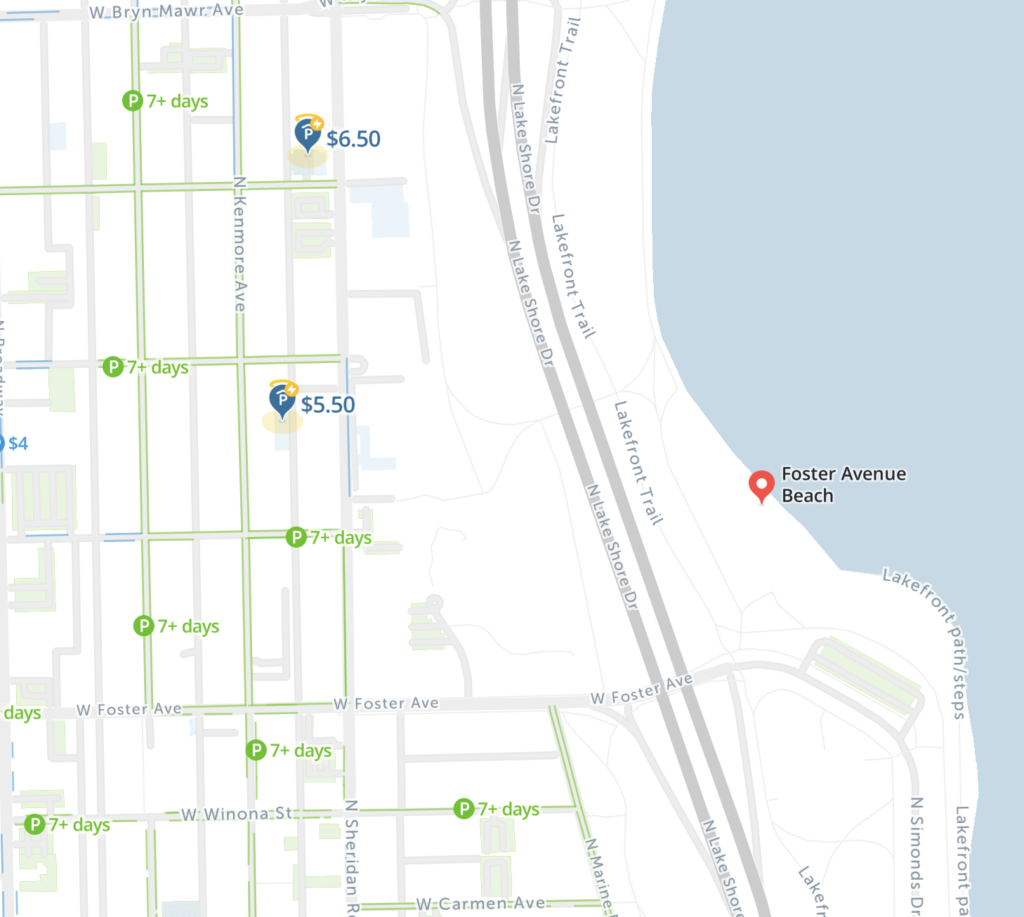
To maximize your chances of finding convenient and affordable parking on a Sunday in Chicago, consider these practical tips:
Plan Your Destination
Before you leave your accommodation, have a clear understanding of where you are going and the typical parking situation in that area. Neighborhoods like Lincoln Park, Wicker Park, or the West Loop may have different parking dynamics than the Loop or River North. Researching the specific address or attraction online can often provide helpful parking information.
Embrace Public Transportation
Chicago boasts an excellent public transportation system, including the ‘L’ train and an extensive bus network. On Sundays, utilizing public transit can often be more efficient and cost-effective than dealing with parking, especially in congested areas. This is particularly true if your primary destination is a popular tourist attraction like the Art Institute of Chicago or a major sporting event.
Utilize Parking Apps
Several mobile applications can help you find available parking spots, compare prices, and even pay for parking remotely. Apps like SpotHero or ParkWhiz are invaluable tools for navigating Chicago’s parking landscape. While they primarily focus on off-street parking garages and lots, they can sometimes offer insights into street parking availability and associated costs or restrictions in specific areas.
Arrive Early
If you are determined to find street parking, especially in popular neighborhoods, arriving earlier in the day is often your best strategy. This increases your chances of finding an available spot before most visitors and residents have begun their Sunday activities.
Always Read the Signs
This cannot be stressed enough. Parking regulations in Chicago are subject to change and vary from block to block. Take the extra minute to read all posted signs thoroughly. Pay attention to hours of operation, time limits, permit requirements, street cleaning schedules, and any temporary restrictions. A small amount of vigilance can save you a significant amount of money and frustration.
Consider Off-Street Parking
While this article focuses on street parking, it’s worth noting that numerous parking garages and lots are available throughout Chicago. On Sundays, these can sometimes offer competitive rates, especially if you plan to be in one area for an extended period. Many also have online booking options, allowing you to secure a spot in advance. This is a particularly good option when visiting major attractions or during peak tourist seasons.
Exceptions and Potential Pitfalls
While the general rule of free street parking on Sundays holds true for many parts of Chicago, there are notable exceptions and potential pitfalls to be aware of. Understanding these exceptions will help you avoid unexpected tickets and towing.
Downtown and High-Traffic Areas
As mentioned, the central business district and areas with high foot traffic, such as the Magnificent Mile, the Loop, and the vicinity of stadiums like Wrigley Field or Soldier Field, often maintain metered parking on Sundays. These areas are crucial for commerce and tourism, and the city prioritizes managing parking availability. If you see a parking meter, assume it is active unless explicitly stated otherwise by signage.
Posted Time Limits
Even on streets where parking is free on Sundays, there may still be posted time limits. These are often implemented to ensure a steady turnover of available spots. For example, you might find “2-hour parking” signs in effect throughout the day. Exceeding these limits can result in a ticket, even if no meter is present.
Street Cleaning
Chicago has a rigorous street cleaning program that often includes Sundays. If you park on a street with posted street cleaning signs that indicate Sunday restrictions, you must move your vehicle during the specified hours. Failure to do so will result in a ticket. These signs are distinct from parking meters and are critical to observe.
Tow-Away Zones
Beyond metered or street cleaning restrictions, be aware of permanent tow-away zones. These areas are clearly marked with prominent signs and prohibit parking at all times, including Sundays. Examples include fire hydrants, bus stops, alley entrances, and loading zones. Parking in a tow-away zone is a surefire way to get your vehicle impounded.
Special Events and Construction
Chicago frequently hosts special events, festivals, and marathons, especially on weekends. These events often lead to temporary street closures and parking restrictions, which can override regular Sunday parking rules. Similarly, construction projects can necessitate temporary parking bans. Always look for temporary signage that might be in place due to these circumstances.
In conclusion, while many areas of Chicago offer free street parking on Sundays, it is not a universal guarantee. A thorough understanding of local regulations, meticulous attention to signage, and smart planning are essential for a stress-free parking experience. By staying informed and observant, you can confidently explore all that this dynamic city has to offer.
LifeOutOfTheBox is a participant in the Amazon Services LLC Associates Program, an affiliate advertising program designed to provide a means for sites to earn advertising fees by advertising and linking to Amazon.com. Amazon, the Amazon logo, AmazonSupply, and the AmazonSupply logo are trademarks of Amazon.com, Inc. or its affiliates. As an Amazon Associate we earn affiliate commissions from qualifying purchases.