
The question of distance between two iconic Californian metropolises, Los Angeles and San Francisco, is a perennial one for travelers planning their next adventure. Whether you’re dreaming of a scenic road trip along the coast, a swift flight for a business meeting, or a comfortable train journey, understanding the mileage and travel times is crucial for efficient planning. This comprehensive guide breaks down the various ways to traverse the approximately 380 miles separating these vibrant cities, offering insights into the unique experiences each mode of transport provides.
Driving the Distance: The Iconic Road Trip
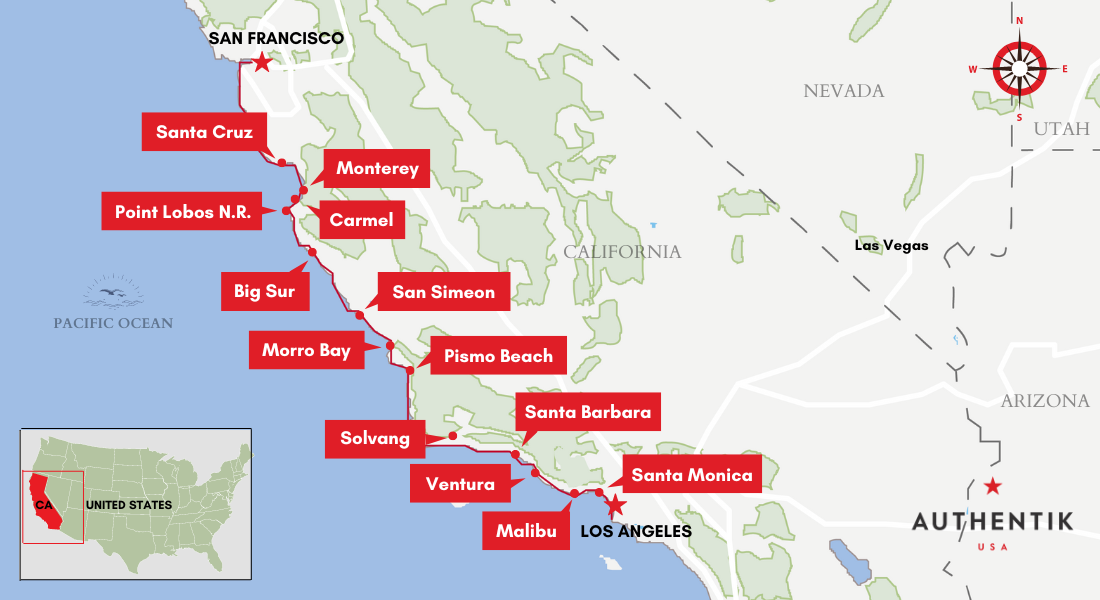
The drive from Los Angeles to San Francisco is more than just a transit; it’s an opportunity for an unforgettable California road trip. The most direct route, Interstate 5 (I-5), offers the quickest way to cover the ground. However, for those with time to spare and a desire for breathtaking scenery, the coastal Highway 1 presents a far more rewarding, albeit longer, experience.
The Direct Route: Interstate 5 (I-5)
- Distance: Approximately 380 miles.
- Estimated Driving Time: 5.5 to 6.5 hours, without significant traffic or stops.
- Scenery: Largely agricultural with rolling hills. This route is primarily for efficiency.
- Key Considerations: Traffic can be a significant factor, especially when departing Los Angeles during peak hours or approaching San Francisco during commute times. It’s advisable to check real-time traffic conditions before setting off. Rest stops and gas stations are plentiful along this major artery.
The Scenic Route: Pacific Coast Highway (Highway 1)
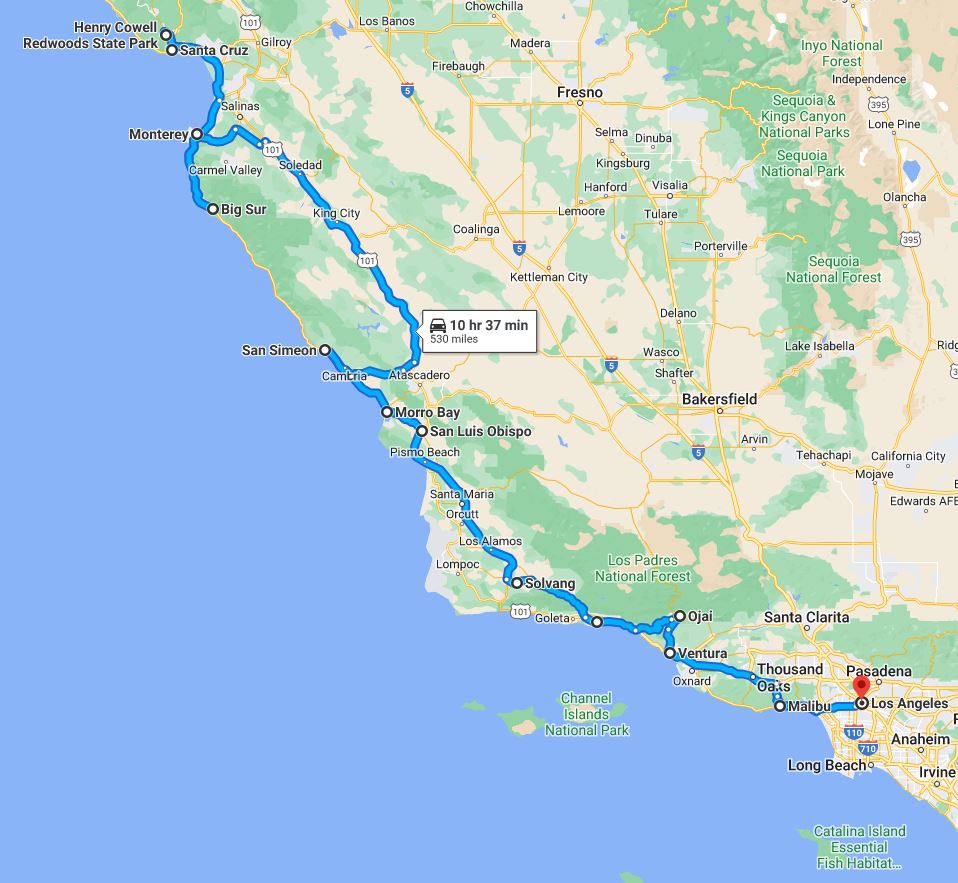
- Distance: Significantly longer, ranging from 450 to over 500 miles depending on the exact path and detours.
- Estimated Driving Time: A minimum of 9 to 10 hours of pure driving, but realistically, this route is best enjoyed over 2-4 days to fully appreciate its splendor.
- Scenery: This is where the magic happens. Highway 1 winds along the dramatic coastline, offering unparalleled views of the Pacific Ocean, rugged cliffs, charming beach towns, and iconic landmarks.
- Must-See Stops Along the Way:
- Santa Barbara: A charming coastal city known for its Spanish colonial architecture, beautiful beaches, and vibrant downtown.
- Solvang: A unique Danish village offering distinctive architecture, bakeries, and shops.
- Hearst Castle: A magnificent estate built by William Randolph Hearst, offering guided tours of its opulent rooms and gardens.
- Big Sur: The crown jewel of the PCH, featuring breathtaking vistas, redwood forests, and iconic bridges like the Bixby Creek Bridge.
- Carmel-by-the-Sea: An idyllic seaside village with fairytale cottages, art galleries, and a stunning white-sand beach.
- Monterey: Famous for its world-renowned Monterey Bay Aquarium and historic Cannery Row.
- Key Considerations: Highway 1 can be prone to closures due to landslides, especially during the rainy season. Always check road conditions before embarking on this journey. Many sections are winding and narrow, requiring cautious driving. Accommodations along this route range from quaint inns to luxury resorts.
Flying High: The Swift Aerial Route
For travelers prioritizing speed and convenience, flying is the most efficient option to bridge the gap between Los Angeles and San Francisco. Several airports serve both metropolitan areas, offering a multitude of flight schedules.
- Distance: Air distance is considerably shorter, approximately 335 miles.
- Flight Time: Direct flights typically take around 1 hour and 15 minutes to 1 hour and 30 minutes.
- Airports in the Los Angeles Area:
- Los Angeles International Airport (LAX)
- Hollywood Burbank Airport (BUR)
- Long Beach Airport (LGB)
- John Wayne Airport (SNA) (Orange County)
- Ontario International Airport (ONT) (Inland Empire)
- Airports in the San Francisco Bay Area:
- San Francisco International Airport (SFO)
- Oakland International Airport (OAK)
- San Jose International Airport (SJC)
- Airlines: Major carriers like United Airlines, American Airlines, Delta Air Lines, and Southwest Airlines operate frequent flights on this popular corridor.
- Key Considerations: While the flight itself is brief, remember to factor in travel time to and from airports, check-in procedures, and security screening. Booking flights in advance can often secure better fares. Utilizing airports slightly further afield from the main centers might offer cost savings.
Rail Travel: A Relaxing Perspective
The train journey between Los Angeles and San Francisco offers a unique blend of efficiency and a more relaxed travel experience compared to driving. While not as fast as flying, Amtrak provides a comfortable way to watch the diverse Californian landscape unfold outside your window.
- Route: The primary Amtrak route connecting these cities is the Coast Starlight. This renowned train line is celebrated for its scenic passage along the coast for a significant portion of the journey.
- Distance: The rail distance is slightly longer than the direct driving route, typically around 400 miles.
- Estimated Travel Time: The Coast Starlight journey usually takes approximately 9 to 10 hours.
- Stations: In Los Angeles, the main departure point is Union Station. In the San Francisco Bay Area, trains arrive at Emeryville Station, which is across the bay from downtown San Francisco. From Emeryville, connecting bus services are available to various points in San Francisco.
- Onboard Experience: Amtrak offers various seating and sleeper car options, allowing passengers to relax, work, or dine in comfort. Amenities often include Wi-Fi, power outlets, and a café car. The chance to see parts of the state inaccessible by road is a significant draw.
- Key Considerations: This option is ideal for those who dislike flying or driving long distances and appreciate a more leisurely approach to travel. Booking tickets in advance, especially for sleeper accommodations, is highly recommended.

Bus Services: The Budget-Conscious Choice
For travelers seeking the most economical way to get from Los Angeles to San Francisco, bus services present a viable and increasingly comfortable option. Several companies operate routes, offering varying levels of service and amenities.
- Distance: Similar to driving routes, the bus mileage will approximate the driving distance.
- Estimated Travel Time: Bus journeys typically range from 7 to 9 hours, depending on the specific route, stops, and traffic conditions.
- Major Bus Companies: Companies like FlixBus and Greyhound are prominent providers on this corridor.
- Key Considerations: This is often the most budget-friendly option. Modern buses are equipped with amenities like Wi-Fi, power outlets, and comfortable seating. However, travel times are longer than flying or driving directly, and stops can add to the overall duration. It’s essential to check the specific itinerary and departure/arrival locations for each service.
In conclusion, the distance between Los Angeles and San Francisco is a manageable one, with a variety of transportation methods catering to different priorities. Whether you seek the thrill of a coastal drive, the speed of a flight, the relaxation of a train, or the affordability of a bus, the journey itself can be as memorable as the destinations. Each option offers a distinct perspective on the diverse beauty and vastness of the Golden State.
LifeOutOfTheBox is a participant in the Amazon Services LLC Associates Program, an affiliate advertising program designed to provide a means for sites to earn advertising fees by advertising and linking to Amazon.com. Amazon, the Amazon logo, AmazonSupply, and the AmazonSupply logo are trademarks of Amazon.com, Inc. or its affiliates. As an Amazon Associate we earn affiliate commissions from qualifying purchases.