
Understanding the minimum wage in a city as dynamic and expensive as San Francisco, Ca is crucial for both visitors and those considering a longer stay. While the concept of minimum wage is straightforward – the lowest hourly rate an employer can legally pay an employee – its application in a high-cost-of-living area like San Francisco has significant implications for the local economy, its residents, and indeed, the overall experience of tourism. This article delves into the current minimum wage in San Francisco, Ca, its historical context, its impact on various sectors, and how it shapes the visitor experience in this iconic Californian metropolis.
The Current Minimum Wage Landscape
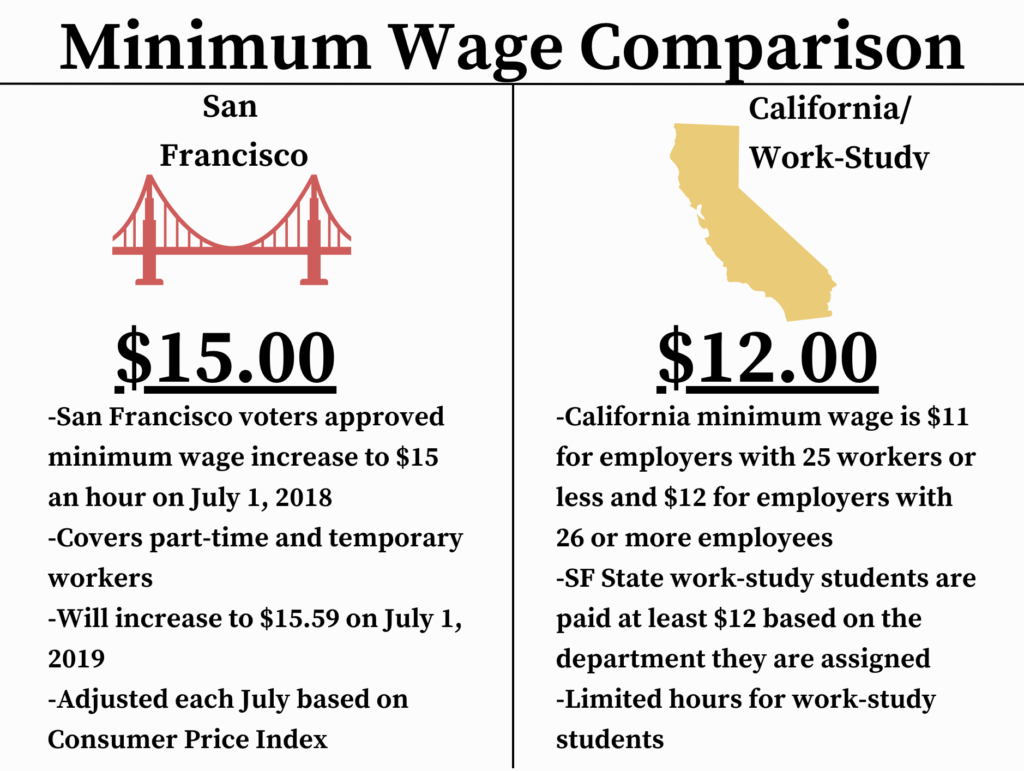
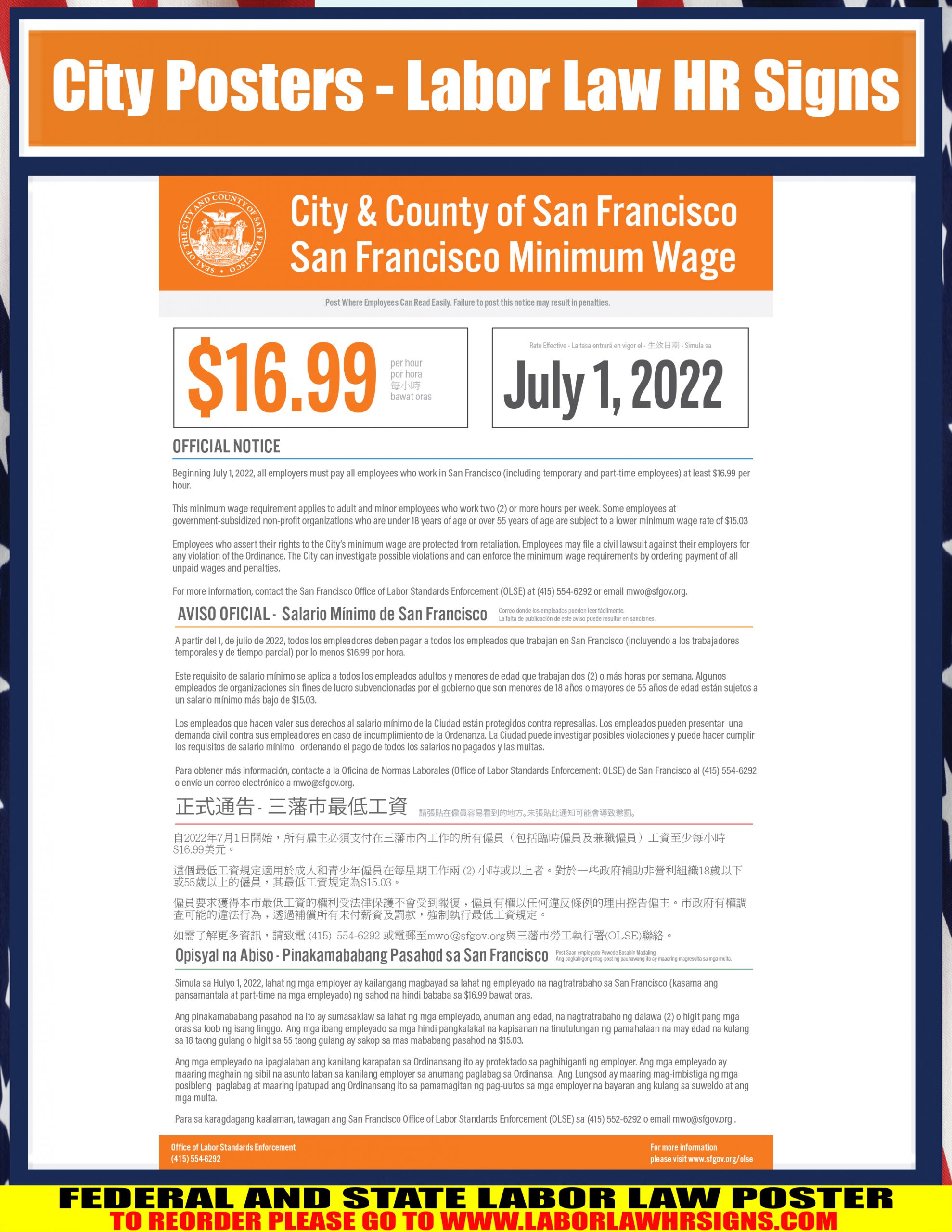
As of January 1, 2024, the minimum wage in San Francisco, Ca stands at $16.99 per hour. This figure is not static; it is subject to an annual adjustment based on the Consumer Price Index (CPI) for the San Francisco-Oakland-San Jose metropolitan area. This mechanism ensures that the minimum wage attempts to keep pace with the rising cost of living, a critical factor in a city renowned for its high expenses.
Historical Context and Evolution
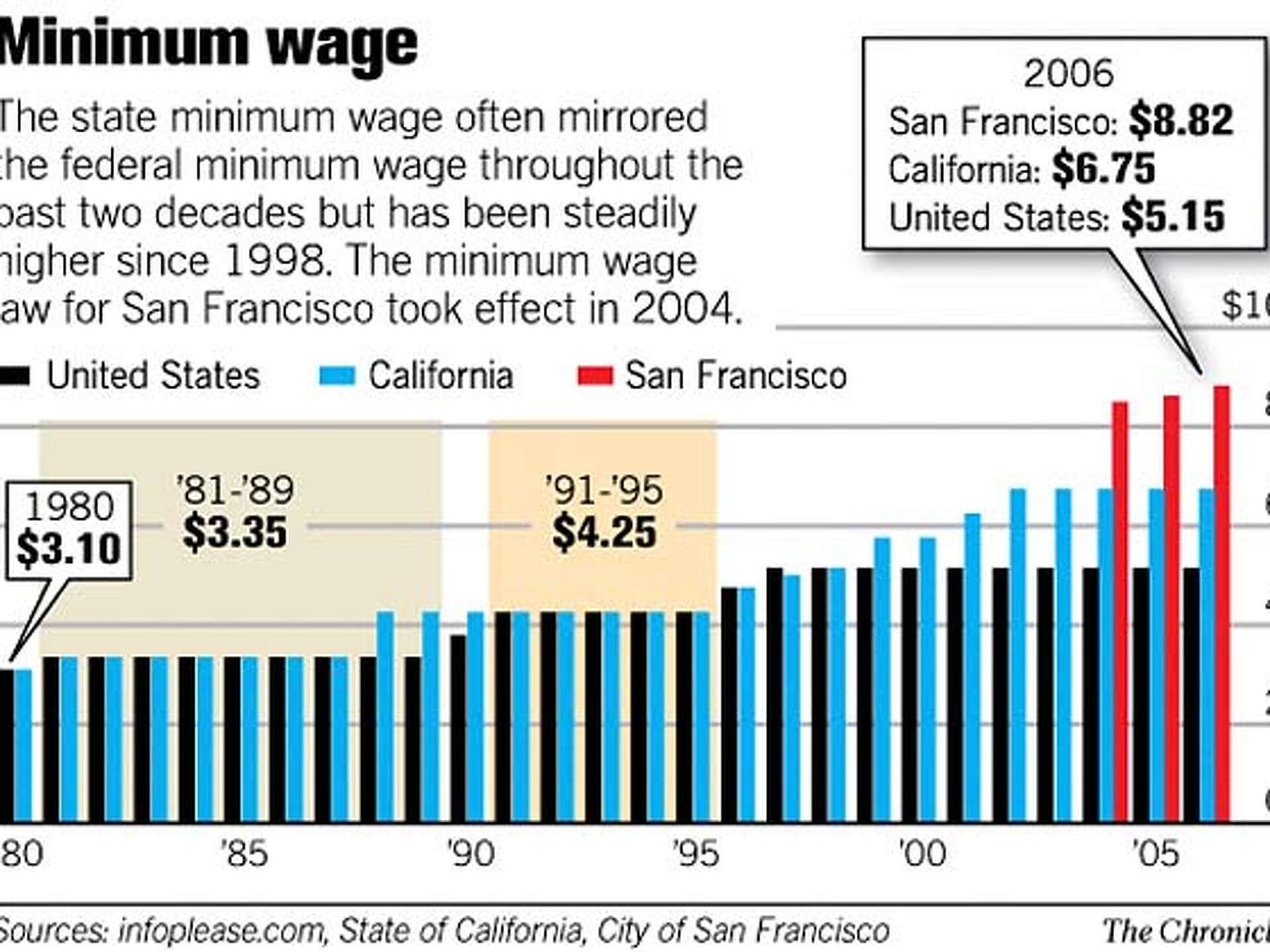
The journey to the current minimum wage in San Francisco, Ca has been a progressive one. San Francisco, Ca was one of the first cities in the United States to implement a local minimum wage, predating the federal minimum wage by decades. In 2003, the city officially established its own minimum wage, initially set at $6.75 per hour, significantly higher than the federal rate at the time. This pioneering move reflected a commitment to ensuring a basic standard of living for its lowest-paid workers.
Over the years, this rate has seen consistent increases, driven by the city’s legislative efforts and the aforementioned CPI adjustment. Each increase has been a subject of debate, with proponents arguing for its necessity in combating poverty and inequality, and opponents raising concerns about potential impacts on business profitability and employment levels. The annual adjustments have become a predictable, yet always closely watched, event in the city’s economic calendar.
Factors Influencing San Francisco’s Minimum Wage
Several factors contribute to San Francisco, Ca’s unique minimum wage situation:
- High Cost of Living: San Francisco, Ca consistently ranks as one of the most expensive cities in the United States and globally. Housing, transportation, and everyday goods and services come at a premium. The minimum wage is designed, in part, to provide a more realistic income floor that can help residents afford basic necessities.
- Economic Strength and Tech Boom: The city’s robust economy, largely fueled by the technology sector, has generated significant wealth. This prosperity has, in turn, supported higher labor costs and enabled the city to implement higher minimum wage standards compared to many other regions.
- Progressive Political Climate: San Francisco, Ca has a history of progressive policies and a strong advocacy for workers’ rights. This political environment has been instrumental in the passage and maintenance of a higher minimum wage.
- Indexing to Inflation: The automatic adjustment mechanism, tied to the CPI, ensures that the minimum wage doesn’t erode in real terms due to inflation, a crucial aspect for its effectiveness in maintaining purchasing power.
Impact on the Tourism Sector and Visitor Experience
The elevated minimum wage in San Francisco, Ca has a ripple effect that touches various aspects of the tourism industry, from the cost of services to the quality of customer experiences.
Labor Costs and Business Operations
Businesses in San Francisco, Ca, including those in the hospitality and service sectors that cater to tourists, face higher labor costs. This can translate into several operational adjustments:
- Pricing of Goods and Services: To offset increased labor expenses, businesses may adjust their pricing. This means that dining out, purchasing souvenirs, or utilizing local services could be more expensive in San Francisco, Ca compared to cities with lower minimum wages. For tourists, this might mean a higher budget is needed for daily expenses.
- Automation and Efficiency: Some businesses might invest in automation or technology to improve efficiency and reduce reliance on labor. While this can streamline operations, it can also alter the nature of service interactions.
- Focus on Value and Quality: In a competitive market, businesses are incentivized to offer exceptional value and high-quality experiences to justify their pricing. This can lead to a focus on superior customer service, unique offerings, and memorable experiences that attract and retain visitors.
The Service Industry and Employee Morale
A higher minimum wage can have a positive impact on the lives of service industry employees, who are often the frontline of the visitor experience.
- Improved Livelihoods: For many individuals working in hotels, restaurants, retail, and attractions, the minimum wage provides a more sustainable income, allowing them to better afford housing, transportation, and other essential costs in San Francisco, Ca.
- Potential for Increased Job Satisfaction and Reduced Turnover: When employees feel adequately compensated, it can lead to higher job satisfaction, increased morale, and potentially lower employee turnover rates. This stability can translate into more experienced and dedicated staff providing services to visitors.
- Enhanced Customer Service: A more motivated and financially stable workforce is often better positioned to provide attentive and friendly customer service, enhancing the overall visitor experience at locations like Fisherman’s Wharf or Golden Gate Park.
Affordability for Tourists
For tourists, the minimum wage in San Francisco, Ca is an indirect factor in the overall affordability of a visit.
- Budgeting Considerations: Travelers need to factor in the higher cost of services when planning their budgets for accommodations, dining, and activities. While a hotel stay might have a set price, the cost of meals at restaurants or tickets to attractions can be influenced by the local labor market.
- Value Proposition: Despite potentially higher prices, tourists often seek value, which can be found in San Francisco, Ca’s unique offerings, world-class attractions such as the Golden Gate Bridge, and vibrant cultural scene. The city’s commitment to fair wages can be seen as part of its broader social responsibility and contributes to its appeal as a city that values its residents.
Navigating San Francisco on a Budget
For budget-conscious travelers, understanding the economic landscape, including the minimum wage, helps in planning.
Accommodation Choices
When booking accommodation in San Francisco, Ca, options range from luxury hotels like the Fairmont San Francisco to more budget-friendly hostels and boutique inns. The cost of these will reflect not only the amenities and location but also the operational costs influenced by the minimum wage.
Dining Strategies
San Francisco, Ca is a culinary paradise, but dining out can be a significant expense.
- Exploring Diverse Culinary Options: Beyond fine dining, the city offers a vast array of eateries, from food trucks and casual cafes to ethnic restaurants in neighborhoods like the Mission District. Seeking out these more affordable options can help manage food expenses.
- Happy Hour and Lunch Specials: Many restaurants offer special deals during off-peak hours, which can be a smart way to enjoy a meal at a reduced cost.
- Picnics and Groceries: Utilizing local grocery stores and enjoying picnics in scenic spots like Alamo Square Park can be a very economical way to dine while still enjoying the city’s beauty.
Transportation Tips
Getting around San Francisco, Ca can also be managed effectively.
- Public Transportation: The Muni public transportation system (buses, streetcars, and metro) is extensive and a cost-effective way to navigate the city. Purchasing a Clipper Card can offer further savings.
- Walking and Biking: San Francisco, Ca is a highly walkable city, and many attractions are clustered together. Renting a bike, particularly along the waterfront or through parks, offers both exercise and an affordable way to see the sights.
- Ride-Sharing Services: While convenient, ride-sharing services can add up. Using them strategically for longer distances or late-night travel, rather than for every short trip, is advisable.
The Broader Economic and Social Implications
The minimum wage in San Francisco, Ca is more than just a number; it’s a reflection of the city’s values and its approach to economic equity.
Economic Debates and Studies
The impact of minimum wage increases is a perennial topic of economic discussion. Studies on San Francisco, Ca have yielded varied results. Some indicate that while businesses may face increased costs, the broader economic benefits, such as increased consumer spending by low-wage workers and reduced reliance on public assistance, can offset these. Others point to potential job losses or reduced hiring in certain sectors. The complexity arises from the unique economic environment of San Francisco, Ca, where high demand for labor and a strong economic base might mitigate some of the negative consequences seen elsewhere.
Social Equity and Quality of Life
Advocates argue that a robust minimum wage is essential for social equity, ensuring that full-time work provides a pathway out of poverty and allows residents to participate more fully in the city’s economic and social life. This contributes to a more inclusive and vibrant city, which in turn can enhance the experience for all who visit. A city where its residents can afford to live and thrive is often a more welcoming and engaging place for tourists to explore.
Future Outlook
The mechanism for annual adjustment means that the minimum wage in San Francisco, Ca will continue to evolve. Future increases are likely, dictated by inflation and the city’s economic performance. This ongoing adjustment ensures that the minimum wage remains a relevant policy tool in addressing the city’s persistent challenge of affordability. For visitors and potential residents alike, staying informed about these economic indicators provides a clearer picture of the cost of living and doing business in this exceptional city.
LifeOutOfTheBox is a participant in the Amazon Services LLC Associates Program, an affiliate advertising program designed to provide a means for sites to earn advertising fees by advertising and linking to Amazon.com. Amazon, the Amazon logo, AmazonSupply, and the AmazonSupply logo are trademarks of Amazon.com, Inc. or its affiliates. As an Amazon Associate we earn affiliate commissions from qualifying purchases.