
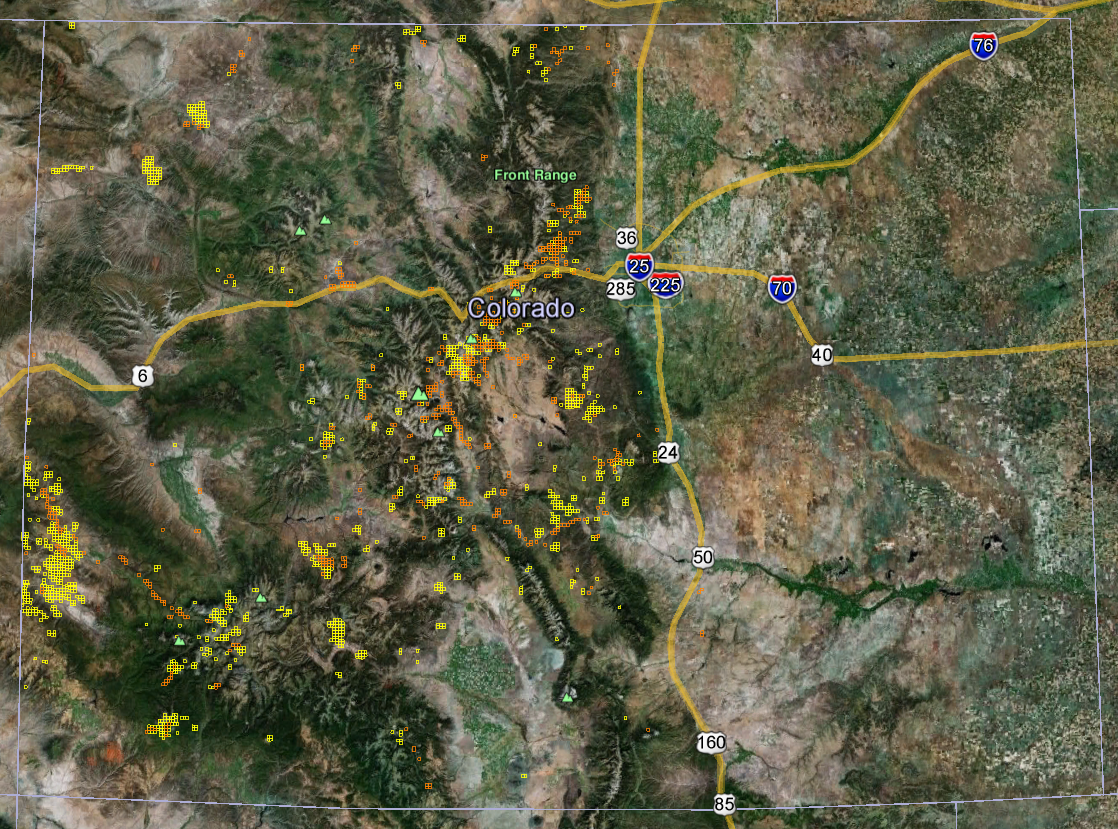
Colorado, a state synonymous with rugged landscapes and a storied past, beckons adventurers with the glint of possibility – the chance to pan for gold. This pursuit, a tangible link to the state’s historic Colorado Gold Rush, offers a unique blend of outdoor recreation, historical immersion, and the thrill of discovery. While modern mining operations have largely shifted to industrial scales, pockets of accessible gold remain, waiting to be unearthed by the diligent prospector. This guide focuses on where aspiring gold panners can legally and productively seek their fortune in the Centennial State, navigating the regulations, identifying prime locations, and equipping you with the knowledge for a successful venture.

Understanding the Landscape of Colorado Gold Panning
The allure of gold has shaped Colorado for centuries, drawing pioneers and prospectors to its mountains and riverbeds. Today, panning for gold is a recreational activity, governed by rules designed to protect both the environment and the rights of landowners. It’s crucial to understand these regulations before you cast your pan into the water. The primary principle is that you cannot pan for gold on private property without explicit permission from the landowner. Similarly, certain areas, such as national parks and protected wilderness areas, are off-limits to mineral extraction of any kind. Federal lands managed by the Bureau of Land Management (BLM) and the U.S. Forest Service, however, often offer opportunities for recreational panning, provided you adhere to their specific guidelines.
Federal Land Regulations and Permitting
The U.S. Forest Service and the Bureau of Land Management (BLM) manage vast tracts of land in Colorado that may contain gold-bearing deposits. For recreational gold panning, the general rule is that you can pan in most rivers and streams on these public lands unless specifically prohibited. This typically involves using hand tools only, such as a gold pan, a shovel, and a sluice box, and disturbing the streambed as little as possible. No mechanized equipment or the creation of large pits or dams is permitted.
It’s essential to check with the local ranger district office for the specific area you intend to visit. They can provide up-to-date information on any claims, closures, or specific regulations that may apply. Some areas might be designated as National Forest or BLM land but still have active mining claims. Prospecting on an active claim is illegal, and respecting these claims is paramount to maintaining good relations and ensuring continued access for recreational panners. While a formal permit is often not required for simple recreational panning, some areas or specific activities might necessitate one. Always err on the side of caution and inquire locally.
The Importance of Respecting Mining Claims
The history of gold mining in Colorado is marked by the staking of claims, which grant exclusive rights to the minerals within a defined area. These claims can be active or abandoned. Panning on an active claim is trespassing and can lead to legal consequences. Abandoned claims can sometimes be a grey area, but it’s generally best practice to avoid them unless you are certain they are legally open for prospecting. Signs are often posted to indicate active claims. When in doubt, do not pan in the area. Responsible panning practices also extend to respecting the land itself. Avoid unnecessary damage to vegetation, pack out all trash, and leave the area as you found it, or better.
Prime Gold Panning Destinations in Colorado
Colorado boasts several regions with a rich gold-mining heritage, making them prime candidates for recreational panning. These areas are often characterized by their historical significance and the geological conditions that favor gold deposition.
The South Platte River and its Tributaries
The South Platte River system, particularly in the foothills west of Denver, has a long history of gold production. Gold was discovered in the South Platte River in the mid-19th century, triggering one of the state’s earliest gold rushes. While commercial operations have long ceased, placer gold can still be found in the gravel bars and along the banks.
- Wellington and Fort Collins Area: The upper reaches of the South Platte River and its tributaries in this northern region can still yield small amounts of gold. Areas around Wellington and north of Fort Collins have been historically productive.
- Jefferson County: West of Denver, along the South Platte River and its smaller feeder streams in Jefferson County, prospectors have had success. Look for areas with exposed gravel bars and where the river slows down, allowing gold to settle.
Clear Creek and its Gold-Bearing Tributaries
Clear Creek, flowing through the heart of the historic Central City and Idaho Springs mining districts, is another prime location. This area was the epicenter of the Colorado Gold Rush.
- Idaho Springs: This historic mining town is situated directly on Clear Creek. Public access points along the creek offer opportunities to pan. The surrounding mountains are riddled with old mines, and placer gold from these lodes has washed down into the creek over the centuries.
- Georgetown Loop Railroad Area: The vicinity around Georgetown and the historic Georgetown Loop Railroad offers access to Clear Creek and its tributaries. Be mindful of private property and active claims in this heavily mined region.
The Arkansas River Valley

The Arkansas River and its tributaries in central Colorado have a significant gold-mining history, particularly around the towns of Buena Vista and Salida.
- Near Granite: The area near the small community of Granite, upstream from Buena Vista, is known for its gold-bearing gravels. The Arkansas River itself and smaller creeks feeding into it are worth exploring.
- California Gulch: While primarily known for its silver production, California Gulch, near Leadville, also contains gold. The tailwaters and deposits downstream can be productive. However, this area is also known for historical heavy metal contamination, so research current conditions and advisement before venturing out.
The San Juan Mountains
The rugged and picturesque San Juan Mountains in southwestern Colorado are renowned for their rich lode mining operations, particularly for gold and silver. While many areas are difficult to access and heavily claimed, some accessible streams and rivers offer potential for placer gold.
- Animas River: The Animas River, flowing through Durango, and its tributaries in the lower elevations of the San Juan Mountains may contain placer gold. Focus on areas with coarser gravel and where the river widens or slows.
- La Plata County: Historically, La Plata County saw gold prospecting. Exploring accessible streams in this region, particularly those flowing out of the mountains, could yield results.
Essential Gear and Techniques for Gold Panning
Successfully panning for gold requires not only finding the right spot but also employing effective techniques and having the appropriate gear. The thrill of the hunt is amplified when you are well-prepared.
The Gold Panner’s Toolkit
- Gold Pan: This is the most crucial piece of equipment. Pans come in various sizes and materials, with plastic ones in fluorescent colors (like green or blue) being popular for their ability to make gold flakes stand out. A standard 14-inch pan is a good starting point.
- Shovel and Trowel: A small, sturdy shovel or a garden trowel is necessary to scoop gravel from the streambed into your pan.
- Classifier (Sieve): This is a screen that fits over your gold pan or bucket. It allows you to separate larger rocks from the finer material, which is where the gold is most likely to be found. This significantly speeds up the panning process and reduces the amount of material you need to sift through.
- Snuffer Bottle: This small, flexible plastic bottle with a tube is used to suck up small gold flakes and dust from your pan.
- Vial or Container: For storing your precious finds.
- Magnifying Glass: To appreciate the finer gold dust you might uncover.
- Waders or Waterproof Boots: Essential for comfortable prospecting in cold mountain streams.
- Bucket: For carrying gravel to your panning spot or for rinsing material.
Basic Panning Technique
- Location Selection: Look for areas where gold is likely to concentrate. This includes the inside bends of rivers, behind large boulders, in cracks or crevices in bedrock, and in areas where the river widens and slows down. Gold is heavy and settles where the water velocity decreases.
- Loading the Pan: Fill your pan about two-thirds full with gravel and sand from your chosen spot.
- Submerging and Agitating: Submerge the pan in water and vigorously shake and swirl it. This allows the water to wash over the material, breaking it apart and separating the lighter materials from the heavier ones.
- Washing and Stratifying: Tilt the pan slightly forward and use a back-and-forth washing motion. The lighter materials (sand, silt, small pebbles) will be washed over the lip of the pan, while the heavier materials, including gold, will settle to the bottom.
- Concentrating: Repeat the agitation and washing process, gradually removing more of the lighter material. As you get down to the finer material, be more gentle.
- The Final Black Sands: You will eventually be left with a concentration of heavy black sands. Gold, being much heavier than black sands, will be found at the very bottom of this concentration. Carefully swirl the remaining material in the pan. Any glinting yellow specks are likely gold.
- Collecting Gold: Use your snuffer bottle to carefully suck up any gold flakes you see.
Beyond the Pan: Exploring Colorado’s Gold Heritage
While recreational panning is a rewarding activity in itself, understanding the broader context of Colorado’s gold-mining history can enrich the experience. Many historical mining towns offer insights into the lives of the prospectors who shaped the state.
Historic Mining Towns and Museums
Visiting towns like Central City, Black Hawk, Idaho Springs, and Cripple Creek allows you to walk the streets where gold rushes once thrived. These towns often feature museums dedicated to mining history, with exhibits showcasing old equipment, stories of prospectors, and the geological science behind gold discovery. Taking a tour of an old mine, such as the Phoenix Gold Mine or the Cripple Creek Mine Tours, provides a firsthand glimpse into the challenging conditions miners faced.
Educational Resources and Guided Tours
Several organizations and private companies in Colorado offer gold panning lessons and guided excursions. These experiences can be invaluable for beginners, providing expert instruction on techniques, safety, and legal aspects of panning. They often lead participants to known gold-bearing areas on public lands and provide all necessary equipment. This is an excellent way to learn the ropes and increase your chances of success while ensuring you are adhering to all regulations. Look for reputable outfits in areas like Breckenridge or the Gunnison National Forest.
The pursuit of gold in Colorado is more than just a search for precious metal; it’s an opportunity to connect with the state’s rich history, experience its stunning natural beauty, and embrace the spirit of adventure that has drawn people to its mountains for generations. With careful planning, respect for the land and its regulations, and a bit of patience, your own gold panning adventure awaits.
LifeOutOfTheBox is a participant in the Amazon Services LLC Associates Program, an affiliate advertising program designed to provide a means for sites to earn advertising fees by advertising and linking to Amazon.com. Amazon, the Amazon logo, AmazonSupply, and the AmazonSupply logo are trademarks of Amazon.com, Inc. or its affiliates. As an Amazon Associate we earn affiliate commissions from qualifying purchases.