
The question of “classification” in the context of a city as multifaceted as San Francisco can be approached from numerous angles. However, given the typical inquiries and the inherent characteristics of this iconic Californian metropolis, the most relevant categorization for understanding its essence and appeal to visitors and residents alike falls squarely within the realm of Landmarks. This categorization allows us to explore the city’s defining features, historical significance, architectural marvels, and natural beauty that contribute to its global recognition and allure. From its world-renowned structures to its unique geographical attributes, San Francisco is a tapestry woven with distinct landmarks that shape its identity and attract millions each year.

Iconic Structures and Architectural Heritage
San Francisco is a city defined by its skyline and its distinctive architectural landscape. Several structures stand out as immediate identifiers of the city, each with its own history and significance.
The Golden Gate Bridge: A Symbol of Engineering and Awe
Perhaps the most globally recognized landmark in San Francisco, the Golden Gate Bridge is an engineering marvel and an enduring symbol of the city. This suspension bridge, spanning the Golden Gate strait, connects San Francisco to Marin County. Its distinctive International Orange color, designed to complement the natural surroundings and enhance visibility in the fog, has become synonymous with the city.
- Construction and Design: Opened in 1937, the Golden Gate Bridge was a monumental undertaking, pushing the boundaries of engineering at the time. Its Art Deco styling and sweeping lines have made it a beloved subject of photography and a must-see for any visitor.
- Visitor Experience: Visitors can walk, bike, or drive across the bridge, offering unparalleled views of the city, the Pacific Ocean, and Alcatraz Island. The viewpoints on both the San Francisco and Marin sides provide excellent opportunities for capturing memorable photographs.
Alcatraz Island: A Historic Prison and Natural Sanctuary
Alcatraz Island, a former federal prison located in the center of San Francisco Bay, is another landmark steeped in history and intrigue. Its infamous reputation as a maximum-security penitentiary housed notorious criminals such as Al Capone.
- The Penitentiary Tour: The audio tour, featuring voices of former inmates and guards, offers a chilling and immersive experience of life within the prison walls. It vividly recounts escape attempts and the daily routines of those incarcerated.
- Natural Beauty and Wildlife: Beyond its dark past, Alcatraz Island has transformed into a vital sanctuary for seabirds and marine life, showcasing a surprising blend of history and nature.
Transamerica Pyramid: A Distinctive Skyline Feature
The Transamerica Pyramid is the second-tallest skyscraper in San Francisco and a defining element of its skyline. Its unique pyramidal shape, topped by a distinctive spire, makes it instantly recognizable from various vantage points across the city.
- Architectural Innovation: Completed in 1972, its design was intended to allow more natural light to reach the streets below, a consideration unique for its time. While public access to the observation deck is no longer available, its presence remains a significant landmark.
- Historical Context: The pyramid stands as a testament to San Francisco’s post-earthquake architectural evolution and its embrace of modernist design.
Natural Wonders and Geographic Features
San Francisco’s remarkable landscape is intrinsically linked to its natural geography, offering breathtaking vistas and unique environmental characteristics that serve as significant landmarks.
Golden Gate Park: An Urban Oasis
Golden Gate Park is a testament to human ingenuity in shaping an urban environment to embrace nature. This expansive park, larger than New York City‘s Central Park, is a collection of gardens, museums, and recreational areas.
- Botanical Gardens and Conservatories: The park boasts diverse collections of plants, including the San Francisco Botanical Garden and the historic Conservatory of Flowers, a beautiful Victorian glasshouse filled with exotic flora.
- Cultural Institutions: Home to the de Young Museum and the California Academy of Sciences, the park offers a rich cultural experience alongside its natural beauty.
- Japanese Tea Garden: A serene and meticulously designed space, the Japanese Tea Garden provides a tranquil escape with its pagodas, koi ponds, and meticulously pruned trees.
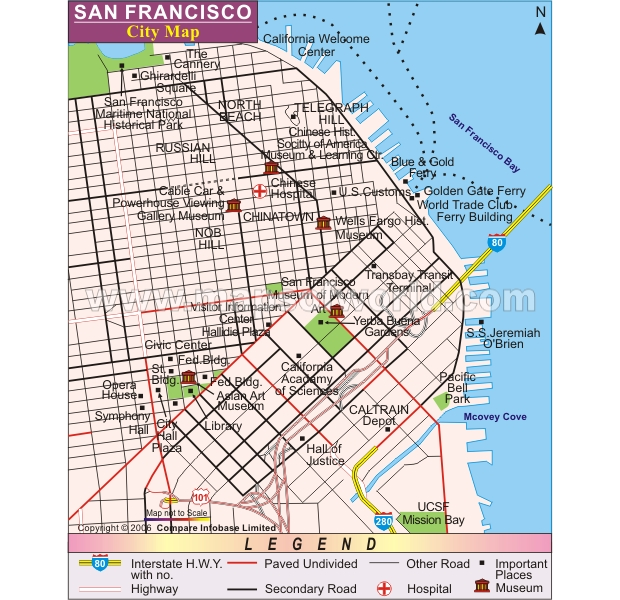
Twin Peaks: Panoramic City Vistas
Twin Peaks are two prominent hills that offer some of the most spectacular panoramic views of San Francisco and its surroundings. The city’s distinctive fog often swirls around these peaks, creating dramatic and ever-changing scenery.
- Observation Decks: Well-maintained observation areas provide unobstructed views of the downtown skyline, the Golden Gate Bridge, Alcatraz Island, and the San Francisco Bay.
- Microclimates and Ecology: The varied elevations and exposure create unique microclimates, supporting distinct flora and fauna, making the peaks a small but significant ecological landmark.
Land’s End: Coastal Ruggedness and Historic Trails
Land’s End is a wild and rugged stretch of coastline on the northwestern edge of San Francisco, offering dramatic ocean vistas and a glimpse into the city’s maritime history.
- Coastal Trails: The Sutro Baths ruins, a former public bathhouse, and the historic Point Lobos Lighthouse are key attractions along the scenic hiking trails. The rugged cliffs and crashing waves create a powerful natural spectacle.
- Shipwrecks and Maritime Lore: This area has a history of shipwrecks, adding a layer of dramatic lore to its natural beauty. The visibility of the Pacific Ocean from this point truly feels like the edge of the continent.
Historic Districts and Cultural Enclaves
Beyond individual structures and natural features, entire districts within San Francisco have become landmarks in their own right, characterized by their unique history, architecture, and cultural identity.
Chinatown: A Vibrant Cultural Hub
Chinatown in San Francisco is the oldest Chinatown in North America and the largest Chinese enclave outside of Asia. Its vibrant atmosphere, iconic Dragon Gate, and bustling streets make it a quintessential landmark.
- Architecture and Atmosphere: The distinctive architecture, with its pagodas, ornate gateways, and traditional Chinese motifs, transports visitors to another world. The aroma of exotic spices and the sounds of Cantonese chatter fill the air.
- Cultural Significance: This district is a living testament to the enduring legacy of Chinese immigration and culture in the United States, offering authentic cuisine, traditional goods, and a rich historical narrative.
North Beach: Bohemian Roots and Literary Haunts
North Beach is historically known as the heart of San Francisco’s Beat Generation and Italian-American community. Its bohemian spirit, historic cafes, and jazz clubs contribute to its landmark status.
- Literary Landmarks: The Beat Museum and the iconic City Lights Booksellers bookstore are essential stops for those interested in the area’s literary history, having been frequented by writers like Jack Kerouac and Allen Ginsberg.
- Culinary Delights: From traditional Italian eateries to quirky cafes, North Beach offers a diverse culinary scene that reflects its rich cultural tapestry.

Fisherman’s Wharf: Lively Waterfront and Seafood Traditions
Fisherman’s Wharf is a bustling waterfront district that has evolved from its working-class fishing roots into a major tourist attraction, renowned for its seafood and lively atmosphere.
- Sea Lions of Pier 39: The famous colony of sea lions that have taken up residence at Pier 39 are a playful and endearing landmark, drawing crowds with their barks and antics.
- Culinary Heritage: Visitors can indulge in fresh seafood, particularly the local Dungeness crab, at the numerous restaurants and street vendors lining the wharf. The maritime heritage is palpable, with historic ships and working docks still visible.
In conclusion, the classification of San Francisco as a city of landmarks is not merely a superficial designation but a fundamental aspect of its identity. These landmarks, whether natural or man-made, iconic structures or historic districts, collectively contribute to the city’s unique character, historical depth, and enduring appeal as a world-class destination. Understanding these classifications allows for a richer appreciation of the experiences and narratives that San Francisco offers to all who visit or call it home.
LifeOutOfTheBox is a participant in the Amazon Services LLC Associates Program, an affiliate advertising program designed to provide a means for sites to earn advertising fees by advertising and linking to Amazon.com. Amazon, the Amazon logo, AmazonSupply, and the AmazonSupply logo are trademarks of Amazon.com, Inc. or its affiliates. As an Amazon Associate we earn affiliate commissions from qualifying purchases.