
Hurricane Katrina, a catastrophic storm that irrevocably altered the landscape and narrative of New Orleans, made landfall in the late summer of 2005. Specifically, the eye of the hurricane crossed the Louisiana coast on August 29, 2005, with devastating consequences for the city and its surrounding areas. This date is etched into the collective memory of the region and serves as a stark reminder of nature’s formidable power and the vulnerability of urban infrastructure. The impact of Katrina on New Orleans was profound, extending far beyond the immediate destruction of wind and water. It highlighted systemic issues, spurred massive rebuilding efforts, and reshaped the city’s cultural and demographic fabric for years to come.

The Unfolding Catastrophe: August 2005
The arrival of Hurricane Katrina in New Orleans was not a sudden, unexpected event. Meteorologists had been tracking the storm’s development for days, and evacuations were ordered. However, the sheer scale of the storm and its eventual impact exceeded many predictions. The city, much of which lies below sea level, is protected by an intricate system of levees and floodwalls. When these defenses were breached, the consequences were catastrophic.
The Levee Failures
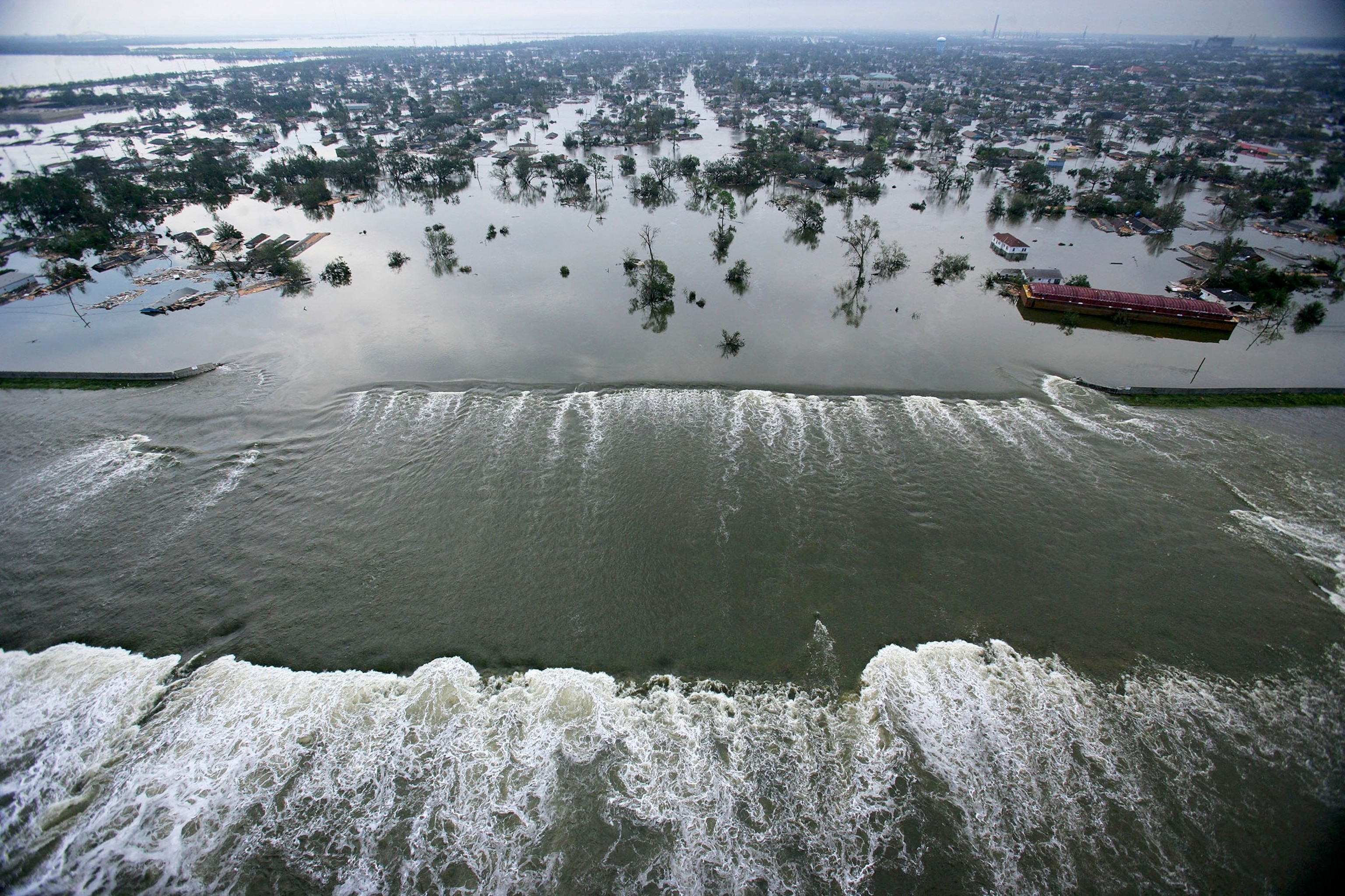
The most critical failures occurred in the levee system designed to protect the city. As Katrina moved inland, its powerful storm surge overwhelmed the Mississippi River levees, leading to widespread flooding. The Army Corps of Engineers, responsible for the levee system, later faced extensive scrutiny regarding the design and maintenance of these crucial structures. The breaches transformed New Orleans into a vast, submerged landscape, trapping residents, destroying homes, and paralyzing essential services. The flooding persisted for weeks in some areas, exacerbating the damage and complicating rescue and recovery operations.
Immediate Aftermath and Human Impact
In the immediate aftermath of Katrina, images of stranded citizens, overwhelmed shelters like the Superdome and Convention Center, and the vast expanse of flooded streets dominated news cycles worldwide. The human cost was immense, with thousands displaced and a significant loss of life. Many residents, unable to evacuate, found themselves in dire circumstances, facing dwindling supplies and perilous conditions. The images of people wading through chest-deep water, clinging to rooftops, and seeking refuge in any available high ground underscored the severity of the crisis. The inadequate response in the initial days and weeks following the storm drew widespread criticism and led to a national conversation about disaster preparedness and government efficacy.
The Long Road to Recovery and Rebuilding
The year 2005 marked the beginning of an arduous and ongoing process of recovery and rebuilding for New Orleans. The storm’s impact was not confined to physical destruction; it also deeply affected the city’s economy, social fabric, and cultural identity.
Infrastructure and Housing Challenges
Rebuilding New Orleans involved not only repairing damaged homes and businesses but also reconstructing critical infrastructure such as roads, power grids, and water systems. The scale of the devastation meant that thousands of homes were rendered uninhabitable, leading to a significant housing crisis. Many residents were forced to relocate, some permanently, altering the city’s demographics. The rebuilding process was often slow and fraught with challenges, from securing funding and navigating complex bureaucracy to addressing environmental concerns and ensuring equitable development.
Economic and Social Transformation
The economic impact of Katrina was staggering. The city’s vital tourism industry, a cornerstone of its economy, was severely disrupted. Businesses, from the historic French Quarter to smaller neighborhood establishments, faced extensive damage and closure. The long-term recovery efforts involved not only physical reconstruction but also economic revitalization. Strategies included attracting investment, supporting small businesses, and developing new employment opportunities. Socially, the storm exacerbated existing inequalities and highlighted disparities in access to resources and support. The rebuilding process became a complex undertaking, aiming to foster a more resilient and equitable New Orleans for all its residents.
Katrina’s Legacy: A Turning Point for New Orleans
The events of August 2005 have left an indelible mark on New Orleans, shaping its present and influencing its future. The year 2005 represents a pivotal moment, a before and after that continues to resonate.
Resilience and Community Spirit
Despite the immense challenges, New Orleans has consistently demonstrated remarkable resilience. The city’s vibrant culture, characterized by its music, food, and unique traditions, proved to be a powerful force in its recovery. Community bonds, often forged over generations, were strengthened as residents came together to support one another. The spirit of New Orleans, often described as indomitable, was on full display during the recovery, inspiring hope and driving the rebuilding efforts forward. Festivals, second-line parades, and everyday interactions became acts of defiance against the devastation, celebrating life and community.

Lessons Learned and Future Preparedness
The experience of Hurricane Katrina served as a harsh but valuable lesson in disaster preparedness and response. It spurred significant investments in strengthening the New Orleans levee system and improving coastal restoration efforts. There has been a greater emphasis on community-level emergency planning, early warning systems, and evacuation strategies. The science of hurricane prediction and modeling has also advanced, providing more accurate forecasts and better lead times. The memory of 2005 continues to inform policy and planning, aiming to ensure that the city is better equipped to face future natural disasters. The legacy of Katrina is one of profound loss, but also of immense strength, adaptation, and a renewed commitment to preserving the unique spirit of New Orleans.
LifeOutOfTheBox is a participant in the Amazon Services LLC Associates Program, an affiliate advertising program designed to provide a means for sites to earn advertising fees by advertising and linking to Amazon.com. Amazon, the Amazon logo, AmazonSupply, and the AmazonSupply logo are trademarks of Amazon.com, Inc. or its affiliates. As an Amazon Associate we earn affiliate commissions from qualifying purchases.