
Navigating the financial landscape of any major travel destination is crucial for budget-conscious explorers and savvy shoppers alike. San Francisco, Ca is no exception. Understanding the sales tax is not just a matter of numbers; it directly impacts your spending on everything from a souvenir t-shirt to a fine dining experience. This guide delves into the intricacies of sales tax within the city by the Bay.
Understanding California’s Sales and Use Tax Structure
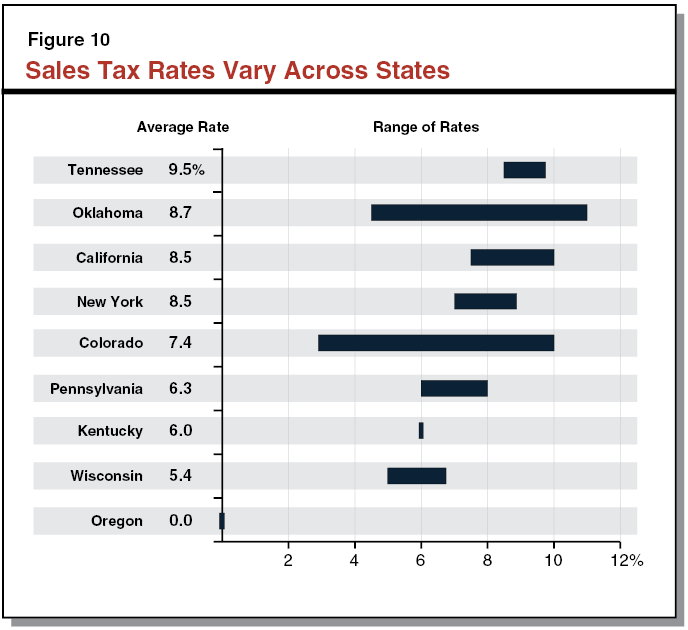
California operates under a complex, multi-layered sales and use tax system. This means the statewide tax rate is augmented by various local add-ons, creating a blended rate that can differ significantly from one locality to another. For visitors to San Francisco, this means the rate you encounter within the city limits is specific to San Francisco County.
The Statewide Base Rate
At its core, California has a uniform statewide sales tax rate. This rate applies to the sale of tangible personal property that is not otherwise exempted. This base rate forms the foundation upon which local taxes are built.
Local Add-On Taxes
The significant variation in sales tax rates across California stems from these local add-on taxes. These are typically approved by voters in specific jurisdictions and are used to fund local services such as public transportation, infrastructure improvements, schools, and public safety. In San Francisco, these local add-ons contribute to the total sales tax you will pay.
Use Tax: An Important Distinction
It’s also important to understand the concept of use tax. If you purchase an item outside of California for use within the state and do not pay California sales tax at the time of purchase, you are generally obligated to pay California use tax. This is levied at the same rate as sales tax and applies to goods brought into the state. This is particularly relevant for online purchases shipped to San Francisco from out-of-state retailers who do not collect California sales tax.
The Specific Sales Tax Rate in San Francisco, Ca
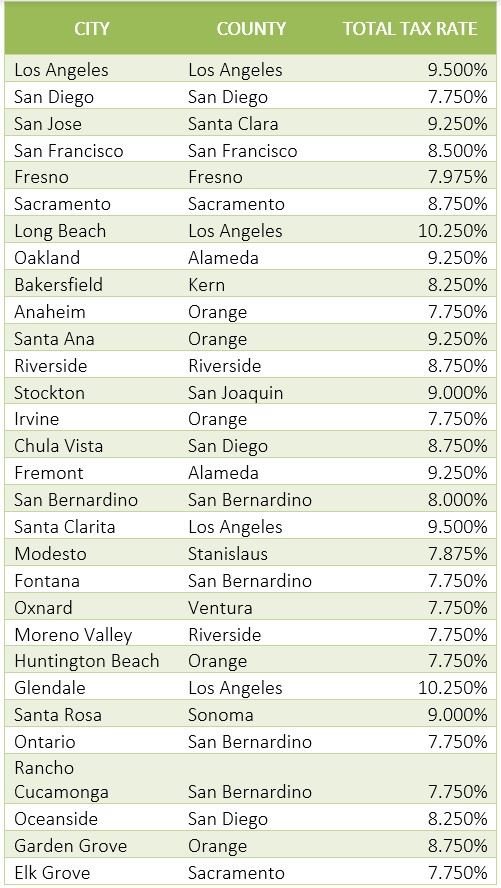
When visiting San Francisco, the total sales tax rate is a combination of the statewide rate and the various local district taxes specific to San Francisco County.
Current Sales Tax Percentage
As of the latest available information, the combined state and local sales tax rate in San Francisco, Ca stands at a significant percentage. This rate applies to most retail sales of tangible personal property. It’s crucial for travelers to be aware of this rate to accurately budget for their purchases. For the most up-to-date figure, it is always advisable to consult the official California Department of Tax and Fee Administration (CDTFA) website, as rates can be adjusted periodically due to new local measures or state legislation.
What Is Taxed?
The sales tax in San Francisco generally applies to the sale of tangible personal property. This includes a vast array of items commonly purchased by visitors:
- Clothing and Apparel: From designer boutiques on Union Square to casual wear shops, the sales tax applies.
- Electronics: Purchases of cameras, smartphones, and other gadgets will be subject to the tax.
- Souvenirs and Gifts: Anything you buy as a memento of your trip will have the sales tax added.
- Restaurant Meals: While prepared food is often taxed differently than general merchandise, restaurant meals in San Francisco are subject to sales tax. This includes dine-in meals, takeout, and delivery orders.
- Lodging: Interestingly, while sales tax applies to goods and services, hotel stays are generally subject to lodging taxes or occupancy taxes, which are separate from the sales tax. These taxes also vary by city and county.
- Services: Most services, such as repairs, professional services, and admission fees to attractions, are not subject to sales tax in California, though there are exceptions.
What Is Exempt?
Certain items and transactions are exempt from sales tax in San Francisco and across California:
- Groceries: Unprepared food items for home consumption (e.g., fruits, vegetables, dairy products, bread) are generally exempt from sales tax. This distinguishes them from “hot prepared foods” or “food for immediate consumption,” which are taxable.
- Prescription Medications: Drugs dispensed by a licensed pharmacist are typically exempt.
- Certain Business-to-Business Transactions: Some wholesale sales or sales for resale are exempt under specific conditions, usually requiring a resale certificate.
- Interstate Sales: Sales to purchasers in other states where the goods are shipped out of state are generally not subject to California sales tax. However, the destination state’s sales tax laws would then apply.
- Certain Non-Profit Organizations: Organizations with specific tax-exempt status may be able to purchase goods or services without paying sales tax.
Implications for Travelers and Shoppers
For visitors planning a trip to San Francisco, understanding the sales tax rate is a vital part of financial planning.
Budgeting for Purchases
When you see a price tag on an item, remember that the final amount you pay will be higher due to the addition of sales tax. For instance, if you are looking at a $100 item and the sales tax rate is 8.75%, your total cost will be $108.75. For significant purchases, this can add up quickly. It’s wise to factor in the sales tax for all planned expenditures, from dining to shopping.
Shopping Strategies
- Compare Prices: While the sales tax rate is uniform within San Francisco, the base prices of goods and services can vary between different retailers. Comparing prices before making a purchase can help you save money, even after tax.
- Consider Out-of-State Shopping: If you are planning a trip that involves visiting areas outside of California before or after your San Francisco visit, you might find lower sales tax rates in other states. However, be mindful of use tax obligations if you bring goods back into California that were purchased elsewhere.
- Online Purchases: As mentioned, online purchases shipped to San Francisco are subject to sales tax if the seller is registered to collect it in California. Many large online retailers now collect and remit these taxes. For smaller out-of-state businesses, you may need to self-report and pay use tax.
Dining and Entertainment
The sales tax applies to most dining experiences. When enjoying a meal at a restaurant in neighborhoods like North Beach or the Mission District, the bill will reflect the local sales tax. Similarly, tickets to attractions, while often exempt from sales tax themselves, may have associated fees or merchandise that are taxable.
Navigating the Local Tax Landscape
The sales tax in San Francisco, Ca is a dynamic element of its economy. It reflects the city’s commitment to funding essential public services while also being a consideration for consumers.
The Role of Local Governance
The ability for San Francisco to implement its own local sales tax add-ons is a testament to its local governance. These add-ons are often crucial for maintaining the high quality of life and infrastructure that attracts visitors and residents alike. Measures that appear on local ballots can introduce new taxes or adjust existing ones, making it essential for businesses and consumers to stay informed.
Staying Informed
For the most accurate and up-to-date information on sales tax rates in San Francisco, it is always best to refer to official sources. The California Department of Tax and Fee Administration (CDTFA) is the primary authority. Their website provides detailed tax rate lookups by address and jurisdiction, as well as information on exemptions and tax laws. Local government websites may also offer insights into specific local tax measures.
In conclusion, while the sales tax in San Francisco, Ca is a significant factor in consumer spending, understanding its structure and rate empowers you to make informed financial decisions during your visit to this iconic city. Whether you’re exploring the vibrant streets of the Castro or visiting world-class museums like the de Young Museum, a grasp of sales tax will enhance your travel experience by ensuring no unexpected financial surprises.
LifeOutOfTheBox is a participant in the Amazon Services LLC Associates Program, an affiliate advertising program designed to provide a means for sites to earn advertising fees by advertising and linking to Amazon.com. Amazon, the Amazon logo, AmazonSupply, and the AmazonSupply logo are trademarks of Amazon.com, Inc. or its affiliates. As an Amazon Associate we earn affiliate commissions from qualifying purchases.