
San Francisco International Airport (SFO), a major gateway to the San Francisco Bay Area and a bustling hub for both domestic and international travel, is strategically located south of the city of San Francisco, California. This prime positioning allows for convenient access to the vibrant urban landscape of San Francisco itself, as well as the diverse attractions and economic centers of the wider Bay Area. Understanding its exact location and the surrounding geography is crucial for any traveler planning a journey through this dynamic region.
Strategic Location and Geographical Context
SFO is situated approximately 13 miles south of downtown San Francisco. This proximity makes it an incredibly accessible option for those heading into the city for business or leisure. The airport occupies a significant parcel of land along the shores of San Francisco Bay, a geographical feature that not only offers scenic views but also influences its operational layout and the potential for expansion.
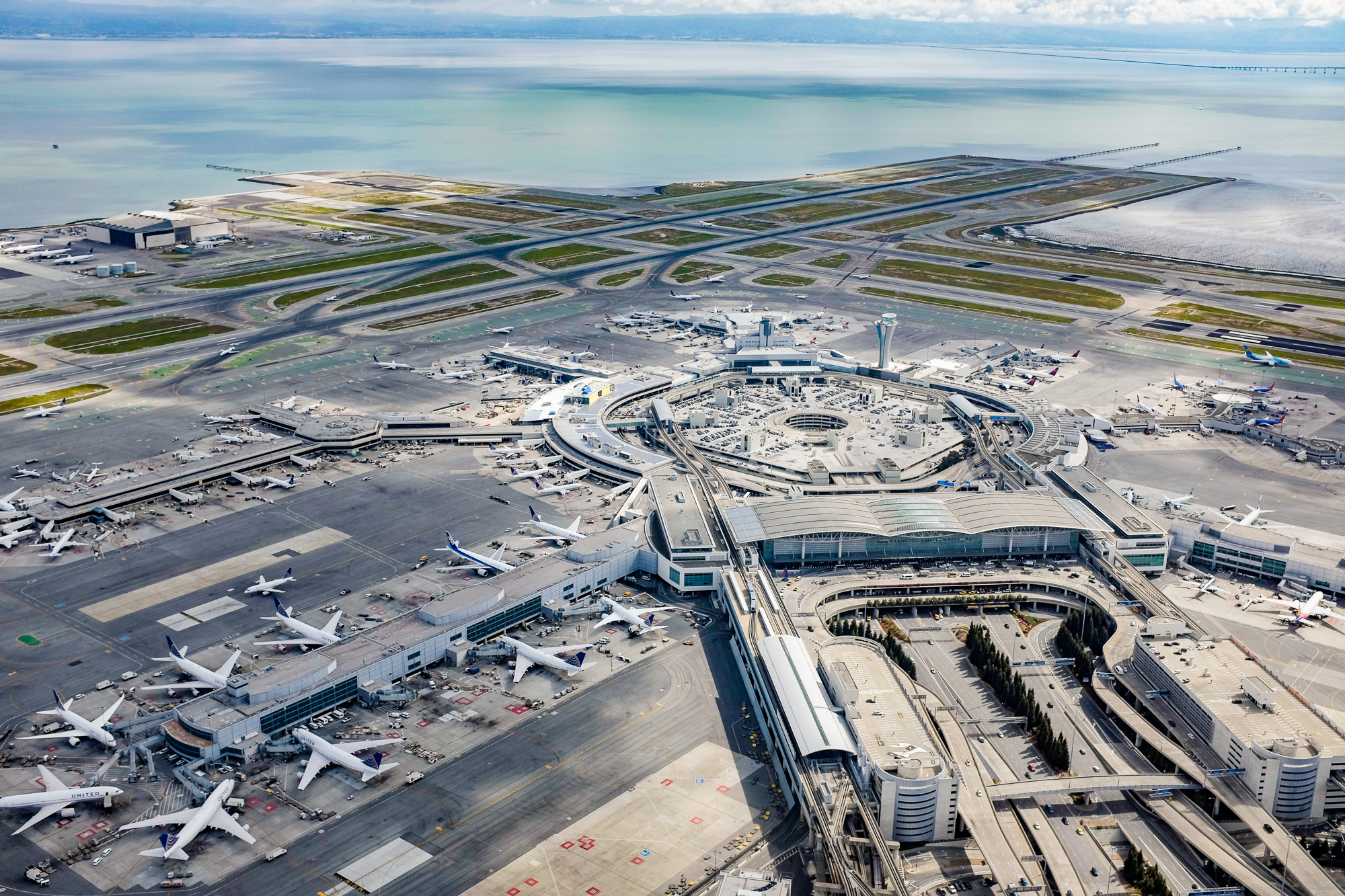
The airport’s precise address is San Francisco International Airport, San Francisco, CA 94128. However, its physical presence extends across municipal boundaries, primarily serving the cities of San Francisco and San Mateo, and acting as a vital transportation node for the entire San Francisco Bay Area, which includes popular destinations like Oakland and San Jose. This interconnectedness highlights the airport’s role in facilitating travel throughout one of the most economically significant regions in the United States.
Proximity to Major Cities and Regions
The airport’s location is a significant advantage for travelers.
- San Francisco: As the closest major metropolitan area, downtown San Francisco is readily accessible via public transit, particularly the BART (Bay Area Rapid Transit) system, which has a station directly at the airport. This allows visitors to quickly reach iconic landmarks such as Alcatraz Island, the Golden Gate Bridge, and the bustling neighborhoods of the city.
- Peninsula Communities: SFO is embedded within the Peninsula region, a stretch of land connecting San Francisco to the southern parts of the Bay Area. Cities like South San Francisco, Daly City, and San Mateo are its immediate neighbors, benefiting from its presence through economic activity and employment opportunities.
- Silicon Valley: To the south of the airport lies the renowned Silicon Valley, the global epicenter of technology and innovation. Major tech companies and startups are concentrated in cities like Palo Alto, Mountain View, and Cupertino. SFO’s southern location makes it a convenient arrival point for business travelers visiting these tech hubs.
- East Bay: Across San Francisco Bay to the east are cities like Oakland and Berkeley. While Oakland International Airport also serves the region, SFO remains a viable option for reaching the East Bay via BART or by driving across the San Francisco-Oakland Bay Bridge.
- South Bay: Further south, encompassing cities like San Jose, is the South Bay. San Jose International Airport is the primary airport for this area, but SFO is accessible and can be an alternative depending on flight availability and pricing.
Transportation Networks
The geographical placement of SFO is intrinsically linked to the extensive transportation infrastructure of the San Francisco Bay Area. Its position along the coast and its connectivity to major roadways and public transit systems are key factors in its operational efficiency and passenger convenience.
Road Access
- US Route 101: US Route 101, also known as the Bayshore Freeway, runs directly adjacent to the airport, providing a critical north-south artery for the Peninsula and connecting to major thoroughfares leading into San Francisco and further south towards San Jose.
- Interstate 280: Another major north-south freeway, Interstate 280 (also known as the Junipero Serra Freeway), is a short drive west of the airport and offers an alternative route, often considered more scenic, to both San Francisco and the southern reaches of the Bay Area.
- State Route 92: This east-west highway provides access to the eastern side of the Bay Area, connecting to cities across San Francisco Bay via the San Mateo-Hayward Bridge.
Public Transit Integration
- BART (Bay Area Rapid Transit): The presence of a BART station directly within the airport’s International Terminal is a defining feature of SFO’s accessibility. This rail system connects passengers to numerous destinations across the San Francisco Bay Area, including downtown San Francisco, Oakland, Berkeley, and San Jose, making it a preferred mode of transport for many arriving and departing passengers who wish to avoid road traffic.
- SamTrans: The San Mateo County Transit District (SamTrans) operates local bus routes that serve the airport, providing connections to surrounding communities on the Peninsula and further afield.
- Caltrain: While not directly at the airport, the Caltrain commuter rail line, which runs along the Peninsula from San Francisco to Gilroy, is accessible via a connection from SFO using BART or SamTrans. This offers an additional travel option for those heading south along the coast.
Navigating SFO: Terminals and Layout
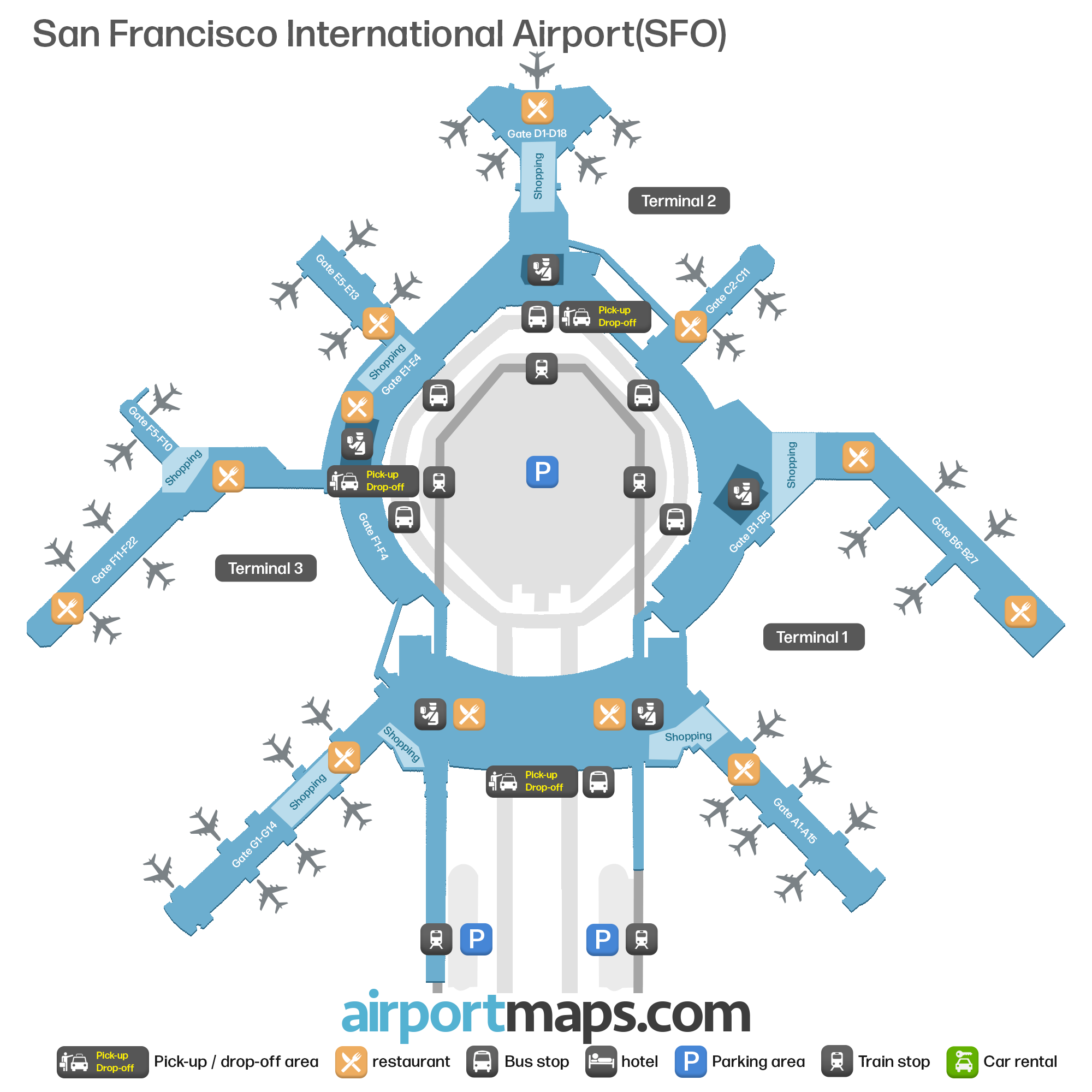
San Francisco International Airport is a large, complex facility comprising multiple terminals, each designed to accommodate different airlines and flight types. Understanding the layout and the relationships between these terminals is key to a smooth travel experience.
Terminal Overview
SFO is organized into four main terminals:

- Terminal 1: Primarily serves domestic flights for various airlines, including United Airlines and others. It has undergone significant renovations to improve passenger amenities and efficiency.
- Terminal 2: Another major domestic terminal, hosting airlines like American Airlines and Delta Air Lines. It’s known for its focus on sustainability and passenger comfort.
- Terminal 3: This is the main hub for United Airlines domestic operations, making it a very busy terminal.
- International Terminal: The newest and largest terminal at SFO, it is a major hub for international carriers and also houses some domestic operations for United Airlines. It is divided into two concourses, G and A, for international arrivals and departures, and is a striking example of modern airport architecture.
Inter-Terminal Transportation
Navigating between terminals at SFO is facilitated by a convenient AirTrain system.
- AirTrain: This automated people mover system connects all terminals, rental car facilities, and the BART station. It operates 24/7, running on two loops: the Red Line and the Blue Line. The Red Line connects all terminals, the long-term parking garages, and the BART station. The Blue Line provides direct service between terminals 1, 2, 3, and the International Terminal. This free service is essential for passengers needing to transfer between flights or access different parts of the airport.
Surrounding Attractions and Points of Interest
The location of San Francisco International Airport also places it in close proximity to a variety of attractions, making it a convenient starting point or concluding point for exploring the diverse offerings of the San Francisco Bay Area.
Coastal and Natural Beauty
- San Francisco Bay: The airport’s edge along the bay offers opportunities for scenic contemplation. While direct access to the water’s edge might be limited in some areas due to airport operations, the views are a constant reminder of the region’s stunning coastline.
- Golden Gate National Recreation Area: While not immediately adjacent, many parts of this vast parkland, including areas with historical significance and natural beauty, are accessible within a reasonable driving distance from the airport, offering hiking and wildlife viewing opportunities.
Cultural and Urban Experiences
- San Francisco City Center: As mentioned, reaching the heart of San Francisco is straightforward. Visitors can immerse themselves in the city’s vibrant culture, from world-class museums like the de Young Museum and the California Academy of Sciences in Golden Gate Park, to the historic cable cars and the culinary delights of neighborhoods like North Beach and Chinatown.
- Silicon Valley Tech Hubs: For those interested in the intersection of technology and business, the nearby hubs of Silicon Valley offer a glimpse into the world’s leading tech companies and innovation centers. While many corporate campuses are not open to the public, the energy and influence of the industry are palpable.
- Stanford University: Located in Palo Alto, this prestigious university offers beautiful architecture, museums, and a vibrant academic atmosphere, accessible within a short drive south of the airport.
Practical Travel Considerations
Knowing the location of San Francisco International Airport is the first step in planning a successful trip. Understanding travel times, transportation options, and potential traffic patterns is equally important.
Travel Times and Traffic
The San Francisco Bay Area is notorious for its traffic congestion, especially during peak commute hours.
- To Downtown San Francisco: By car, the travel time can range from 25 minutes to over an hour, depending heavily on traffic. Using BART is often a more reliable and predictable option, taking approximately 30 minutes to reach downtown.
- To Silicon Valley (e.g., Palo Alto): Driving south on US Route 101 can take 30-60 minutes or more during busy periods.
- To Oakland: Crossing the San Francisco-Oakland Bay Bridge can add significant time, with driving durations easily exceeding an hour during rush hour. BART offers a direct and often faster route.
Accommodation Options
While SFO is an airport, the area immediately surrounding it and within easy reach offers a wide array of accommodation.
- Airport Hotels: Numerous hotels are located in close proximity to the airport, providing convenient options for layovers or early morning/late-night flights. These range from budget-friendly chains to more upscale business hotels.
- Peninsula and South Bay Hotels: Cities like San Mateo, Redwood City, and Palo Alto offer a broader selection of hotels catering to both business and leisure travelers, often providing a slightly more relaxed atmosphere than the city itself.
- San Francisco Hotels: For those who prefer to stay closer to the urban attractions, the city of San Francisco boasts a vast range of hotels, from boutique establishments in Nob Hill to large convention hotels near the Moscone Center.
In conclusion, San Francisco International Airport is strategically positioned on the edge of San Francisco Bay, south of downtown San Francisco. Its location facilitates seamless travel within the diverse and dynamic San Francisco Bay Area, connecting travelers to the urban attractions of the city, the technological innovation of Silicon Valley, and the broader economic and cultural landscape of Northern California. Understanding its geographical context and transportation links is paramount for maximizing the efficiency and enjoyment of any journey through this vital gateway.
LifeOutOfTheBox is a participant in the Amazon Services LLC Associates Program, an affiliate advertising program designed to provide a means for sites to earn advertising fees by advertising and linking to Amazon.com. Amazon, the Amazon logo, AmazonSupply, and the AmazonSupply logo are trademarks of Amazon.com, Inc. or its affiliates. As an Amazon Associate we earn affiliate commissions from qualifying purchases.