
The Evolving Landscape of San Francisco Politics and Tourism
The question of who holds the esteemed office of Mayor of San Francisco is more than just a civic inquiry; it’s a barometer of the city’s direction, a narrative that deeply intertwines with its cultural identity and, consequently, its appeal as a global tourism destination. While the election of a mayor is a crucial event for local governance, its ripples extend far beyond City Hall, influencing the city’s trajectory in areas vital to tourism, such as public safety, infrastructure development, and the fostering of its unique cultural attractions. Understanding the political leadership in San Francisco provides valuable insight for any traveler considering a visit, offering context for the experiences they might encounter.

The mayoral office in San Francisco has historically been a platform for diverse political ideologies and progressive movements, shaping the city into the vibrant and often unconventional place it is today. From the fight for LGBTQ+ rights to the embrace of technological innovation, the mayors of this city have often been at the forefront of significant social and economic shifts. These shifts, in turn, directly impact the city’s tourism landscape. A mayor who prioritizes the preservation of historic neighborhoods, the development of world-class museums, or the enhancement of public spaces contributes to an enriching visitor experience. Conversely, a focus on different policy areas might alter the city’s atmosphere and the types of attractions that thrive.
Political Currents and Their Impact on Visitor Experience
The political climate of San Francisco can significantly influence how visitors perceive and interact with the city. Decisions made by the mayor and the Board of Supervisors regarding public transportation, park maintenance, and street cleanliness directly affect the ease and pleasure of exploring the city. For instance, a mayor committed to improving the Muni system could lead to more reliable and accessible transit for tourists navigating attractions like Alcatraz Island or the Golden Gate Bridge. Similarly, investments in revitalizing areas like Union Square or the Embarcadero can create more appealing and safer environments for shopping, dining, and entertainment.
Furthermore, the mayor’s stance on issues like housing affordability and homelessness, while primarily local concerns, can also shape the visual and social fabric of the city that tourists experience. Policies aimed at addressing these complex issues can influence the accessibility of certain neighborhoods and the overall sense of public order. A city that feels welcoming, safe, and well-maintained is invariably a more attractive destination for travelers seeking authentic and enjoyable experiences. The political leadership, therefore, plays an indirect yet powerful role in curating the tourist’s perception of San Francisco.
Navigating San Francisco: A Traveler’s Perspective on Mayoral Influence
The election of a new mayor in San Francisco often brings with it a fresh set of priorities and a potential shift in the city’s direction. For the seasoned traveler or someone planning their first visit, understanding the current political leadership can provide a lens through which to interpret the city’s offerings and challenges. The mayor’s vision can influence everything from the development of new cultural initiatives and festivals to the preservation of historic landmarks that draw millions of visitors each year.
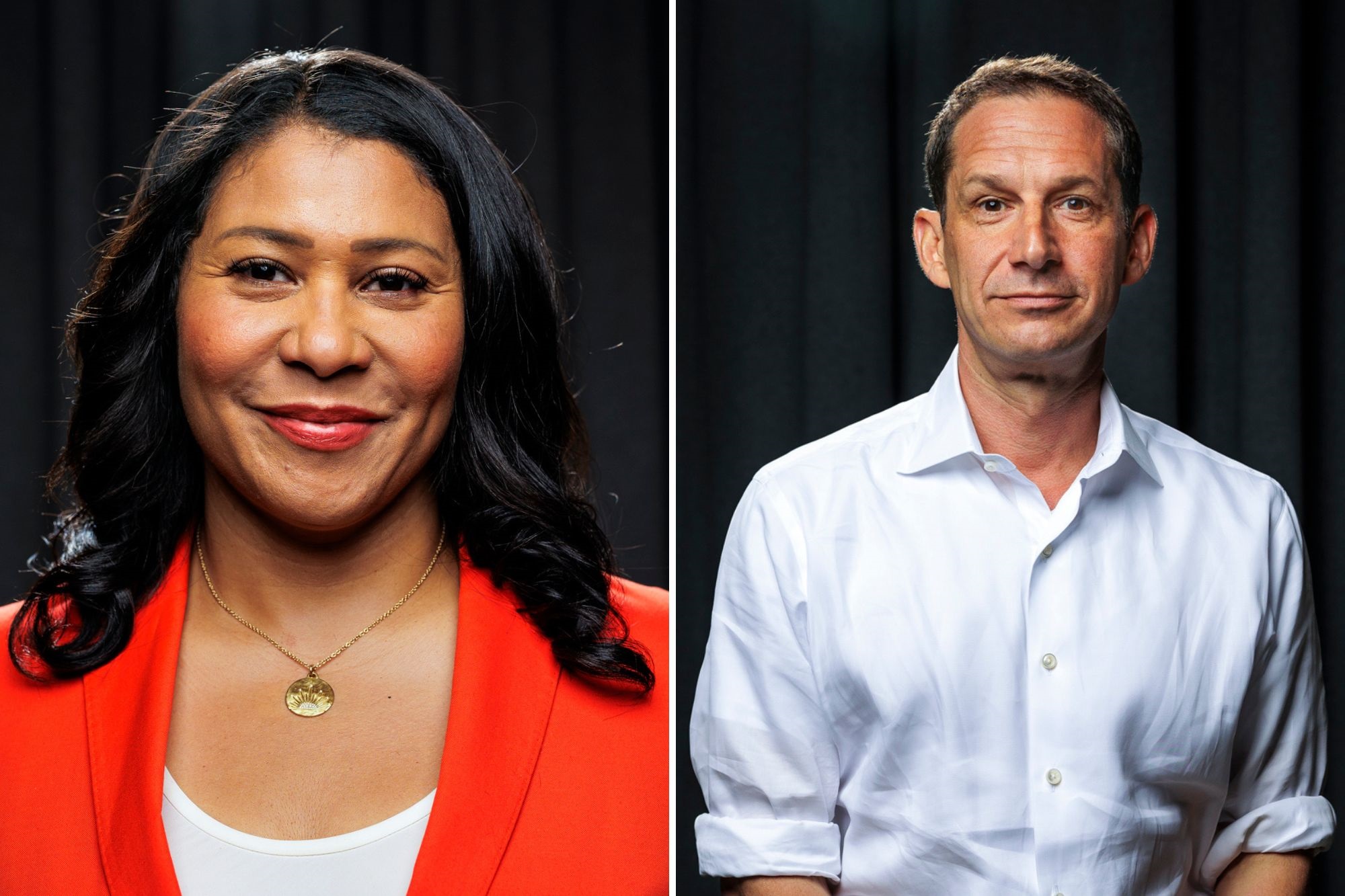
Consider the impact on the arts and culture scene. A mayor who champions funding for institutions like the de Young Museum or the California Academy of Sciences ensures these world-renowned attractions remain vibrant and accessible. Support for local theater districts or live music venues also contributes to the city’s dynamic cultural tapestry, offering visitors a rich array of entertainment options. The success of iconic events like the San Francisco International Film Festival or the Cherry Blossom Festival can be directly tied to the administrative support and vision provided by the mayor’s office.
Economic Development and Tourism Initiatives
The economic policies enacted by the mayor can have a direct bearing on the tourism industry. Initiatives that support small businesses, encourage investment in hospitality, and promote San Francisco as a destination for conventions and events can all contribute to a thriving visitor economy. This, in turn, can lead to the creation of new hotels, restaurants, and attractions, enhancing the overall visitor experience.
For example, a mayor focused on boosting tourism might spearhead efforts to promote unique neighborhoods like North Beach or the Mission District, highlighting their distinct culinary scenes and cultural offerings. This could involve marketing campaigns, support for local events, or improvements to public spaces that make these areas more appealing to explore. The mayor’s role in advocating for the city on a national and international stage can also significantly impact its brand as a desirable travel destination.
The Mayor’s Role in Preserving San Francisco’s Unique Identity
San Francisco is renowned for its diverse neighborhoods, each with its own character and appeal. From the Victorian architecture of Pacific Heights to the vibrant street art of the Mission District, these distinct areas are a major draw for tourists. The mayor’s administration plays a critical role in ensuring that these neighborhoods are preserved and revitalized, maintaining their unique charm while also ensuring they are accessible and safe for visitors.
Policies related to zoning, historic preservation, and urban planning are all influenced by the mayor’s office. A mayor who understands and values the city’s rich architectural heritage might champion initiatives to protect historic buildings and districts, ensuring that iconic structures like the Painted Ladies or the Palace of Fine Arts continue to stand as testaments to San Francisco‘s past. Similarly, a focus on enhancing public parks and green spaces, such as Golden Gate Park or Dolores Park, contributes to the city’s livability and offers visitors serene escapes amidst the urban bustle.

Fostering Innovation and Cultural Exchange
Beyond preservation, mayors in San Francisco have often been instrumental in fostering innovation and cultural exchange, key components of its appeal to a global audience. The city’s embrace of technology, for instance, has led to the development of cutting-edge visitor experiences, from interactive museum exhibits to smart city initiatives that can enhance navigation and information access for tourists.
A forward-thinking mayor might support initiatives that connect the city’s tech industry with its cultural institutions, leading to unique collaborations that offer novel experiences. This could involve the development of augmented reality tours of historic sites or the use of advanced technology in museums to create more immersive exhibits. Such innovations not only enhance the visitor experience but also reinforce San Francisco‘s reputation as a city at the intersection of culture and progress. The mayoral office, by setting the tone and priorities, can significantly shape the environment in which these innovations flourish, directly impacting the kind of experiences travelers can expect to find in this dynamic metropolis. The ongoing narrative of who leads San Francisco is therefore intrinsically linked to the ongoing evolution of what makes it an unforgettable place to visit.
LifeOutOfTheBox is a participant in the Amazon Services LLC Associates Program, an affiliate advertising program designed to provide a means for sites to earn advertising fees by advertising and linking to Amazon.com. Amazon, the Amazon logo, AmazonSupply, and the AmazonSupply logo are trademarks of Amazon.com, Inc. or its affiliates. As an Amazon Associate we earn affiliate commissions from qualifying purchases.