
Florida is renowned for its diverse ecosystems, from the lush Everglades National Park to its pristine coastline. This biodiversity extends to its reptilian inhabitants, making it a fascinating destination for nature enthusiasts. However, with this abundance of wildlife comes a natural curiosity, and often, a degree of apprehension, about potential dangers. One common question that arises for visitors and residents alike is whether the prevalent black snakes found in the state are venomous.
Understanding Florida’s Serpent Population
The term “black snake” in Florida is a broad descriptor, and understanding the specific species is key to answering the question of venomosity. Florida is home to a variety of snake species, some of which are indeed venomous, while the vast majority are harmless and play crucial roles in the state’s ecological balance. When people refer to “black snakes” in Florida, they are most commonly referring to either the Eastern Racer or the Black Rat Snake. Both are non-venomous constrictors that are frequently encountered across the state.
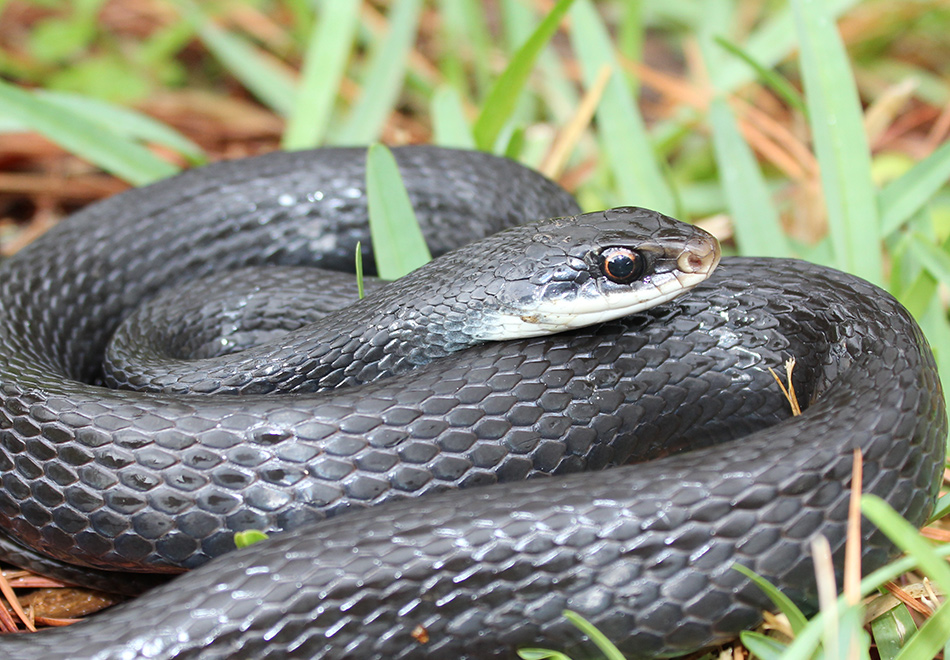
The Eastern Racer (Coluber constrictor)
The Eastern Racer, also known as the black racer, is a slender, agile snake that can grow quite large, often exceeding four feet in length. Its coloration is typically a uniform glossy black on the dorsal side, with a lighter gray or white belly. These snakes are diurnal, meaning they are active during the day, and are known for their speed and ability to climb trees and swim. Their diet consists primarily of small mammals, amphibians, birds, and other reptiles. While they are non-venomous, they are known to be defensive if cornered, which can involve a quick bite. However, these bites are not medically significant, and the snake’s primary defense is to flee. Their presence is a positive sign of a healthy environment, as they help control rodent populations.
The Black Rat Snake (Pantherophis obsoletus)
Another common “black snake” in Florida is the Black Rat Snake. While adults are typically uniformly black, juveniles often display distinct patterns of black or dark brown blotches on a lighter background. These snakes are also constrictors and are valuable for their role in natural pest control, as they feed on rodents, birds, and eggs. Black rat snakes are robust and can grow to impressive lengths, often over five feet. They are adept climbers and can be found in various habitats, from forests and swamps to agricultural areas and even suburban backyards. Like the Eastern Racer, the Black Rat Snake is non-venomous. When threatened, they may vibrate their tail to mimic a rattlesnake’s sound and may strike, but their bite is harmless and their primary intention is to escape.
Differentiating from Venomous Counterparts
It’s crucial to distinguish these common black snakes from Florida’s venomous species. The state is home to several venomous snakes, including the Eastern Diamondback Rattlesnake, Timber Rattlesnake, Pigmy Rattlesnake, Cottonmouth (Water Moccasin), and Eastern Coral Snake. These venomous snakes possess distinct physical characteristics that can help in identification, and understanding these differences is vital for safety when exploring Florida’s natural beauty.
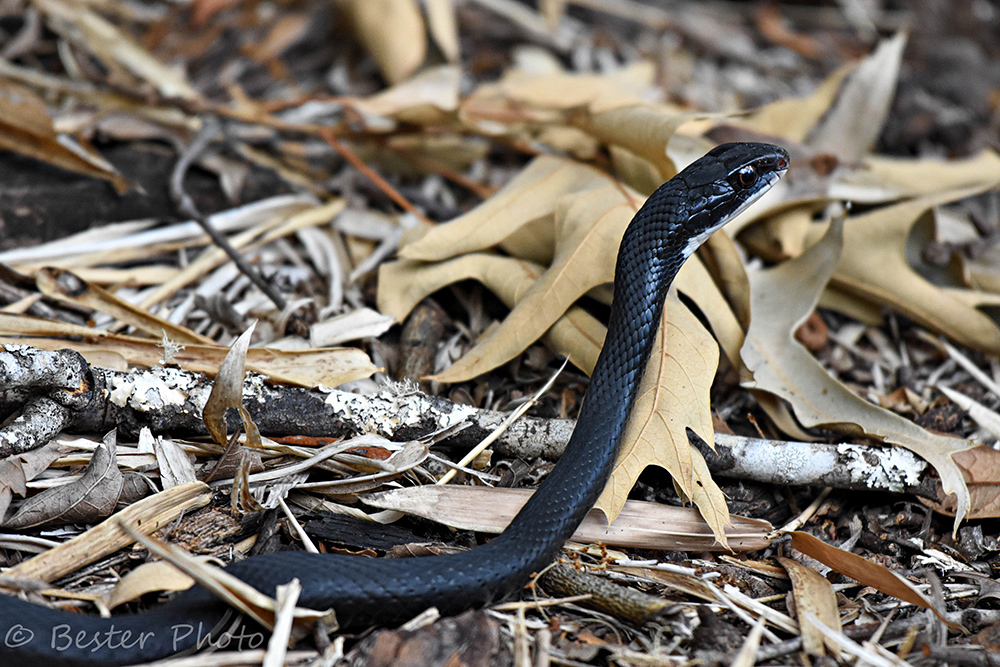
Key Identification Features
-
Venomous Snakes:
- Rattlesnakes: Possess a rattle at the end of their tail. They have triangular heads, elliptical pupils, and often a heat-sensing pit between their eye and nostril.
- Cottonmouth: Have a broad, flat head, a heavy body, and a distinct banding pattern that often fades with age. They are semi-aquatic and often found near water. They are known to open their mouths and display the bright white interior as a warning.
- Coral Snake: Have a distinctive pattern of red, yellow, and black bands. The saying “red on yellow, kill a fellow; red on black, friend of Jack” is a common mnemonic, though not always foolproof. Coral snakes have a less triangular head than pit vipers and round pupils.
-
Non-Venomous Black Snakes (Racers and Rat Snakes):
- Head Shape: Generally have more slender, elongated heads that blend smoothly into the neck, unlike the distinct triangular head of venomous pit vipers.
- Pupils: Typically have round pupils, whereas venomous pit vipers have elliptical pupils.
- Tail: Lack a rattle.
- Body Build: While rat snakes can be robust, they generally don’t have the same heavy, stout build as a Cottonmouth. Racers are known for their slender, streamlined bodies.
Encountering Snakes Safely in Florida
The natural habitats in Florida, from the Dry Tortugas National Park to the state’s numerous springs and forests, are prime locations for observing wildlife. When exploring these areas, whether you’re staying at a luxury resort in Orlando or camping near Lake Okeechobee, maintaining a safe distance from all snakes is paramount.
Best Practices for Wildlife Observation
- Observe from a Distance: Always maintain a safe distance from any snake you encounter. Use binoculars for a closer look without disturbing the animal.
- Never Handle Snakes: Resist the urge to touch, pick up, or provoke any snake. Even non-venomous snakes can bite if they feel threatened, and venomous snakes pose a serious risk.
- Educate Yourself: Familiarize yourself with the common snake species in the area you are visiting. Knowledge is the best defense against fear and potential harm.
- Stay on Trails: When hiking or exploring natural areas, it’s best to stay on designated trails to minimize your chances of surprising a snake.
- Wear Appropriate Footwear: Sturdy boots can offer protection if you accidentally step too close to a snake.
- Report Venomous Snake Sightings: If you encounter a venomous snake in an area where it poses an immediate danger, contact local wildlife authorities or park rangers.

The Ecological Importance of Snakes
It’s important to remember that snakes, both venomous and non-venomous, are integral to the health of Florida’s ecosystems. Non-venomous snakes like the Eastern Racer and Black Rat Snake are vital in controlling populations of rodents and other pests, contributing to agricultural and environmental stability. Venomous snakes, while potentially dangerous, also play crucial roles in maintaining the balance of prey populations and serve as indicators of ecosystem health. Understanding their role fosters a greater appreciation for Florida’s rich biodiversity and encourages responsible coexistence.
In conclusion, the common “black snakes” found in Florida, namely the Eastern Racer and the Black Rat Snake, are not poisonous. They are non-venomous constrictors that contribute positively to the state’s environment. By understanding their identification and practicing safe wildlife viewing, visitors and residents can confidently explore Florida’s natural wonders, appreciating its diverse reptilian inhabitants from a safe and respectful distance. This knowledge helps demystify these often-misunderstood creatures and promotes a more informed and enjoyable experience of Florida’s unique natural heritage.
LifeOutOfTheBox is a participant in the Amazon Services LLC Associates Program, an affiliate advertising program designed to provide a means for sites to earn advertising fees by advertising and linking to Amazon.com. Amazon, the Amazon logo, AmazonSupply, and the AmazonSupply logo are trademarks of Amazon.com, Inc. or its affiliates. As an Amazon Associate we earn affiliate commissions from qualifying purchases.