
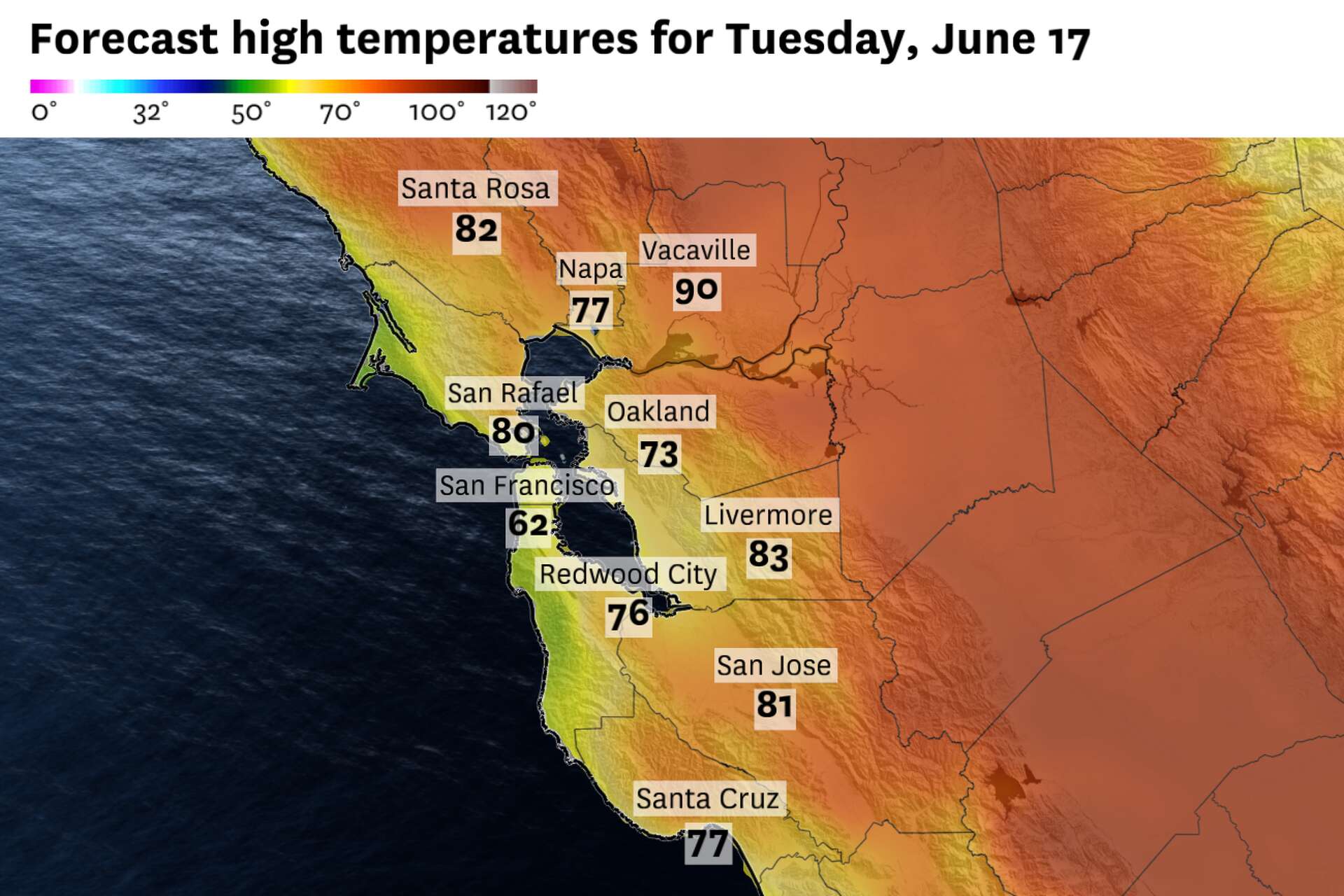
The crisp, often brisk air of San Francisco is a defining characteristic of the city, frequently catching visitors by surprise. While many associate California with perpetual sunshine and warmth, the Golden Gate City often presents a decidedly cooler, more temperate climate. This unique microclimate is not an accident but a result of a complex interplay of geography, ocean currents, and atmospheric phenomena. Understanding these factors provides a fascinating insight into why this iconic West Coast metropolis experiences what many would consider chilly weather, even in the heart of summer.
The Pacific Ocean’s Embrace: A Cooling Influence
The most significant factor contributing to San Francisco’s cooler temperatures is its proximity to the vast Pacific Ocean. Unlike many inland cities that experience greater temperature fluctuations between seasons, coastal cities like San Francisco are heavily influenced by the moderating effect of large bodies of water.

The California Current
A crucial element in this oceanic influence is the California Current. This cold ocean current flows southward along the west coast of North America, bringing chilly waters from the northern latitudes down towards the equator. As warm air from the landmass moves over these cooler ocean waters, it is cooled down. This cooled air then moves inland, significantly lowering the ambient temperature in San Francisco, particularly during the warmer months when the contrast between land and sea temperatures is most pronounced.
Fog: The City’s Natural Air Conditioner
San Francisco is world-renowned for its iconic fog, and this atmospheric phenomenon plays a vital role in keeping the city cool. The fog is a direct consequence of the interaction between the warm, moist air rising from the Pacific and the cold waters of the California Current.
The Mechanics of Fog Formation
When warm, moist air from the ocean encounters the cooler surface waters of the California Current, it cools rapidly. If the air cools to its dew point, the water vapor within it condenses into tiny water droplets, forming fog. This fog bank often rolls inland, blanketing the city, especially during the late spring and summer months.
The Cooling Effect of Fog
The dense fog acts as a natural blanket, reflecting solar radiation back into space before it can reach the ground. This prevents the sun’s warming rays from significantly impacting the city’s temperature. As a result, even on a sunny day elsewhere in California, San Francisco can remain shrouded in a cool, damp haze, keeping temperatures remarkably mild. This is why the city often experiences its warmest weather in September and October, when the fog typically recedes and the sun has more opportunity to penetrate.
Topographical Factors: Hills and Valleys
San Francisco’s unique topography also contributes to its varied microclimates. The city is built upon a series of rolling hills, a feature that can create distinct temperature differences within short distances.
The San Francisco Peninsula
The city is situated on the northern tip of the San Francisco Peninsula, which is itself surrounded by the Pacific Ocean to the west and San Francisco Bay to the east. This geography funnels cool ocean breezes directly into the city, particularly through the Golden Gate Strait.

Wind Patterns and Microclimates
The prevailing winds in San Francisco are generally from the west, originating from the ocean. These winds carry the cool, moist air inland. However, the city’s numerous hills can act as barriers or channels for these winds, creating localized microclimates. Neighborhoods on the western side of the city, facing the ocean and often more exposed to the fog, tend to be cooler and foggier than those on the eastern side, which are more sheltered and closer to the warmer waters of the bay. For example, the Richmond District and the Sunset District are known for their cooler, foggier conditions, while areas like the Mission District or the Financial District might experience warmer temperatures and more sunshine on any given day.
Seasonal Variations and the “Fog Season”
While the cooler temperatures are a year-round characteristic to some degree, they are most pronounced during the spring and summer months. This period is often referred to as the “fog season” or “foggy summer” in San Francisco.
Summer Paradox
The paradox of San Francisco is that its summers are often its coolest months. While the rest of California swelters under high temperatures, San Francisco enjoys a refreshing coolness, with average daytime temperatures often in the mid-60s Fahrenheit (around 18-20 degrees Celsius). This makes it an attractive destination for those seeking relief from summer heat.
Winter Milder
In contrast to many mainland cities, San Francisco’s winters are relatively mild. The moderating influence of the ocean prevents extreme cold, with temperatures rarely dropping below freezing. While there is more rainfall during the winter months, the temperatures remain temperate, often in the low to mid-50s Fahrenheit (around 10-13 degrees Celsius).
Preparing for San Francisco’s Climate
For visitors and residents alike, understanding San Francisco’s climate is key to enjoying the city. The unpredictable nature of the fog and the distinct microclimates mean that dressing in layers is essential.
The Art of Layering
A common piece of advice for anyone visiting San Francisco is to pack layers. What might start as a cool, foggy morning can transition into a sunnier, warmer afternoon, especially if you move from a western neighborhood to an eastern one, or away from the direct path of the sea breeze. A light jacket, a sweater, and a windbreaker are often indispensable items, regardless of the season.
Understanding the Microclimates for Exploration
When planning your explorations, consider the microclimates. If you’re heading to the Golden Gate Bridge or visiting the Presidio, expect cooler, windier conditions and potentially fog. If your itinerary includes a stroll through the Palace of Fine Arts or dinner in the North Beach neighborhood, you might find yourself in a slightly warmer, more sheltered environment. Even a short drive across town can reveal noticeable differences in temperature and atmospheric conditions.
Beyond the Cold: The Benefits of the Climate
While the cool temperatures might be surprising, they offer numerous benefits. The mild climate supports a rich and diverse ecosystem, contributing to the lush landscapes found in areas like Golden Gate Park. It also makes San Francisco an incredibly pleasant place for outdoor activities year-round, from walking and biking to exploring the city’s many attractions without the discomfort of extreme heat. The constant, refreshing breeze is a welcome respite for many, and the dramatic, often ethereal fog adds a unique charm and mystique to the city’s already stunning visual appeal. So, the next time you find yourself reaching for a jacket in San Francisco during the summer, remember that it’s not a flaw in the climate, but rather a testament to the powerful natural forces that shape this extraordinary city.
LifeOutOfTheBox is a participant in the Amazon Services LLC Associates Program, an affiliate advertising program designed to provide a means for sites to earn advertising fees by advertising and linking to Amazon.com. Amazon, the Amazon logo, AmazonSupply, and the AmazonSupply logo are trademarks of Amazon.com, Inc. or its affiliates. As an Amazon Associate we earn affiliate commissions from qualifying purchases.