
The allure of the Pacific Northwest often draws travelers to its dramatic coastlines, lush rainforests, and charming small towns. Among these, Forks, Washington stands out, largely thanks to its fictional fame but also for its genuine natural beauty. For those planning a journey from the bustling metropolis of Seattle to this remote Olympic Peninsula gem, understanding the distance and travel logistics is paramount. This guide navigates the key routes, estimated travel times, and essential considerations for making the trip.
Navigating the Route: Seattle to Forks
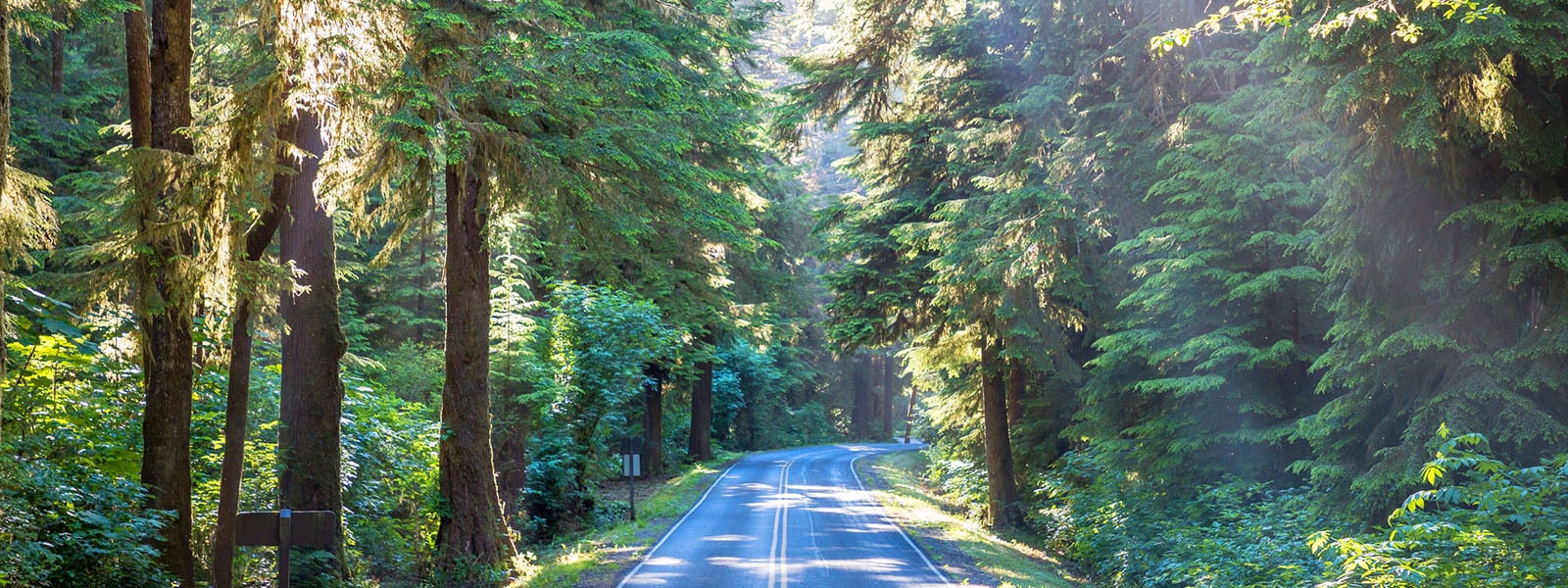
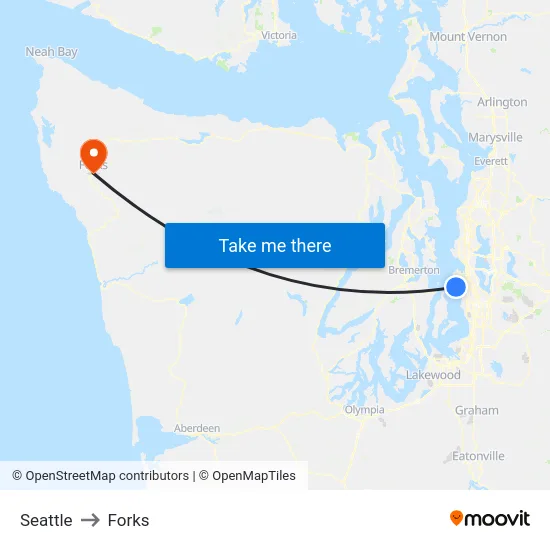
The journey from Seattle to Forks, Washington is a scenic adventure, primarily traversing a mix of highways that wind through diverse Washington landscapes. The most common and direct route involves crossing Puget Sound and then heading west towards the Olympic Peninsula.
The Primary Driving Route
The most popular driving route typically begins by heading south or west from Seattle to access a ferry terminal. The most common ferry route for this journey is from the Seattle waterfront to Bainbridge Island.
- Seattle to Bainbridge Island Ferry: This iconic ferry ride offers stunning views of the Seattle skyline, the Olympic Mountains, and Puget Sound. The ferry crossing itself takes approximately 35 minutes.
- Bainbridge Island to Port Angeles: After disembarking on Bainbridge Island, drivers will take WA-305 North, which merges onto WA-3 North towards Bremerton. From Bremerton, the route continues on WA-3 North, eventually connecting to US-101 North. US-101 North is the main artery that will lead you towards Port Angeles.
- Port Angeles to Forks: Continuing west on US-101 from Port Angeles, the road winds through dense forests and alongside the stunning coastline of the Olympic Peninsula. Forks, Washington is located directly off US-101, a short drive southwest of Lake Crescent.
Total Distance and Time:
The total driving distance from Seattle to Forks, Washington via this ferry route is approximately 150-160 miles.
The estimated driving time, excluding the ferry wait and crossing, is typically around 3.5 to 4 hours. However, this is a conservative estimate. When factoring in ferry schedules, potential traffic in Seattle and on Bainbridge Island, and the desire to stop and take in the scenery, the total travel time can easily extend to 5-6 hours or more.
Alternative Route (Without Ferry)
For those who prefer to avoid ferries or if ferry service is experiencing significant delays, an alternative route exists. This option involves driving south from Seattle and then west, bypassing Puget Sound altogether.
- Seattle to Tacoma: Take I-5 South from Seattle towards Tacoma.
- Tacoma to Olympia: Continue on I-5 South to Olympia.
- Olympia to Shelton: From Olympia, take US-101 North/West. This highway will take you through Shelton and eventually lead you back towards the Olympic Peninsula.
- US-101 to Forks: Continue on US-101 North/West as it winds its way through the peninsula, passing through destinations like Lake Quinault and eventually reaching Forks, Washington.
Total Distance and Time:
This route is generally longer, with a driving distance of approximately 170-180 miles.
The estimated driving time for this route is also longer, typically around 4 to 4.5 hours without stops or traffic. However, this route can be subject to more traffic congestion, especially around the Tacoma and Olympia areas, and may not offer the same picturesque coastal views as the ferry route.
Factors Affecting Travel Time
Several variables can significantly impact your travel time from Seattle to Forks, Washington. Being aware of these factors can help you plan more effectively and manage expectations.
Traffic Conditions
- Seattle Metro Area: Seattle is known for its traffic congestion. Commuting during peak hours (morning and evening weekdays) can add considerable time to your journey, especially when trying to access ferry terminals or major highways.
- Highway 101: While US-101 is a scenic highway, sections of it can become busy, particularly during summer tourist season or on weekends. Be prepared for slower speeds and occasional delays due to construction or increased vehicle volume.
Ferry Schedules and Waits
- Washington State Ferries: The ferry system is a crucial part of the most common route. Ferry schedules are generally reliable, but it’s essential to check them in advance, especially if you are traveling outside of peak season or on holidays.
- Wait Times: During busy periods, ferry wait times can be substantial. Arriving well in advance of your desired sailing time is highly recommended. You can often check current wait times online via the Washington State Ferries website or app. Missing a ferry can mean a significant delay.
Weather
- Pacific Northwest Weather: The Pacific Northwest is famous for its variable weather. Rain, fog, and even snow (in winter months, especially at higher elevations) can affect driving conditions and speeds. It is advisable to check the weather forecast before departing and drive cautiously.
- Road Conditions: In adverse weather, road conditions on US-101, particularly through the mountainous and forested areas, can deteriorate.
Seasonal Considerations
- Summer: The summer months (June through September) are the busiest for tourism on the Olympic Peninsula. Expect more traffic, fuller ferries, and potentially longer waits for accommodations and attractions.
- Winter: While less crowded, winter can bring challenging driving conditions due to rain and potential snow. Some seasonal roads or facilities might be closed.
Preparing for Your Trip
A little preparation can make your journey from Seattle to Forks, Washington smoother and more enjoyable.
Vehicle Check
Ensure your vehicle is in good condition, especially if you are planning to drive on winding, sometimes remote roads. Check tires, brakes, and fluids. Consider carrying a spare tire and basic emergency kit.
Navigation Tools
While GPS is widely available, cell service can be spotty in certain areas of the Olympic Peninsula. Downloading offline maps for your chosen route is a wise precaution. A physical map can also serve as a valuable backup.
Food and Supplies
Forks, Washington is a small town, and services can be spread out. It’s a good idea to pack snacks, water, and any specific food items you might need, especially if you plan on exploring more remote areas or hiking.
Accommodation Booking
If you intend to stay overnight in Forks, Washington or nearby, booking accommodations well in advance is strongly advised, particularly during peak tourist seasons. Options range from charming inns and motels to vacation rentals.
Exploring Forks and the Olympic Peninsula
Once you arrive in Forks, Washington, you are at the gateway to a region of unparalleled natural beauty. The town itself is a hub for exploring the surrounding wilderness.
Olympic National Park
Forks, Washington is conveniently located near several key entrances to Olympic National Park.
- Hoh Rainforest: A must-visit, this temperate rainforest is renowned for its moss-draped trees and lush greenery. The Hall of Mosses and Spruce Nature Trail are popular, accessible walks.
- La Push Beaches: Located west of Forks, these dramatic coastal areas offer stunning sea stacks, tide pools, and rugged beauty. First Beach, Second Beach, and Rialto Beach are prime destinations.
- Lake Quinault: To the south, this large lake is surrounded by old-growth forests and offers opportunities for hiking, fishing, and scenic drives.
Local Attractions
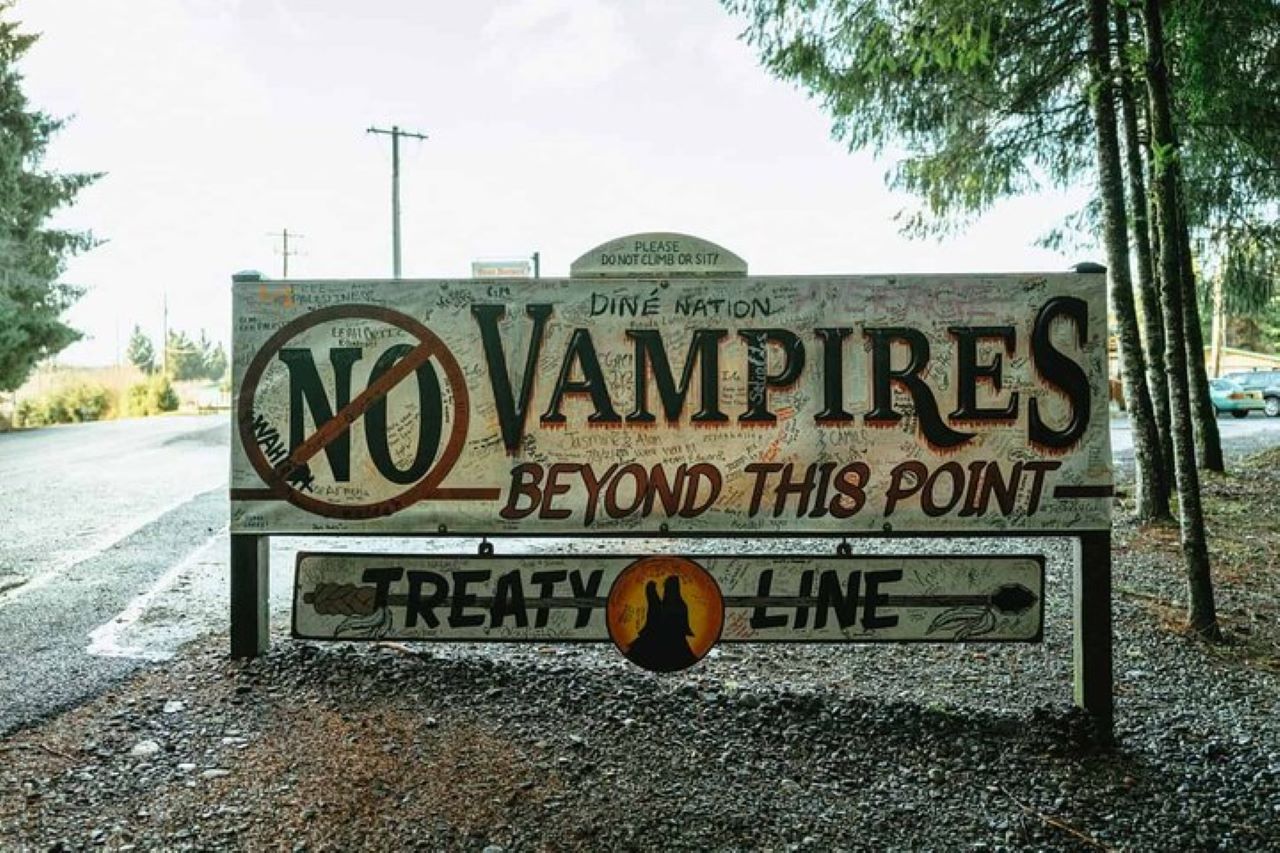
While often associated with its literary fame, Forks, Washington also offers local attractions that connect visitors to the region’s logging history and natural environment. The Forks Timber Museum provides insight into the town’s heritage.
The journey from Seattle to Forks, Washington is more than just a distance; it’s an transition from urban energy to the serene embrace of nature. Whether you choose the ferry route for its scenic views or the inland route for simplicity, careful planning will ensure your travel experience is as rewarding as the destination itself. The approximately 150-160 miles that separate these two points are a prelude to the wild, enchanting landscapes of the Olympic Peninsula, promising an unforgettable adventure.
LifeOutOfTheBox is a participant in the Amazon Services LLC Associates Program, an affiliate advertising program designed to provide a means for sites to earn advertising fees by advertising and linking to Amazon.com. Amazon, the Amazon logo, AmazonSupply, and the AmazonSupply logo are trademarks of Amazon.com, Inc. or its affiliates. As an Amazon Associate we earn affiliate commissions from qualifying purchases.