
Understanding California’s Elusive Apex Predator
Mountain lions, also known as cougars, pumas, or panthers, are one of California’s most iconic, yet elusive, native species. For tourists exploring the state’s vast wilderness areas, understanding the presence and habits of these magnificent predators is crucial for both safety and appreciating the delicate balance of California’s ecosystems. While you might visit national parks like Yosemite or Joshua Tree hoping to spot diverse wildlife, a mountain lion sighting is incredibly rare due to their solitary and secretive nature. However, their presence deeply influences the environment and shapes the experience of outdoor activities.
The Current Population Estimate
Estimating the exact number of mountain lions in California is a complex and ongoing scientific endeavor. Unlike more visible species, these cats roam vast territories and blend seamlessly into their natural habitats, which span nearly two-thirds of the state. Early estimates, often based on less precise methodologies, suggested figures around 4,000 to 6,000 individuals. However, more recent, robust scientific studies utilizing advanced techniques like genetic analysis, GPS telemetry, and sophisticated population modeling have revised these numbers.
A comprehensive study by the California Department of Fish and Wildlife (CDFW), in collaboration with academic institutions and conservation groups, indicates a lower, yet still healthy, population. The most current estimates suggest there are likely between 2,500 and 4,500 adult mountain lions in California. This number fluctuates based on habitat availability, prey populations, and environmental factors like wildfires and drought. Understanding this range is important for tourists, as it informs the likelihood (however small) of encountering one and highlights the importance of respecting their habitat.
Why the Mountain Lion Population Matters for Tourism
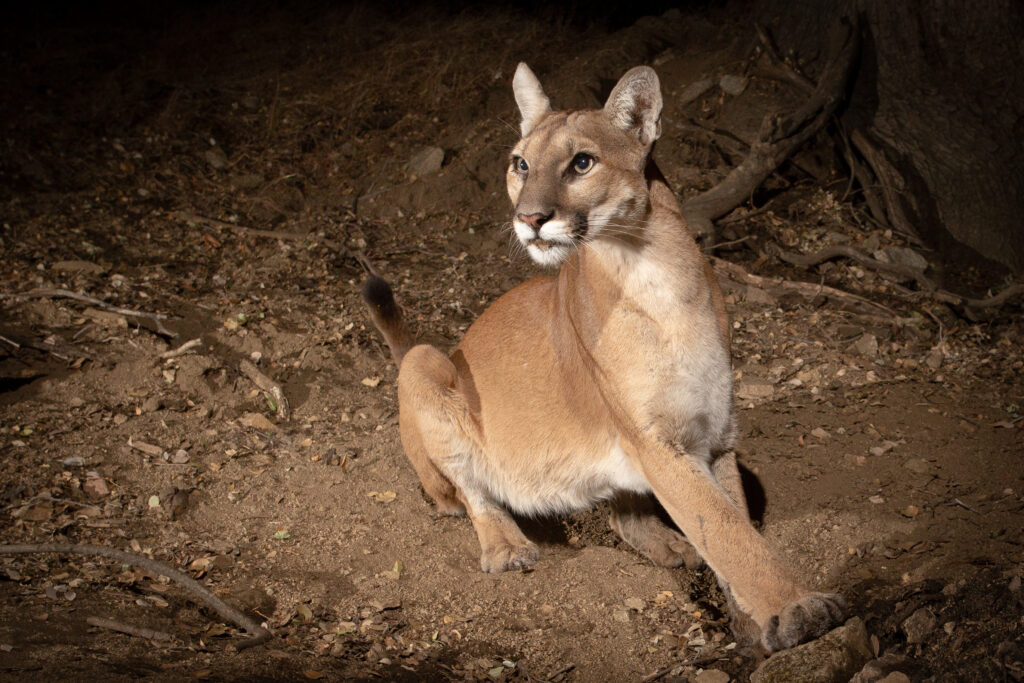
The presence of mountain lions, regardless of their exact numbers, signifies a healthy and intact ecosystem—a major draw for eco-tourism and nature enthusiasts visiting California. These animals are apex predators, playing a vital role in regulating deer populations and maintaining biodiversity. For tourists, this translates into vibrant, balanced natural landscapes, from the redwood forests of the north to the chaparral of Southern California.
Conservation and Protected Areas
California is a leader in wildlife conservation, and mountain lions are a specially protected species. They were designated a “specially protected mammal” in 1990 by the California Wildlife Protection Act (Proposition 117), making it illegal to hunt them. This protection is a testament to the state’s commitment to preserving its natural heritage, which directly benefits tourism by maintaining pristine natural areas.
Many of California’s most popular tourist destinations, particularly its numerous national parks, state parks, and wilderness areas, serve as critical mountain lion habitats. Locations such as Point Reyes National Seashore, Big Sur, Santa Monica Mountains National Recreation Area, and the Sierra Nevada range are prime examples. When tourists visit these areas, they are implicitly participating in the larger effort to protect these environments. Their visitation fees, responsible behavior, and support for local conservation initiatives all contribute to the well-being of these ecosystems and the mountain lions within them.
Impact on Outdoor Activities
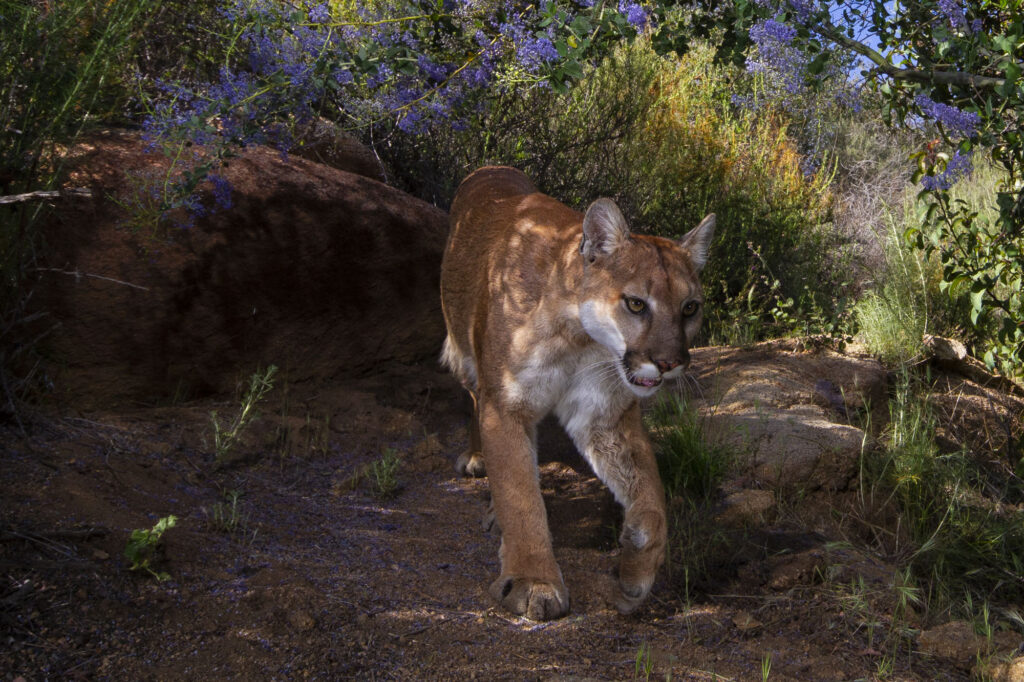
Knowing that mountain lions inhabit an area can influence how tourists plan and execute outdoor activities. While sightings are rare, awareness fosters responsible tourism practices. Hiking, mountain biking, trail running, and camping in designated wilderness areas all occur within mountain lion territory. This understanding encourages visitors to stay on marked trails, keep children and pets close, and be aware of their surroundings—practices that not only enhance personal safety but also minimize disturbance to wildlife.
Safety and Responsible Tourism in Mountain Lion Country
Encountering a mountain lion is an exceedingly rare event for the average tourist. These animals actively avoid human contact. However, responsible tourism dictates that visitors to California’s wild places should be prepared and informed. The risk of an encounter is incredibly low, far lower than many other common risks associated with outdoor activities, but being prepared means you can enjoy California’s natural beauty with confidence.
Before You Go
- Research Your Destination: Check the official websites for California State Parks, National Park Service units, or other land management agencies for specific wildlife information and safety guidelines for the area you plan to visit. Many parks provide brochures or online resources detailing local wildlife.
- Hike Smart: Always hike with a companion. If hiking alone, make plenty of noise and carry a whistle. Avoid hiking during dawn, dusk, and night, which are prime hunting times for mountain lions.
- Keep Kids and Pets Close: Small children and pets are more vulnerable. Keep children within arm’s reach and dogs on a leash, especially in areas where mountain lions are known to roam. Never allow pets to range freely.
During Your Visit
- Stay Aware of Your Surroundings: Pay attention to unusual animal behavior, fresh tracks, or scat. If you see prey animals like deer acting skittish or agitated, it could indicate a predator nearby.
- What to Do in an Encounter: If you are incredibly fortunate (or unfortunate, depending on your perspective) to see a mountain lion:
- Do NOT approach the animal. Give it an escape route.
- Do NOT run. Running may trigger their chase instinct.
- Stand your ground and make yourself look as large as possible. Raise your arms, open your jacket, pick up small children.
- Make noise and speak firmly. Shout, wave your arms, throw rocks or sticks if necessary.
- Fight back if attacked. Use any available objects as weapons. Focus on the face and eyes.
Minimizing Your Impact
Responsible tourism extends beyond personal safety to minimizing your footprint.
- Pack It In, Pack It Out: Leave no trace of your visit. This includes food scraps, which can attract prey animals, and in turn, predators.
- Secure Food and Trash: When camping, use bear-proof containers for food and trash. While primarily for bears, this also deters other wildlife from becoming habituated to human food sources.
- Respect Wildlife Space: Observe all wildlife from a respectful distance. Do not feed any animals. Feeding wildlife can alter their natural behaviors and lead to dangerous habituation.
The Future of Mountain Lions and Sustainable Tourism
The continued presence of mountain lions in California is a strong indicator of successful conservation efforts and provides a unique draw for sustainable tourism. As California’s population grows and development encroaches on wildlands, challenges such as habitat fragmentation and conflicts with humans become more pronounced. However, ongoing research, public education, and dedicated land management are crucial for ensuring these majestic cats continue to thrive.
Habitat Connectivity and Corridors
One significant challenge, particularly in Southern California, is the fragmentation of habitat due to roads and urban sprawl. Mountain lions need vast, connected territories to hunt and find mates. Projects like the proposed wildlife crossing over Highway 101 in Agoura Hills, near Los Angeles, are vital initiatives. This crossing aims to link the Santa Monica Mountains with other wilderness areas, providing safe passage for mountain lions and other wildlife. Tourists who understand and support such infrastructure projects contribute to the long-term viability of mountain lion populations and the health of the ecosystems they visit.
Ecotourism and Education
The allure of California’s wild spaces, including the possibility (however remote) of seeing iconic wildlife, drives a significant portion of its tourism economy. Ecotourism, which emphasizes responsible travel to natural areas that conserves the environment and improves the well-being of local people, plays a key role. Educational programs within parks and visitor centers often highlight the importance of apex predators like mountain lions, teaching tourists about their ecological role and how human actions impact them. By engaging with these educational resources, tourists not only enrich their own experience but also become advocates for conservation.
The number of mountain lions in California is more than just a statistic; it’s a barometer for the health of one of the world’s most biodiverse regions. For the responsible tourist, this understanding enhances the appreciation of California’s natural wonders, reinforces the need for thoughtful interaction with the environment, and encourages participation in efforts that ensure these incredible creatures continue to roam free for generations to come. Your next visit to California’s majestic landscapes offers an opportunity to connect with nature at its most profound, understanding that you are sharing space with one of its most powerful and beautiful inhabitants.
LifeOutOfTheBox is a participant in the Amazon Services LLC Associates Program, an affiliate advertising program designed to provide a means for sites to earn advertising fees by advertising and linking to Amazon.com. Amazon, the Amazon logo, AmazonSupply, and the AmazonSupply logo are trademarks of Amazon.com, Inc. or its affiliates. As an Amazon Associate we earn affiliate commissions from qualifying purchases.