
When planning a trip from the Pacific Northwest to the American Southwest, understanding the flight duration is a crucial element in maximizing your travel experience. A flight from Seattle to Phoenix is a popular route, connecting two vibrant cities with distinct climates and attractions. While the distance between these two metropolitan areas might seem straightforward, several factors can influence the actual time spent in the air. This guide will delve into the typical flight times, explore the variables that affect them, and offer insights for travelers looking to optimize their journey.

Direct Flight Durations: The Fastest Route
The most efficient way to travel between Seattle and Phoenix is via a non-stop or direct flight. These flights offer the most predictable travel times, bypassing the need for layovers and reducing the overall duration of your trip.
Average Flight Time
On average, a direct flight from Seattle-Tacoma International Airport (SEA) to Phoenix Sky Harbor International Airport (PHX) typically ranges from 2 hours and 30 minutes to 3 hours and 15 minutes. This duration is calculated from the moment the aircraft leaves the gate until it arrives at the destination gate.
Several major airlines operate this route, including Alaska Airlines, Southwest Airlines, and American Airlines. While the airlines strive for consistency, slight variations can occur due to the specific aircraft model used and prevailing wind conditions.
Factors Influencing Direct Flight Time
- Wind Patterns: The prevailing winds, particularly the jet stream, can significantly impact flight times. Flying eastward from Seattle to Phoenix, travelers often benefit from tailwinds, which can shorten the flight. Conversely, headwinds on the return journey from Phoenix to Seattle can extend the flight time.
- Aircraft Type: Different aircraft have varying cruising speeds. Larger jets might fly slightly faster than smaller regional planes, though the difference is usually minimal for this route.
- Air Traffic Control: While air traffic control aims for efficiency, occasional delays due to congestion around major airports can add a few minutes to the flight.
- Taxiing Time: The time spent taxiing on the runway before takeoff and after landing is also factored into the total gate-to-gate duration.
Connecting Flights: Navigating Layovers
For travelers seeking lower fares or more flexible travel dates, connecting flights are a common alternative to direct services. However, these options invariably increase the total travel time.
Estimated Total Travel Time
A flight from Seattle to Phoenix with one or more layovers can range significantly in duration. The total travel time is comprised of:
- The flight time to the layover city.
- The layover duration itself.
- The flight time from the layover city to Phoenix.
Consequently, a trip with a layover can easily stretch from 5 hours to upwards of 8 hours or more, depending on the location and length of the stopover.

Popular Layover Hubs
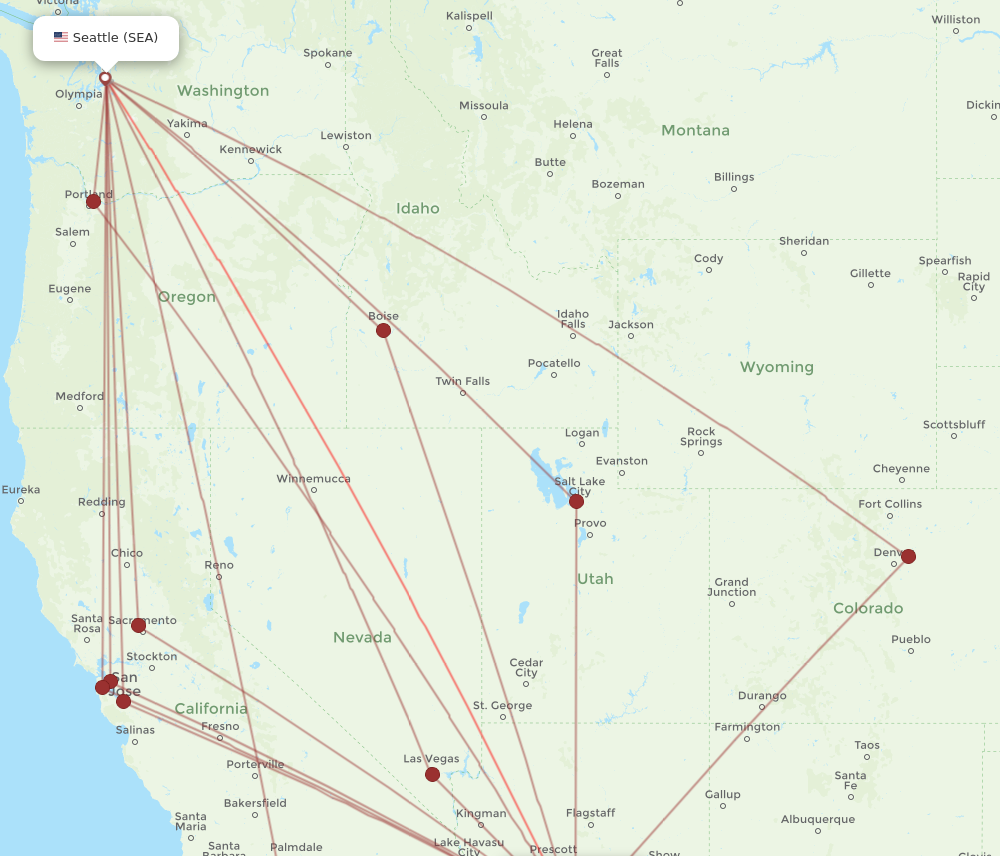
Common layover cities for this route include:
- Portland International Airport (PDX): A natural stopping point for many Alaska Airlines flights.
- Salt Lake City International Airport (SLC): A major hub for Delta Air Lines.
- Denver International Airport (DEN): Another significant hub for United Airlines.
- Los Angeles International Airport (LAX): A busy gateway often used by American Airlines and other carriers.
The choice of layover city can influence the overall travel time, with some hubs offering shorter connection times than others. Travelers should carefully review the total journey duration when booking, not just the individual flight segments.
Strategies for Managing Layover Times
- Short vs. Long Layovers: Opting for a shorter layover (typically 60-90 minutes) minimizes the overall travel time but increases the risk of missing a connection due to delays. Longer layovers provide more buffer but extend the journey.
- Airport Amenities: If you have a longer layover, consider the amenities available at the connecting airport. Salt Lake City International Airport, for example, has undergone significant renovations and offers a good selection of dining and retail options.
- Connecting Airlines: Ensure you are booking flights with sufficient connection times, especially if changing airlines, as you may need to re-check baggage and navigate through different terminals.
Planning Your Travel: Beyond the Flight Time
Understanding the flight duration is just one piece of the puzzle when planning your trip from Seattle to Phoenix. Several other considerations can impact your overall travel experience.
Time Zone Differences
Seattle is in the Pacific Time Zone (PT), while Phoenix observes Mountain Standard Time (MST) year-round. MST is three hours ahead of Pacific Standard Time (PST) and two hours ahead of Pacific Daylight Time (PDT). This means that even though a flight might be short, you will experience a time jump, which can affect your arrival schedule and your internal clock. For example, a 3-hour flight departing Seattle at 10:00 AM PST would technically land in Phoenix around 1:00 PM PST, but due to the time difference, the local time would be 4:00 PM MST.
Preparing for Departure and Arrival
- Airport Arrival: It is generally recommended to arrive at Seattle-Tacoma International Airport at least two hours before a domestic flight, especially if checking baggage or traveling during peak hours. For Phoenix Sky Harbor International Airport, similar timings apply.
- Transportation: Factor in the time it takes to get to and from the airports. Seattle has options like the Link Light Rail, while Phoenix offers light rail and numerous ride-sharing services.
- Weather Considerations: Seattle is known for its rain, while Phoenix experiences significant heat, especially during the summer months. Adjust your packing and expectations accordingly.
What to Expect in Phoenix
Phoenix offers a stark contrast to the evergreen landscapes of Washington. Known for its desert climate, vibrant arts scene, and outdoor recreational opportunities, it’s a popular destination for those seeking sunshine and adventure.
- Attractions: From the stunning desert flora at the Desert Botanical Garden to the vibrant downtown arts district and the nearby red rocks of Sedona, Phoenix and its surrounding areas provide a wealth of experiences.
- Activities: Hiking in the Camelback Mountain area, exploring the Heard Museum for Native American art and culture, or enjoying a round of golf are popular pastimes.
- Cuisine: The culinary scene in Phoenix is diverse, with a strong emphasis on Southwestern flavors, Mexican-inspired dishes, and a growing fine-dining sector.
By understanding the nuances of flight durations and considering these practical aspects, travelers can ensure a smoother and more enjoyable journey from the Emerald City to the Valley of the Sun.
LifeOutOfTheBox is a participant in the Amazon Services LLC Associates Program, an affiliate advertising program designed to provide a means for sites to earn advertising fees by advertising and linking to Amazon.com. Amazon, the Amazon logo, AmazonSupply, and the AmazonSupply logo are trademarks of Amazon.com, Inc. or its affiliates. As an Amazon Associate we earn affiliate commissions from qualifying purchases.