
Florida, a state synonymous with sunshine, sandy beaches, and vibrant wildlife, is particularly renowned for its gentle giants of the sea: the manatees. These docile marine mammals, often affectionately called “sea cows,” are a beloved symbol of Florida’s natural heritage. For travelers and nature enthusiasts looking to witness these magnificent creatures in their natural habitat, understanding their preferred living spaces is paramount. Florida’s diverse aquatic environments provide crucial habitats, offering warmth, abundant food sources, and safe havens for manatee populations.
Coastal Waters and Estuaries: The Primary Manatee Habitats
The majority of Florida’s manatee population thrives in the warm, shallow, and protected waters of its extensive coastline. The state boasts over 1,350 miles of tidal shoreline, a significant portion of which is characterized by estuaries, mangrove forests, and seagrass beds – all essential components of a healthy manatee ecosystem. These areas offer a rich buffet of the submerged aquatic vegetation that forms the staple of a manatee’s diet.

The Importance of Seagrass Beds
Seagrass meadows are the underwater equivalent of lush meadows, and they are critical for manatee survival. These underwater grasses, including species like turtlegrass, shoalgrass, and manateegrass, are highly nutritious and provide a constant food source. Manatees are herbivores, spending a considerable portion of their day grazing on these plants. Areas with thriving seagrass beds are therefore prime locations for spotting manatees. Key regions along Florida’s coast, such as the waters around the Crystal River and along the Nature Coast, are particularly rich in seagrass and consequently, manatee activity. The health of these seagrass beds directly influences the health and distribution of the manatee population.
Mangrove Labyrinths and Salt Marshes
Beyond seagrass, manatees also frequent the sheltered inlets and brackish waters where mangrove forests and salt marshes dominate. These coastal wetlands provide crucial protection from open ocean predators and rough seas. The prop roots of mangrove trees create a complex underwater structure that offers refuge and foraging opportunities. Estuaries, where freshwater rivers meet the saltwater of the ocean, create unique environments that are highly productive and support a diverse array of life, including the plankton and algae that smaller marine life feed on, which in turn, can attract manatees. These transition zones are vital for young manatees as well, offering a safe nursery ground.
Freshwater Springs and Rivers: Warmth and Refuge
While coastal waters are their primary domain, Florida’s extensive network of freshwater springs and rivers plays an indispensable role in the survival of manatees, especially during the colder months. When winter temperatures dip, the ocean and estuarine waters can become too cold for these warm-blooded mammals, posing a serious threat. This is where Florida’s natural springs become lifelines.
The Lifeline of Natural Springs
Florida is home to more natural springs than any other state in the United States, and their constant temperature, typically around 72 degrees Fahrenheit (22 degrees Celsius) year-round, provides a vital refuge. Manatees migrate in large numbers to these springs to escape the chill. Locations like the Homosassa Springs Wildlife State Park and the Blue Spring State Park are famous for their winter manatee congregations. In fact, Blue Spring State Park is one of the most significant winter refuges for West Indian manatees, with hundreds of individuals often observed seeking warmth in its waters. The U.S. Geological Survey’s Sirenia Project has conducted extensive research on these migratory patterns, highlighting the critical importance of these thermal refuges.
Navigating Freshwater Systems
Beyond the springs themselves, the rivers and canals connected to them also become important habitats during cooler periods. Manatees will travel up these freshwater systems to reach the warmer spring waters, and will often linger in the surrounding areas if food sources are available. Navigating these systems requires a thorough understanding of manatee behavior and regulations designed to protect them from boat strikes and other human-related disturbances. For example, in areas like the St. Johns River, manatees can be found utilizing both the river and its associated springs.
Manatee Hotspots and Viewing Opportunities
For those eager to witness manatees in Florida, certain locations offer a higher probability of sightings. These areas often combine ideal habitat conditions with accessibility for visitors. Responsible wildlife viewing is key, ensuring that these encounters are beneficial for both humans and the animals.
The Nature Coast: A Premier Destination
The western coast of Florida, often referred to as the Nature Coast, is arguably the most renowned region for manatee viewing. This area, stretching roughly from Citrus County north to the Big Bend area, is characterized by its numerous springs, protected bays, and extensive seagrass beds.
Crystal River and Homosassa Springs
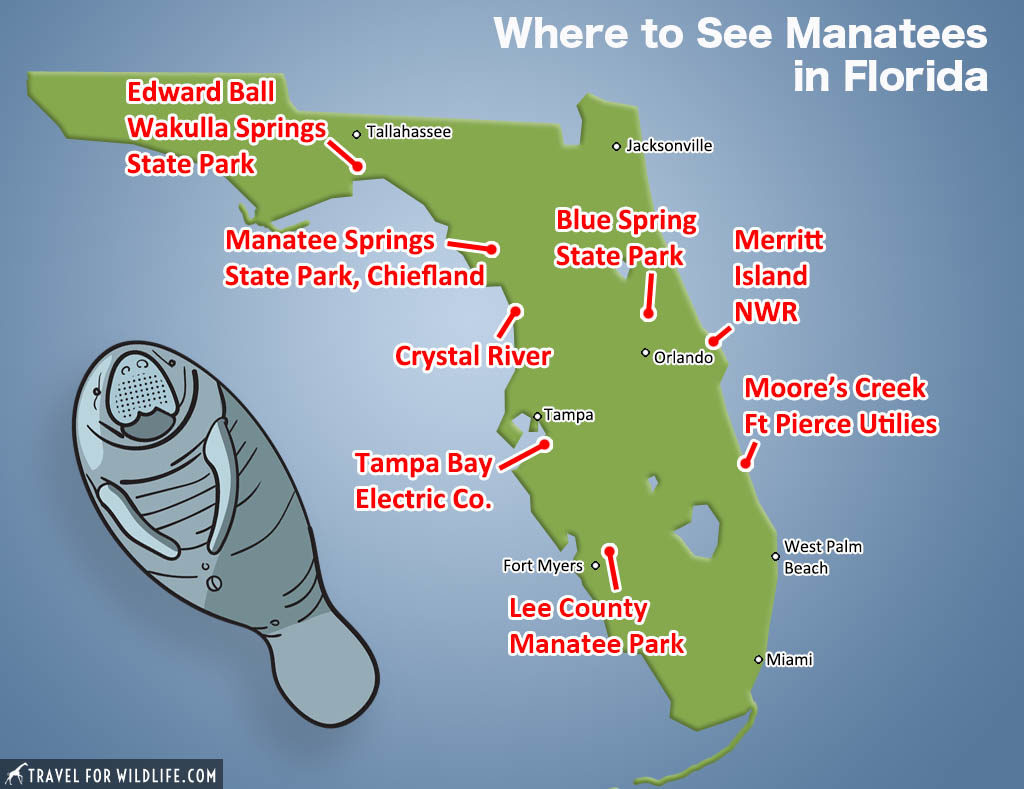
Crystal River and Homosassa Springs are particularly famous. Crystal River National Wildlife Refuge is a critical habitat for manatees, especially during winter, when they seek the warmer waters of the Kings Bay springs. Snorkeling and diving tours are popular here, allowing visitors to observe manatees in a way that respects their space and natural behavior. It’s important to note that regulations are in place to minimize disturbance, such as maintaining a safe distance and avoiding any form of harassment. Similarly, the Homosassa Springs Wildlife State Park offers excellent opportunities to see manatees in a controlled environment, often with educational displays about their biology and conservation.
Florida’s Atlantic Coast
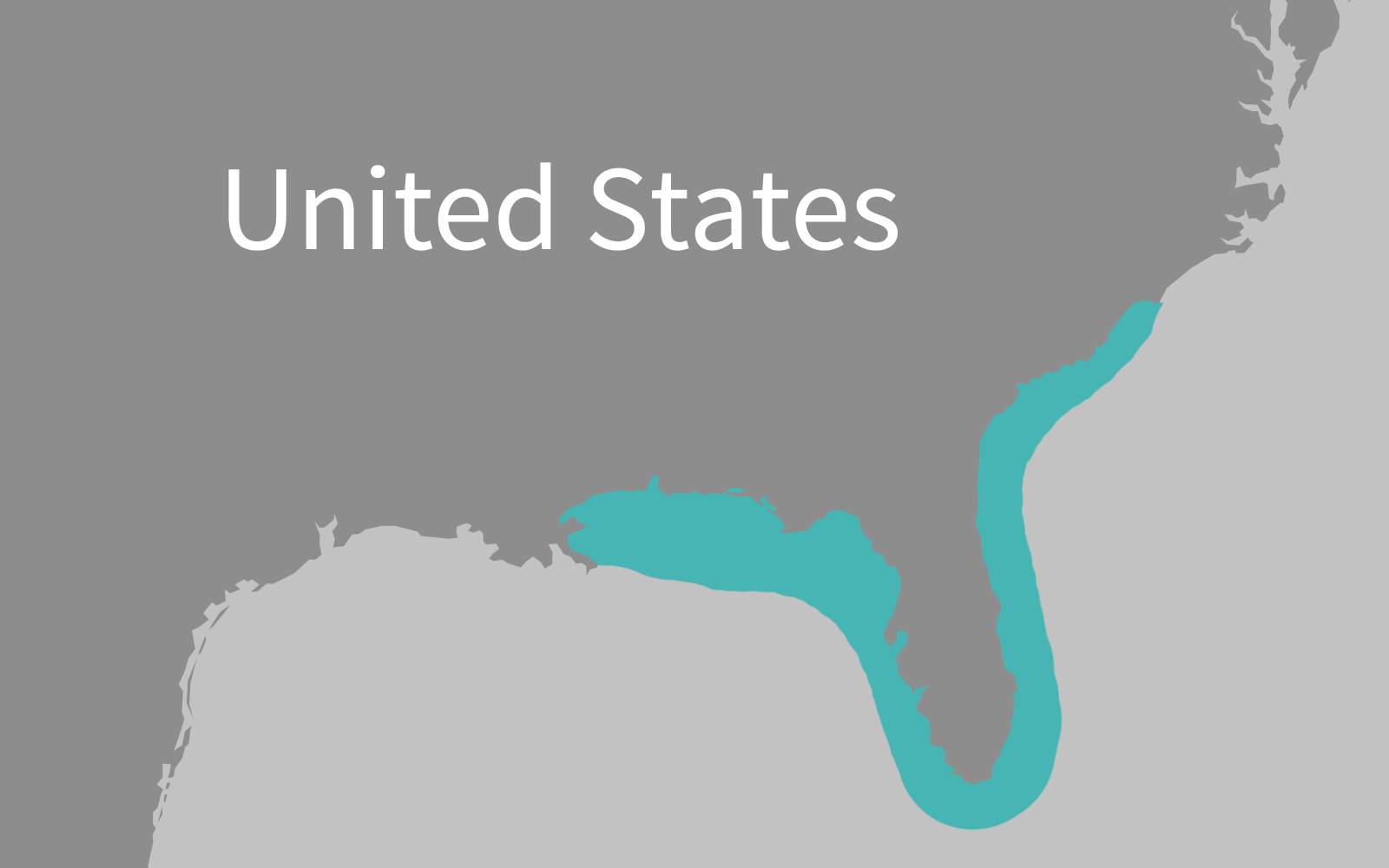
While the Gulf Coast is more famous, Florida’s Atlantic coast also supports manatee populations, particularly in the southern half of the state. Areas around Palm Beach and Fort Lauderdale see manatees utilizing the intracoastal waterways and canals.
Power Plant Discharge Sites
A unique phenomenon on the Atlantic coast is the congregation of manatees around warm-water discharge sites from power plants, such as the Fort Myers Power Plant or sites near Fort Lauderdale. During colder months, these industrial outflows create localized warm pockets in otherwise cooler waters, attracting manatees seeking thermal refuge. These sites have become de facto sanctuaries and are often monitored for manatee activity.
Factors Influencing Manatee Distribution
Several environmental factors dictate where manatees are found in Florida. Understanding these elements provides deeper insight into their migratory patterns and habitat selection.
Temperature Preferences
As mentioned, temperature is a primary driver. Manatees are sensitive to cold and require water temperatures above 68 degrees Fahrenheit (20 degrees Celsius) for extended periods. When ambient water temperatures drop below this threshold, they will seek out warmer sources, be it natural springs, power plant outflows, or even warm bays and lagoons. This seasonal migration is a significant factor in their distribution.
Food Availability
The abundance and type of submerged aquatic vegetation are critical. Manatees consume large quantities of seagrass, algae, and other aquatic plants. Therefore, areas with healthy, expansive seagrass beds will naturally attract and sustain larger manatee populations. Degradation of seagrass beds due to pollution or physical damage can lead to a decline in local manatee numbers.
Protection from Predators and Human Activity
While adult manatees have few natural predators, young or infirm individuals can be vulnerable. They also face significant threats from human activities, most notably boat strikes. Consequently, manatees tend to favor protected areas like shallow bays, slow-moving rivers, and canals, and areas designated as manatee sanctuaries where boating restrictions are in place.
Conservation Efforts and Responsible Viewing
The future of Florida’s manatees is intrinsically linked to ongoing conservation efforts and the responsible behavior of those who visit their habitats. Many organizations and government agencies are dedicated to protecting these gentle creatures and their environment.
Designated Manatee Sanctuaries
Numerous areas across Florida have been designated as manatee sanctuaries, with specific regulations to protect them. These sanctuaries often involve speed zones for boats, no-entry areas during critical periods, and guidelines for wildlife viewing. Adhering to these regulations is not only a legal requirement but also a crucial aspect of responsible tourism. Locations like Blue Spring State Park and areas within the Crystal River National Wildlife Refuge are prime examples of protected manatee habitats.
The Role of Responsible Tourism
For travelers, responsible tourism is key. This means choosing tour operators who prioritize manatee welfare, maintaining a respectful distance, avoiding feeding or touching the animals, and being mindful of their environment. Educational initiatives and visitor centers at locations like the Save the Manatee Club offer valuable information on how to best observe and contribute to manatee conservation. By understanding where manatees live and respecting their needs, visitors can ensure a positive and memorable experience while contributing to the long-term survival of this iconic Florida species.
LifeOutOfTheBox is a participant in the Amazon Services LLC Associates Program, an affiliate advertising program designed to provide a means for sites to earn advertising fees by advertising and linking to Amazon.com. Amazon, the Amazon logo, AmazonSupply, and the AmazonSupply logo are trademarks of Amazon.com, Inc. or its affiliates. As an Amazon Associate we earn affiliate commissions from qualifying purchases.