
California, a land of sun-kissed beaches, towering redwoods, and vibrant metropolitan hubs, beckons with unparalleled opportunities for travel, tourism, and lifestyle ventures. From boutique hotels in Napa Valley to adventure tour companies in Lake Tahoe, and from luxury accommodation providers in Beverly Hills to digital nomads managing their travel blogs from a beachfront apartment in Santa Monica, the Golden State is a dynamic canvas for entrepreneurs. For those looking to establish a robust and flexible business presence here, forming a Limited Liability Company (LLC) is often the preferred choice. An LLC offers a blend of personal liability protection and operational simplicity, making it an ideal structure for a wide array of businesses, particularly those intertwined with the travel and lifestyle industries that define this spectacular region.
This comprehensive guide will walk you through the essential steps of forming an LLC in California, detailing not just the “how-to” but also illuminating the strategic advantages and lifestyle benefits this business entity can unlock for your ventures. Whether you dream of launching a new travel experience, managing a portfolio of short-term rentals, or offering specialized tourism services, understanding the intricacies of LLC formation is your first class ticket to success in the Golden State.

Why Choose an LLC for Your California Travel and Lifestyle Venture?
The decision to form an LLC is a strategic one, offering distinct advantages that resonate particularly well with the nature of travel, accommodation, and lifestyle businesses. In a state as litigious and dynamic as California, safeguarding your personal assets and projecting a professional image are paramount.
Protecting Your Personal Assets in the Golden State
One of the primary reasons entrepreneurs opt for an LLC is the crucial benefit of personal liability protection. As an LLC owner, your personal assets—such as your home, car, and personal savings—are generally shielded from business debts and lawsuits. This separation means that if your travel agency faces a lawsuit, or your short-term rental property encounters financial difficulties, your personal wealth remains protected. For businesses operating in the tourism sector, where unexpected events or client disputes can arise, this protection offers immense peace of mind. Imagine running a tour company taking guests on an excursion through Yosemite National Park; while safety is always a priority, accidents can happen. An LLC acts as a vital barrier, ensuring that unforeseen circumstances impacting your business don’t spill over to your personal finances.
Tax Advantages for Travel Entrepreneurs
California LLCs enjoy favorable tax treatment, often benefiting from “pass-through” taxation. This means that the LLC’s profits and losses are passed through to the owners’ personal tax returns, avoiding the “double taxation” that corporations can experience (where both the corporation and its shareholders are taxed on profits). While California does impose an annual minimum franchise tax and an additional fee for LLCs earning over a certain threshold, the overall tax structure is often simpler and more efficient for small to medium-sized businesses. Furthermore, an LLC structure can allow for easier deduction of legitimate business expenses related to travel, accommodation, and other lifestyle-centric operations, which can be particularly advantageous for those whose business inherently involves travel, such as a travel blogger exploring destinations or a real estate investor managing properties across California.
Building Credibility in the California Tourism Market
Establishing your business as an LLC immediately confers a greater sense of legitimacy and professionalism. In a competitive market like California’s tourism and hospitality industry, this can be a significant differentiator. Clients, partners, and investors often prefer to work with registered entities, viewing them as more stable and accountable. An LLC designation also makes it easier to open business bank accounts, secure financing, and forge partnerships with larger entities, such as hotel chains or destination marketing organizations. Whether you’re a burgeoning boutique hotel in Palm Springs, a curated experience provider in San Francisco, or a luxury villa rental service in Los Angeles, operating as an LLC signals seriousness and a commitment to professional standards, enhancing your appeal and trust in the market.
Key Steps to Forming Your California LLC
Navigating the administrative process of forming an LLC in California requires attention to detail, but with a clear roadmap, it’s a straightforward journey. Each step is crucial to ensure your business is legally sound and ready to thrive.
Choosing a Unique Name for Your Business
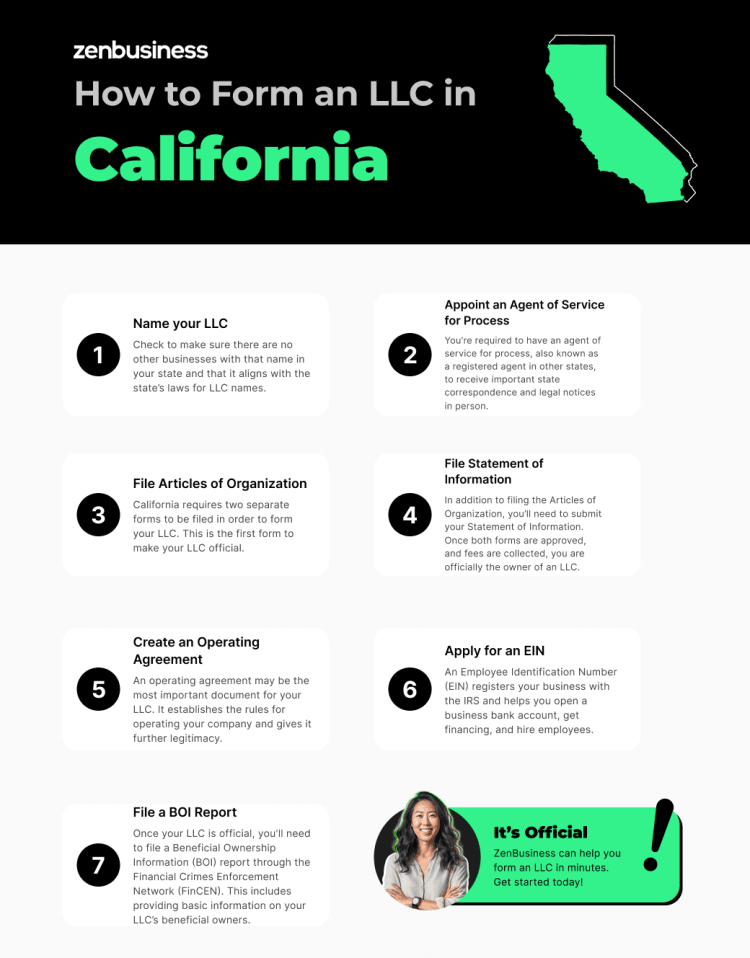
Your LLC’s name is its identity, and it must be unique and distinguishable from other registered entities in California. Before you get too attached to a name, perform a name availability search through the California Secretary of State of California‘s website. The name must also include “LLC,” “L.L.C.,” “Limited Liability Company,” “Limited Liability Co.,” or “Ltd. Liability Co.” Consider a name that reflects your brand, especially if you’re in the travel or lifestyle sector. A name like “Pacific Coast Adventures LLC” or “Golden State Retreats LLC” immediately conveys your focus and appeals to your target audience. If your desired name is available, you can reserve it for a small fee for up to 60 days, giving you time to complete other formation steps.
Designating a Registered Agent
Every California LLC must have a registered agent. This is an individual or a company physically located in California that agrees to accept legal documents (like service of process) on behalf of your LLC. The registered agent must have a physical street address in California (not a P.O. Box) and be available during regular business hours. For entrepreneurs who travel frequently, manage properties across the state, or operate remotely, a professional registered agent service is an invaluable asset. It ensures that you never miss important legal notices, maintaining your LLC’s good standing, even if you’re exploring Death Valley National Park or on a business trip overseas.
Filing Your Articles of Organization
This is the cornerstone document for forming your California LLC. You file the Articles of Organization (Form LLC-1) with the California Secretary of State of California. The document officially registers your LLC and includes crucial information such as your LLC’s name, its purpose, the registered agent’s name and address, and how the LLC will be managed (member-managed or manager-managed). While it might seem like a simple form, ensuring accuracy is paramount. Errors can lead to delays or future legal complications. Once approved, the Secretary of State of California will return a stamped copy, which serves as official proof of your LLC’s existence.
Drafting an Operating Agreement
While not legally required to file with the Secretary of State of California, an Operating Agreement is the most critical internal document for your LLC. It’s a legally binding contract among the LLC members that outlines the ownership structure, members’ rights and responsibilities, profit and loss distribution, management structure, and procedures for decision-making, member admission, and dissolution. For multi-member LLCs, especially those formed to manage a shared investment property or a joint travel venture, a well-drafted Operating Agreement prevents future disputes and provides clarity. Even for single-member LLCs, it lends credibility and helps maintain the liability shield by clearly distinguishing personal from business affairs.
Obtaining Necessary Licenses and Permits
After your LLC is formally established, you’ll need to secure the appropriate federal, state, and local business licenses and permits. The requirements vary significantly depending on your specific business activities and location within California. For instance, a hotel in San Diego will require different permits than a tour operator leading hikes in Joshua Tree National Park, or an Airbnb host in Hollywood.
- Federal: If you plan to hire employees, you’ll need an Employer Identification Number (EIN) from the IRS, even if you are a single-member LLC taxed as a corporation or partnership.
- State: California has specific regulations for various industries, including seller’s permits for businesses selling tangible goods, and specific licenses for real estate brokerage, travel agencies, or food service establishments.
- Local: Cities like Los Angeles or San Francisco have their own business license requirements, zoning regulations, and specific permits for certain types of operations, especially in the hospitality and tourism sectors. Researching these requirements thoroughly is essential to avoid penalties and ensure your business can operate legally and smoothly.
Maintaining Your California LLC: Beyond Formation
Forming an LLC is just the beginning. To truly harness its benefits and ensure its longevity, consistent compliance and diligent maintenance are crucial. This ongoing commitment is especially important for businesses that might involve frequent travel or remote operations.
Annual Filings and Fees
California LLCs are subject to an annual minimum franchise tax, which is due to the California Franchise Tax Board (FTB) by the 15th day of the 4th month after filing your Articles of Organization, and annually thereafter. Additionally, if your LLC’s total income is above a certain threshold, you’ll owe an annual LLC fee based on that income. Beyond these financial obligations, LLCs are generally required to file a Statement of Information (Form LLC-12) with the Secretary of State of California every two years. This form updates your LLC’s contact information, registered agent, and management details, ensuring the state has current records. Missing these deadlines can result in penalties and even administrative dissolution of your LLC, jeopardizing your liability protection and business operations.

Record Keeping and Compliance
Maintaining meticulous records is vital for any LLC, particularly for those involved in travel and lifestyle businesses where expenses can be varied and often involve cross-state or international transactions. Keep separate business bank accounts, meticulously track all income and expenses, retain receipts, and document all major business decisions. This not only simplifies tax preparation but also reinforces the legal separation between you and your LLC, which is crucial for upholding the personal liability shield. Regularly consult with a tax professional experienced in California LLCs to ensure ongoing compliance with state and federal tax laws, especially as your business grows or its operational scope changes, perhaps expanding to different California destinations or services.
Adapting to California Regulations
California’s regulatory landscape is dynamic, with laws and ordinances constantly evolving, particularly in areas affecting tourism, accommodation, and employment. From environmental regulations impacting outdoor tour operators to new rules governing short-term rentals in cities like San Francisco and Los Angeles, staying informed is critical. Regularly review local municipal codes, state laws, and industry-specific regulations. Subscribing to updates from relevant government agencies or professional associations can help your LLC remain compliant. Proactive adaptation ensures your business model continues to align with California’s legal framework, allowing you to focus on delivering exceptional travel experiences and lifestyle services without interruption.
The Lifestyle Benefits of a California LLC for Global Travelers
For the modern entrepreneur, the lines between work and life are often blurred, especially when operating a business rooted in travel and lifestyle. An LLC in California provides a flexible and robust framework that not only supports your business ambitions but also complements a global, dynamic lifestyle.
Seamless Business Travel Management
Operating your travel-focused business as a California LLC can streamline your business travel. With clear separation between personal and business finances, you can easily track and deduct legitimate business travel expenses, from flights and accommodation to client meetings and destination research. Imagine your LLC, “Golden State Explorer Tours,” sending you to scout new routes along the Pacific Coast Highway or visit potential partners in Silicon Valley. These trips, essential for business growth, become tax-deductible expenses, effectively reducing your taxable income. Furthermore, having a formal business entity lends credibility when booking corporate rates at hotels or dealing with travel agencies, facilitating smoother and more cost-effective arrangements for your business-related journeys, whether you are staying at a Marriott in San Diego or a boutique resort in Napa Valley.
Strategic Accommodation Investments Through Your LLC
For those eyeing the lucrative accommodation market in California, an LLC is an ideal vehicle for strategic investments. Whether you’re acquiring a vacation rental property near Disneyland Resort, purchasing a multi-unit apartment building for long-term stays in Los Angeles, or developing a unique glamping experience, owning these assets through an LLC offers significant advantages. It provides liability protection from tenant disputes or property-related accidents, offers potential tax benefits through depreciation and expense deductions, and simplifies co-ownership if you have partners. Moreover, it creates a professional structure that can attract investors or simplify refinancing, allowing you to expand your portfolio of desirable properties and experiences across the state. This can be particularly beneficial for luxury travel providers or those specializing in unique lodging options.
Unlocking California’s Full Potential for Your Business and Life
Ultimately, forming an LLC in California is about more than just legal compliance; it’s about establishing a foundation that supports your vision for a business and lifestyle entwined with one of the world’s most captivating destinations. It provides the legal security to confidently launch a new venture, the financial flexibility to invest in growth, and the professional credibility to thrive in competitive markets like Los Angeles’ Universal Studios Hollywood tourism or San Francisco’s Golden Gate Bridge experiences. Whether you’re a digital nomad seeking to formalize your income stream, an aspiring hotelier, a seasoned tour operator, or a lifestyle blogger leveraging the beauty of the California landscape, an LLC empowers you to protect your assets, optimize your taxes, and build a lasting legacy. By taking these structured steps, you position your business to fully capitalize on the incredible opportunities and vibrant lifestyle that California generously offers, paving the way for success and adventure.
LifeOutOfTheBox is a participant in the Amazon Services LLC Associates Program, an affiliate advertising program designed to provide a means for sites to earn advertising fees by advertising and linking to Amazon.com. Amazon, the Amazon logo, AmazonSupply, and the AmazonSupply logo are trademarks of Amazon.com, Inc. or its affiliates. As an Amazon Associate we earn affiliate commissions from qualifying purchases.