
Embarking on a journey from the Pacific Northwest to the vibrant heart of East Asia is an exciting prospect for any traveler. A direct flight from Seattle to Tokyo, Japan is a significant undertaking, bridging the vast expanse of the Pacific Ocean. Understanding the duration of this flight is crucial for planning your itinerary, managing expectations, and ensuring a comfortable travel experience. This article delves into the intricacies of flight times, factors influencing them, and what to anticipate during your trans-Pacific adventure.
Understanding Non-Stop Flight Duration
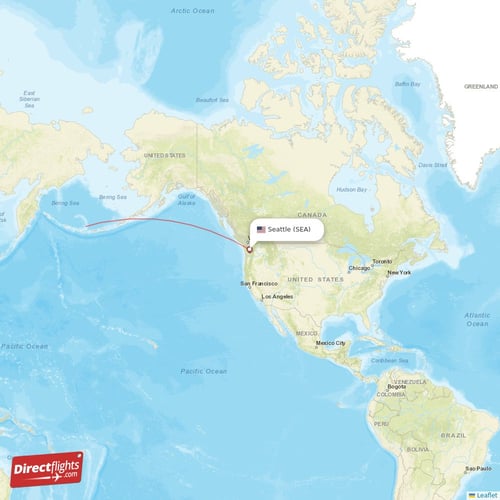
The most direct route between Seattle and Tokyo involves a non-stop flight. These flights are designed for efficiency, minimizing travel time by eliminating layovers. For this specific route, the average flight duration typically ranges from 8 to 10 hours.

Several factors contribute to this estimated timeframe:
- Aircraft Type: Different aircraft models have varying cruising speeds and fuel capacities, which can subtly impact flight duration. Larger, long-haul aircraft are optimized for these extensive journeys.
- Wind Patterns: The prevailing winds, particularly the jet stream, play a significant role. Flights traveling eastward often benefit from tailwinds, potentially shortening the journey, while westward flights might encounter headwinds, extending the time. The North Pacific air routes are heavily influenced by these atmospheric currents.
- Air Traffic Control: Congestion in airspace, especially around major hubs like Seattle-Tacoma International Airport and Narita International Airport or Haneda Airport in Tokyo, can lead to minor delays in departure or arrival, though these are usually factored into the schedule.
- Specific Routing: While direct flights follow established corridors, slight variations in the flight path can occur due to weather or air traffic management.
Airlines like Japan Airlines, All Nippon Airways (ANA), and sometimes United Airlines offer direct services on this route. When booking, always check the estimated flight time provided by the airline, as it will be the most accurate for your specific travel date and time. Typically, you can expect to depart Seattle in the afternoon or early evening and arrive in Tokyo the following afternoon due to crossing the International Date Line.
Eastbound vs. Westbound Flights
It’s worth noting that the direction of travel can influence flight times. While this article focuses on Seattle to Tokyo (westbound), the return journey (eastbound) might be slightly shorter due to prevailing wind patterns. However, the difference is often not dramatic and usually falls within the 8-10 hour range.
Flights with Layovers: Extended Travel Times
While direct flights offer the most convenient and time-efficient option, many travelers opt for flights with one or more layovers. This can sometimes be due to cost savings or the availability of preferred departure times. Flights from Seattle to Tokyo with layovers will, by necessity, be longer.
The total travel time for a flight with a layover is the sum of:
- Flight time to the layover city.
- Layover duration.
- Flight time from the layover city to Tokyo.
Common layover cities for this route might include Vancouver, San Francisco, Los Angeles, or even cities in Canada like Vancouver. Depending on the length of the layover, which can range from a couple of hours to over ten hours, the total journey can extend significantly.
A flight with one layover can easily take anywhere from 12 to 20+ hours. This includes the time spent on the planes and the time waiting in the airport. It’s essential to scrutinize the total travel time when comparing flight options, not just the individual flight segments. For travelers who prefer to break up their journey, a longer layover can provide an opportunity to briefly explore the layover city, assuming visa requirements and time permit.
Strategic Layover Planning
When choosing a flight with a layover, consider:
- Total Travel Time: This is the most critical metric for understanding the overall duration of your trip.
- Layover Duration: A short layover can be stressful, especially if there are delays, while a very long layover can be tiring. Aim for a comfortable balance.
- Airport Amenities: If you anticipate a long layover, researching the amenities available at the connecting airport can make a significant difference. This includes lounges, dining options, and rest areas.
- Visa Requirements: Ensure you understand the visa regulations for your layover country if you plan to leave the airport.
Factors Beyond the Clock: Jet Lag and Arrival Experience
Beyond the sheer number of hours spent in the air, it’s crucial to consider the impact of crossing multiple time zones. Tokyo is 16 hours ahead of Seattle. This significant time difference means that even after an 8-10 hour flight, your body clock will be considerably out of sync.
Navigating Jet Lag
Jet lag is a common consequence of long-distance travel across time zones and can affect your initial days in Tokyo. Symptoms can include fatigue, insomnia, digestive issues, and difficulty concentrating. To mitigate its effects:
- Adjust Your Sleep Schedule: Begin adjusting your sleep schedule a few days before your departure, shifting your bedtime and wake-up time gradually closer to Tokyo time.
- Hydrate: Drink plenty of water before, during, and after your flight. Dehydration can exacerbate jet lag symptoms.
- Limit Alcohol and Caffeine: These can disrupt sleep patterns.
- Embrace Daylight: Upon arrival in Tokyo, expose yourself to natural daylight as much as possible to help reset your circadian rhythm.
- Stay Active: Light physical activity upon arrival can aid in adjusting.
Arrival Procedures in Tokyo
Upon arrival at either Narita International Airport or Haneda Airport, you will go through immigration and customs. The efficiency of these procedures can vary. Having your travel documents (passport, visa if required, and any necessary declarations) readily accessible will expedite the process. Once through, you can begin your exploration of Tokyo, perhaps by taking the Narita Express or the Keikyu Line into the city center.
Planning Your Seattle to Tokyo Journey
When planning your trip from Seattle to Tokyo, Japan, understanding the flight duration is just the first step. Consider the following to ensure a well-prepared and enjoyable travel experience:
Choosing the Right Flight
- Direct vs. Layover: Weigh the benefits of a shorter, direct flight against the potential cost savings of a flight with layovers. Consider your tolerance for extended travel and the impact on your energy levels upon arrival.
- Airline Choice: Research airlines that fly this route, looking at their schedules, onboard services, and passenger reviews. Different airlines may offer varying levels of comfort and amenities, which can be important on a long flight.
- Departure and Arrival Times: Consider how your departure and arrival times align with your jet lag strategy and your initial plans in Tokyo. Arriving during daylight hours often makes the initial adjustment easier.
Preparing for the Flight
- Comfort Items: Pack essentials for a long flight, such as a neck pillow, eye mask, earplugs, comfortable clothing, and entertainment (books, downloaded movies, music).
- In-Flight Entertainment: Most long-haul flights offer in-flight entertainment systems with a selection of movies, TV shows, and music.
- Stay Connected: While Wi-Fi may be available on some flights, it is often expensive. Plan to disconnect or utilize offline entertainment options.
- Meals and Snacks: Airlines typically provide meals on trans-Pacific flights. You may also want to pack some non-perishable snacks.

Considering the Time Difference
The 16-hour time difference is a significant factor. When you depart Seattle at, say, 3 PM on a Monday, you will arrive in Tokyo at 6 PM on a Tuesday. This temporal shift is one of the most notable aspects of traveling between these two points. Understanding this temporal leap is vital for scheduling your first day’s activities and managing your expectations for immediate productivity.
The journey from Seattle to Tokyo is more than just a flight; it’s an immersion into a new culture and a test of travel endurance. By understanding the flight durations, the impact of layovers, and the challenges of jet lag, you can plan a smoother transition into the captivating experiences that Japan has to offer. Whether you choose a swift non-stop flight or a more circuitous route, the adventure of reaching Tokyo is a prelude to the wonders that await.
LifeOutOfTheBox is a participant in the Amazon Services LLC Associates Program, an affiliate advertising program designed to provide a means for sites to earn advertising fees by advertising and linking to Amazon.com. Amazon, the Amazon logo, AmazonSupply, and the AmazonSupply logo are trademarks of Amazon.com, Inc. or its affiliates. As an Amazon Associate we earn affiliate commissions from qualifying purchases.