
Navigating the intricate landscape of obtaining a liquor license in Texas is a journey many entrepreneurs and business owners embark upon. Whether you envision opening a bustling downtown bar in Austin, a quaint wine shop in the Texas Hill Country, or a restaurant with a full bar in Houston, understanding the associated costs is paramount to a successful launch. The price of a liquor license in Texas is not a fixed figure; it’s a dynamic sum influenced by several crucial factors, including the type of license required, the specific location within the state, and the complexities of the application process itself.

Understanding the Texas Alcoholic Beverage Commission (TABC)
The Texas Alcoholic Beverage Commission (TABC) is the governing body responsible for regulating the sale and distribution of alcoholic beverages across the Lone Star State. Their primary mission is to ensure public safety and to facilitate responsible alcohol consumption. The TABC categorizes licenses into various types, each tailored to specific business models and the types of alcoholic beverages they intend to sell. This categorization directly impacts the application process and, consequently, the overall cost.
Types of Liquor Licenses and Their Associated Costs
The TABC offers a wide spectrum of permits and licenses. The cost generally escalates with the scope of operations and the types of alcohol permitted for sale. Here’s a breakdown of some common license types and their approximate cost considerations:
Retail Permits (On-Premise Consumption)
These licenses are for establishments where alcohol is consumed on the premises, such as bars, restaurants, and clubs.
- Mixed Beverage Permit (MB): This is perhaps the most comprehensive on-premise permit. It allows for the sale of both beer, wine, and distilled spirits for on-premise consumption. The TABC issues these permits based on the applicant’s business type. For a restaurant that serves food and alcohol, the cost of the permit can range from $1,500 to $2,000 annually. This fee is paid directly to the TABC. It’s important to note that this is the state fee; local city and county fees may also apply.
- Wine and Malt Beverage Permit (BG): This permit allows for the sale of beer and wine only. It’s a more limited option, suitable for establishments that do not plan to serve liquor. The annual cost for a BG permit is typically around $300 to $400.
- Local Option Election: In some Texas cities and counties, the sale of alcohol is subject to local option elections. This means that the community votes on whether to allow the sale of certain types of alcohol. If an area votes “dry” for liquor, an MB permit will not be available. This can influence the type of license you can obtain and its associated costs.
Retail Permits (Off-Premise Consumption)
These licenses are for establishments where alcohol is sold for consumption elsewhere, such as liquor stores, grocery stores, and convenience stores.
- Package Store Permit (P-51): This permit is for businesses that sell distilled spirits, wine, and beer in original, sealed containers for consumption off the premises. The annual cost for a P-51 permit is generally in the range of $1,200 to $1,500. This is a significant investment for businesses focused solely on off-premise sales.
- Beer Retailer’s On-Premise License (BQ) and Wine Retailer’s On-Premise License (WQ): While these are for on-premise consumption, they are often associated with businesses that might also have off-premise capabilities or are part of a larger retail operation. The costs are generally lower than full mixed beverage permits, ranging from $300 to $500 annually.
Wholesaler and Distributor Permits
These licenses are for businesses involved in the distribution and sale of alcohol to retailers. The costs for these permits are typically higher due to the larger scale of operations and can range from $2,000 to $5,000 annually, depending on the specific type of alcohol being distributed.
Additional Fees and Considerations
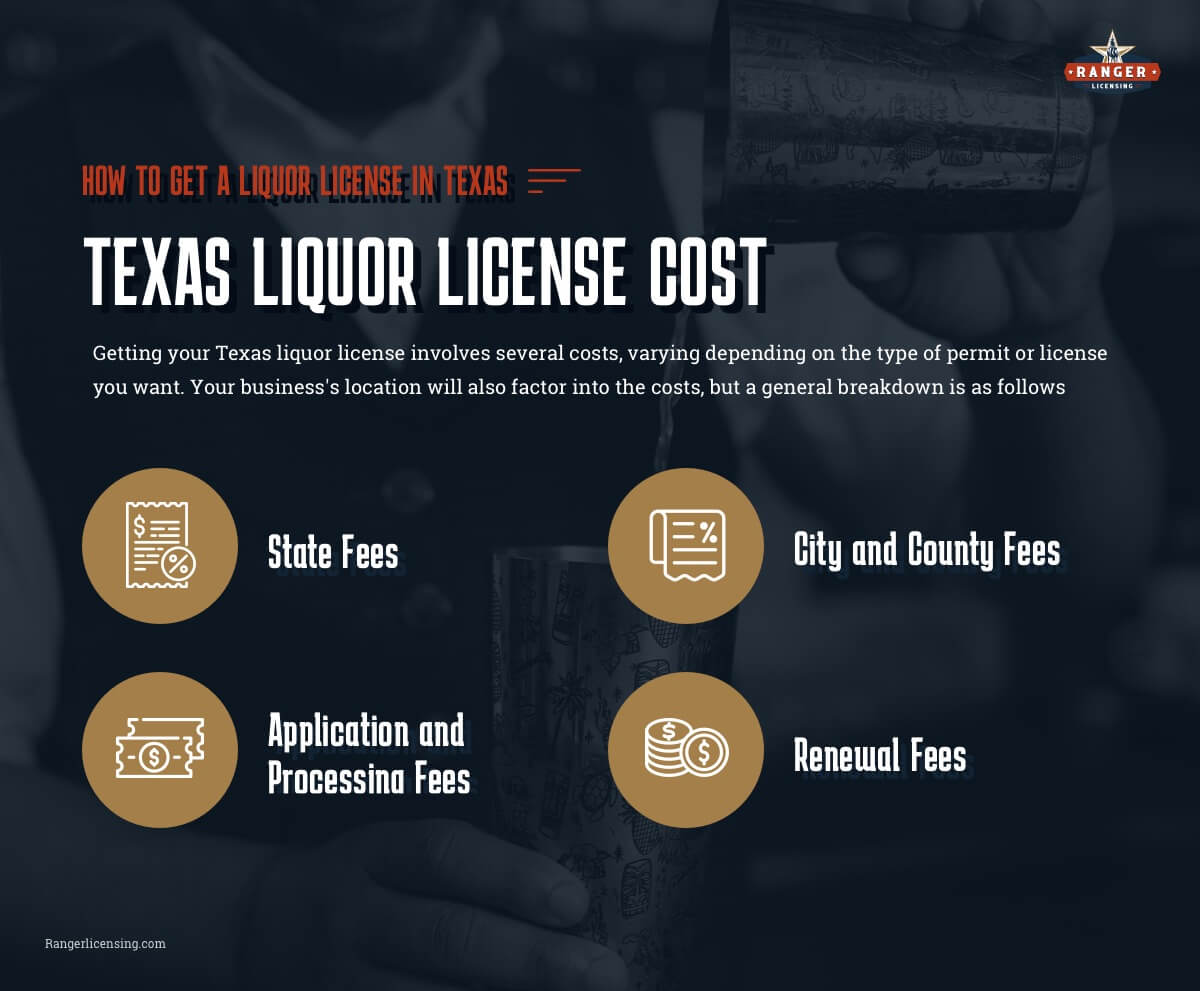
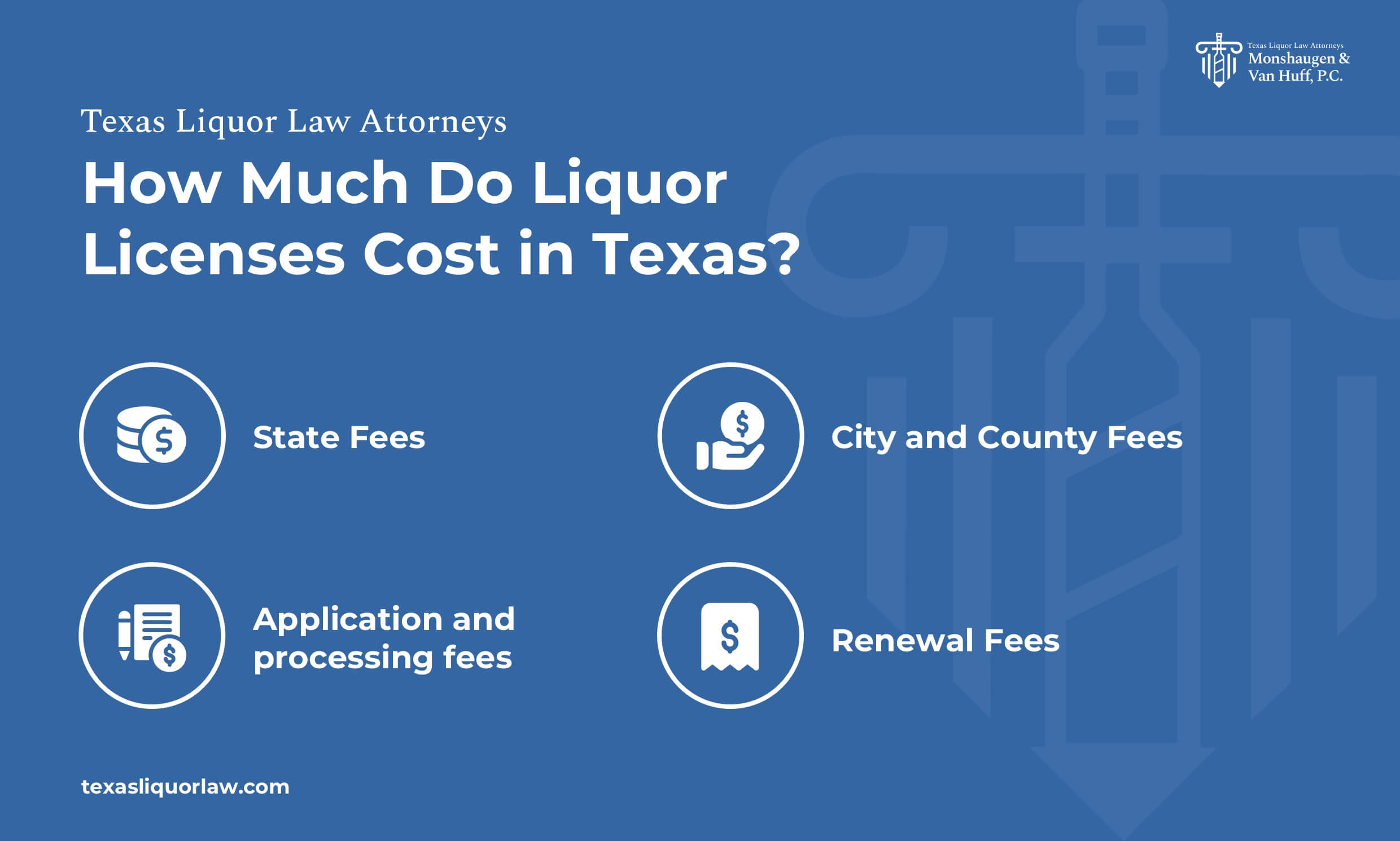
Beyond the direct TABC permit fees, several other costs can factor into the total investment for a Texas liquor license:
Local Fees and Taxes
Many cities and counties in Texas impose their own fees and taxes on top of the state-issued permits. These can vary significantly from one municipality to another. For instance, a business operating in a major metropolitan area like Dallas or San Antonio might encounter higher local fees compared to a smaller town. These local fees can sometimes be a few hundred dollars annually or a percentage of the state permit fee. It is crucial to research the specific requirements of the city and county where your business will be located.
Background Checks and Fingerprinting
As part of the application process, all individuals listed on the license application, including owners and key personnel, will be required to undergo background checks and provide fingerprints. There are associated fees for these services, which typically range from $50 to $150 per person.
Legal and Consulting Fees
Many business owners opt to hire legal counsel or licensing consultants to assist them with the complex TABC application process. These professionals can help ensure that all paperwork is correctly filed, navigate regulatory hurdles, and expedite the approval process. Legal and consulting fees can vary widely, but a reasonable estimate could range from $1,000 to $5,000 or more, depending on the complexity of the case and the firm’s hourly rates. For a business opening in a highly regulated area or with a complicated ownership structure, these fees might be a necessary investment.
Training and Certification
TABC requires responsible vendor training for employees who sell or serve alcohol. The cost of this training is relatively modest, typically $20 to $50 per employee. However, for larger establishments, this can add up.
Advertising and Notice Requirements
The TABC often requires businesses to post notices regarding their liquor license application. In some cases, newspaper advertisements may also be necessary. These costs are usually nominal, but they are an additional expense to consider.
Bond Requirements
Depending on the type of license, a surety bond may be required to guarantee compliance with state laws. The cost of a bond is typically a small percentage of the bond amount, often ranging from $100 to $500 annually.
The Time Factor: How Long Does It Take?
The duration of the liquor license application process can also indirectly impact costs, as delays can lead to extended operational downtime or increased consulting fees. Generally, obtaining a liquor license in Texas can take anywhere from 30 to 90 days, and in some cases, even longer, especially if there are any complications or public objections. The TABC strives to process applications efficiently, but thorough review and potential investigations are part of the procedure.
Factors Influencing License Cost Variations
Several elements contribute to the variability in liquor license costs across Texas:
Location, Location, Location
As mentioned, local regulations play a significant role. A business in the heart of Downtown Houston might face different fee structures than a similar establishment in a rural Texas town. Furthermore, the specific zoning laws within a particular city or county can influence the types of licenses available. Some areas may have restrictions on the proximity of alcohol-serving establishments to schools or churches, which can impact feasibility and associated costs.
Business Structure and Ownership
The complexity of your business structure and ownership can also affect the application process and, by extension, the costs. For example, a sole proprietorship might have a simpler application than a large corporation with multiple stakeholders. Each owner and significant shareholder will likely need to undergo the background check process, adding to the fingerprinting and administrative fees.
History of the Applicant
A clean regulatory history can streamline the process. Applicants with prior TABC violations or criminal offenses may face increased scrutiny, longer processing times, and potentially higher fees or the need for additional legal representation.
Changes to Existing Licenses
Transferring an existing liquor license from one owner to another or modifying an existing license (e.g., changing the business name or ownership structure) also involves TABC fees and administrative processes that incur costs. These fees are generally lower than obtaining a brand-new license but are still a factor to consider.
Strategies for Managing Liquor License Costs
Given the multifaceted nature of liquor license costs in Texas, strategic planning is essential for businesses:
Thorough Research and Due Diligence
Before committing to a location or business plan, conduct extensive research into the specific licensing requirements and fees applicable to your chosen city and county. Consulting with the local TABC office or a qualified licensing attorney is highly recommended.
Budgeting for Contingencies
It is prudent to budget for unforeseen expenses. The application process can sometimes uncover unexpected hurdles that require additional resources to resolve. Aim to set aside a contingency fund that accounts for potential delays or additional fees.
Choosing the Right License Type
Carefully consider the types of alcoholic beverages you intend to sell and how you plan to serve them. Opting for a permit that aligns precisely with your business model can prevent overpaying for unnecessary privileges. For instance, a restaurant focused on wine and beer might not need a full Mixed Beverage Permit.
Utilizing Professional Assistance Wisely
While legal and consulting fees can be substantial, they can often save businesses time and money in the long run by preventing costly errors or delays. Vet potential consultants and attorneys carefully and obtain detailed quotes upfront.
In conclusion, the cost of a liquor license in Texas is a significant but manageable aspect of launching an alcohol-serving business. By understanding the various permit types, associated fees, and influencing factors, entrepreneurs can develop a realistic budget and navigate the TABC’s requirements with greater confidence, paving the way for a successful venture in the vibrant Texas marketplace.
LifeOutOfTheBox is a participant in the Amazon Services LLC Associates Program, an affiliate advertising program designed to provide a means for sites to earn advertising fees by advertising and linking to Amazon.com. Amazon, the Amazon logo, AmazonSupply, and the AmazonSupply logo are trademarks of Amazon.com, Inc. or its affiliates. As an Amazon Associate we earn affiliate commissions from qualifying purchases.