
The vast expanse of the United States, stretching from the sun-drenched coasts of California to the historic sites of New England, offers a tapestry of diverse landscapes and vibrant cultures. For many travelers, understanding the practicalities of traversing this immense nation is paramount to planning a successful journey. One such significant route, connecting the heart of Texas to the picturesque Pacific Northwest, is the flight from Dallas to Seattle. This article delves into the typical duration of this flight, exploring the variables that influence it and offering insights for travelers looking to optimize their experience.

Understanding Flight Duration: Direct vs. Connecting Flights
When considering the time it takes to travel between two cities, the distinction between a direct flight and a connecting flight is crucial. This fundamental difference significantly impacts the overall travel time, as well as the overall experience.
Direct Flight Realities
A direct flight, in the context of air travel, typically refers to a flight that travels from the departure city to the arrival city without any intermediate stops. However, it’s important to note that “direct” does not always mean “non-stop.” A direct flight may still land at an intermediate airport to pick up or drop off passengers or to refuel, but the flight number remains the same throughout the journey.
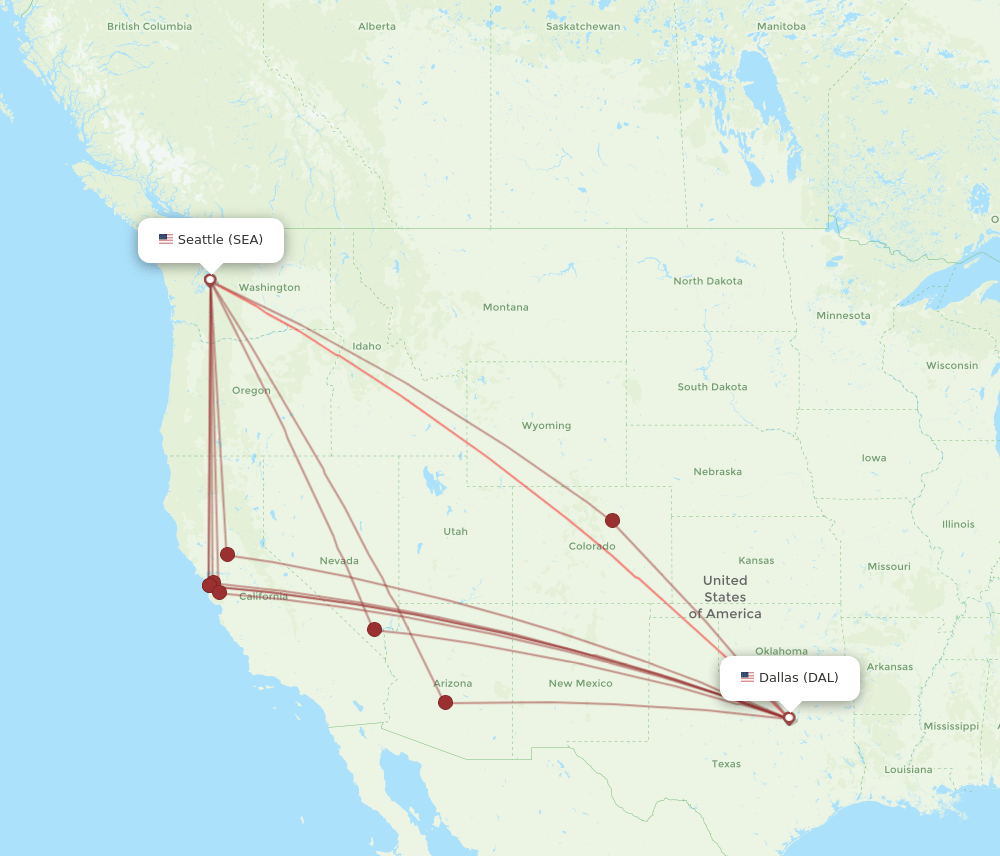
For the route from Dallas to Seattle, non-stop flights are readily available, offering the most efficient travel option. These flights are operated by several major airlines, providing a convenient link between these two major metropolitan areas. The average flight time for a non-stop journey from Dallas/Fort Worth International Airport (DFW) or Dallas Love Field (DAL) to Seattle-Tacoma International Airport (SEA) generally falls within a specific range.
Typical Non-Stop Flight Times:
- Average Scheduled Flight Time: Expect a scheduled flight time of approximately 4 hours and 15 minutes to 4 hours and 45 minutes. This is the duration that airlines typically allocate for the flight, accounting for taxiing, ascent, cruise, and descent.
- Actual Airborne Time: The actual time spent in the air, once the aircraft has reached cruising altitude and before it begins its descent, is usually a bit shorter, often around 3 hours and 45 minutes to 4 hours and 15 minutes.
It is important to remember that these are averages. Several factors can influence the actual flight duration.
The Impact of Connecting Flights
Connecting flights, on the other hand, involve a stop at one or more intermediate airports, requiring passengers to change planes. While sometimes offering a lower fare or access to a wider range of departure and arrival times, connecting flights invariably add significant time to the overall journey.
For the Dallas to Seattle route, connecting flights can add anywhere from 2 to 6 hours, or even more, to your travel time. This additional duration is due to several components:
- Layover Time: The time spent waiting at the connecting airport for your next flight. This can range from a quick 45 minutes to several hours, depending on the airline’s schedule and the airport’s efficiency.
- Taxiing and Boarding at the Connection: Time spent disembarking the first flight, navigating the connecting airport, and re-boarding the second flight.
- Potential for Delays: Each leg of a connecting flight introduces a risk of delays. A delay on the first flight can cause a missed connection, leading to further re-scheduling and extended travel times.
Therefore, while a connecting flight might seem appealing for cost savings, travelers prioritizing efficiency and minimizing travel time will almost always opt for a non-stop option between Dallas and Seattle.
Factors Influencing Flight Duration
Several environmental and operational factors can influence the actual time a flight takes from Dallas to Seattle, even for non-stop services. Understanding these variables can help set realistic expectations and prepare for potential adjustments.
Jet Streams and Wind Patterns
One of the most significant, yet often overlooked, factors affecting flight times is the presence and strength of jet streams. These high-altitude, fast-flowing air currents can dramatically impact an aircraft’s speed over the ground.
- Tailwinds: When flying eastbound, like from Seattle to Dallas, aircraft can benefit from tailwinds, pushing them along and reducing flight time. Conversely, when flying westbound, from Dallas to Seattle, there is often a headwind.
- Headwinds: A headwind acts as a resistance, slowing the aircraft down relative to the ground. For the Dallas to Seattle route, prevailing winds from the west can contribute to a slightly longer flight duration compared to the eastbound journey. Pilots and airlines constantly monitor wind patterns to optimize flight paths and, where possible, leverage tailwinds or mitigate headwinds.

Air Traffic Control and Airspace Congestion
The airspace over the United States is a complex and highly regulated environment. Air traffic control (ATC) plays a vital role in ensuring the safe and efficient movement of all aircraft. However, periods of high air traffic congestion can lead to slight delays or require aircraft to follow less direct routes.
- Optimized Flight Paths: ATC may direct aircraft to fly specific routes to maintain safe separation from other planes. These routes may not always be the absolute shortest distance between two points.
- Holding Patterns: In instances of severe congestion around an airport, aircraft may be instructed to fly in holding patterns at a certain altitude, circling the area until cleared to land. This can add a significant amount of time to the final approach. While major hubs like Dallas/Fort Worth International Airport (DFW) and Seattle-Tacoma International Airport (SEA) are well-managed, occasional delays due to ATC are possible.
Aircraft Type and Speed
Different aircraft models have varying cruising speeds. While most commercial airliners operating on this route are designed for similar efficiency, the specific aircraft assigned to a flight can introduce minor variations in flight time. Modern jets are engineered for optimal performance at high altitudes, but subtle differences in their maximum cruising speeds can add or subtract a few minutes.
Weather Conditions
Severe weather, both en route and at the departure or arrival airports, can have a substantial impact on flight schedules and durations.
- Turbulence: While not directly adding significant time, strong turbulence might require pilots to deviate from their planned flight path or reduce speed to ensure passenger comfort and safety, potentially extending the flight by a few minutes.
- Storms: Significant weather systems, such as thunderstorms or winter storms, can necessitate rerouting aircraft to avoid hazardous conditions. This can lead to longer flight paths. Additionally, weather at the destination airport can cause ground delays or necessitate holding patterns, increasing the overall travel time.
Planning Your Travel: Tips for the Dallas to Seattle Route
Understanding the nuances of flight duration is just one piece of the travel puzzle. For a smooth and enjoyable journey from Dallas to Seattle, consider these practical tips.
Booking Strategies
When booking your flight, always pay close attention to the details provided by the airline.
- Non-Stop Preference: As discussed, prioritize non-stop flights for the shortest travel time. Filter your search results to show only non-stop options.
- Departure and Arrival Times: Consider the time of day you are traveling. Flights departing earlier in the morning might experience less air traffic congestion and potentially smoother conditions.
- Airline Choice: While most airlines strive for punctuality, some may have a slightly better track record for on-time performance on this specific route. Researching airline reviews and on-time statistics can be beneficial.
Airport Navigation
Both Dallas and Seattle are large, busy airports. Familiarizing yourself with their layouts can save time and reduce stress.
- Dallas/Fort Worth International Airport (DFW): This is a major hub with multiple terminals. If you are flying out of DFW, know which terminal your airline operates from and allow ample time for navigating between terminals if necessary. The airport’s Skylink train system is efficient for inter-terminal travel.
- Dallas Love Field (DAL): A smaller and more convenient airport, DAL is often preferred for its easier access and shorter security lines.
- Seattle-Tacoma International Airport (SEA): SEA is the primary airport serving the Seattle metropolitan area. It has a single main terminal with concourses connected by a tram system. Understanding the location of your gate in advance is helpful.
Preparing for the Flight
A well-prepared traveler is a happy traveler.
- Arrive Early: For domestic flights, arriving at the airport at least two hours before departure is generally recommended, especially for larger airports like DFW. This allows time for check-in, security screening, and reaching your gate without rushing.
- Carry-On Essentials: Pack your carry-on bag with essentials, including entertainment, snacks, a book, and any necessary medications. This will make the flight more comfortable.
- Stay Informed: Utilize airline apps and flight tracking websites to monitor your flight’s status in real-time. This allows you to react quickly to any unexpected changes.
By considering the flight duration, understanding the factors that influence it, and employing smart planning strategies, your journey from Dallas to Seattle can be a seamless and efficient part of your overall travel experience to the stunning Pacific Northwest.
LifeOutOfTheBox is a participant in the Amazon Services LLC Associates Program, an affiliate advertising program designed to provide a means for sites to earn advertising fees by advertising and linking to Amazon.com. Amazon, the Amazon logo, AmazonSupply, and the AmazonSupply logo are trademarks of Amazon.com, Inc. or its affiliates. As an Amazon Associate we earn affiliate commissions from qualifying purchases.