
Seattle, a city synonymous with a verdant landscape and a certain cozy, rain-kissed charm, often evokes images of dripping umbrellas and mist-laden mornings. For any traveler considering a visit, or even a resident planning their year, understanding the city’s precipitation patterns is key to setting expectations and making the most of their time. While the popular perception is one of constant drizzle, the reality of Seattle’s rainfall is more nuanced, involving a significant interplay between the type of precipitation, its intensity, and the overall amount.
Understanding Seattle’s Precipitation Patterns
Seattle’s climate is classified as a temperate marine climate, heavily influenced by the Pacific Ocean. This means it experiences mild, wet winters and relatively dry, warm summers. The “rain” people often associate with Seattle isn’t always the torrential downpour that might come to mind. Instead, it’s frequently characterized by light, persistent drizzle, or what locals affectionately call “liquid sunshine.” This distinction is important when planning outdoor activities, as a light mist might be easily managed with the right gear, whereas heavy rainfall can significantly alter plans.
The Puget Sound region, where Seattle is situated, benefits from the Olympic Mountains and the Cascade Range. These mountain ranges act as natural barriers, influencing weather patterns. As moist air masses from the Pacific move inland, they are forced to rise over the mountains. This uplift cools the air, causing moisture to condense and fall as rain or snow on the western slopes of the mountains. By the time these air masses reach Seattle, they have already shed a significant portion of their moisture, resulting in less intense precipitation compared to the mountain regions themselves. However, the residual moisture still contributes to the city’s reputation for dampness.
The Myth of Constant Rain
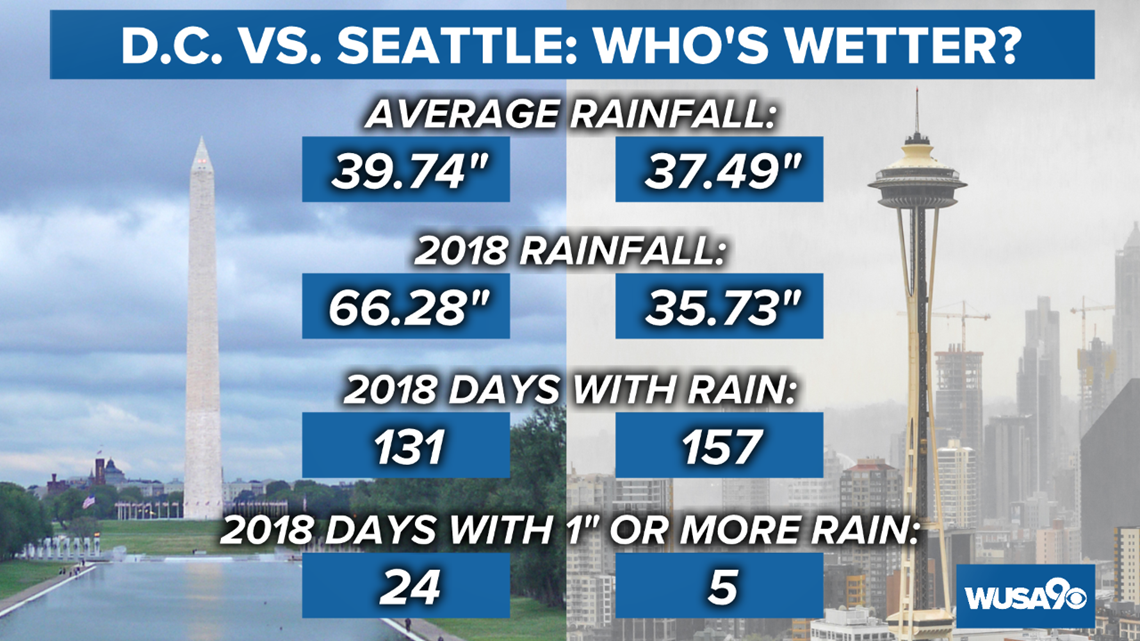
One of the most persistent myths about Seattle is that it rains every single day. While it certainly experiences a high number of rainy days compared to many other major cities in the United States, the total annual rainfall is not as extreme as one might expect. In fact, many cities in the eastern United States, particularly in the Southeast, receive a higher annual rainfall total than Seattle. The difference lies in the distribution and intensity of the precipitation. Seattle’s rain tends to be spread out over a greater number of days, often as light showers or drizzles, rather than concentrated in heavy, infrequent downpours. This can create the perception of constant rain, even when the total volume is moderate.
Seasonal Variations
Seattle’s rainfall exhibits distinct seasonal variations. The wettest months are typically from October through April, with November and December often being the rainiest. During these months, low-pressure systems from the Pacific Ocean frequently bring overcast skies and precipitation to the region. The summer months, from June through September, are generally much drier. These are the periods when Seattle truly shines, with long daylight hours, comfortable temperatures, and significantly less rain. This dry spell is a welcome respite and offers ample opportunity for outdoor exploration of attractions like Discovery Park or the Space Needle.
Quantifying Seattle’s Annual Rainfall
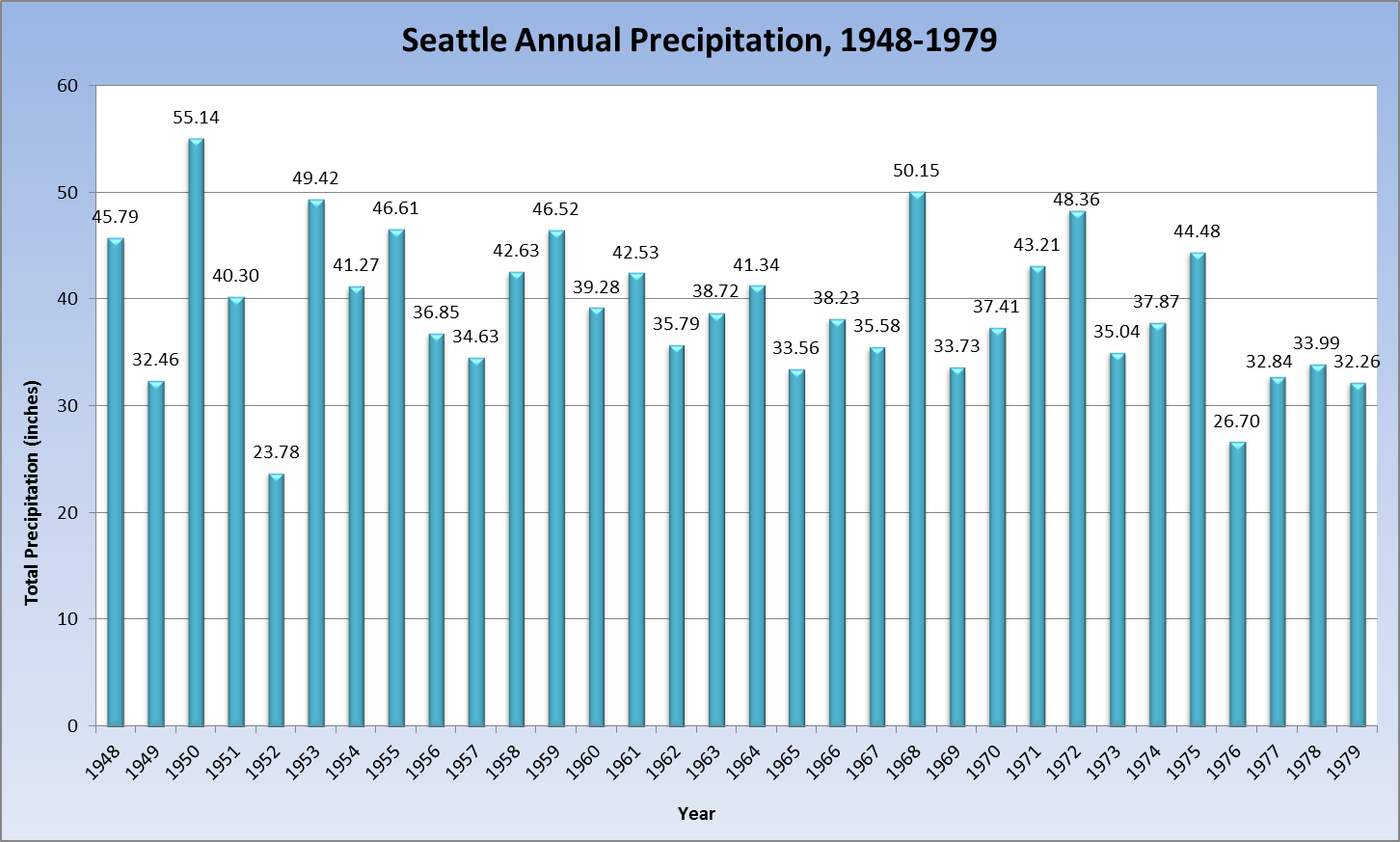
When we look at the numbers, Seattle’s annual rainfall generally hovers around 38 to 40 inches (approximately 965 to 1016 millimeters). For comparison, cities like New York City receive an average of about 49.9 inches, and Miami, Florida, can get upwards of 61.9 inches annually. This context helps demystify the Seattle rain reputation. The difference is, as mentioned, in the type and duration of precipitation. Seattle experiences more rainy days, but the intensity is often less.
The number of rainy days in Seattle typically falls between 120 and 150 days per year. This means that while it might not rain heavily on all of them, there’s a noticeable chance of encountering some form of precipitation on a significant portion of the year’s calendar. The distinction between a “rainy day” and a “wet day” is also relevant. A rainy day is generally defined as a day with at least 0.01 inches of precipitation.
Average Monthly Precipitation
To further illustrate the seasonal distribution, let’s look at average monthly precipitation figures:
- October: Approximately 4.2 inches
- November: Approximately 5.7 inches
- December: Approximately 5.4 inches
- January: Approximately 4.7 inches
- February: Approximately 3.8 inches
- March: Approximately 3.8 inches
- April: Approximately 2.7 inches
- May: Approximately 1.7 inches
- June: Approximately 1.3 inches
- July: Approximately 0.7 inches
- August: Approximately 0.8 inches
- September: Approximately 1.8 inches
These figures clearly show the dramatic decrease in precipitation from late autumn through winter to the summer months. The summer, from June to August, is remarkably dry, making it the prime season for experiencing Seattle’s outdoor attractions, exploring neighborhoods like Fremont, or taking a ferry trip to one of the nearby islands.
Snowfall in Seattle
While the focus is often on rain, Seattle does experience snowfall, though it is generally light and infrequent, particularly in the lower elevations. Average annual snowfall in Seattle is around 7 inches (approximately 18 centimeters). Most of this typically falls in December and January. Heavy snow events are rare, and when they do occur, they can often cause significant disruption due to the city’s preparedness levels for such conditions. For those visiting during the winter months, a light dusting of snow can add a magical charm to the cityscape, but substantial accumulations are not a common feature of Seattle’s winter climate.
Preparing for Seattle’s Weather
For travelers, understanding Seattle’s rainfall is crucial for effective packing and planning. The key is to be prepared for damp conditions without letting it dictate your entire itinerary.
Essential Packing Tips
- Waterproof and Windproof Outerwear: A good quality rain jacket is non-negotiable. Look for something breathable, as a completely sealed jacket can become uncomfortable in milder, damp conditions. A jacket with a hood is essential.
- Water-Resistant Footwear: Comfortable, water-resistant shoes or boots are highly recommended. You’ll likely be doing a lot of walking, and wet feet can quickly ruin a day of exploration.
- Umbrella: While many locals opt to forgo umbrellas for a hood, a compact umbrella can be a useful addition for those who prefer extra protection or for heavier showers.
- Layers: The weather in Seattle can change throughout the day. Layering allows you to adjust your clothing to stay comfortable. Think a base layer, a mid-layer (like a fleece or sweater), and your waterproof outer shell.
- Quick-Dry Clothing: Consider packing some items made from quick-drying materials, which are ideal for humid conditions and easier to manage if they do get damp.
Embracing the Rain (and Sun)
Despite the rain, Seattle offers a wealth of activities and experiences year-round. During the wetter months, consider exploring the city’s excellent museums, such as the Museum of Pop Culture (MoPOP), enjoying the vibrant coffee culture, or catching a performance at one of the many theaters. The city’s indoor attractions provide ample opportunity to stay dry and engaged.
When the sun does make an appearance, especially during the summer, Seattle truly comes alive. This is the time for exploring its numerous parks, including the expansive Seward Park, hiking in the nearby Olympic National Park or Mount Rainier National Park, visiting Pike Place Market, or enjoying the waterfront. The longer daylight hours in summer provide extended opportunities for sightseeing and outdoor adventures.
Seattle’s Rainfall in Context: A Traveler’s Perspective
The perception of Seattle’s rain is often more intimidating than the reality for a visitor. The majority of the precipitation is mild and can be easily managed with appropriate gear. This means that a trip to Seattle doesn’t have to be solely confined to indoor activities, even during the wetter seasons. The city’s unique atmosphere, shaped in part by its climate, is part of its charm.
The “liquid sunshine” contributes to the lush greenery that defines the Pacific Northwest. The evergreen forests, the vibrant gardens, and the overall sense of freshness in the air are all byproducts of this consistent, albeit often gentle, rainfall. For a traveler, this means that even on a cloudy day, the scenery can be incredibly beautiful and invigorating.

Making the Most of Every Season
- Autumn: Experience the changing colors of the leaves in parks like Washington Park Arboretum while being prepared for cooler, wetter weather. Enjoy cozy evenings in cafes or exploring the city’s culinary scene.
- Winter: While the rain is most prevalent, winter offers fewer crowds and a chance to experience Seattle’s holiday markets and festive atmosphere. The rain can also make the city’s numerous indoor attractions, from art galleries to the Seattle Aquarium, even more appealing.
- Spring: Witness the city come alive with blooming flowers and increasing daylight. The transition from wet to dry weather offers a refreshing change, with opportunities for both indoor and outdoor activities.
- Summer: This is arguably the peak tourist season for a reason. Long, sunny days perfect for exploring the city’s islands, attending outdoor festivals, and enjoying the abundant natural beauty surrounding Seattle.
Ultimately, how much rain Seattle gets in a year is a statistic that provides valuable information, but it’s the way this precipitation shapes the environment and the lifestyle of the city that truly defines the Seattle experience for visitors and residents alike. Being informed about the rainfall patterns allows for better preparation, leading to a more enjoyable and memorable visit to this iconic Pacific Northwest city.
LifeOutOfTheBox is a participant in the Amazon Services LLC Associates Program, an affiliate advertising program designed to provide a means for sites to earn advertising fees by advertising and linking to Amazon.com. Amazon, the Amazon logo, AmazonSupply, and the AmazonSupply logo are trademarks of Amazon.com, Inc. or its affiliates. As an Amazon Associate we earn affiliate commissions from qualifying purchases.