
Embarking on a journey from the bustling metropolis of Chicago to the vibrant landscapes of Thailand is an exciting prospect for many travelers. Understanding the duration of this transcontinental flight is a crucial first step in planning any adventure to the Land of Smiles. While the exact time can fluctuate based on numerous factors, a clear picture can be painted by examining direct flight options, common layover durations, and the contributing elements that influence flight times.
Understanding Direct vs. Connecting Flights
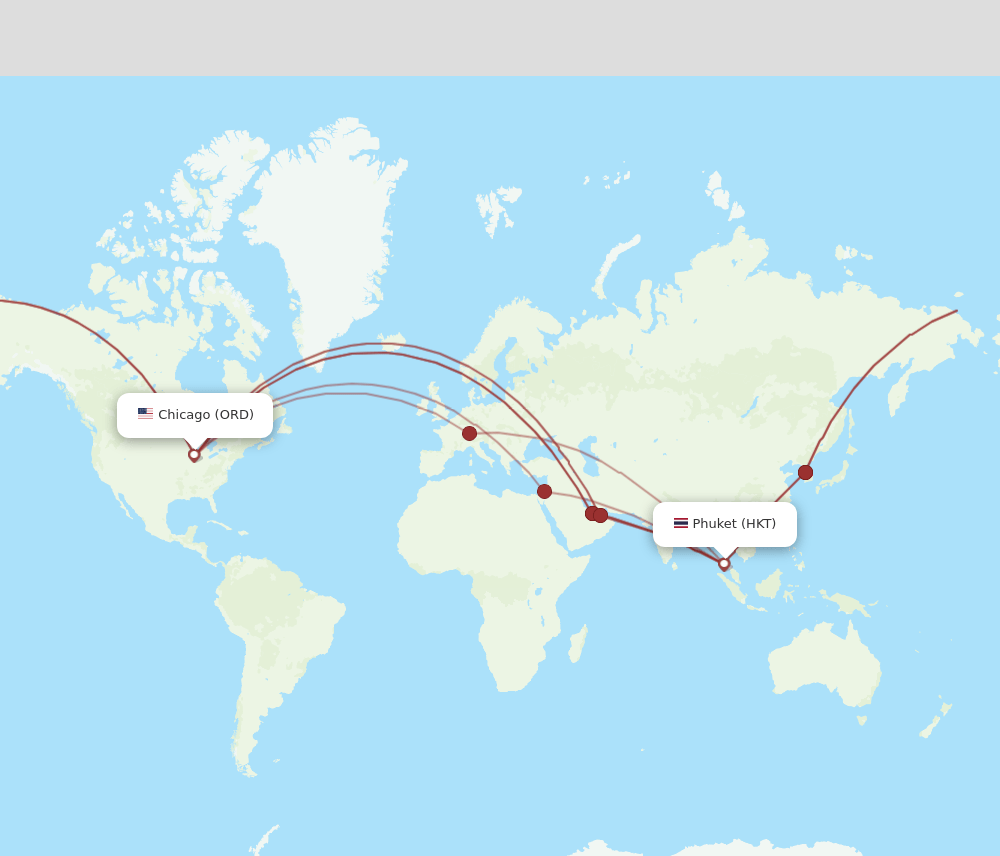
The most significant determinant of your flight’s total duration from Chicago to Thailand is whether you opt for a direct flight or one with layovers. As of the current travel landscape, non-stop, direct flights from Chicago to Thailand are exceedingly rare, if not nonexistent. The sheer distance and the complexities of routing make them an uncommon offering for commercial airlines. Therefore, the vast majority of travelers will experience at least one connecting flight.
The Rarity of Direct Flights
The geographical expanse between Chicago and Thailand presents a substantial challenge for airlines to operate direct services profitably and efficiently. Such a flight would require a very long flight time, significant fuel loads, and specialized aircraft capable of sustained long-haul operations. While advancements in aviation continue, the economics of these ultra-long-haul routes often favor connections through major international hubs.
The Prevalence of Connecting Flights
Connecting flights are the standard for this route. This means your journey will typically involve a flight from Chicago to a major international airport, followed by a second flight from that hub to your chosen destination in Thailand. Common layover cities include:
- European Hubs: Frankfurt, Amsterdam, Paris, and London are frequent transit points, especially for airlines with strong transatlantic networks.
- Middle Eastern Hubs: Doha, Dubai, and Abu Dhabi serve as critical junctions for many carriers connecting the West to Asia.
- Asian Hubs: Cities like Seoul, Tokyo, or Hong Kong are also common layover points, particularly for flights routed through the Pacific.
The length of the layover itself can dramatically influence the total travel time. A short, efficient connection might add only a few hours, while a longer layover can extend the journey by half a day or more.
Typical Flight Durations
When considering the flight from Chicago to Thailand, it’s essential to break down the journey into segments. The average total travel time, including layovers, is the figure most relevant to travelers planning their itinerary.
The Long Haul Segment: Hub to Thailand
The flight from a major international hub to Thailand is itself a significant undertaking. Depending on the specific layover city, this leg can range from approximately:
- From Europe: Flights from cities like Frankfurt or Amsterdam to Bangkok typically last between 10 to 12 hours.
- From the Middle East: Flights from hubs like Doha or Dubai to Bangkok are generally around 6 to 8 hours.
- From East Asia: Flights from Seoul or Tokyo to Bangkok can be between 5 to 7 hours.
Total Travel Time: Chicago to Thailand
When you combine the initial flight from Chicago to your chosen layover city (which can range from 8 to 12 hours depending on the destination hub) with the flight to Thailand and the layover duration, the total travel time becomes substantial.
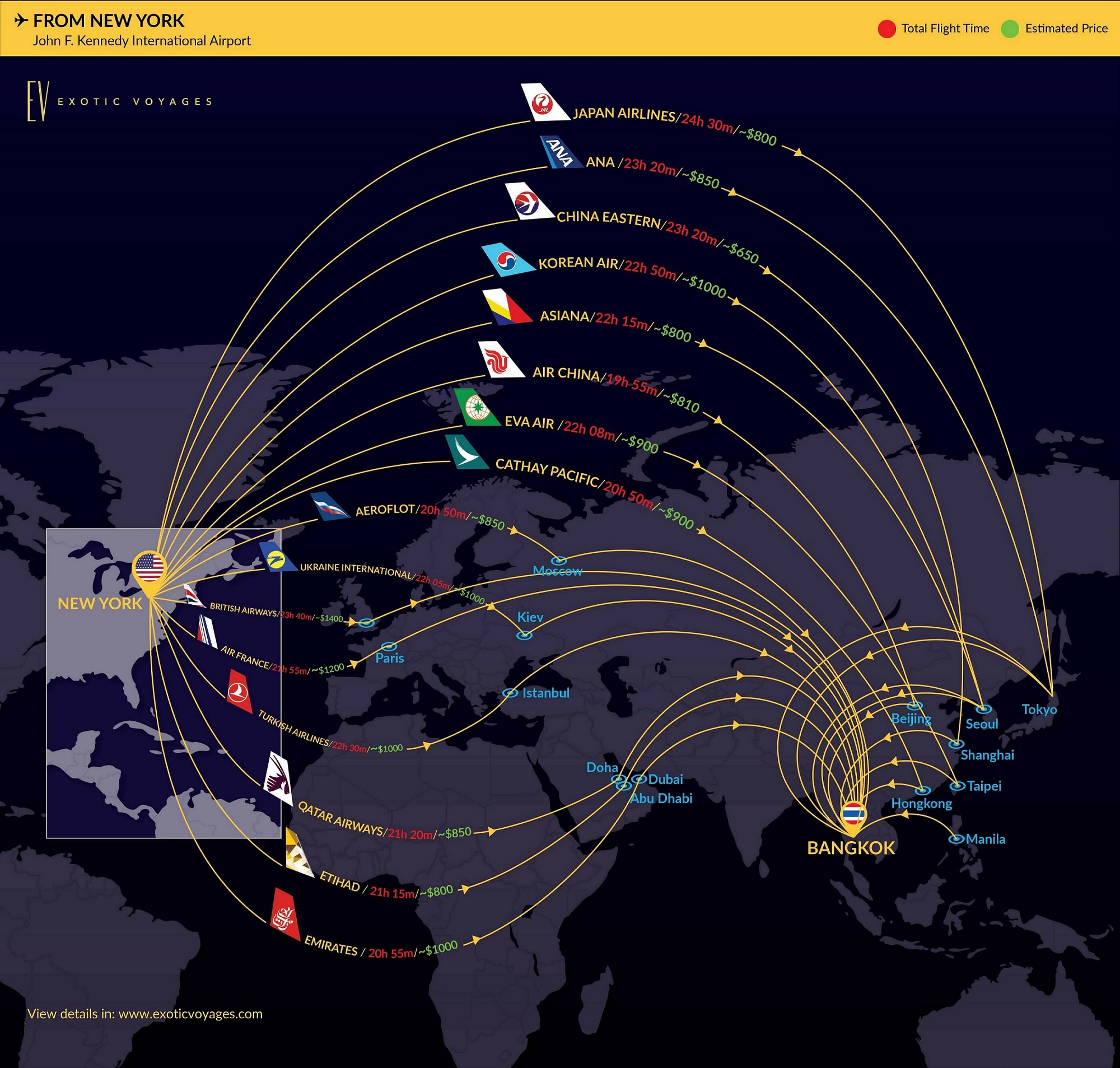
A realistic estimate for the total door-to-door travel time from Chicago to Bangkok, including a typical layover, generally falls between 20 to 30 hours. This figure accounts for:
- Flight from Chicago to layover city.
- Layover duration (minimum 1-2 hours for transit, often 3-6 hours for more convenient connections).
- Flight from layover city to Bangkok.
It’s important to remember that this is an average. Some itineraries, especially those with exceptionally long layovers or multiple stops, could push the total travel time to 35 hours or even longer. Conversely, very tightly planned trips with minimal layovers might bring the total closer to the lower end of this range.
Factors Influencing Flight Duration
Several variables can influence the actual time your journey takes:
Airline and Route Selection
Different airlines employ various routing strategies. Some might prioritize shorter flight legs with longer layovers, while others might opt for longer flight legs with shorter transit times. The specific layover city chosen by the airline will also impact the overall flight path and thus the duration.
Layover Duration
This is perhaps the most variable component of your total travel time. Airlines offer a spectrum of connection times. Shorter layovers (often less than 90 minutes) are designed for efficiency but carry a higher risk of missed connections due to delays. Longer layovers (3 hours or more) provide a more relaxed pace, allowing time for a meal or even a brief exploration of the airport, but they significantly extend the overall journey.
Weather Conditions
While less impactful on the overall flight time than on shorter routes, severe weather patterns, particularly in the departure or arrival regions, or along major transcontinental flight paths, can lead to delays. Jet streams can also influence flight times, sometimes shortening eastbound flights and lengthening westbound ones, though this effect is less pronounced for such long intercontinental journeys.
Air Traffic Control and Airport Operations
Congestion at major airports, both in Chicago and at the layover hubs, can cause delays on the ground or in the air. Air traffic control slotting can also influence departure and arrival times.
Aircraft Type and Specific Flight Path
While most long-haul flights utilize wide-body aircraft, the specific model and its cruising speed can lead to minor variations. Furthermore, the precise flight path, which is determined by air traffic control and wind patterns, can subtly alter the flight duration.
Planning Your Journey for Optimal Travel Time
Given the long duration of flights from Chicago to Thailand, strategic planning can make a significant difference in your travel experience.
Choosing Your Layover Wisely
Consider the length of your layover. If your priority is to reach Thailand as quickly as possible, look for itineraries with the shortest feasible layover times. However, be mindful of the risks associated with very short connections. If comfort and a more relaxed pace are preferred, a longer layover might be more appealing, allowing you to stretch your legs and refresh yourself. Some travelers even opt for layovers in cities that allow for a short excursion, turning a transit stop into a mini-adventure.
Booking Considerations
When booking, pay close attention to the total travel time advertised by the airline. This figure typically includes the layover duration. Compare different airlines and routes, looking not just at price but also at the total elapsed time. Airlines like Qatar Airways, Emirates, Turkish Airlines, and various Asian carriers often have competitive options with different layover strategies.

Preparing for a Long Flight
Irrespective of the exact duration, a flight of this length requires preparation. Pack essential items in your carry-on, including comfortable clothing, entertainment, snacks, toiletries, and any necessary medications. Staying hydrated and moving around the cabin during the flight can help mitigate the effects of prolonged sitting. Consider booking flights that arrive in Thailand in the late afternoon or early evening to allow for check-in at your accommodation and a chance to rest before the next day.
While the exact flight time from Chicago to Thailand is not a fixed number, understanding the components—the long-haul nature, the necessity of layovers, and the factors influencing duration—allows travelers to make informed decisions. The journey is a significant part of the adventure, and with careful planning, you can ensure it’s as smooth and comfortable as possible, setting the stage for an unforgettable experience in Thailand.
LifeOutOfTheBox is a participant in the Amazon Services LLC Associates Program, an affiliate advertising program designed to provide a means for sites to earn advertising fees by advertising and linking to Amazon.com. Amazon, the Amazon logo, AmazonSupply, and the AmazonSupply logo are trademarks of Amazon.com, Inc. or its affiliates. As an Amazon Associate we earn affiliate commissions from qualifying purchases.