
California, the Golden State, beckons with its stunning coastline, majestic national parks, vibrant cities, and endless adventure opportunities. For many, the dream of exploring this diverse landscape independently hinges on a crucial piece of paper: a permit. Whether you’re planning an epic road trip, considering a long-term stay, or simply aiming to navigate the local culture with greater ease, understanding how to secure your permit in California is your first step towards unlocking unparalleled freedom and unforgettable experiences.
While the term “permit” can encompass various authorizations, for residents and long-term visitors, it most commonly refers to a learner’s permit for driving – the essential precursor to obtaining a California driver’s license. This permit grants you the ability to practice driving under supervision, a fundamental skill for truly immersing yourself in the state’s sprawling beauty. Beyond the driver’s seat, however, other permits might be necessary for specific activities, especially when delving into California’s protected natural wonders. This comprehensive guide will walk you through the process, ensuring you’re well-equipped to make the most of your California journey, aligning perfectly with your travel, accommodation, tourism, and lifestyle aspirations.
The Golden State Awaits: Why Getting Your Permit Matters for Travel
California is a realm of vast distances and diverse topographies, making personal transportation not just a convenience but often a necessity for true exploration. From the bustling urban jungles of Los Angeles and San Francisco to the serene deserts and towering forests, the ability to drive provides unparalleled access to destinations and experiences often unreachable by public transport. Securing your permit, and subsequently your driver’s license, transforms your journey from a structured tour into a spontaneous adventure, perfectly embodying the spirit of travel and lifestyle embraced by Life Out Of The Box.
Unlocking California’s Iconic Road Trips and Destinations
Imagine cruising down the legendary Pacific Coast Highway (Highway 1), the Big Sur coastline unfolding with dramatic cliffs and sparkling ocean vistas. Envision yourself driving through the ancient groves of Redwood National and State Parks or ascending into the granite majesty of Yosemite National Park. These quintessential California experiences, and countless others, are intrinsically linked to the freedom of the open road. Without a valid driver’s license, these epic road trips remain distant dreams.
A permit is your gateway. It’s the first step towards navigating the scenic routes that weave through Napa Valley‘s vineyards, the stark beauty of Death Valley National Park, or the whimsical landscapes of Joshua Tree National Park. Being able to drive allows you to dictate your own itinerary, linger longer at breathtaking viewpoints, or detour to a charming, off-the-beaten-path town like Mendocino or Santa Barbara. This independence is a cornerstone of experiential travel, enabling you to discover hidden gems and create truly personalized memories. It also facilitates visits to world-renowned landmarks such as the Golden Gate Bridge, the magical Disneyland Resort, or the bustling Santa Monica Pier, giving you the flexibility to arrive and depart on your own schedule.
Enhancing Your Accommodation and Tourism Experience
Beyond mere transportation, obtaining your driving permit significantly enhances your options for accommodation and your overall tourism experience. Many luxurious resorts, boutique hotels, and charming vacation rentals are situated in more secluded or picturesque locations, often requiring personal transport to reach. From a tranquil cabin in the Sequoia National Park foothills to a lavish villa overlooking [Lake Tahoe](https://lifeoutofthebox.com/lake- tahoe), a car makes these dream stays accessible.
Consider a multi-city tour visiting Los Angeles and San Diego, where public transport might limit your choices to city centers. With a permit and subsequent license, you can opt for accommodations in diverse neighborhoods, from beachfront escapes to hillside retreats in Beverly Hills, each offering a unique lifestyle and ambiance. Furthermore, exploring local culture and food becomes effortless when you can drive to authentic eateries in various districts, attend local festivals outside city centers, or visit artisanal shops that aren’t on typical tourist routes. This freedom to explore not only enriches your trip but also often leads to more comfortable and diverse accommodation choices, elevating your entire California tourism experience.
Navigating the California DMV: Your Path to a Driver’s Permit
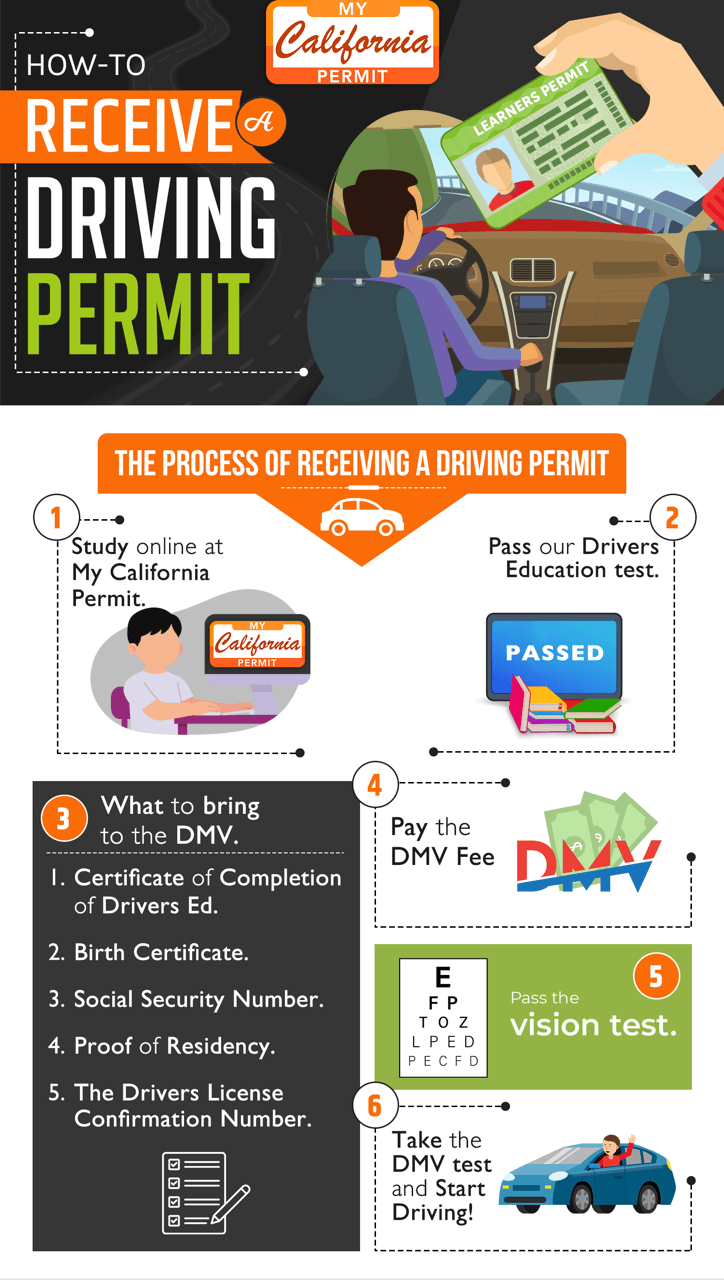
The first formal step towards gaining driving independence in California is to obtain a provisional instruction permit from the California Department of Motor Vehicles (DMV). This permit allows you to learn to drive under the supervision of a licensed adult, paving the way for your full driver’s license. The process is straightforward but requires diligent preparation and adherence to specific guidelines set forth by the DMV. Understanding these steps ensures a smooth journey from application to hitting the road.
Eligibility and Required Documents
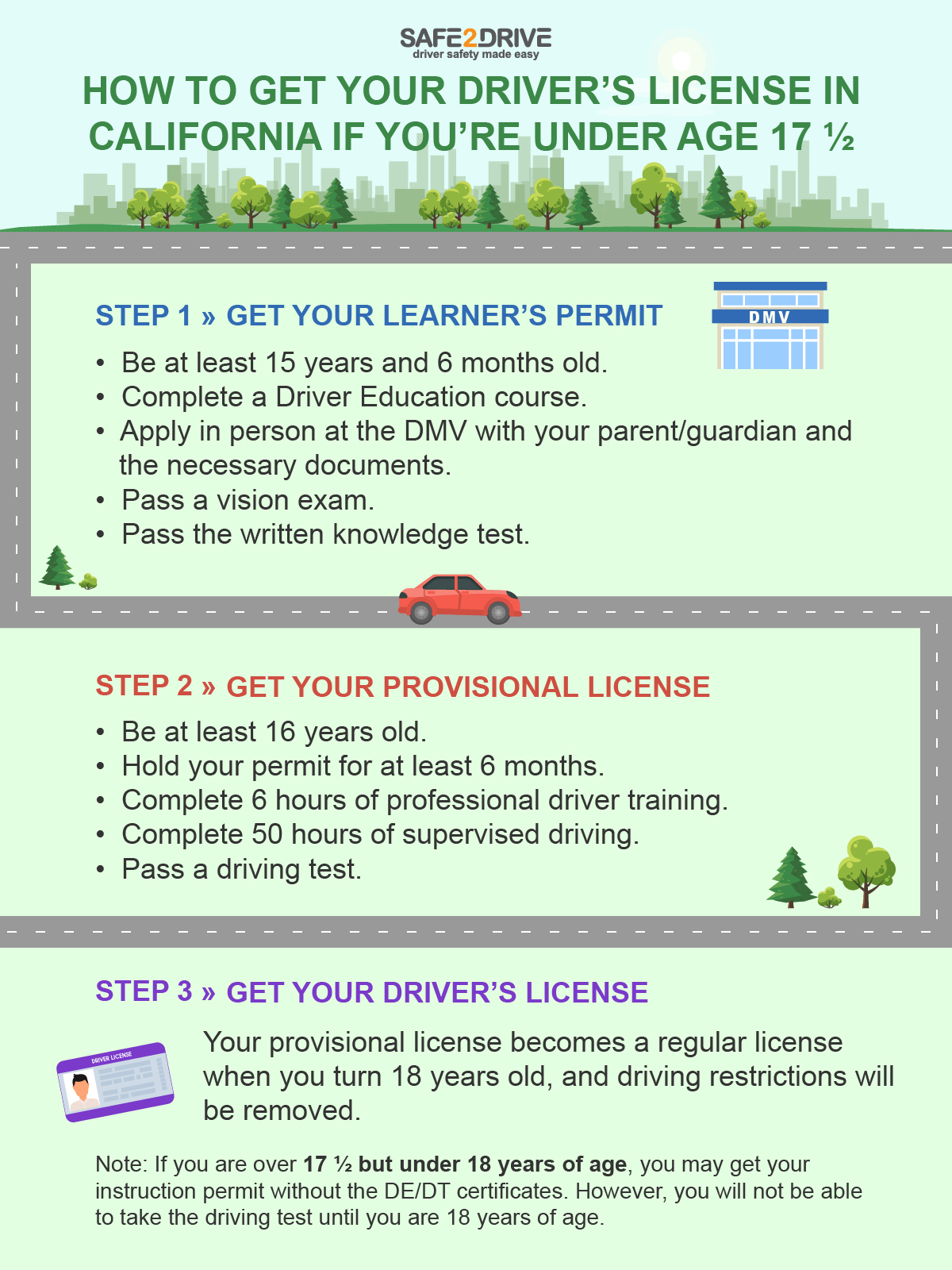
To be eligible for a provisional instruction permit, you must be at least 15 ½ years old. If you are under 18, you are generally required to complete a driver education course and be enrolled in or have completed driver training. These courses equip you with fundamental road knowledge and practical skills, ensuring you’re prepared for both the written test and supervised driving.
The DMV requires several documents to verify your identity, residency, and legal presence in the United States. Preparing these in advance will save you time and potential frustration. Key documents typically include:
- Proof of Identity: An original or certified copy of your birth certificate, U.S. passport, or permanent resident card.
- Proof of Residency: Two different documents showing your name and California mailing address (e.g., utility bills, rental agreements, school documents).
- Proof of Social Security Number (SSN): Your SSN card or a document containing your SSN.
- Driver Education and Training Certificates: If you are under 18, proof of completion of a driver education course and enrollment in or completion of a driver training program is mandatory.
- Application Form (DL 44): This form can be filled out online in advance at the DMV website, which can significantly speed up your visit.
- Parent/Guardian Signatures: If you are under 18, a parent or legal guardian must sign your application.
It’s highly recommended to visit the official California DMV website or call them directly to confirm the most current list of required documents, as requirements can sometimes change. Making an appointment online is also a smart move to minimize wait times at your local DMV office.
The Application Process: From Vision to Written Test
Once you have gathered all your documents and made an appointment, your application process at the DMV will involve several stages:
- Application Submission and Fee Payment: Present your completed DL 44 application form and all required documents. You will pay the application fee, which covers the cost of both the permit and your eventual driver’s license for a certain number of attempts.
- Fingerprints and Photo: You will have your thumbprint taken digitally and then have your photograph captured for your permit and license.
- Vision Test: A basic vision screening will be administered to ensure your eyesight meets the minimum requirements for driving. If you wear corrective lenses, be sure to bring them.
- Written Knowledge Test: This is a crucial step. The written test consists of multiple-choice questions based on the information found in the California Driver Handbook. Topics cover traffic laws, road signs, and safe driving practices. The handbook is available for free online and in print at DMV offices. Thoroughly studying this handbook is paramount to passing the test on your first attempt. Practice tests are also widely available online and are excellent preparation tools. You must answer a certain percentage of questions correctly to pass. If you fail, you must wait a specified period (usually seven days) before attempting the test again.
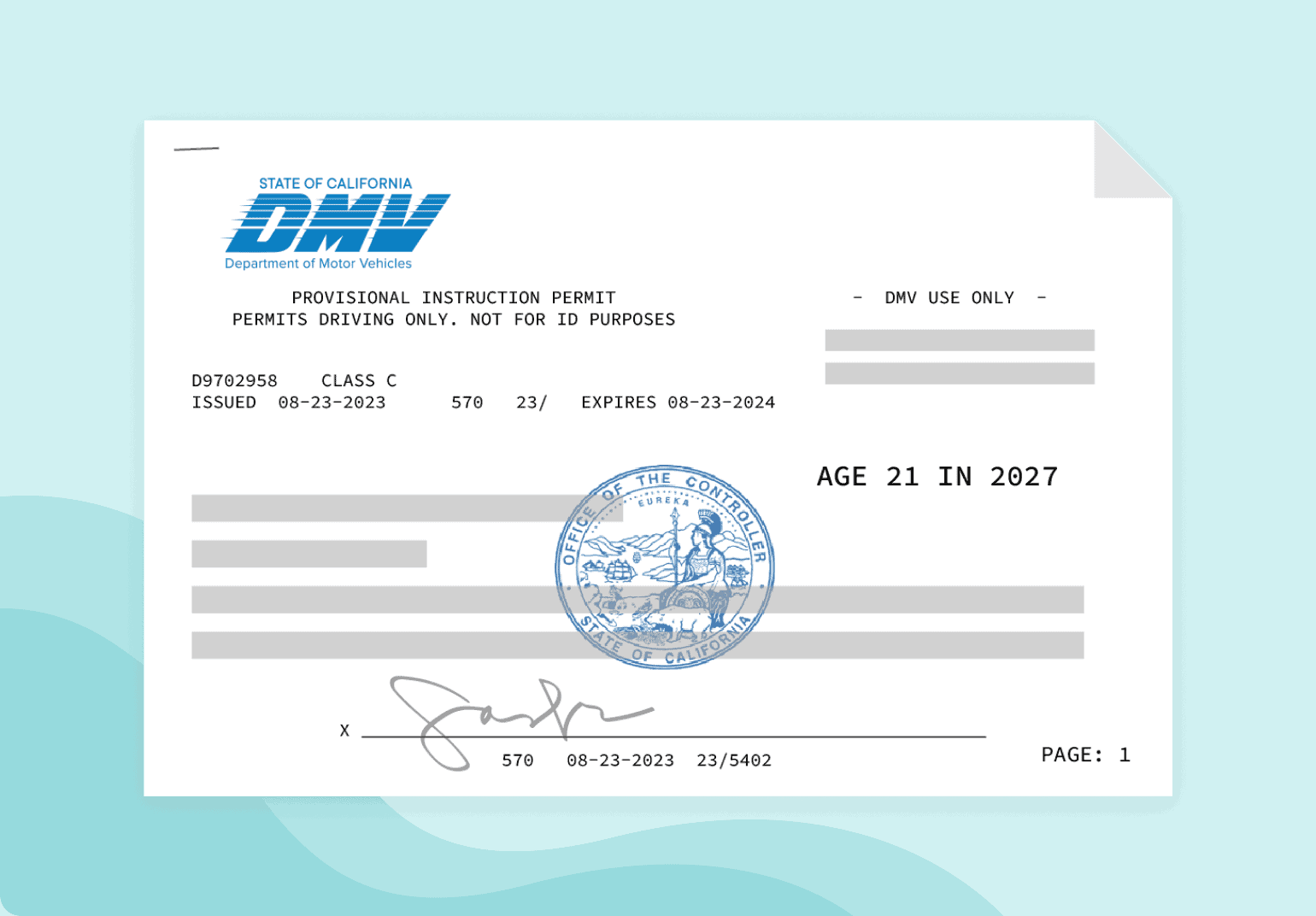
Upon successfully passing the written knowledge test and completing all other requirements, you will be issued your provisional instruction permit. This is a moment of triumph, signaling the beginning of your practical driving journey.
Getting Behind the Wheel: Driving Practice and Restrictions
With your provisional instruction permit in hand, you are now legally allowed to begin supervised driving practice. However, it comes with strict restrictions, especially for those under 18:
- Supervision: You must always be accompanied by a licensed California driver who is at least 25 years old. This supervisor must sit in the passenger seat closest to you and be capable of taking control of the vehicle if necessary.
- Passenger Restrictions (Under 18): For the first 12 months or until you turn 18 (whichever comes first), you cannot drive passengers under 20 years old, unless accompanied by a licensed parent, guardian, driving instructor, or other licensed driver 25 years or older.
- Night Driving Restrictions (Under 18): During the same 12-month period, you cannot drive between 11:00 p.m. and 5:00 a.m., unless accompanied by a licensed parent, guardian, driving instructor, or other licensed driver 25 years or older.
- Practice Hours (Under 18): You are required to complete a minimum of 50 hours of supervised driving practice, including at least 10 hours of night driving. These hours must be certified by a parent, guardian, or driving instructor.
For adults 18 and over, the restrictions are less stringent, primarily requiring a licensed California driver 18 years or older to supervise you while driving. There are no specific hour requirements for adults, but ample practice is always recommended before attempting the driving test.
This supervised practice period is invaluable. It’s a time to familiarize yourself with California traffic laws, road conditions, and various driving scenarios, preparing you thoroughly for the final driving skills test. Many opt for professional driving lessons to ensure they cover all necessary skills and understand defensive driving techniques.
Beyond the Driver’s Seat: Other Essential Permits for Your California Adventure
While a driver’s permit opens up immense travel and lifestyle opportunities, it’s worth noting that “permits” in California can also refer to other specific authorizations vital for certain tourism activities or long-term stays. For the avid explorer and adventurer, being aware of these can significantly enhance your experience in the Golden State’s diverse landscapes.
Exploring California’s Natural Wonders: Park and Activity Permits
California is home to an incredible array of national and state parks, wilderness areas, and protected natural sites. Some of the most sought-after experiences within these areas, particularly those that regulate visitor impact, may require specific permits.
For instance, popular hiking trails or wilderness backpacking trips in national parks like Yosemite National Park (e.g., the iconic Half Dome cables hike) often require advance lottery or reservation permits due to high demand and conservation efforts. Similarly, certain campgrounds within national or state parks may require booking permits well in advance, especially during peak seasons. Fishing in California waterways requires a valid fishing license, ensuring sustainable practices. Even specific areas for rock climbing, off-roading, or white-water rafting might have designated permitting systems to manage access and safety.
These permits are not just bureaucratic hurdles; they are crucial for preserving California’s natural beauty and ensuring a quality experience for all visitors. Always check the official websites of specific national parks (like the National Park Service website) or state parks (like the California State Parks website) for detailed information on entry fees, wilderness permits, or activity-specific authorizations before planning your adventure. Integrating these permit considerations into your travel planning is essential for a seamless and responsible exploration of California’s majestic outdoors.
Special Considerations for International Visitors and Long-Term Stays
For international visitors planning to drive in California, a foreign driver’s license is generally accepted for a temporary period (typically up to the validity of your United States visa, or for non-residents, for up to one year from your date of entry). However, carrying an International Driving Permit (IDP) alongside your national license is highly recommended. An IDP translates your license into multiple languages and is recognized in over 150 countries, serving as a valuable document for law enforcement and rental car agencies, making your travel experience smoother. The IDP itself is not a license; it must always be accompanied by your valid foreign driver’s license.
If you are moving to California and establishing residency, you will generally need to obtain a California driver’s license within 10 days of becoming a resident. This involves following the same steps outlined earlier for applying for a permit and then ultimately a license. The definition of “resident” for DMV purposes can be complex, so if you’re planning a long-term stay, it’s wise to consult the DMV guidelines directly to understand your obligations. This is a critical aspect for anyone looking to fully embrace the California lifestyle, whether for work, study, or simply a prolonged period of exploration and enjoyment.
In conclusion, securing the appropriate permits, particularly a driving permit, is a pivotal step towards experiencing the full spectrum of what California has to offer. It’s about gaining the independence to traverse its iconic landscapes, discover its hidden gems, and immerse yourself in its vibrant culture. By carefully navigating the DMV process and being mindful of other activity-specific authorizations, you’ll ensure your journey through the Golden State is not just memorable, but truly boundless.
LifeOutOfTheBox is a participant in the Amazon Services LLC Associates Program, an affiliate advertising program designed to provide a means for sites to earn advertising fees by advertising and linking to Amazon.com. Amazon, the Amazon logo, AmazonSupply, and the AmazonSupply logo are trademarks of Amazon.com, Inc. or its affiliates. As an Amazon Associate we earn affiliate commissions from qualifying purchases.