
Embarking on an adventure in the Golden State often means dreaming of cruising down scenic coastal roads, exploring vibrant cities, or venturing into breathtaking national parks. While public transport options exist in major hubs like Los Angeles and San Francisco, truly unlocking the diverse experiences that California offers requires the freedom of your own wheels. Whether you’re planning an extended vacation, considering a long-term stay, or making a permanent move to this sun-kissed paradise, obtaining a California Department of Motor Vehicles (DMV) driver’s license is a pivotal step. This comprehensive guide will walk you through the entire process, making your journey to driving independence in California as smooth as a drive along the Pacific Coast Highway.
Why a California Driver’s License is Essential for Your Golden State Experience
Imagine the unparalleled freedom of spontaneity: a last-minute decision to drive from the bustling streets of Beverly Hills to the serene beaches of Malibu, or a weekend escape from Silicon Valley’s tech landscape to the majestic redwoods of Muir Woods National Monument. A California driver’s license isn’t just a document; it’s a key to an enriched lifestyle and unforgettable travel experiences within the state.
For travelers, especially those planning longer visits or an epic United States road trip with California as a central point, a local license can offer practical advantages. While international driving permits are often accepted for short durations, a California license can simplify interactions with law enforcement and car rental agencies, and it serves as a robust form of identification. Beyond the practicalities, it provides unparalleled access to hidden gems and famous landmarks that are often difficult to reach without a car. Think about the winding roads of Napa Valley for a wine-tasting tour, the scenic routes through Yosemite National Park, or the awe-inspiring landscapes of Death Valley National Park. These destinations, integral to California’s tourism and lifestyle, truly come alive when you have the autonomy to explore them at your own pace.
For new residents or those considering a permanent move, obtaining a California driver’s license is often one of the first and most important tasks. It facilitates opening bank accounts, signing apartment leases, and generally integrating into the local community. Many employers will also require a local license. Furthermore, for those interested in exploring different accommodation types, from charming bed and breakfasts in Carmel-by-the-Sea to luxury resorts in Palm Springs, having a license ensures seamless travel to these destinations, enhancing your overall stay.
Navigating the DMV: Eligibility and Documentation
The journey to your California driver’s license begins at the DMV, the government agency responsible for vehicle registration and driver licensing. Understanding the eligibility criteria and gathering the correct documentation beforehand will save you considerable time and potential frustration.
Who Can Apply?
Generally, any California resident aged 18 or older can apply for a non-commercial Class C driver’s license. For those under 18, a provisional license process with specific requirements (like holding a permit for six months and completing driver’s education/training) applies.
“Resident” can be a flexible term for the DMV. If you’ve established residency in California through voting, paying tuition, filing for a homeowner’s property tax exemption, or even if you’ve been physically present for an extended period with the intent to reside, you’re generally considered a resident. This applies to new arrivals from other United States states or individuals relocating from other countries with appropriate visas that allow for residency, such as work visas, student visas, or permanent residency green cards. Tourists on short-term visas, however, typically cannot apply for a California driver’s license unless they transition to a long-term residency status.
Required Documents for Your Application
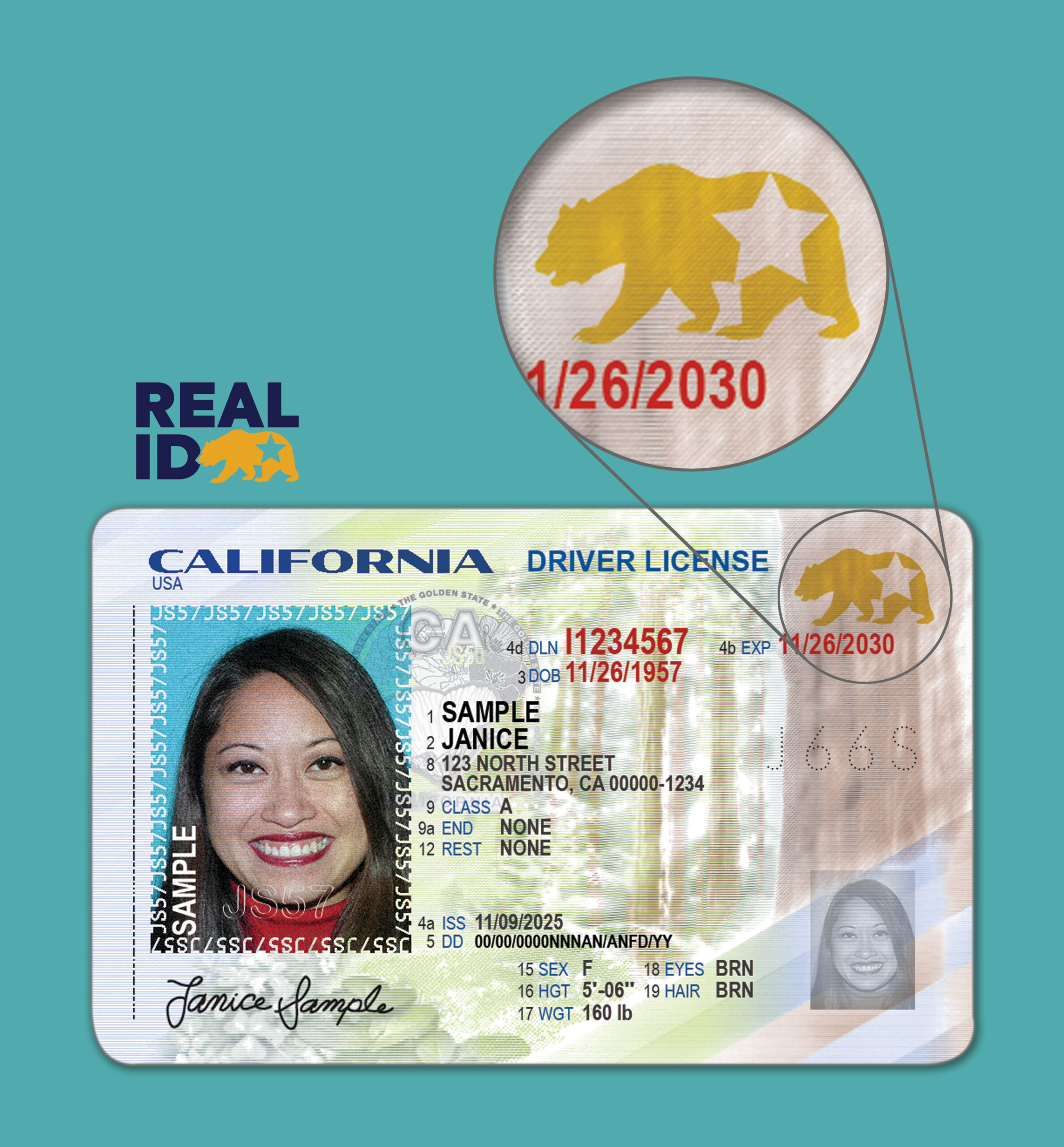
This is arguably the most critical step. Arriving at the DMV without the necessary paperwork will inevitably lead to delays. The DMV adheres to federal REAL ID Act requirements, meaning you’ll need to provide:
- Proof of Identity: This typically involves your original birth certificate, a valid United States passport, a foreign passport with a valid I-94, or a permanent resident card. The name on all documents must match perfectly.
- Proof of Social Security Number (SSN): Your Social Security card, a W-2 form, or a pay stub with your full SSN are acceptable. If you’re ineligible for an SSN, you’ll need to complete a form (DL 937) at the DMV.
- Proof of California Residency (Two Documents): This is crucial for verifying your connection to the Golden State. Acceptable documents include utility bills (gas, electric, water), a rental or lease agreement, mortgage bills, a bank statement, an insurance policy, or official school documents. For those on extended stays, even hotel invoices for a prolonged period, or proof of booking a long-term accommodation like an apartment or villa, could potentially serve as supporting evidence, especially when combined with other mail addressed to your California address.
- Proof of Legal Presence: For non-United States citizens, this involves documents like a valid visa, I-20 (for students), or I-797 (Notice of Action) showing your authorized stay.
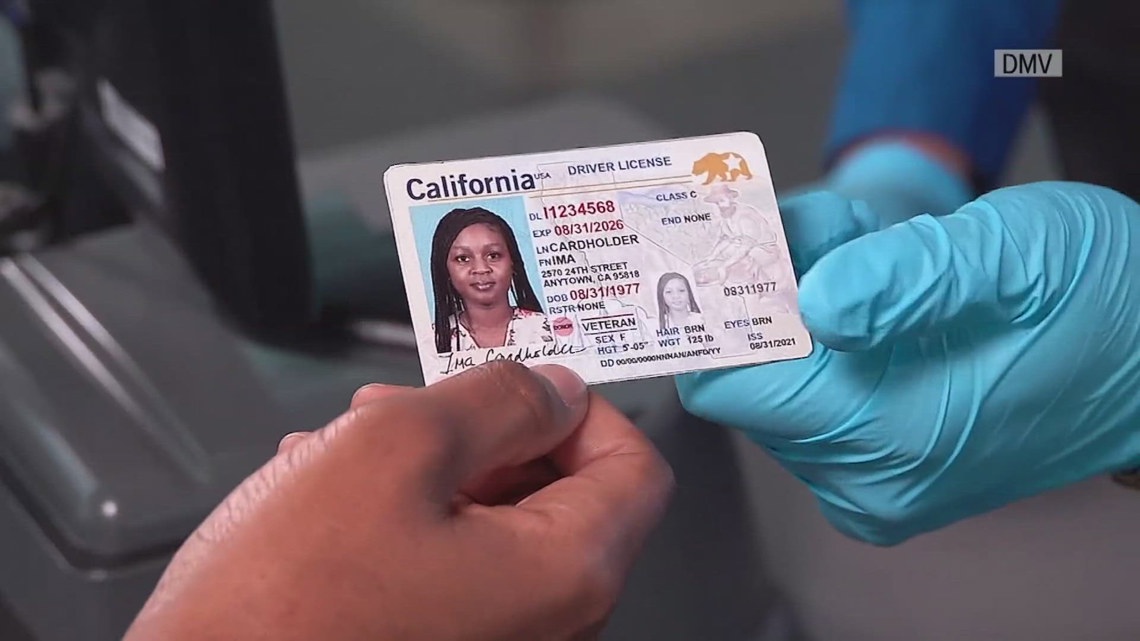
It is highly recommended to visit the official DMV website or call them directly for the most up-to-date and personalized list of required documents, as regulations can occasionally change or have specific nuances based on individual circumstances. Always bring original documents, not photocopies, unless otherwise specified.
The Application Process: Step-by-Step Guide
Once your documents are in order, you’re ready to tackle the application process itself. While it might seem daunting, breaking it down into manageable steps makes it much simpler.
Step 1: Online Application and Appointment
The first sensible step is to complete the driver’s license application form online (DL 44) on the DMV website. This pre-fills much of your information, saving time during your in-person visit. After completing the application, it’s crucial to schedule an appointment at your nearest DMV office. California DMV offices, particularly in major cities like San Diego, Sacramento, and Oakland, can have extremely long wait times for walk-ins. An appointment can drastically reduce your time spent waiting.
At your appointment, you will:
- Submit your completed application.
- Present your original identity, residency, and legal presence documents.
- Pay the application fee (non-refundable).
- Have your thumbprint scanned.
- Have your photo taken.
Step 2: The Written Knowledge Test
After the administrative steps, you’ll proceed to the written knowledge test. This test assesses your understanding of California traffic laws, road signs, and safe driving practices. The test is available in multiple languages, and you’ll typically take it on a touchscreen computer.
To prepare effectively, thoroughly study the official California Driver Handbook. This handbook is available online for free and is your primary resource. It covers everything from basic rules of the road to specific laws regarding DUI, traffic signals, and pedestrian safety. Many online practice tests are also available and can be highly beneficial. You must answer a certain number of questions correctly to pass (e.g., 38 out of 46 for a standard Class C license). Don’t underestimate this step; even experienced drivers from other states need to familiarize themselves with California’s unique traffic regulations.
Step 3: Vision Test
Following the written test, you’ll undergo a simple vision test. This involves reading letters and numbers from an eye chart. If you wear glasses or contact lenses, be sure to wear them for the test. If your vision doesn’t meet the DMV’s standards, you may be referred to an optometrist or ophthalmologist for further examination.
Step 4: Temporary Permit (Provisional License)
Upon passing the written and vision tests, and if you are 18 or older, you will be issued a temporary driver’s permit. This permit allows you to practice driving. The key condition is that you must be accompanied by a licensed California driver, 18 years or older, who holds a valid license and is in the front passenger seat in a position to take control of the vehicle. For those under 18, stricter provisional permit rules apply, including specific practice hours and holding the permit for a minimum of six months before taking the driving test. This period is vital for gaining confidence and familiarity with California roads, whether you’re navigating urban sprawl in Long Beach or suburban streets in Irvine.
Step 5: The Driving Test
The final hurdle is the behind-the-wheel driving test. You must schedule this test separately from your initial application appointment. You’ll need to provide a vehicle for the test, which must be safe, properly registered, and insured. An accompanying licensed driver (aged 18 or older) must drive you to the DMV office.
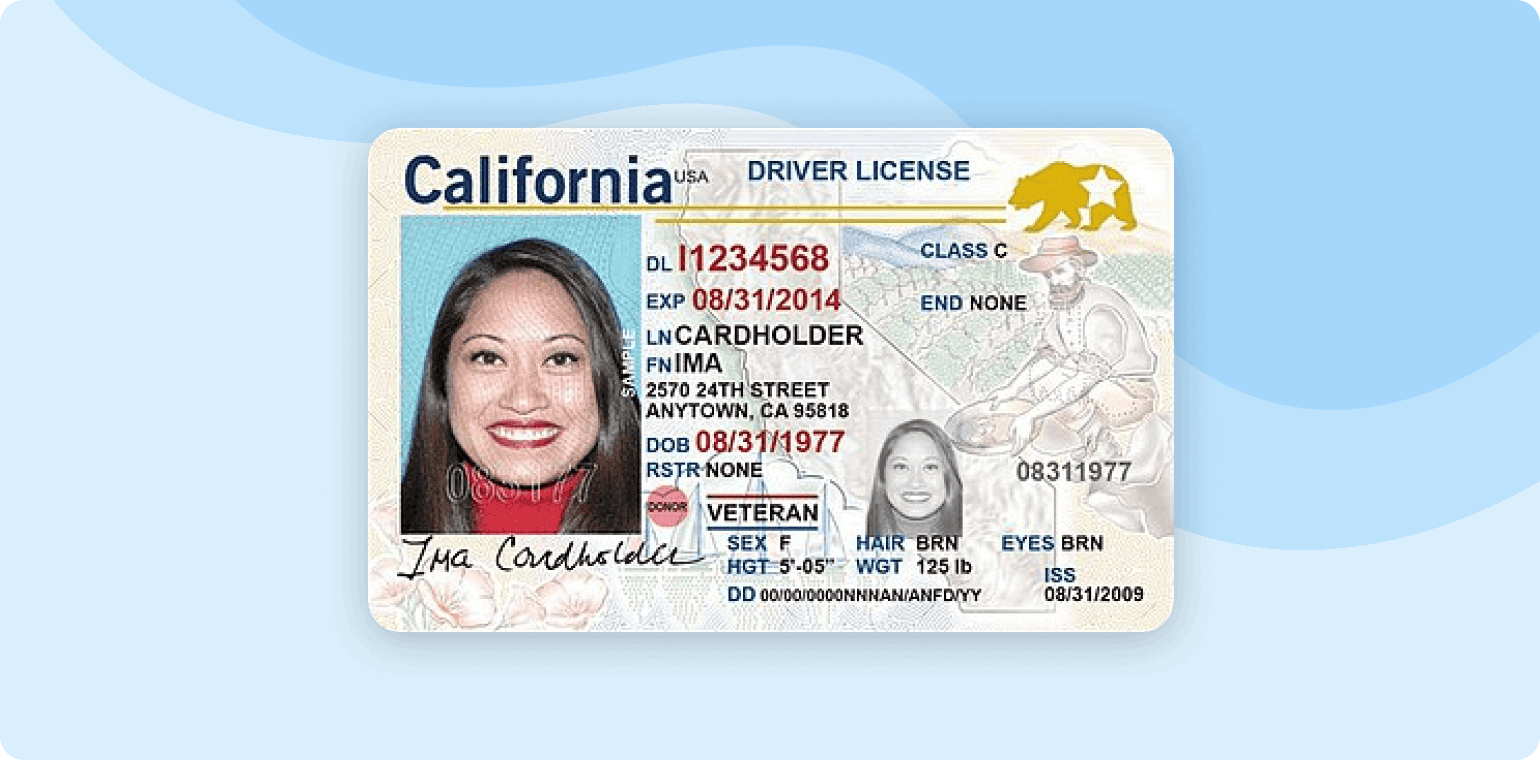
During the test, a DMV examiner will ride with you, evaluating your driving skills in various real-world scenarios. This includes demonstrating turns, lane changes, parking maneuvers (like parallel parking), observing speed limits, safe following distances, and your overall awareness of traffic and road signs. They will look for smooth driving, proper signaling, safe stops, and correct observations at intersections. It’s not about being perfect, but about demonstrating competence and safety. Common reasons for failure include critical errors like violating traffic laws, unsafe lane changes, or losing control of the vehicle. Practice, practice, practice in different traffic conditions and areas is key to success. Once you pass, you’ll be issued a temporary license, and your official photo license will be mailed to you within a few weeks.
Beyond the License: Exploring California’s Roadways
With your new California driver’s license in hand, a world of exploration opens up before you. California’s diverse landscape offers an endless array of road trip possibilities, from the sun-drenched beaches of Santa Monica to the snowy peaks of Lake Tahoe.
However, driving in California comes with its own set of nuances. Traffic in metropolitan areas like Los Angeles, San Francisco, and San Jose can be notoriously heavy, especially during peak hours. Be prepared for longer travel times and utilize navigation apps to find the best routes. Always be mindful of specific California laws, such as the “Move Over” law for emergency vehicles, hands-free device requirements for cell phones, and the strict adherence to speed limits, which are often heavily enforced.
Consider embarking on iconic road trips:
- The Pacific Coast Highway (Highway 1): A breathtaking journey from Orange County to Mendocino, featuring dramatic cliffs, charming towns like Monterey and Carmel-by-the-Sea, and the unparalleled beauty of Big Sur. Along this route, you’ll find everything from luxurious oceanfront hotels to quaint inns and rustic campsites.
- National Park Loops: A license grants you access to wonders like Yosemite National Park, Sequoia National Park, Joshua Tree National Park, and Redwood National Park, each offering unique landscapes and outdoor adventures. Planning ahead for accommodation, whether it’s a lodge within the park or a hotel in a nearby town like Oakhurst or Three Rivers, is highly recommended.
- Desert Escapes: Drive east to discover the stark beauty of Palm Springs, a desert oasis known for its mid-century modern architecture, vibrant art scene, and luxurious resorts, or venture further into the otherworldly landscapes of Death Valley National Park.
Having a driver’s license empowers you to choose your travel style, whether it’s a pampered stay at a Hyatt Regency Huntington Beach Resort & Spa, a charming boutique hotel in Santa Barbara, or a budget-friendly option near attractions like Disneyland Park in Anaheim or Universal Studios Hollywood in Hollywood. It provides the flexibility to explore beyond the tourist brochures and truly immerse yourself in the rich tapestry of California life and culture.
Getting your California driver’s license is a rite of passage for residents and a smart move for long-term visitors. While the process requires patience and preparation, the unparalleled freedom and opportunities it unlocks for exploring the incredible destinations and embracing the unique lifestyle of the Golden State are immeasurable. So, study up, practice diligently, and prepare to hit the open road – your ultimate California adventure awaits!
LifeOutOfTheBox is a participant in the Amazon Services LLC Associates Program, an affiliate advertising program designed to provide a means for sites to earn advertising fees by advertising and linking to Amazon.com. Amazon, the Amazon logo, AmazonSupply, and the AmazonSupply logo are trademarks of Amazon.com, Inc. or its affiliates. As an Amazon Associate we earn affiliate commissions from qualifying purchases.