
The Seattle World’s Fair, officially known as the Century 21 Exposition, was a pivotal event in the history of the Pacific Northwest and a significant landmark in the narrative of global expositions. Held in the vibrant city of Seattle, Washington, this grand fair aimed to showcase the future, particularly in the realms of science, space exploration, and technological innovation, all under the optimistic banner of the 21st century. Understanding its timeline is crucial to appreciating its impact and legacy.
The Genesis and Timeline of Century 21
The idea for a world’s fair in Seattle began to take shape in the mid-1950s, driven by a desire to boost the city’s economy and profile on a national and international stage. The economic downturn following World War II and the decline of the timber industry created a pressing need for a revitalization project. A committee was formed, and after several years of planning, fundraising, and securing commitments, the fair was officially approved and scheduled.
The Opening and Duration
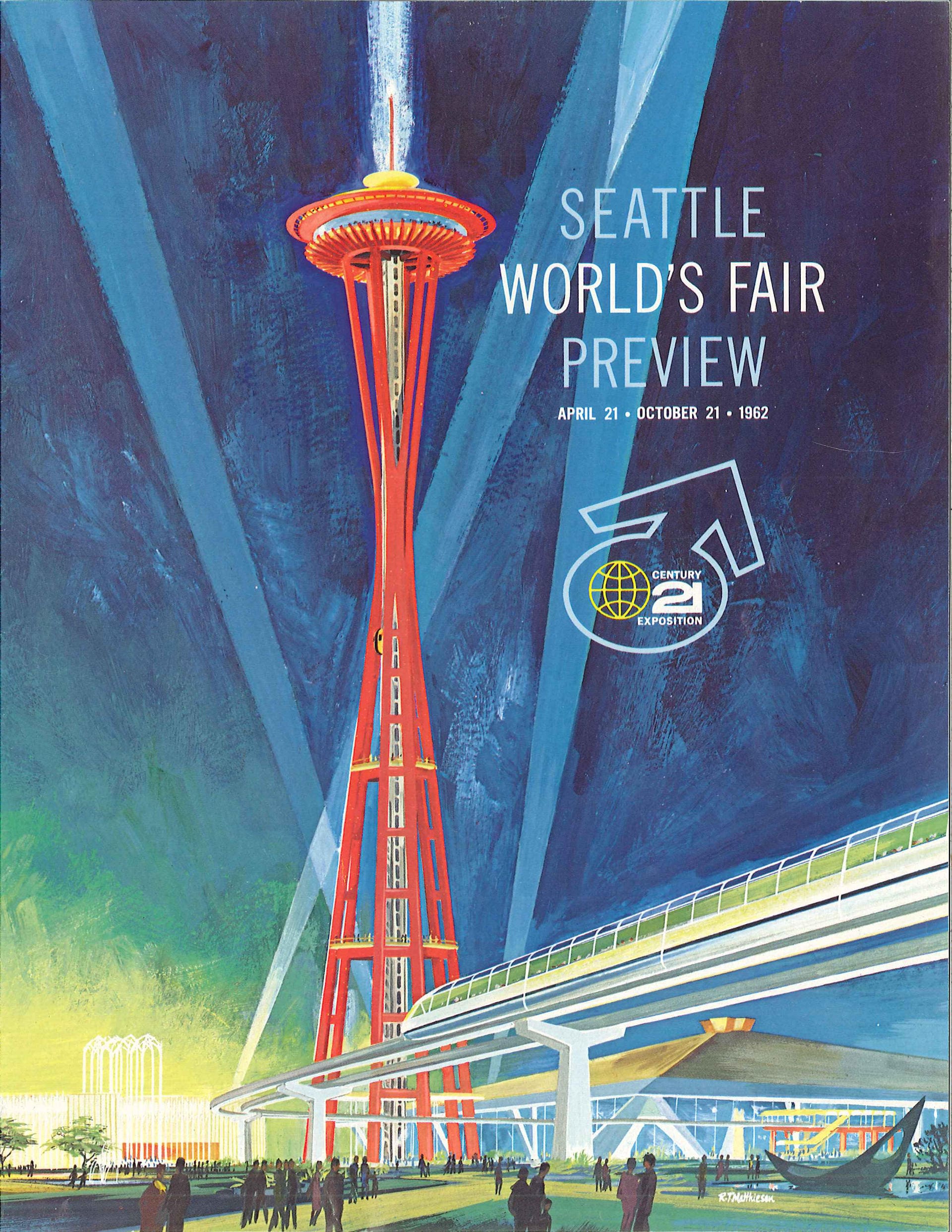
The Seattle World’s Fair officially opened its gates to the public on April 21, 1962. This grand opening was marked by considerable fanfare, with dignitaries, celebrities, and thousands of eager visitors descending upon the newly constructed fairgrounds. The exposition was envisioned as a springtime and summer attraction, designed to capture the attention of people across the country and beyond during a period of pleasant weather.
The fair ran for an impressive duration, concluding on October 21, 1962. This six-month run allowed ample time for visitors to explore its diverse offerings and for the organizers to host a wide array of events, performances, and educational programs. The timing was strategic, coinciding with a period of national optimism and a burgeoning interest in the “Space Age.”
Key Milestones
- 1955: Initial conceptualization of a world’s fair in Seattle.
- 1958: Formal establishment of the Century 21 Exposition, Inc.
- 1959-1961: Construction of the fairgrounds and iconic structures.
- April 21, 1962: Grand Opening of the Seattle World’s Fair.
- October 21, 1962: Fair Closes.
- Post-Fair: Redevelopment of the fairgrounds into Seattle Center.
The Vision: A Glimpse into the Future
The Seattle World’s Fair was more than just a collection of exhibits; it was a bold statement about humanity’s potential and the exciting future that awaited. The theme, “The Age of Space,” was perfectly aligned with the geopolitical climate of the time, characterized by the intense Space Race between the United States and the Soviet Union.
Key Thematic Elements
The fair was divided into several thematic zones, each offering a unique perspective on the future:
- The Space Age: This was the dominant theme, with exhibits focusing on space travel, rockets, satellites, and the potential for life beyond Earth. The United States Science Pavilion was a central hub for these displays.
- Mankind and His World: This section explored advancements in various fields, including medicine, education, and communications, showcasing how technology would improve daily life.
- The Arts: Recognizing the importance of culture, the fair featured pavilions dedicated to fine arts, music, and performing arts from around the globe, highlighting international collaboration and artistic achievement.
- Industry and Commerce: Major corporations and international bodies showcased their latest innovations and contributions to progress, offering a glimpse into future economic landscapes.
Architectural Marvels and Enduring Landmarks

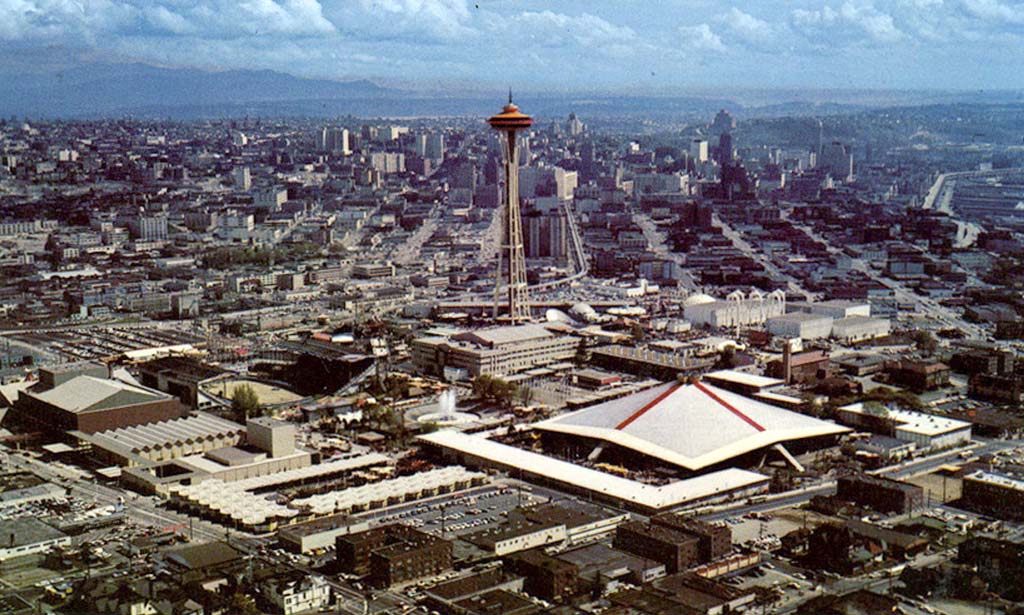
The Seattle World’s Fair left an indelible mark on the city’s landscape, most notably through the construction of several iconic structures that remain beloved attractions to this day. These architectural achievements were designed to embody the futuristic spirit of the exposition.
The Space Needle
Undoubtedly the most recognizable symbol of the fair and indeed of Seattle itself, the Space Needle was designed by architect Edward E. Weldon and built by the Howard S. Wright Construction Company. Its distinct saucer-shaped top and slender, tripod-like base were a bold departure from conventional architectural styles of the era. Standing at 605 feet, it offered panoramic views of the city, Puget Sound, and the surrounding Cascade and Olympic Mountains. The original construction incorporated a revolving restaurant and observation deck, offering visitors an unparalleled experience.
The Monorail
Another enduring legacy of the fair is the Seattle Center Monorail. This elevated rapid transit system was built to transport visitors from downtown Seattle directly to the fairgrounds. Designed by Alweg Corporation, it was one of the first operational monorails in the United States and remains in service today, a testament to its innovative design and functionality. The distinctive orange and gray cars gliding silently above the city streets were a symbol of futuristic transportation.
Other Notable Structures
Beyond these flagship attractions, the fairgrounds featured a multitude of pavilions, each with its own architectural flair. The Pacific Science Center, originally the United States Science Pavilion, with its distinctive geodesic domes and laser-light shows, was a major draw. The International Fountain, a massive water feature that was the largest of its kind at the time, added a dynamic element to the central plaza. The Armory building, also known as the Center House, provided a central gathering space and exhibition hall.
The Fair’s Impact and Legacy
The Seattle World’s Fair was a resounding success, attracting over 10 million visitors during its six-month run. Its impact extended far beyond the immediate economic boost; it catalyzed urban development, fostered a sense of civic pride, and left a lasting cultural and architectural legacy on Seattle.
Economic and Urban Development
The fair served as a catalyst for significant infrastructure improvements in Seattle. The development of the fairgrounds, now known as Seattle Center, transformed a blighted area into a vibrant cultural and recreational hub. The influx of tourism and investment stimulated the local economy, paving the way for future growth and diversification. The successful execution of such a large-scale event also enhanced Seattle’s reputation as a capable and forward-thinking city.
Cultural Influence and Innovation
The Century 21 Exposition captured the imagination of a generation, emphasizing innovation, progress, and the boundless possibilities of the future. It showcased groundbreaking technologies, from early computer displays and telecommunications to advancements in space exploration and atomic energy. These exhibits inspired countless individuals and contributed to the broader cultural narrative of the Space Age, shaping perceptions of science and technology. The fair also provided a platform for international exchange, fostering understanding and cooperation among diverse cultures.
The Post-Fair Era
Following the fair’s conclusion, the site was redeveloped into Seattle Center, a public park and cultural complex. Many of the fair’s most iconic structures, including the Space Needle, the Pacific Science Center, and the Monorail, were preserved and adapted for ongoing use. Seattle Center continues to be a vital part of the city’s identity, hosting events, performances, and serving as a reminder of the ambitious vision that shaped it. The Seattle World’s Fair remains a cherished chapter in Seattle’s history, a testament to its pioneering spirit and its enduring commitment to looking towards the future.
LifeOutOfTheBox is a participant in the Amazon Services LLC Associates Program, an affiliate advertising program designed to provide a means for sites to earn advertising fees by advertising and linking to Amazon.com. Amazon, the Amazon logo, AmazonSupply, and the AmazonSupply logo are trademarks of Amazon.com, Inc. or its affiliates. As an Amazon Associate we earn affiliate commissions from qualifying purchases.