
Navigating the legal landscape of any destination is a crucial aspect of responsible travel, and understanding local laws regarding items like self-defense tools is paramount. When planning a trip to or considering any activities within New York, travelers often wonder about the legality of various personal items. This exploration delves into the specific regulations surrounding switchblades within the state of New York, providing clarity for those who may be considering carrying such an item for personal protection or simply out of curiosity. It’s vital to note that laws can be complex and subject to change, so this information is intended as a guide and not as definitive legal advice.

Understanding New York State Law on Switchblades
New York State has historically maintained strict regulations concerning “gravity knives,” a category that often encompasses switchblades. The legal definition and enforcement of these laws have evolved over time, leading to some confusion. For travelers, ignorance of the law is not a defense, and carrying prohibited items can result in significant legal consequences, including fines and even arrest. Understanding the nuances of what constitutes a prohibited item is the first step in ensuring compliance.
The Legal Definition of Gravity Knives
In New York, the term “gravity knife” is central to the prohibition of switchblades. A gravity knife is generally defined as a knife that has a blade which is released from the handle by the force of gravity or by centrifugal force. This definition can be interpreted broadly, and many knives that are not explicitly automatic opening (meaning they require a button press to deploy) have been classified as gravity knives under case law and statutory interpretation. This broad interpretation has led to a challenging legal environment for knife owners and enthusiasts.
The key element is the mechanism by which the blade is opened. If the blade can be opened with a flick of the wrist or by the force of gravity after the locking mechanism is released, it can fall under the gravity knife prohibition. This is a critical distinction, as many common folding knives might, under certain circumstances or interpretations, be deemed illegal.
Historical Context and Legal Challenges
The laws surrounding gravity knives in New York have been a subject of considerable legal debate and challenges. For many years, the interpretation and enforcement of these laws were often seen as overly broad, leading to the prosecution of individuals carrying common folding knives. High-profile court cases and legislative efforts have sought to clarify and, in some instances, reform these statutes.
A significant turning point came with court decisions that aimed to limit the scope of the gravity knife ban, focusing more on the intended mechanism of the knife rather than its potential to be opened in a certain way. However, the legal landscape can still be a minefield. It is crucial for anyone traveling to or residing in New York to be aware of the current interpretations and enforcement practices.
Prohibited Knives in New York
Beyond the broad category of gravity knives, New York also explicitly prohibits other types of knives that are designed for concealment or to inflict serious harm. Understanding these prohibitions is essential for anyone carrying a knife, regardless of its opening mechanism.
Switchblades and Automatic Knives
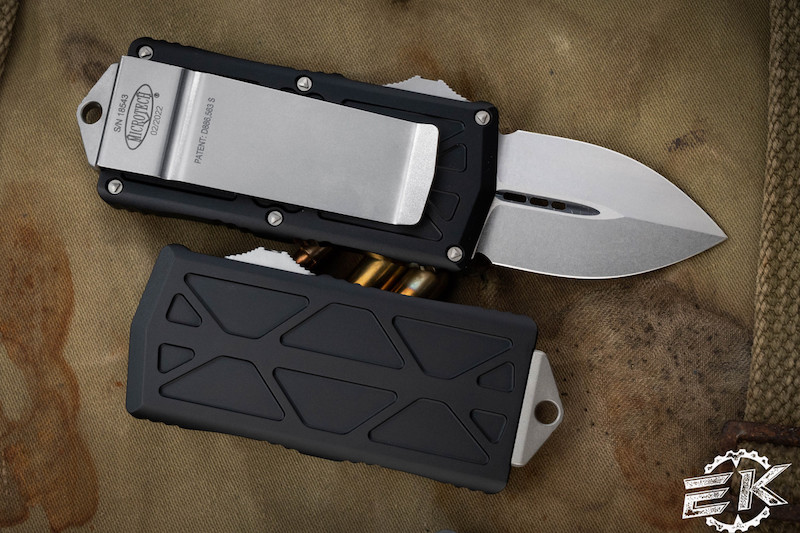
Switchblades, which typically feature a blade that deploys automatically when a button or switch is pressed, are generally prohibited in New York. This prohibition extends to carrying, possessing, or selling such knives within the state. The rationale behind this ban often relates to the perceived intention of such knives to be used for sudden, concealed attacks.
The term “switchblade” itself is often used interchangeably with “automatic knife” in legal discussions. While there may be subtle technical differences in their mechanisms, both are typically viewed with suspicion under New York law. The intent of the law is to prevent the carrying of knives that can be rapidly deployed with a single action, often with a concealed or aggressive intent.
Other Restricted Knives
In addition to switchblades and gravity knives, New York law also addresses other types of knives that are considered dangerous or designed for illegal purposes. These can include:
- Daggers: Knives with a pointed blade and sharp edges designed for stabbing.
- Dirks: Similar to daggers, often characterized by a slender, pointed blade.
- Stilettos: Knives with a narrow, tapering blade designed for thrusting.
- Knives with blades over four inches: While not universally prohibited, longer blades can be subject to scrutiny, especially when carried in certain public places or with intent to use unlawfully.
- “Zero Tolerance” Knives: Some jurisdictions may have specific ordinances that further restrict certain types of knives, especially within school zones or public buildings.

It is important for travelers to recognize that even if a knife is not explicitly called a “switchblade,” its design or mechanism might still render it illegal under New York statutes, particularly if it falls under the gravity knife definition or is considered an inherently dangerous weapon.
Exceptions and Nuances for Travelers
While the general rule prohibits switchblades and many types of automatic knives, there are often specific nuances and potential exceptions that travelers should be aware of. However, these exceptions are typically narrow and should not be relied upon without careful consideration and, ideally, consultation with local legal counsel.
Law Enforcement and Military Personnel
Certain individuals, such as active members of law enforcement agencies or the military, may have specific exemptions that allow them to carry certain types of knives in the course of their official duties. These are highly specific to the individual’s role and authorized use. For the average traveler, these exemptions are not applicable.
Display and Collection
The laws in New York generally focus on the possession and carrying of prohibited knives. In some limited circumstances, possession of a prohibited knife for display purposes in a secure location, such as a private residence or a licensed establishment, might be permissible. However, transporting such an item, even for display, is often still illegal. This distinction is crucial and often misunderstood.
Preemption and Local Ordinances
It is also worth noting that while New York State has laws governing knives, individual cities and municipalities within the state may enact their own ordinances. These local laws can be more restrictive than state law. For example, a city might have stricter rules regarding the length of knife blades or specific types of knives allowed in public parks or transportation hubs. Travelers should always research the specific laws of the city or region they are visiting within New York.
Practical Advice for Travelers
For travelers planning a visit to New York, the most prudent approach regarding knives is to err on the side of caution. Understanding the potential legal ramifications far outweighs the perceived benefits of carrying a potentially prohibited item.
What Not to Carry
Given the strict interpretation of knife laws in New York, it is highly recommended that travelers do not carry:
- Any knife that automatically opens via a button, switch, or spring.
- Any knife that can be opened by gravity or a flick of the wrist, which could be classified as a gravity knife.
- Knives designed for concealment or with features that suggest an intent to use them as weapons.
- Knives with blades exceeding what is commonly considered a utility or everyday carry size (often around 3-4 inches, though this can vary).
Alternatives for Personal Protection
If personal protection is a concern, travelers should explore legal and appropriate alternatives available in New York. These might include:
- Personal safety alarms: Small, loud devices that can deter an attacker and attract attention.
- Awareness and avoidance: The most effective personal protection is often situational awareness and avoiding potentially dangerous situations.
- Self-defense classes: Learning de-escalation techniques and physical self-defense methods can be empowering.
When traveling, especially to unfamiliar destinations, prioritizing safety also means understanding and respecting local laws. For those visiting New York, a clear understanding of the regulations surrounding switchblades and other knives is essential to ensure a safe and legal trip. Consulting with legal experts or official resources can provide definitive guidance for specific concerns.
LifeOutOfTheBox is a participant in the Amazon Services LLC Associates Program, an affiliate advertising program designed to provide a means for sites to earn advertising fees by advertising and linking to Amazon.com. Amazon, the Amazon logo, AmazonSupply, and the AmazonSupply logo are trademarks of Amazon.com, Inc. or its affiliates. As an Amazon Associate we earn affiliate commissions from qualifying purchases.