
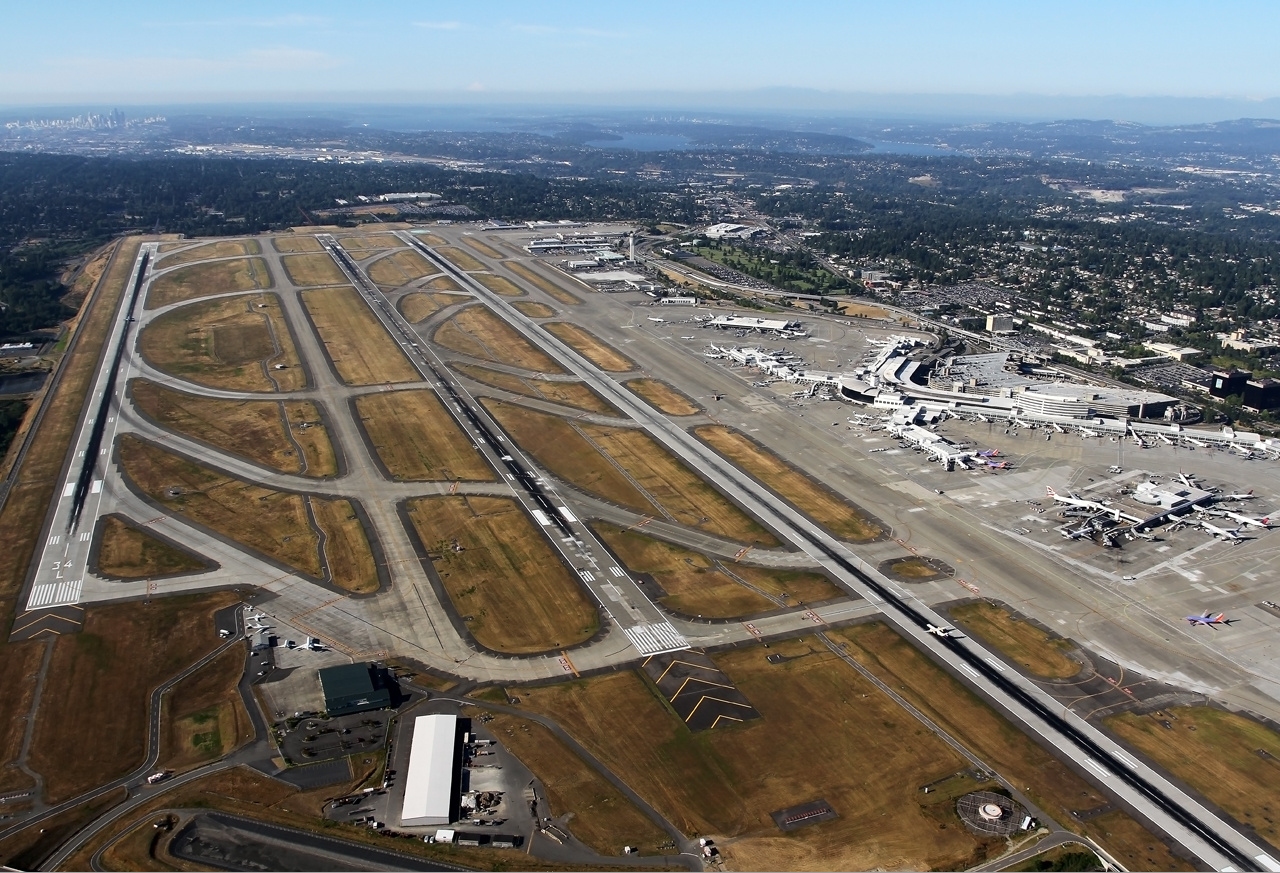
Seattle Tacoma Airport, officially known as Seattle-Tacoma International Airport and commonly abbreviated as SEA, serves as the primary gateway to the vibrant Pacific Northwest. Nestled in the heart of the Puget Sound region, it is strategically located to connect travelers to the bustling cities of Seattle and Tacoma, as well as the broader stunning landscapes of Washington State. Understanding its precise location is the first step in planning a seamless travel experience, whether you’re arriving for business, leisure, or a connection to further adventures.
Strategic Location and Accessibility
The airport’s geographic positioning is a key factor in its operational efficiency and its role as a major transportation hub. Situated approximately 14 miles south of downtown Seattle and about 21 miles north of downtown Tacoma, SEA occupies a central corridor between these two significant urban centers. This placement allows for relatively easy access to both cities via various transportation methods, minimizing travel time for passengers with diverse onward journeys. The surrounding area, while primarily industrial and commercial due to the airport’s footprint, is bordered by suburban communities and natural areas, offering a glimpse of the region’s diverse environment even before reaching your final destination.
Proximity to Major Urban Centers
The airport’s proximity to Seattle is particularly advantageous. Seattle, a global hub for technology and culture, draws millions of visitors annually. SEA provides a direct and convenient entry point for these travelers, enabling them to quickly connect to the city’s renowned attractions, business districts, and accommodations. Similarly, Tacoma, with its growing arts scene, historic waterfront, and proximity to natural wonders like Mount Rainier, is readily accessible. This dual accessibility solidifies the airport’s importance for the entire southern Puget Sound area.
Transportation Networks
The airport is integrated into a comprehensive transportation network that extends far beyond its immediate vicinity. Major highways, including Interstate 5 (I-5), provide direct road access, facilitating car rentals and taxi services. Public transportation is also a vital component of the airport’s connectivity. The Link Light Rail system offers a direct, efficient, and environmentally friendly way to travel between SEA and downtown Seattle, bypassing traffic congestion. Bus services and shuttle companies further enhance options for reaching various destinations throughout the region. For those venturing further afield, the airport is also a hub for Amtrak train services and various bus lines connecting to cities across Washington State and beyond.
Navigating the Airport Environment
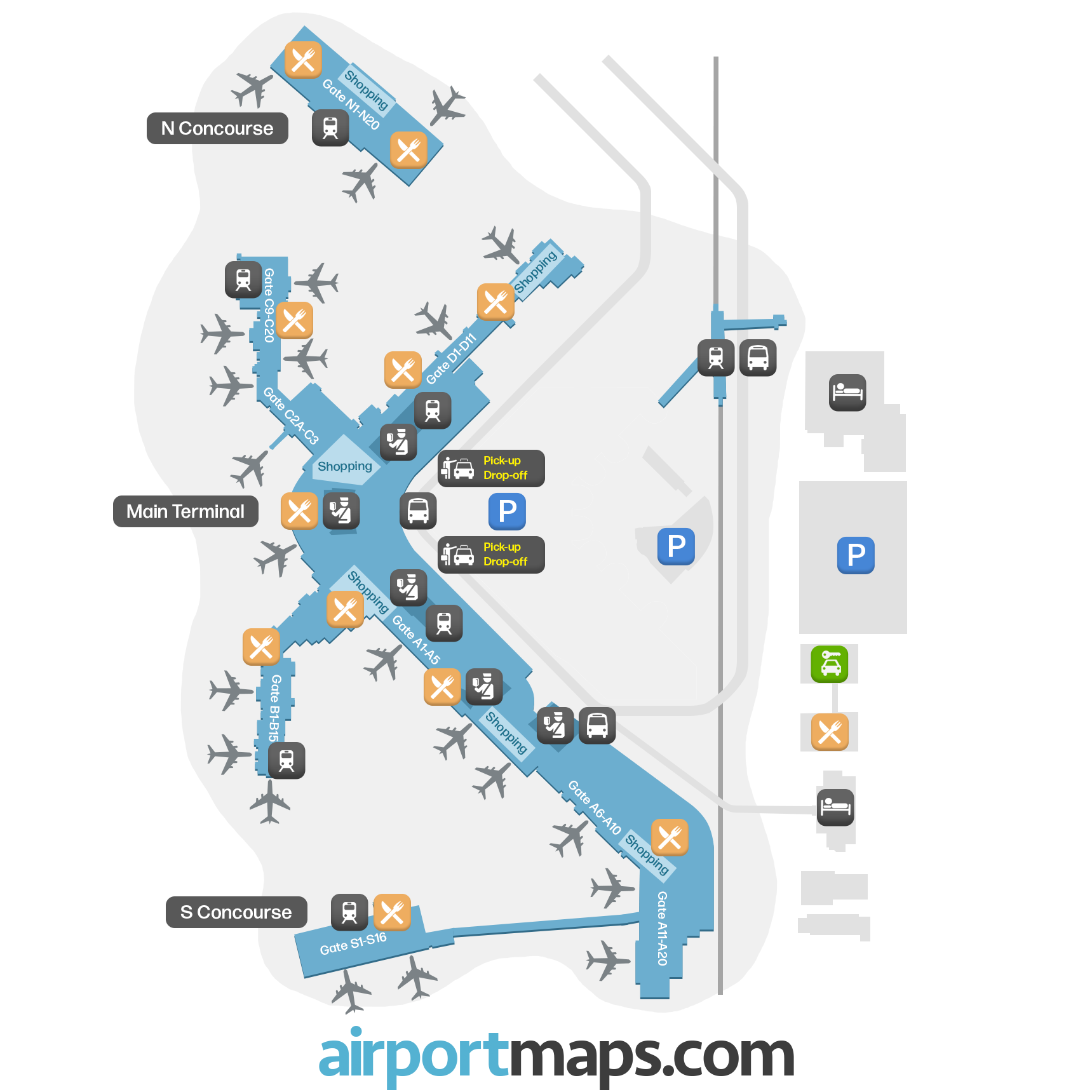
Upon arrival or departure from SEA, travelers will find a modern and well-equipped facility designed to streamline the airport experience. The airport is divided into a central terminal with several concourses, each serving a multitude of airlines. Familiarizing yourself with the airport’s layout can save time and reduce stress, especially for those with tight connections or first-time visitors.
Terminal and Concourse Layout
The main terminal at SEA houses ticketing, baggage claim, and security checkpoints. From the central terminal, passengers can access the various concourses via a system of walkways and the airport’s internal tram. Each concourse is home to a different set of airlines and gates, and understanding which concourse your flight departs from or arrives at is crucial for efficient navigation. The airport provides clear signage throughout, directing passengers to their respective concourses, gates, and amenities.
Airlines and Destinations
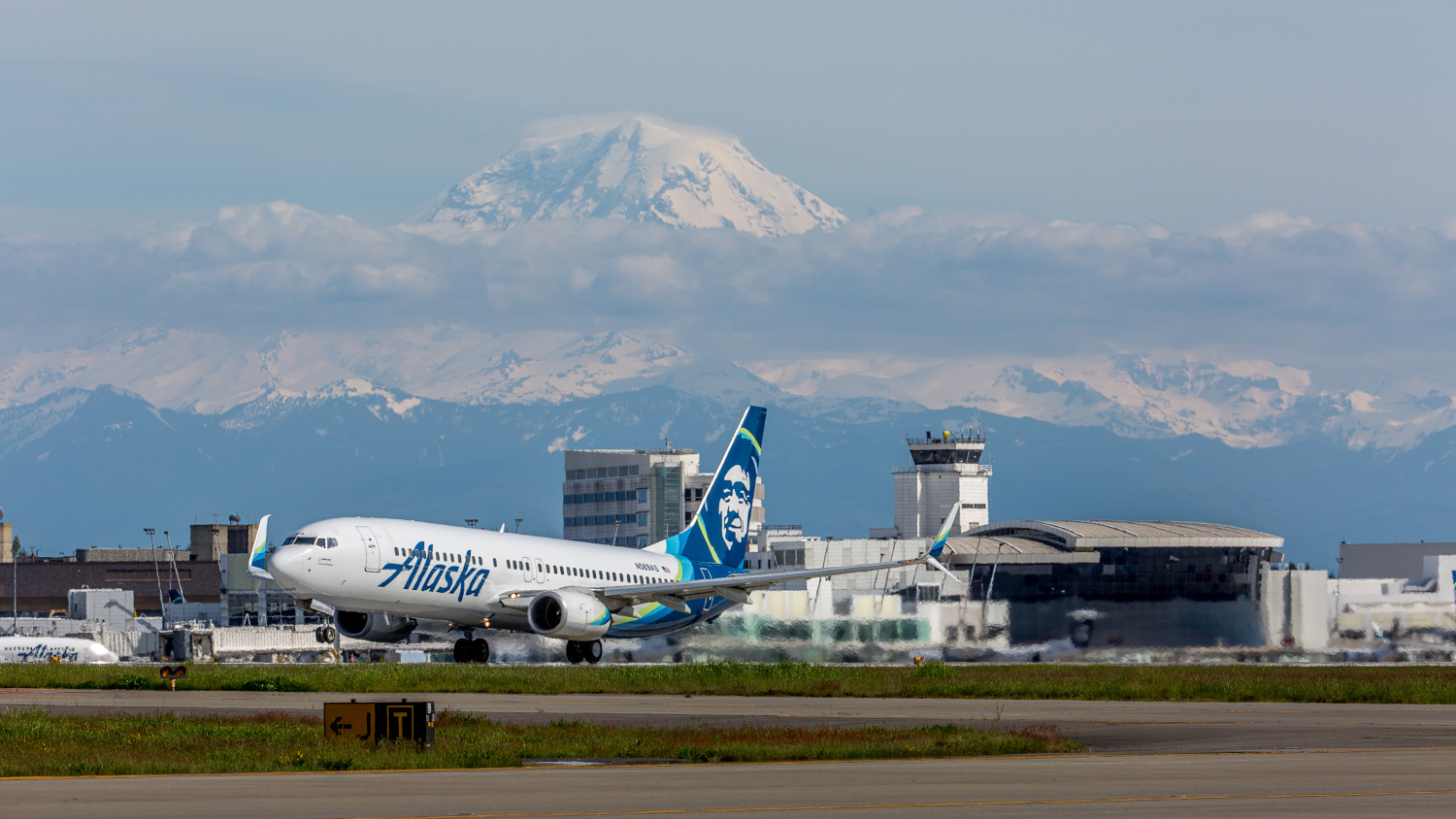
Seattle Tacoma International Airport is a major hub for Alaska Airlines, which operates a significant number of flights to destinations across North America and to a growing number of international locations. Beyond Alaska Airlines, SEA hosts a wide array of domestic and international carriers, serving hundreds of destinations. These include major U.S. cities like Los Angeles, New York City, and Chicago, as well as international gateways in Europe, Asia, and Canada. The airport’s extensive route network makes it a vital link for both leisure and business travel.
Beyond the Airport: Gateway to the Region
The significance of SEA extends beyond its role as an arrival and departure point; it is the primary gateway to exploring the diverse attractions and experiences that the Pacific Northwest has to offer. From urban exploration to natural wonders, the region served by SEA is rich in opportunities for discovery.
Exploring Seattle
Just a short Link Light Rail ride away, Seattle beckons with its iconic landmarks. The Space Needle offers panoramic views of the city, Elliott Bay, and the surrounding Cascade Mountains. The vibrant Pike Place Market, one of the oldest continuously operated public farmers’ markets in the United States, is a sensory delight with its fresh produce, artisanal crafts, and lively atmosphere. The city also boasts world-class museums like the Museum of Pop Culture (MoPOP) and the Chihuly Garden and Glass, along with a thriving music scene and diverse culinary landscape.
Discovering Tacoma and Beyond
Tacoma, often called the “City of Destiny,” offers its own unique charms. The Museum of Glass is a standout attraction, showcasing stunning glass art. The Washington State History Museum provides insights into the region’s rich past. For nature enthusiasts, the proximity to the stunning natural beauty of Washington State is a major draw. Day trips or longer excursions can take travelers to the majestic peaks of Mount Rainier National Park, the lush rainforests of the Olympic Peninsula, or the serene islands of the San Juan Islands. The rugged coastline, the evergreen forests, and the snow-capped mountains all contribute to the allure of this captivating region.
Practical Travel Tips
When planning your travel through SEA, consider the time of year. The Pacific Northwest is known for its temperate climate, but it also experiences significant rainfall, particularly during the fall and winter months. Packing layers is always a good idea. For those connecting to international destinations, ensure you have the necessary travel documents. Utilizing the Link Light Rail for travel to and from Seattle can significantly reduce travel time and costs, especially during peak hours. For those renting a car, be aware of potential traffic, especially during weekday commutes. The SEA airport website is an invaluable resource for flight information, parking, transportation options, and airport services, making your journey as smooth as possible.
LifeOutOfTheBox is a participant in the Amazon Services LLC Associates Program, an affiliate advertising program designed to provide a means for sites to earn advertising fees by advertising and linking to Amazon.com. Amazon, the Amazon logo, AmazonSupply, and the AmazonSupply logo are trademarks of Amazon.com, Inc. or its affiliates. As an Amazon Associate we earn affiliate commissions from qualifying purchases.