
Understanding the minimum wage in New Mexico is crucial for both employees and employers operating within the state. This guide delves into the current minimum wage rates, potential future changes, and how these figures impact the local economy and its vibrant tourism sector. While the question directly addresses a financial aspect, its implications ripple outward, influencing the cost of services, the accessibility of travel experiences, and the overall economic health that supports a thriving destination like New Mexico.
Current Minimum Wage in New Mexico
As of the most recent legislative updates, New Mexico has a state-level minimum wage that applies to most employees. This wage is generally higher than the federal minimum wage, offering a baseline of income for many workers across various industries, including those integral to the tourism and hospitality sectors.

The Standard Hourly Rate
The standard minimum wage in New Mexico is set at $12.00 per hour as of January 1, 2024. This rate is a significant increase from previous years, reflecting a commitment to improving the standard of living for its residents. This figure applies to most employees, regardless of whether they work in large cities like Albuquerque or in smaller, more remote tourist destinations.
Differentiations and Exceptions
While $12.00 per hour is the general rule, there are some important nuances and exceptions to be aware of:
- Tipped Employees: A separate minimum wage applies to employees who regularly receive more than $30 per month in tips. For these workers, the cash minimum wage is typically lower, with the expectation that tips will bring their total earnings up to at least the standard minimum wage. As of January 1, 2024, the cash minimum wage for tipped employees in New Mexico is $3.00 per hour. Employers must ensure that the combined cash wage and tips meet or exceed the $12.00 per hour standard. If an employee’s tips and cash wage do not reach the standard minimum wage, the employer is obligated to make up the difference. This is a critical point for individuals working in restaurants, cafes, and other service-oriented establishments that are popular among tourists visiting attractions like Carlsbad Caverns National Park or enjoying the culinary scene in Santa Fe.
- Minors: For employees under 18 years of age who work fewer than 25 hours per week, a slightly lower minimum wage might apply in some specific circumstances, though this is less common with recent state adjustments. It is always best to confirm the latest regulations with the New Mexico Department of Workforce Solutions.
- Federal vs. State Minimum Wage: It is essential to note that employers must pay the higher of the federal minimum wage or the state minimum wage. In cases where the state minimum wage is higher, as it is in New Mexico, the state rate prevails.
Impact on the Tourism Industry
The minimum wage in New Mexico has a direct and indirect impact on its robust tourism sector. Understanding these connections is vital for both visitors and those who work in the industry.
Affordability and Accessibility for Travelers
A higher minimum wage can contribute to a more stable workforce in the hospitality sector. This stability can translate into better service quality for tourists. Furthermore, while increased labor costs for businesses might theoretically lead to higher prices for goods and services, a robust minimum wage also puts more disposable income into the hands of local residents. This can, in turn, stimulate local spending, including on tourism-related activities and dining, potentially offsetting some cost increases for visitors.
For budget-conscious travelers planning a trip to explore the unique landscapes and cultural heritage of New Mexico, understanding the cost of services, from hotel stays in Taos to guided tours of ancient pueblos, provides valuable insight into overall trip expenses.
Labor Force and Service Quality
The hospitality industry, a cornerstone of New Mexico’s tourism, relies heavily on a well-compensated workforce. A competitive minimum wage helps attract and retain skilled employees in roles such as hotel staff, restaurant servers, tour guides, and transportation providers. This can lead to a more experienced and dedicated workforce, enhancing the overall visitor experience. For instance, well-trained hotel concierges at resorts like the La Fonda on the Plaza or knowledgeable guides leading expeditions through White Sands National Park can significantly elevate a tourist’s journey.
Business Operations and Pricing
Businesses operating in New Mexico, including hotels, restaurants, and tour operators, must factor the minimum wage into their operational costs. This can influence pricing strategies for accommodations, dining, and activities. While some businesses may absorb increased labor costs, others might pass a portion onto consumers. This is a dynamic that visitors should be mindful of when budgeting for their travel, especially when considering popular destinations and peak seasons.
Future Minimum Wage Trends in New Mexico
The minimum wage landscape is not static, and New Mexico has a history of progressive adjustments. Future trends are often shaped by economic conditions, legislative initiatives, and advocacy for worker rights.
Legislative Outlook and Potential Increases
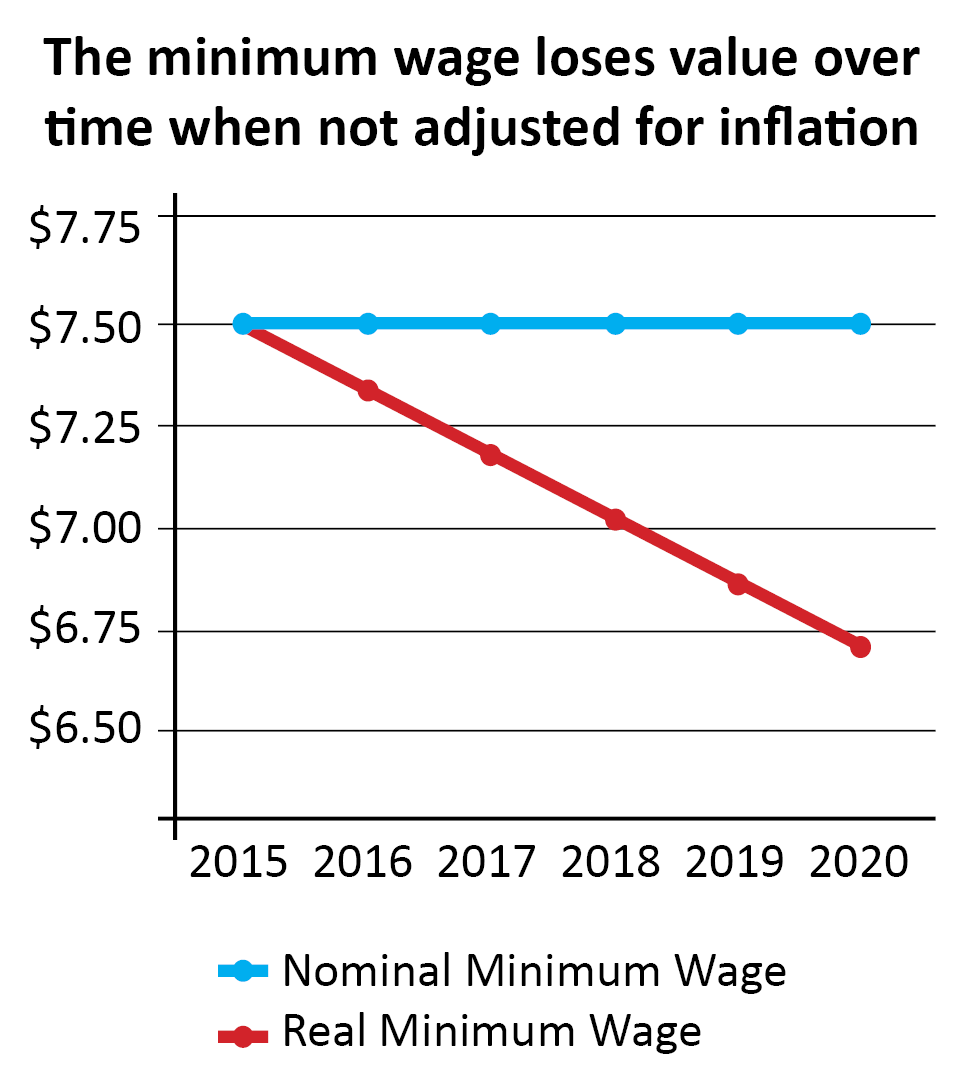
New Mexico has demonstrated a commitment to gradually increasing its minimum wage. While specific future rates are subject to legislative action, it is plausible that the state will continue this trajectory. Advocates often push for further increases to align more closely with the cost of living, especially in urban centers and popular tourist hubs. Staying informed about proposed legislation and potential future wage adjustments is advisable for businesses and individuals alike.
Economic Indicators and Cost of Living
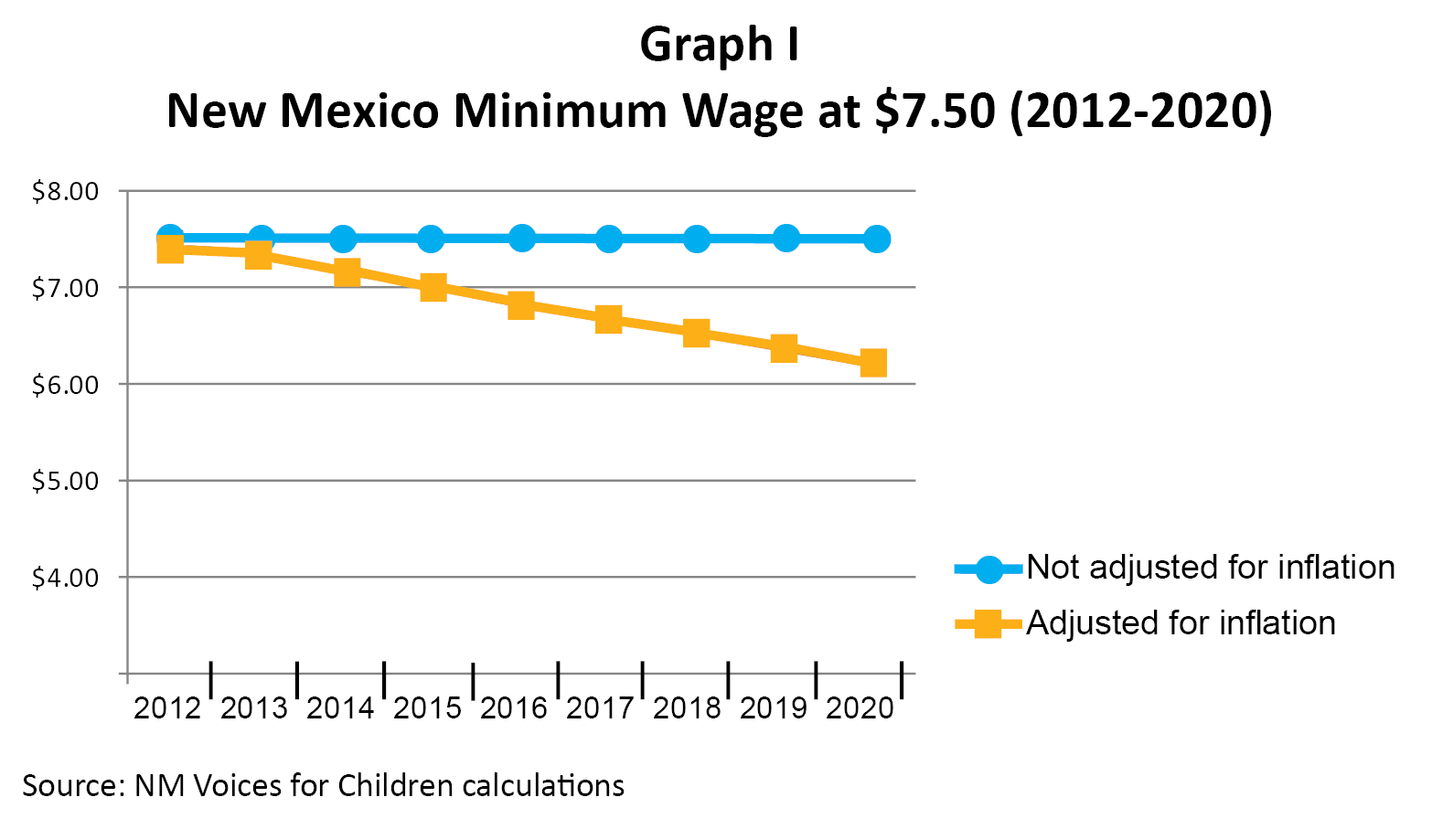
The economic health of New Mexico, including factors like inflation, employment rates, and the overall cost of living, plays a significant role in discussions surrounding minimum wage adjustments. As the cost of housing, food, and transportation rises, so does the pressure to ensure that minimum wage keeps pace, allowing residents and those working in service industries to maintain a reasonable quality of life. This is particularly relevant for maintaining a vibrant local economy that can support the infrastructure and services essential for tourism.
The Role of Federal and Local Initiatives
While New Mexico has its own minimum wage laws, it’s also influenced by federal minimum wage discussions. Additionally, some cities or counties within New Mexico might explore or enact local minimum wage ordinances, though this is less common due to the existing strong state-level wage. These layered regulations can create complexity, making it essential for employers to understand which wage regulations apply to their specific location and business type.
How Minimum Wage Affects Visitor Experiences
The financial underpinnings of a destination inevitably influence the experience of its visitors. In New Mexico, the minimum wage impacts everything from the friendliness of hotel staff to the availability of diverse culinary options.
Service Excellence and Staffing Levels
A minimum wage that provides a living wage can lead to lower employee turnover and higher job satisfaction. This translates into a more stable, experienced, and motivated workforce in the hospitality sector. For visitors, this often means more professional, courteous, and efficient service, whether at a boutique hotel in Santa Fe or a family-run diner in Truth or Consequences. The quality of interactions with local staff can significantly shape the perception of a destination.
Local Culture and Artisan Economies
Many of New Mexico’s unique attractions are tied to its rich local culture and the artisans who create its distinctive crafts and artwork. A minimum wage that supports local communities can help sustain these cultural practices. When local residents have more disposable income, they are more likely to participate in cultural events, support local businesses, and purchase authentic artisan goods. This, in turn, enhances the authenticity and richness of the visitor experience, allowing travelers to engage more deeply with the spirit of New Mexico, from the galleries on Canyon Road to the cultural festivals in Las Cruces.
Dining and Entertainment Options
The culinary scene in New Mexico is a major draw for tourists. The minimum wage directly affects the cost structure for restaurants, from fine dining establishments to casual eateries. A higher minimum wage can support a more diverse and vibrant food industry, as businesses are better able to attract and retain skilled chefs and service staff. This contributes to a wider array of dining experiences available to visitors, from traditional New Mexican cuisine to international flavors. Similarly, entertainment venues, from theaters to live music spots, also depend on a workforce compensated at a rate that allows for sustainability and quality.
Understanding Your Rights and Responsibilities
For both employees and employers in New Mexico, a clear understanding of minimum wage laws is essential. This ensures compliance and fosters a fair working environment, which indirectly contributes to the overall appeal and operational smoothness of the state’s tourism industry.
For Employees: Knowing Your Entitlement
Employees working in New Mexico have a right to be paid at least the state’s minimum wage. If you believe you are not being paid correctly, especially concerning tips, it is important to know your rights.
- Record Keeping: Keep accurate records of your hours worked and any tips received. This documentation is crucial if there is a dispute.
- Reporting Violations: The New Mexico Department of Workforce Solutions is the primary agency responsible for enforcing wage and hour laws. They can investigate complaints and help ensure that employers are compliant.
- Federal Protections: Remember that federal labor laws also apply, providing a safety net of minimum standards.
For Employers: Ensuring Compliance
Businesses operating in New Mexico, particularly those in the tourism and hospitality sectors, must stay current with minimum wage regulations.
- Accurate Wage Calculation: Ensure that all employees are paid at least the $12.00 per hour state minimum wage, with proper accounting for tipped employees.
- Posting Requirements: Employers are typically required to post official notices regarding minimum wage rates in a conspicuous place where employees can see them.
- Staying Updated: Legislation can change. Regularly check the New Mexico Department of Workforce Solutions website for the latest updates on minimum wage laws, overtime rules, and other labor regulations.
By adhering to these regulations, businesses not only comply with the law but also contribute to a more equitable economy, which in turn supports a positive and sustainable environment for tourism in the beautiful state of New Mexico.
LifeOutOfTheBox is a participant in the Amazon Services LLC Associates Program, an affiliate advertising program designed to provide a means for sites to earn advertising fees by advertising and linking to Amazon.com. Amazon, the Amazon logo, AmazonSupply, and the AmazonSupply logo are trademarks of Amazon.com, Inc. or its affiliates. As an Amazon Associate we earn affiliate commissions from qualifying purchases.